


Hypermobile Ehlers-Danlos syndrome or hypermobility spectrum disorder does not rule out clear aligners, but the jaw joints should be checked and recorded before treatment starts, and retainers should be planned as lifelong from the first appointment. A review of oral features in the Ehlers-Danlos syndromes reports that teeth tend to move readily under orthodontic force and can drift back quickly, often within 18 months. The evidence behind clear aligners with Ehlers-Danlos syndrome is limited, so planning leans on careful records and cautious steps.
Written by Dr James Tran, BDent (University of Sydney), MICOI, GradDip (Oral Implants), general dentist at Lumi Dental in Melrose Park.
The short version
- Hypermobility alone does not rule out aligners. It changes how the jaw is assessed, how gently teeth move and how long retainers are worn.
- Jaw clicking, past dislocation and jaw pain are recorded before any tray is made, so changes during treatment can be compared.
- General dental care with EDS, including numbing and gums, is covered in our guide to Ehlers-Danlos syndrome or hypermobility at the dentist. This article is only about aligners.
- Aligner visits are usually short with less wide opening, which may suit a lax jaw. Clenching on trays can work against it.
- Periodontal EDS and vascular EDS are different conditions and need specialist planning before any tooth movement.
- Your GP, rheumatologist or geneticist manages your EDS.
The single rule: check the jaw first, and plan retainers for life
If you have hEDS or HSD, start with an examination that includes the jaw joints, not just the teeth. If your jaw clicks without pain and has never dislocated, aligners can often be planned much as for anyone else, with gentler steps. If your jaw has dislocated, locks or hurts most days, start with a jaw assessment. Either way, assume retainers will be part of your routine for life. In my experience, people with hypermobility know their joints well, and that history shapes the plan.
| Situation | What to check first |
|---|---|
| Jaw clicks without pain | Record the click, opening range and any deviation at the start; review at check-ups |
| Past jaw dislocation | How often and what triggered it; short visits with breaks; a jaw assessment before starting |
| Gums bruise or bleed easily | Gum levels recorded; smooth trays; care with attachments and enamel reshaping |
| Clenches at night | Tooth wear, jaw muscle tenderness, and a night guard after treatment |
| Teeth moved after past braces | Past retainer use; fixed and removable retainers planned from day one |
| Periodontal EDS | Referral to a registered specialist periodontist before any tooth movement is considered |
What is known about tooth movement in EDS
The NHS describes the Ehlers-Danlos syndromes as 13 inherited conditions affecting connective tissue, with hypermobile EDS the most common. People with troublesome hypermobility who do not meet the criteria for any type may be diagnosed with hypermobility spectrum disorder, which the NHS says is treated in the same way as hEDS.
Teeth are held in the jaw by the periodontal ligament, a thin layer of connective tissue. A review in the American Journal of Medical Genetics by Mitakides and Tinkle, hosted by the Ehlers-Danlos Society, describes the periodontal ligaments in EDS as fragile. It reports that orthodontic treatment tends to be quick because teeth move readily, that rapid but mild relapse is usually noted by 18 months, and that holding the teeth in place will be a lifelong necessity. It also advises that orthodontic forces should be lighter than usual.
The Hypermobility Syndromes Association (HMSA), in a page written by a professor of oral medicine, agrees that in some people with EDS teeth move faster than expected, so treatment may need modifying.
How much weight to give this
These statements come largely from case reports and expert opinion, often about types of EDS other than hEDS, and I am not aware of any trials of clear aligners in EDS. They are best read as cautions: move teeth gently, check more often, and take retention seriously.
Jaw joints: clicking, subluxation and dislocation
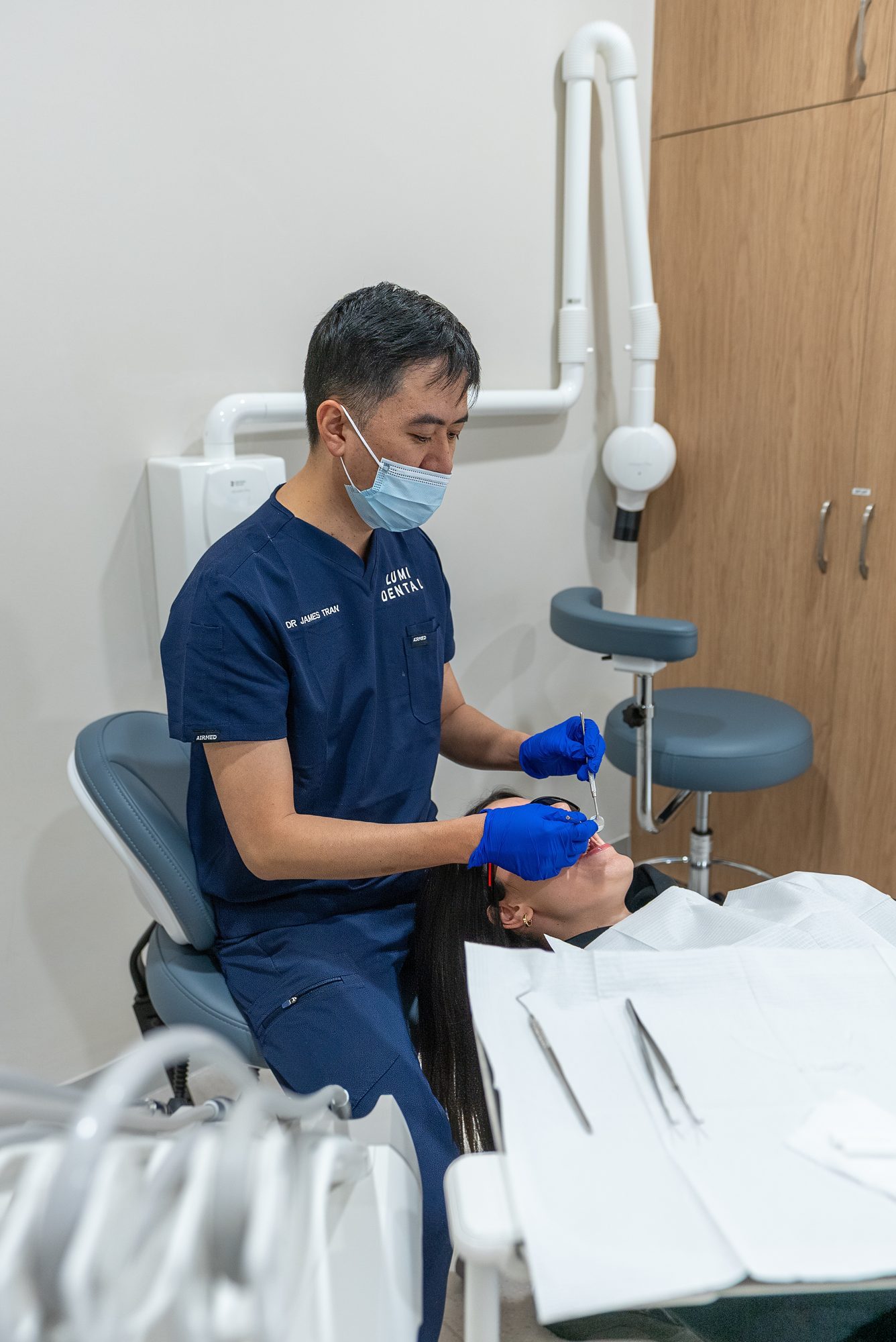
A narrative review in the Journal of International Medical Research cites a systematic review estimating that around 65% of people with EDS have signs of a temporomandibular disorder, with hEDS most often affected. In one study of 38 people with EDS that it describes, 79% had subluxations, where the jaw slips partly out of place and back. The authors note that there are no long-term trials showing which treatments work.
HMSA explains that a lax jaw may slip forward out of its socket, leaving you unable to close your mouth. A jaw that will not close needs same-day care, and our emergency dentist page explains how to get it.
Straightening teeth and the jaw joint
Our article on whether orthodontic treatment causes or fixes TMJ sets out the general evidence. For hypermobility, the point is narrower: record the joints before you start, so any change is noticed early. If your jaw clicks, our guide to jaw clicking when you open your mouth explains when a click needs attention.
Why aligners may suit some people with hypermobility
HMSA's main advice for a lax jaw is to avoid opening very wide. Aligners have some practical points in their favour, though none has been tested in EDS.
- Records are usually taken with an intraoral scanner in short bursts, rather than with impression material held in a wide-open mouth.
- Check-ups are often brief, with less time holding the mouth open than fitting or adjusting brackets.
- Trays come out, so you can rest the jaw, eat normally and clean without working around wires.
- Mitakides and Tinkle note that the lining of the mouth is often fragile in EDS and appliances can cause sores. Smooth trays may be kinder to the cheeks.
Where aligners can work against a lax jaw
Seating the trays
Some plans use small foam chewies to bite trays home, and repeated hard biting can tire jaw muscles. If chewies make your jaw ache or click more, say so; finger pressure may be enough.
Elastics and bite changes
Some plans use small elastic bands between upper and lower teeth, which hold the lower jaw in a slightly different position. Discuss this before starting if your jaw subluxes. More complex bite corrections are referred to a registered specialist orthodontist.
Clenching on trays
Many people clench on aligners without noticing, which adds load to a joint that already works hard. Our article on clenching or grinding on clear aligners covers the signs and what helps.
Gums, attachments and enamel reshaping
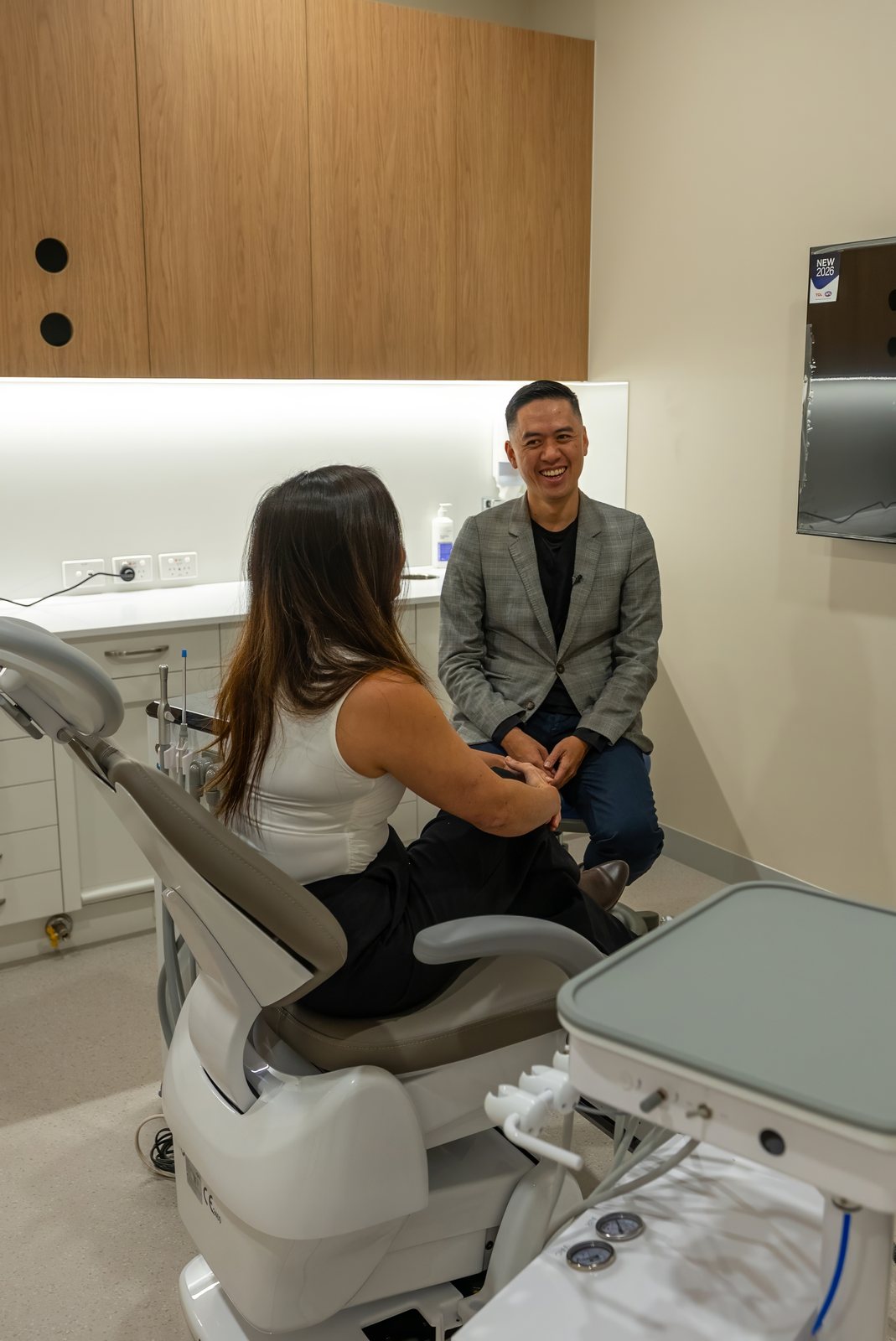
Most aligner plans bond small tooth-coloured attachments to some teeth so the trays can grip. Placing them means keeping the mouth open and dry, so I usually build in breaks for anyone whose jaw tires.
Some plans include interproximal reduction, where a little enamel is polished from between teeth to create space. Where gums bruise easily or have receded, it is reasonable to plan less of it and record gum levels at the start. HMSA notes that for most people with EDS the gums are not specifically affected, so daily plaque control matters most.
Local anaesthetic is rarely needed for aligners. If extractions are planned, our EDS article above explains why numbing can work less well in some people.
Retainers: fixed, removable and for how long
Retention is where hypermobility changes the plan most. Mitakides and Tinkle describe lifelong retention as a necessity in EDS, and HMSA notes an appliance may be needed for many months afterwards. For most people, that points to a fixed wire bonded behind the front teeth plus a removable clear retainer worn at night, reviewed at every check-up.
Our article on fixed and removable retainers compares the two. Removable retainers only work while worn and can be worn through by clenching; a fixed wire needs careful cleaning underneath.
Periodontal EDS and vascular EDS
The NHS describes vascular EDS as a rare type, often considered the most serious, because fragile blood vessels and organs can tear. Mitakides and Tinkle note early-onset gum disease in several EDS types, especially the periodontal type. People with either can still have dental care, but tooth movement needs planning with their medical team and a registered specialist first. If you had gum disease unusually young, mention it.

How we approach this at Lumi Dental
At Lumi Dental, clear aligner treatment starts with an examination by a dentist, including the teeth, gums and jaw joints, and a 3D intraoral scan that also records the starting position of the teeth. The dentist asks about your type of EDS or HSD, past dislocations, jaw pain and any earlier orthodontic treatment, and builds in short visits and breaks. The oral health therapists help keep gums healthy during treatment. Lumi Dental offers clear aligners rather than braces, and complex bites, periodontal EDS or vascular EDS are referred to registered specialists. You can read more on our clear aligners page.
Questions patients ask
Can you get clear aligners if you have Ehlers-Danlos syndrome?
Often yes, particularly with hEDS or HSD. The jaw joints and gums are checked first, teeth are moved gently, and retention is planned for life. Periodontal and vascular EDS need specialist input first.
Do teeth move faster with hypermobility?
Reviews and case reports suggest they can move more readily and drift back sooner. The evidence is limited, so the usual response is gentler steps and closer checks.
Can aligners make my jaw dislocate?
Wearing trays does not usually load the joint much, but wide opening during long visits, hard biting on chewies and some elastics can. Tell the dentist about past dislocations.
How long do I need to wear a retainer if I have EDS?
Plan on lifelong retention. A fixed wire plus a night-time removable retainer is common. Our article on whether teeth shift without a retainer explains why.
Are aligners better than braces with hypermobility?
They may suit some people because visits are shorter and trays come out, but the two have not been compared in EDS. You can talk it through at a free aligner consultation.
Thinking about clear aligners? Free aligner consultation in Melrose Park
If you have hEDS or HSD and are thinking about straightening your teeth, the team at Lumi Dental can check your teeth, gums and jaw joints and explain how a gentle plan with long-term retention would work. Book a free aligner consultation at Melrose Central in Melrose Park, or read about clear aligners at Lumi Dental. Patients visit from Ryde, Parramatta, Ermington and Rydalmere, and there is on-site parking.
Sources
- NHS: Ehlers-Danlos syndromes
- Hypermobility Syndromes Association: Dental health
- The Ehlers-Danlos Society (American Journal of Medical Genetics): Oral and mandibular manifestations in the Ehlers-Danlos syndromes
- PMC (Journal of International Medical Research): Temporomandibular disorders among Ehlers-Danlos syndromes, a narrative review
About the author
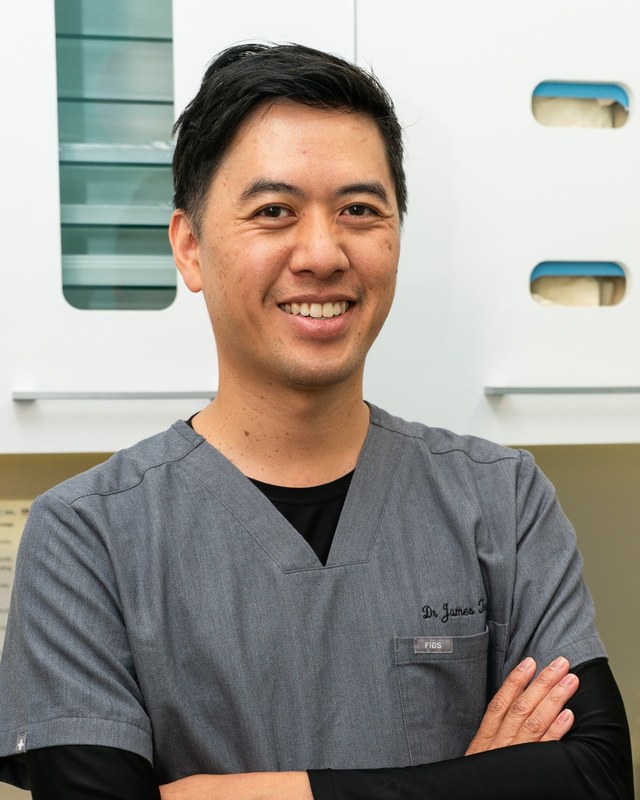
Dr James Tran is a general dentist at Lumi Dental in Melrose Park. He holds a BDent from the University of Sydney and a Graduate Diploma in Oral Implants, and is a Member of the International Congress of Oral Implantologists (MICOI).
This article is general information only and is not a substitute for an examination and individual advice from a registered dental practitioner. Suitability for any treatment varies from person to person.







