
Custom teeth whitening trays are thin, clear mouthguard-style trays made to fit your own teeth, which hold whitening gel against the enamel while you wear them at home. They are made from a model or digital scan of your mouth, so the gel stays on the teeth and away from most of the gum. Healthdirect describes custom-made trays as being created by a dental professional for at-home use, with advice on the right gel strength and how long and how often to wear them. In my experience, the fit of the tray matters as much as the gel inside it.
Written by Dr James Tran, general dentist at Lumi Dental in Melrose Park (BDent, University of Sydney; Graduate Diploma in Oral Implants).
The short version
- A custom tray is made to your teeth from an impression or a 3D scan, then used at home with dentist-supplied gel.
- The close fit keeps gel on the teeth and off the gums, which is the main advantage over a one-size tray from a kit.
- Gel strength and wear time are set by your dentist, and strong products are restricted by law to registered dental practitioners. See our guide to carbamide and hydrogen peroxide.
- Trays work gradually, often over one to a few weeks, and can be kept for occasional top-ups while they still fit.
- Mild sensitivity is common, and sore gums usually point to a fit or gel problem worth mentioning to your dentist.
- Trays do not change the colour of crowns, veneers or fillings.
What a custom whitening tray is
A whitening tray is a thin, flexible piece of clear plastic that covers the teeth you want to whiten, usually the upper and lower arches. It is different from a sports mouthguard and from the generic trays that come in a pharmacy kit. A custom tray is made on a copy of your own teeth, so the edge sits close to the gum line without pressing on it.
Some trays have a tiny space in front of each tooth, called a reservoir, to hold a little more gel. Others are made without. Either style can work, and your dentist chooses based on the gel, your tooth shape and how your gums look.
How a tray is made
Step 1: an examination first
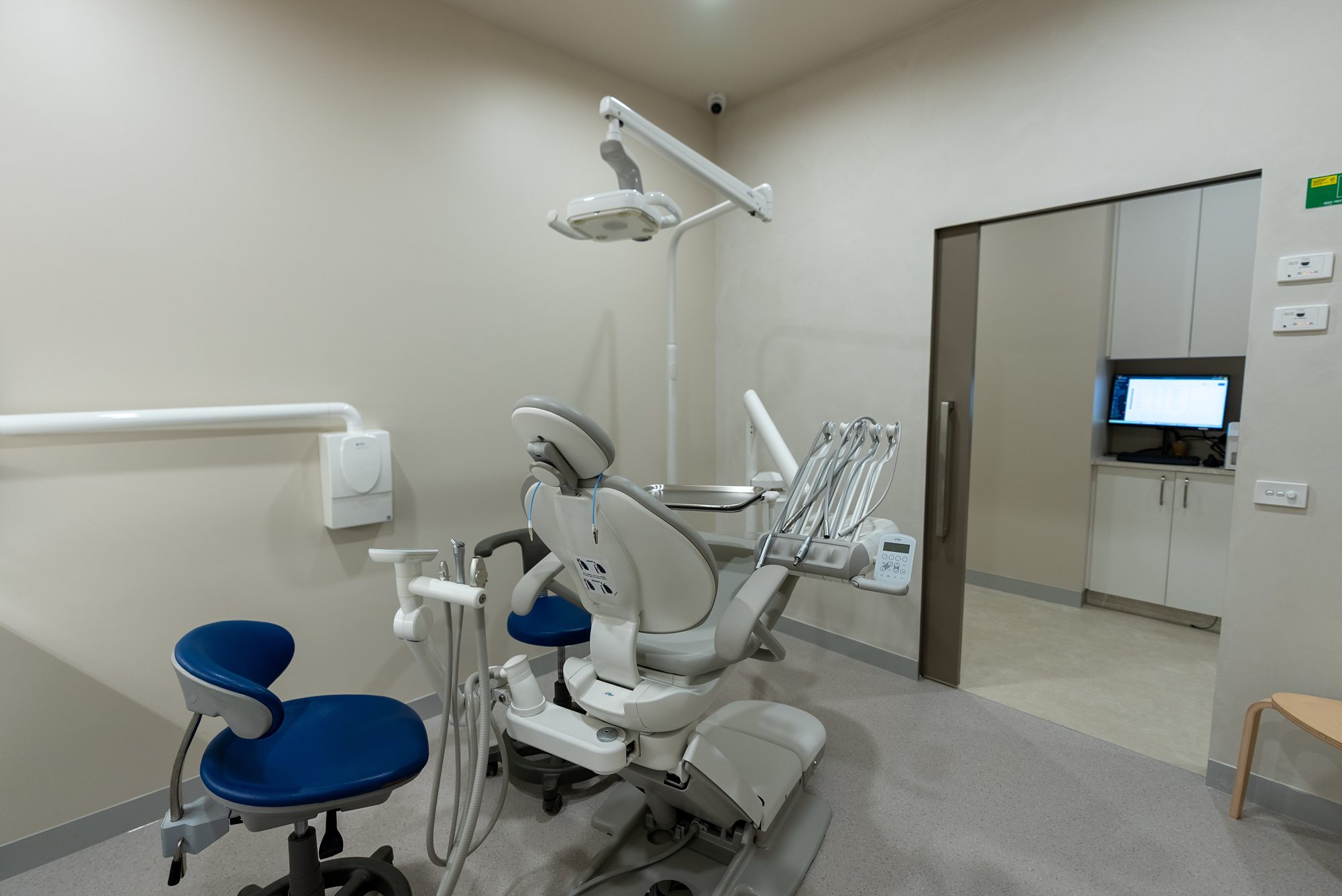
Before any gel is supplied, the dentist looks for decay, gum problems, cracked teeth and existing restorations. The Dental Board of Australia states that practitioners supplying products for home use must carry out an appropriate assessment and examination. That visit is where whitening can be ruled out for now, for example if a cavity needs treating first.
Step 2: a copy of your teeth
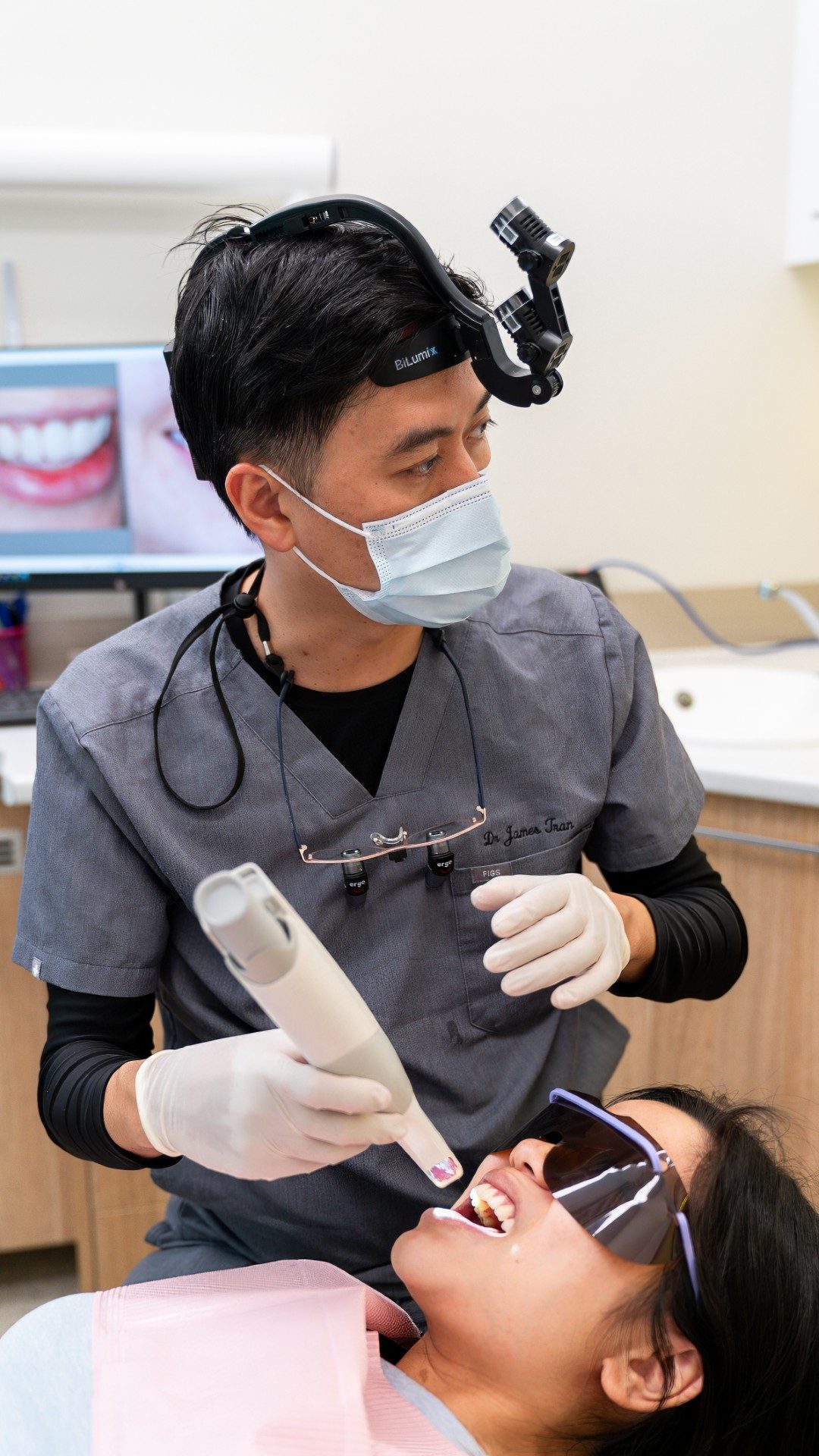
The copy is taken either with impression material or with a digital scan. A 3D intraoral scanner records the teeth with a small wand, with no tray of putty needed, which many people find more comfortable. The scan is then used to design the tray.
Step 3: forming the tray
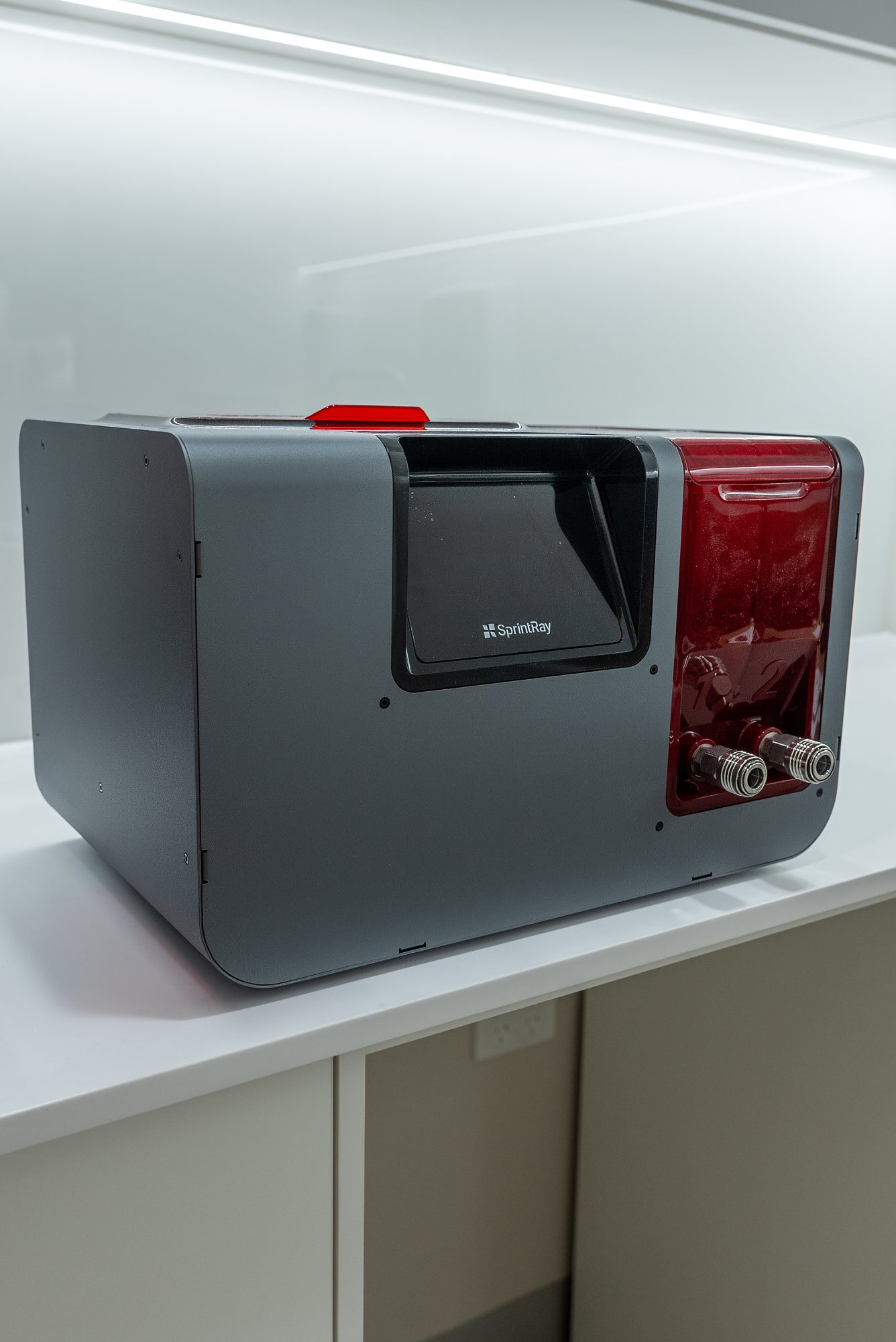
Traditionally a soft plastic sheet is heat-formed over a physical model. With a digital file, a model can be 3D printed and the sheet formed over it. The edges are trimmed so the tray fits closely and sits clear of the gum margin.
Step 4: a fitting and instructions
You try the tray, check how it feels, and are shown how much gel to place and how to clean up any excess. The dentist explains how long to wear it and what to do if you feel sensitivity.
How you use them at home
The routine is simple. Brush and floss, put a small bead of gel in each tooth space in the tray, seat it, wipe away any gel that squeezes onto the gum, and wear it for the time your dentist has set. Then rinse the tray and brush your teeth again. Different gels are used for different wear times, some for a short period each day and others for longer sessions, so follow the plan you are given and do not borrow another product's schedule.
Most people see change gradually over a number of days. Take-home whitening works more slowly than whitening done in the chair, which is why the two are often compared. Our guide to home and in-chair whitening sets out the differences, and our article on trays, strips and pens compares the home options side by side.
A simple rule for choosing trays
If you want a controlled, gradual result that you can top up later, and you are happy to commit a few minutes a day for a couple of weeks, custom trays are a sensible fit. If you want a visibly lighter result within a single appointment, in-chair whitening may suit better, and some people combine the two.
Custom trays compared with other options
| Option | Fit | Gel | Pace | Supervision |
|---|---|---|---|---|
| Custom tray from a dentist | Made to your teeth | Dentist-supplied, strength chosen for you | Gradual, over days to weeks | Examination and instructions included |
| Boil-and-bite or kit tray | Generic, may leak gel onto gums | Lower-strength, supplied with the kit | Gradual | None |
| Whitening strips | Flexible strip, may not cover all teeth evenly | Lower-strength, built in | Gradual | None |
| In-chair whitening | Gums protected by the dentist | Higher-strength, dentist applied | Visible change in one visit | Dentist present throughout |
The pattern I see in practice is that people who start with a poorly fitting kit tray often come in with sore gums, not better colour.
Sensitivity, gums and what to expect
Healthdirect lists sensitivity to cold and irritation of the lips, gums and tongue among the possible side effects of whitening, and advises seeing a dental professional if irritation lasts more than a day or two. With trays, sensitivity is usually mild and short-lived, and it can often be reduced by wearing the tray for less time, pausing for a day, or using a sensitivity toothpaste your dentist recommends. Our guide to whitening sensitivity and relief goes through the options.
If the tray edge is rubbing, if gel keeps spilling onto the gum, or if you notice white patches on the gum, stop and let the dentist adjust the tray. A fit problem is easy to fix and should not be put up with.
Looking after the trays
Rinse the tray in cool water after each use and brush it gently with a soft brush. Avoid hot water, which can distort the plastic. Store it in the case provided, away from pets and heat. A tray that is kept clean and intact usually remains useful for later top-ups, although it may need remaking if your teeth move, a filling changes or the plastic cracks.
How we approach this at Lumi Dental
The team at Lumi Dental offers teeth whitening, and has 3D intraoral scanning and 3D printing in-house. Whitening starts with an examination, so any decay, gum problems or restorations are dealt with first. Your dentist can explain which option suits you, whether that is trays at home, whitening in the chair or a mix, and what a realistic result looks like for your teeth. If whitening alone will not reach your goal, we can talk through composite bonding or veneers as alternatives.
Questions patients ask
How do custom teeth whitening trays work?
The tray holds peroxide gel against your teeth for a set time each day. The gel releases oxygen that breaks down coloured molecules in the enamel and dentine, and the close fit keeps it where it is needed.
How long do you wear whitening trays?
It depends on the gel and the plan your dentist gives you. Some regimens use a short daily wear time and others use longer sessions, so follow the instructions you are given and do not extend wear on your own.
Are custom trays better than whitening strips?
For many people they are more even and easier on the gums, because the tray is made to your teeth. Strips can suit short, low-commitment use but do not always cover every tooth surface evenly.
Can I use my whitening trays again later?
Often yes, if the tray still fits and your dentist agrees a top-up is suitable. Teeth can move slightly over time, and a tray that feels tight or loose should be checked. Our article on how long whitening lasts explains when colour typically fades.
Do whitening trays damage teeth?
When used as directed with dentist-supplied gel, they are a widely used method. Problems tend to come from overuse, poor fit or unsupervised strong products. Mild sensitivity is the most common effect.
Book a Whitening Consult at Lumi Dental
If you would like to know whether custom trays suit your teeth, the team at Lumi Dental in Melrose Park can examine your teeth and talk through the options. Book a complimentary cosmetic consult, or read more about teeth whitening at Lumi Dental. Patients visit from Ryde, Parramatta, Ermington, Rydalmere and nearby suburbs.
Sources
- healthdirect: Teeth whitening
- Dental Board of Australia: Teeth whitening products
- Australian Dental Association: Teeth Whitening Habits of Australian Adults
About the author
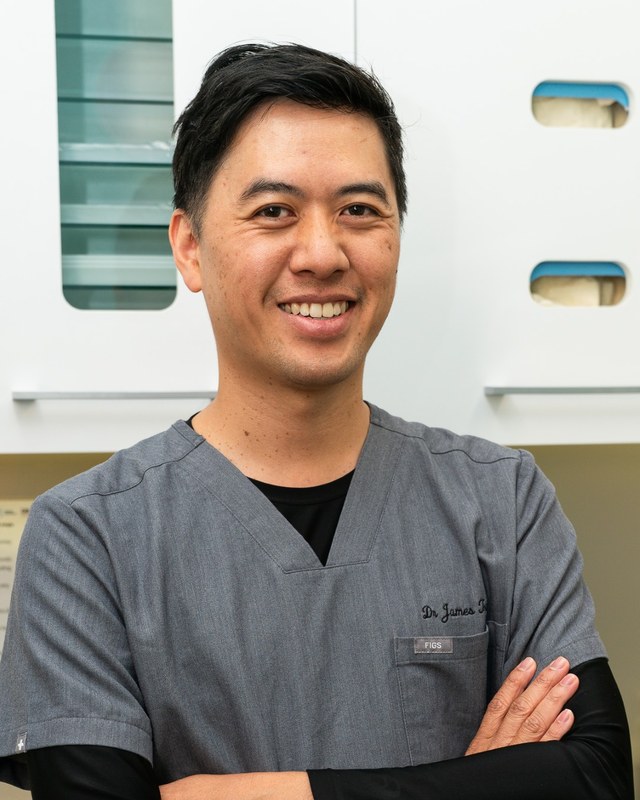
Dr James Tran is a general dentist at Lumi Dental in Melrose Park. He holds a BDent from the University of Sydney and a Graduate Diploma in Oral Implants, is a Member of the International Congress of Oral Implantologists (MICOI) and teaches on a General Dental Residency program.
This article is general information only and is not a substitute for an examination and individual advice from a registered dental practitioner. Suitability for any treatment varies from person to person.