



Home whitening kits and in-chair whitening both lighten teeth, but the cost, speed and safety differences between them are large enough that comparing them side by side is the only sensible way to choose. Pharmacy strips, dentist-supplied take-home trays and in-chair whitening sit at three very different points on the price and supervision spectrum, and each comes with its own trade-offs around sensitivity, how long results last, and how much of the process is actually monitored by a professional. This guide compares the general market costs and practical differences so you can weigh up which approach suits your teeth, your timeline and your budget, before booking anything.
Key takeaways
- Pharmacy whitening strips and gels are the cheapest option but usually deliver the mildest and least predictable results.
- Dentist-supplied take-home trays use a custom-fitted tray and professional-strength gel, offering a middle ground on cost, speed and supervision.
- In-chair whitening is the fastest option, completed in a single appointment under professional supervision.
- Sensitivity risk exists with all three methods, though it can usually be managed with the right products and professional guidance.
- How long results last depends on diet, staining habits and maintenance, not just which method was used originally.
- Never rely on Lumi Dental's own price without asking for a written quote, since individual case needs vary.
Pharmacy and home whitening kits
Over-the-counter whitening strips, gels and paint-on pens are widely available and generally the least expensive way to try whitening. They typically use a lower concentration of peroxide-based whitening agent than professional products, which is partly a safety measure since they are used without direct supervision. Results are usually modest, developing gradually over one to two weeks of daily use, and can be uneven if the strip or tray does not fit the teeth well.
The appeal is obvious: low upfront cost and no appointment required. The trade-off is that a generic, non-custom fit means the whitening gel can miss parts of the tooth surface, sit unevenly against the gum line, and cause more gum irritation than a properly fitted tray. There is also no professional check beforehand to confirm that whitening is appropriate for your teeth, for example if you have untreated decay, cracked teeth or old front fillings and crowns that will not lighten and can end up looking mismatched.
Dentist-supplied take-home trays
This option sits between the pharmacy kit and in-chair whitening. A dentist takes an impression or scan of your teeth to make custom-fitted trays, then supplies a professional-strength whitening gel to use at home, usually for a couple of hours a day or overnight over one to two weeks depending on the product and desired result. Because the tray is custom-made, the gel sits evenly against every tooth and stays away from the gums more reliably than a generic strip.
Take-home trays also come with a dental check beforehand, so any decay, gum disease or unsuitable restorations can be identified before you begin. This reduces the chance of an unpleasant surprise partway through, and the dentist can advise on realistic expectations for your specific shade of staining.
In-chair (in-surgery) whitening
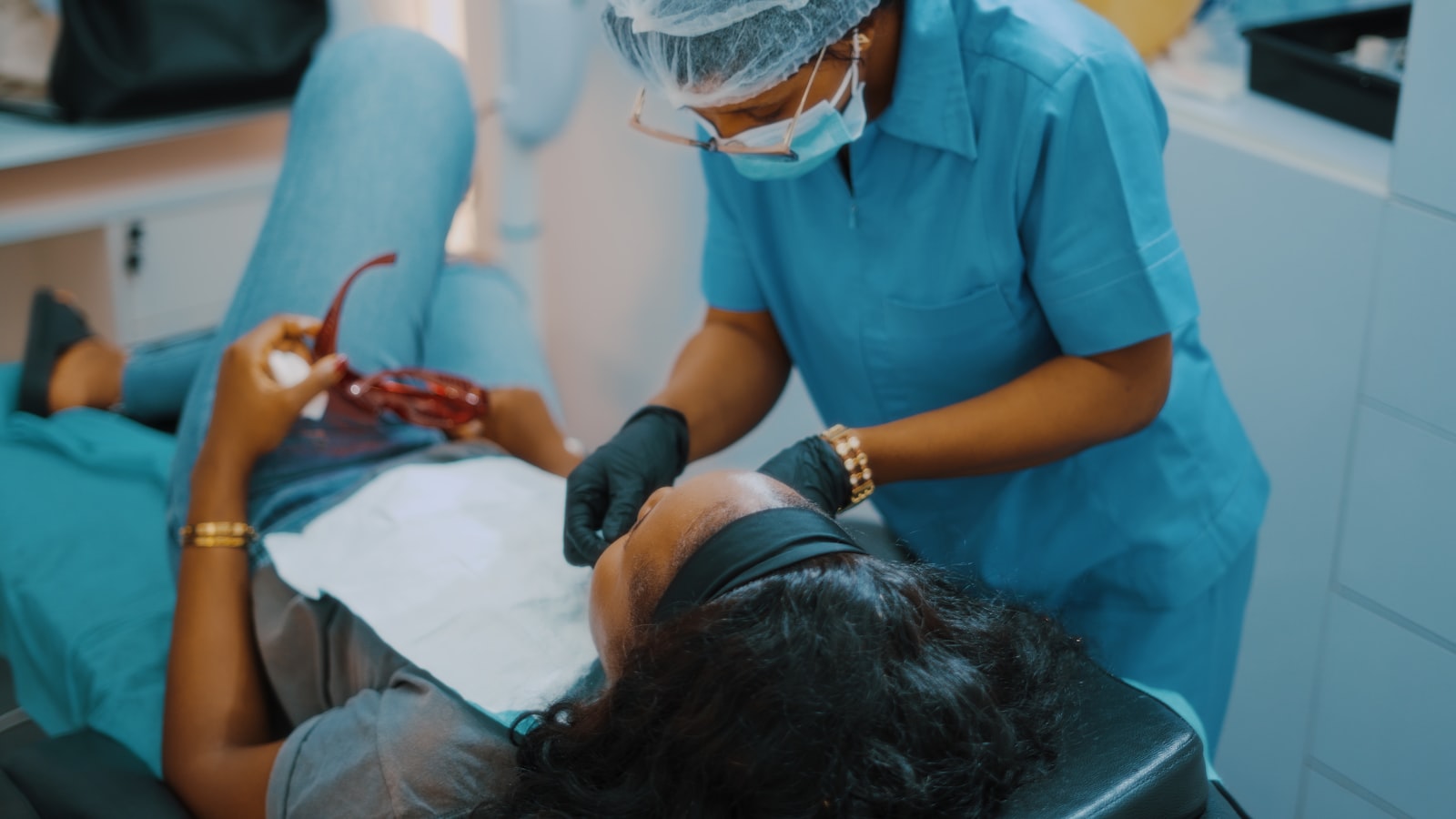
In-chair whitening is completed in a single visit, typically taking around an hour, using a higher-concentration whitening gel applied and monitored directly by a dental professional. Because it is supervised, a stronger product can be used safely, with the gums protected throughout the appointment. This is the fastest way to see a visible change, which appeals to people preparing for an event on a tight timeline.
Many providers also supply take-home trays alongside in-chair treatment, either to boost the initial result over the following days or to allow top-up whitening later. Combining both approaches is common and can improve how long the result lasts compared with a single in-chair session alone.
General market cost comparison
Costs vary depending on the product, the provider and your city, and the ranges below reflect the general Australian market rather than any specific practice's fees.
| Option | Typical cost range (AUD) | Time to result | Supervision |
|---|---|---|---|
| Pharmacy strips or gels | $20 to $100 | 1 to 2 weeks | None |
| Dentist-supplied take-home trays | $300 to $700 | 1 to 2 weeks | Initial check-up, then self-directed |
| In-chair whitening | $600 to $1,200 | Single appointment | Full professional supervision |
These figures are general guides only. For an accurate, written quote based on your teeth and goals, the team at Lumi Dental can assess your case and explain your options, rather than relying on a generic online estimate. Our article on informed financial consent and written quotes explains what a proper quote should include before you commit to any whitening plan.
Sensitivity risk and how it is managed
Tooth sensitivity is the most commonly reported side effect across all three whitening methods, and it happens because whitening gel can temporarily affect the outer layer of enamel and the nerve inside the tooth. Professionally supervised options generally manage this more effectively, since the dentist can adjust gel concentration, exposure time, or add desensitising products before and after treatment. Our detailed guide on teeth whitening sensitivity, its causes and relief options explains what to expect and how it is usually managed if it occurs.
How long results actually last
None of these methods produce a permanent result, because new staining builds up over time from food, drink, tobacco and normal ageing of the tooth. Coffee, tea, red wine and tobacco are common contributors to staining returning more quickly. Our article on how long teeth whitening results typically last covers realistic timeframes and simple habits that help maintain a brighter result for longer, regardless of which whitening method you start with.
Which option actually suits you
If you have looked into alternative approaches like charcoal powders, our evidence-based review of whether charcoal whitening actually works is worth reading before you consider it as a budget option. If budget is the main constraint and you are happy with a gradual, modest change, a pharmacy kit may be a reasonable starting point, provided your teeth and gums are otherwise healthy. If you want a more even, reliable result with a professional check beforehand, a take-home tray offers a useful middle ground. If you want the fastest visible change and are comfortable with a higher cost for a supervised single appointment, in-chair whitening tends to suit that goal best. In every case, a dental check-up before whitening is a sensible step, since untreated decay or gum disease should be addressed first.
Frequently asked questions
Is in-chair whitening safer than a pharmacy kit?
In-chair whitening is performed under direct professional supervision, which allows a stronger product to be used with the gums protected and the process monitored, generally making it a more controlled experience than an unsupervised pharmacy kit.
Can I combine take-home trays with in-chair whitening?
Yes, many people use take-home trays to maintain or extend the results of an in-chair session, and this combined approach is common practice.
Will whitening work on crowns, veneers or old fillings?
No, whitening products only lighten natural tooth enamel, so existing crowns, veneers and tooth-coloured fillings will not change colour and may look mismatched after your natural teeth whiten.
How much whiter can I expect my teeth to get?
Results vary between individuals depending on the original shade and the cause of staining, so a dental professional can give a more realistic expectation once they have assessed your teeth directly.
Is teeth whitening bad for enamel?
When used as directed and under appropriate supervision, whitening is generally considered safe for enamel, though overuse of any whitening product can increase sensitivity and should be avoided.
How often can I repeat whitening treatment?
This depends on the product and your individual sensitivity, so it is worth discussing a maintenance schedule with your dentist rather than repeating treatment on your own timeline.
Comparing your whitening options is easier with a professional opinion in the mix rather than guesswork. The team at Lumi Dental can talk you through which option suits your teeth and provide a written quote rather than a generic price. Visit our teeth whitening page to learn more, or check our current deals for what is available now.

