

Fixing a chip with composite bonding usually costs a fraction of what a porcelain veneer or crown would, and it is often finished in one visit. Across the Australian market, bonding typically runs from about $250 to $800 per tooth, compared with roughly $1,500 to $2,500 for a porcelain veneer. Where your repair falls in that range, and how much your health fund contributes, depends mostly on how big the chip is and why the work is being done.
Written by Dr James Tran, dentist at Lumi Dental.
Typical market prices, and what moves them
The figures below are general Australian market ranges to help you plan. They are not Lumi Dental fees, and a firm price is only possible once the tooth has been examined.
| Option for a chipped front tooth | Typical market range per tooth | Visits |
|---|---|---|
| Composite bonding | About $250 to $800 | Usually one |
| Porcelain veneer | About $1,500 to $2,500 | Usually two or more, with a laboratory |
| Crown | About $1,500 to $2,500 | Usually two or more |
Within the bonding range, the size of the repair matters most. Smoothing and building up a small corner takes less material and chair time than rebuilding a large part of the edge or closing a gap. Front teeth need careful shade matching and layering to look natural, which takes longer than a repair few people will see. The total also grows with the number of teeth, and if there is decay or an old filling under the chip, that has to be dealt with first.
Why the reason for the repair affects your rebate
Health funds generally look at why the bonding is being placed. Rebuilding a tooth that has broken or decayed is usually claimed as a filling, which many extras policies cover in part, subject to your limits and waiting periods. Adding composite to a healthy tooth purely to change its look is normally treated as cosmetic, and most funds do not contribute.
Asking for a written quote with item numbers lets you check with your fund before you commit. Our guide to how dental health insurance works in Australia explains extras cover in more detail. Health fund claims can be processed on the spot at Lumi Dental through HICAPS.
What happens in the chair
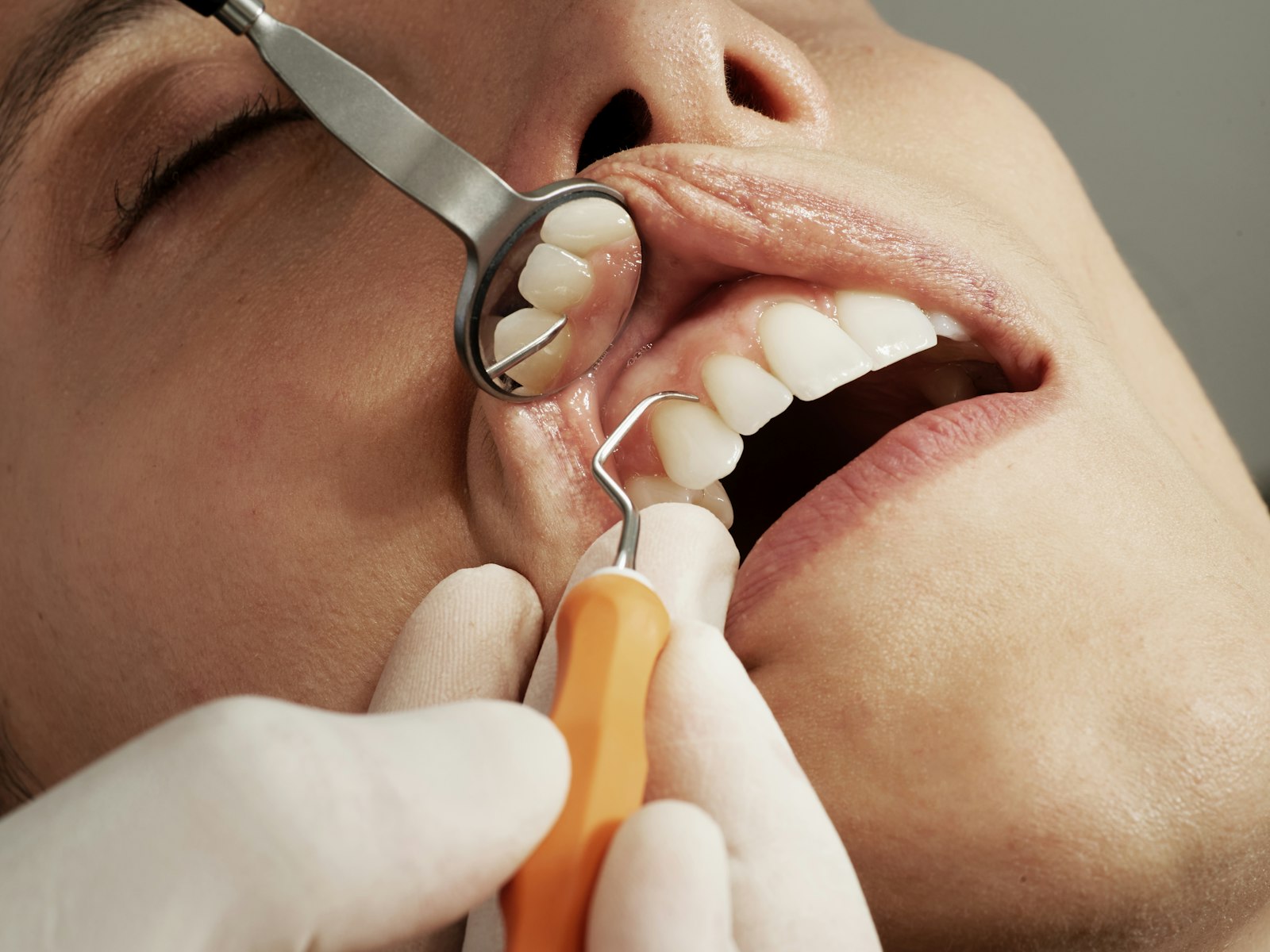
Bonding is built directly onto the tooth. A composite shade is chosen to match, the surface is lightly prepared so the resin can bond, and the material is added in layers, shaped and hardened with a curing light. Final shaping and polishing blend the edge into the rest of the tooth. There are no impressions to send away, and in most cases little or no natural tooth needs to be removed.
When the tooth itself is healthy, the appointment often needs no anaesthetic. If the chip has exposed decay or the tooth is sensitive, numbing may be used for that part. The material is the same composite used for white fillings, which is why our article on how long fillings last is relevant here too.

Long-term figures are better than many people expect
Composite is sometimes described as a short-term fix, but the research is more encouraging. A study that followed front-tooth bonding for fractured teeth and closed gaps in adults for an average of about seven years (Lempel and colleagues, Dental Materials, 2017) reported an overall survival rate of about 88% at up to 10 years, with an average annual failure rate of 1.43%. Chipping of the restoration was most common in the first year, and regular consumption of staining drinks was linked with discolouration.
A systematic review of front-tooth composite restorations (Demarco and colleagues, Dental Materials, 2015) found that annual failure rates in the included studies ranged from 0 to 4.1%, and that fracture of the tooth or the restoration was the most common reason a repair failed.
The practical upside is that a chipped or stained edge can usually be repaired or polished by adding more composite, without starting over.
When bonding is not the best repair
Bonding suits small to moderate chips, minor gaps and shape changes. It is a weaker choice when a large part of the tooth is missing, when the tooth has had a root canal and needs full coverage, or when heavy grinding puts the edges under constant load. In those situations a crown or veneer may serve better despite the higher cost. Porcelain also resists staining better than composite if colour stability is your main concern.
For a closer look at the trade-offs, see composite bonding versus veneers and our guide to repairing a chipped front tooth.
Keeping a bonded tooth looking right
Look after it like the rest of your teeth: brush twice a day with a soft brush, clean between teeth daily, and keep up regular check-ups so early wear is picked up. Rinsing with water after coffee, tea or red wine and not smoking help keep the colour even. Using your teeth to open packets or bite nails is one of the quickest ways to chip an edge, and if you grind at night, a guard protects the bonding.
One timing point matters. Whitening does not lighten composite, so if you would like your teeth lighter, whiten first and match the bonding to the new shade afterwards.
Questions about bonding a chip
Is bonding worth it for a small chip?
For many people it is good value: one visit, little or no drilling, and a repair that can be touched up later. For a large break or a tooth under heavy bite forces, a crown or veneer may last better. A consultation is the best way to weigh it for your tooth.
How is bonding different from a filling?
The material is the same. “Filling” usually means restoring decay or a fracture, and “bonding” usually means changing shape or appearance. That distinction is what most health funds use when deciding whether a rebate applies.
Will it match my other teeth?
Composite comes in many shades and levels of translucency, and careful layering and polishing help a front-tooth repair blend in. Composite can pick up stain over time, so the match is best maintained with regular polishing at check-ups.
Talk to us about your chipped tooth
Lumi Dental in Melrose Park offers a free consult for cosmetic treatment, where the dentist can look at the chip and explain your options. You will usually receive a written treatment plan, often by email. Book through our free cosmetic consult page or read more about composite bonding. This article is general information and not a substitute for personal dental advice.