

Dental implants are often still possible after bariatric surgery, but they are best planned once your weight and eating have settled and your blood tests for vitamin D, calcium, iron, vitamin B12 and protein are back in range. Bone changes after weight loss surgery are well documented: after gastric bypass, markers of bone breakdown have been shown to double in the first year, according to a clinical review on the NCBI Bookshelf. An implant needs bone to heal around it, so timing and nutrition matter as much as the surgery itself.
Written by Dr James Tran, BDent (University of Sydney), MICOI, GradDip (Oral Implants), general dentist at Lumi Dental in Melrose Park.
The short version
- A sleeve gastrectomy, gastric bypass or similar operation does not rule out dental implants. It changes what your dentist checks first.
- Bone density tends to fall after bariatric surgery, most consistently after gastric bypass, though a sleeve is not free of bone effects either.
- The evidence linking low vitamin D with early implant failure is mixed, but it is a simple blood test worth having on file.
- Pain relief after implant surgery follows your bariatric surgeon's advice, because anti-inflammatory medicines are often avoided after these operations.
- Tooth wear, reflux and supplements after surgery are covered in our article on bariatric surgery and your teeth; this one is about implants.
Why bariatric surgery matters to an implant plan
A dental implant is a small post placed in the jawbone. Over the following months, bone grows tightly against its surface, a process called osseointegration, and that bond lets the implant carry a crown. Our guide to how dental implants fuse to bone explains the biology.
Bariatric surgery can affect three things that bond relies on: the quality of the bone, the minerals and vitamins used to build new bone, and the protein needed to heal the gum over it. None of these rules out an implant; they are reasons to check your results before setting a date. Patients I see after weight loss surgery usually already have a surgeon, a dietitian and regular blood tests, so the dental plan simply fits into that care.
What happens to bone after weight loss surgery
Bypass and sleeve compared
The Endotext chapter on medical care after bariatric surgery describes all bariatric procedures as producing a high bone turnover state. It reports that the fall in bone mineral density has been seen most consistently after Roux-en-Y gastric bypass, but also after sleeve gastrectomy, and that fracture risk is higher after bariatric surgery.
A systematic review and meta-analysis by de Almeida and colleagues pooled nine studies with 473 participants. People who had a bypass had lower bone density than those who had a sleeve at 12 months, at the hip and spine, and at the hip again at 24 months.
What this means for the jaw
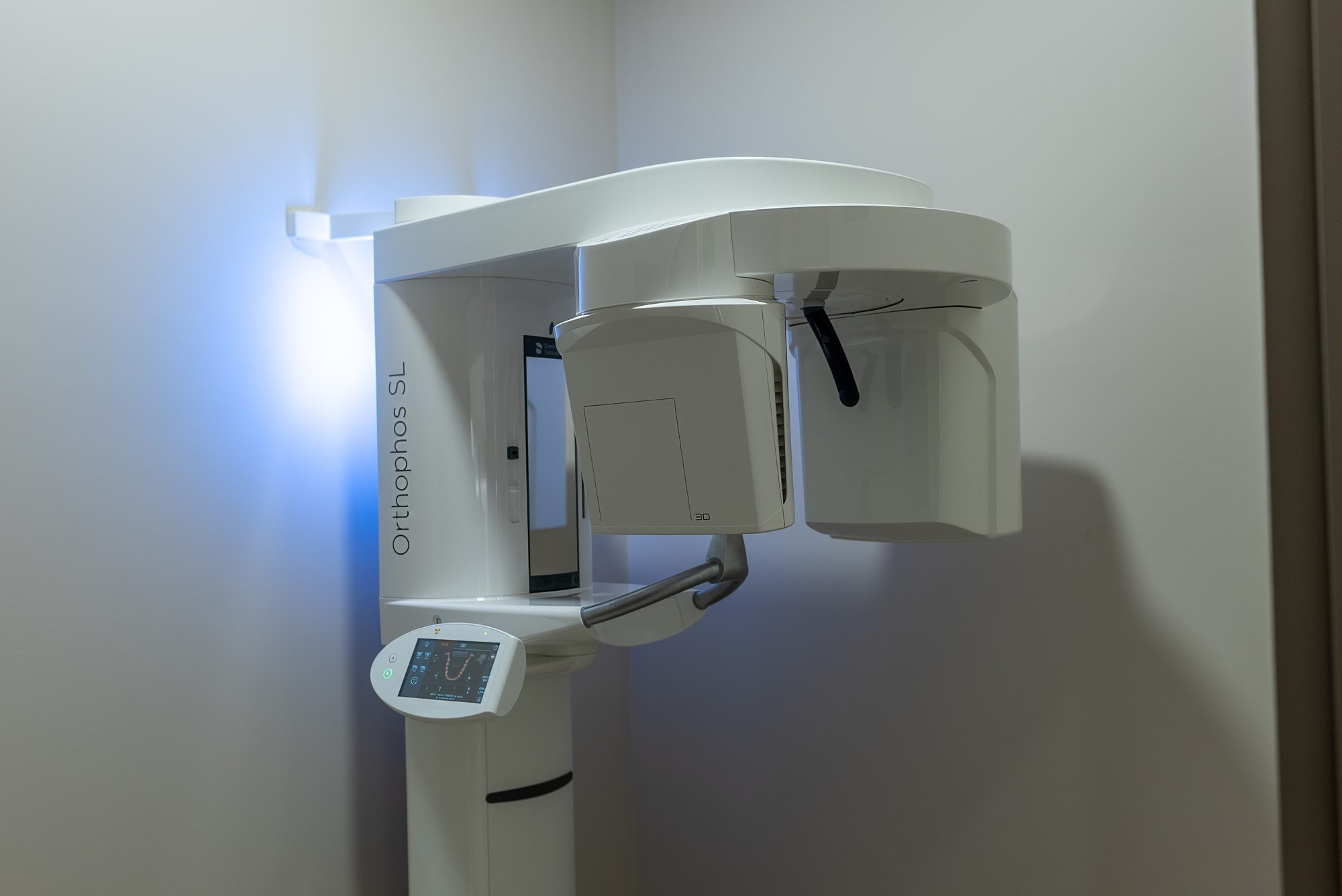
Hip and spine scans do not measure the jaw. One small Brazilian study compared dental X-rays of 11 women before and six months after bariatric surgery with 20 women without obesity. The surgical group showed more bone loss around the teeth at six months, and a sparser inner bone pattern. It is a very small study, but it supports checking the bone carefully. That check is a 3D X-ray, which shows the height, width and density of bone where the implant would go.
Vitamin D, calcium and protein: the healing side
Vitamin D and calcium
The Endotext chapter states that calcium and vitamin D supplements are needed after any bariatric procedure, because calcium absorption falls after both bypass and sleeve surgery. It suggests checking vitamin D, calcium and parathyroid hormone, along with iron, vitamin B12 and folate, at 6, 12, 18 and 24 months and then once a year.
Whether low vitamin D directly causes implants to fail is less certain. A systematic review in Cureus found only six human studies on low vitamin D and early implant failure, with inconsistent results, and concluded that a direct cause could not be shown. My reading is that it is not a reason to fear an implant, but it is a reason to have a recent result in range. Our article on vitamin D deficiency and oral health covers the wider mouth effects.
Protein, iron and B12
Gum and bone repair use protein as raw material, and protein targets can be hard to reach while the stomach holds less. The same chapter lists higher protein intake among the measures that may help protect bone after surgery. Low iron or B12 also matters if sedation is planned.
The single rule: settle first, then plan the implant
If you are still in the rapid weight loss phase, start with your surgeon and dietitian, not the implant. If your weight has stabilised, your eating is settled and recent blood tests are in range, start with a normal implant assessment and ask your bariatric team for a short letter.
The Endotext chapter notes that after gastric bypass, the lowest weight is typically reached between 6 months and 2 years after surgery. In my experience, planning after that point is calmer, because the bone, gums and bite are no longer changing month to month.
| Where you are after surgery | What it can affect | Usual next step |
|---|---|---|
| Early months, rapid weight loss, soft diet | Protein intake and healing | Keep up routine dental care; plan implants later |
| Weight still falling or results out of range | Bone healing and recovery | Bariatric team first, then reassess |
| Weight stable, eating settled, results in range | Usually little extra risk on its own | Implant assessment with a 3D X-ray |
| Told you have low bone density | Bone quality and any bone medicine | Bring the scan result and a medicines list |
Eating, pain relief and reflux around implant surgery
Small meals already suit implant healing
Soft food and small mouthfuls protect an implant while it heals, and people who have had bariatric surgery are often well practised at this. If a temporary full-arch bridge is planned, our guide to eating with a provisional full-arch bridge, week by week sets out the stages.
Pain relief: your surgeon's advice applies
The Endotext chapter advises that anti-inflammatory medicines known as NSAIDs, such as ibuprofen, should be avoided after bariatric surgery because of the risk of ulcers in the stomach or at the join made during a bypass. Tell your dentist about your surgery well before the day. Your surgeon's advice on pain relief applies, and your dentist plans around it.
Reflux, remaining teeth and dentures
Reflux after surgery can wear the enamel of natural teeth next to an implant; our article on acid reflux and your teeth covers the dental side. A denture can also loosen as the face and gums change with weight loss, so an implant-retained option is easier to plan once that change has slowed.
What to bring to your implant consult
| Item | Why it helps | Who can provide it |
|---|---|---|
| Type and date of your operation | Bypass and sleeve affect bone and absorption differently | Your surgeon or discharge summary |
| Recent vitamin D, calcium and parathyroid hormone | Shows whether bone-building minerals are in range | Your GP or bariatric team |
| Iron studies, B12, folate and albumin | Affects healing and sedation planning | Your GP, dietitian or bariatric team |
| Any bone density scan result | Flags low bone density and any bone medicine | Your GP or endocrinologist |
| A full list of medicines and supplements | Pain relief, reflux and bone medicines all matter | Your pharmacist can print one |
If you have been prescribed a medicine for bone density, mention it clearly, because some of these change how jaw surgery is planned. Our article on dental implants after menopause covers that conversation.

How we approach this at Lumi Dental
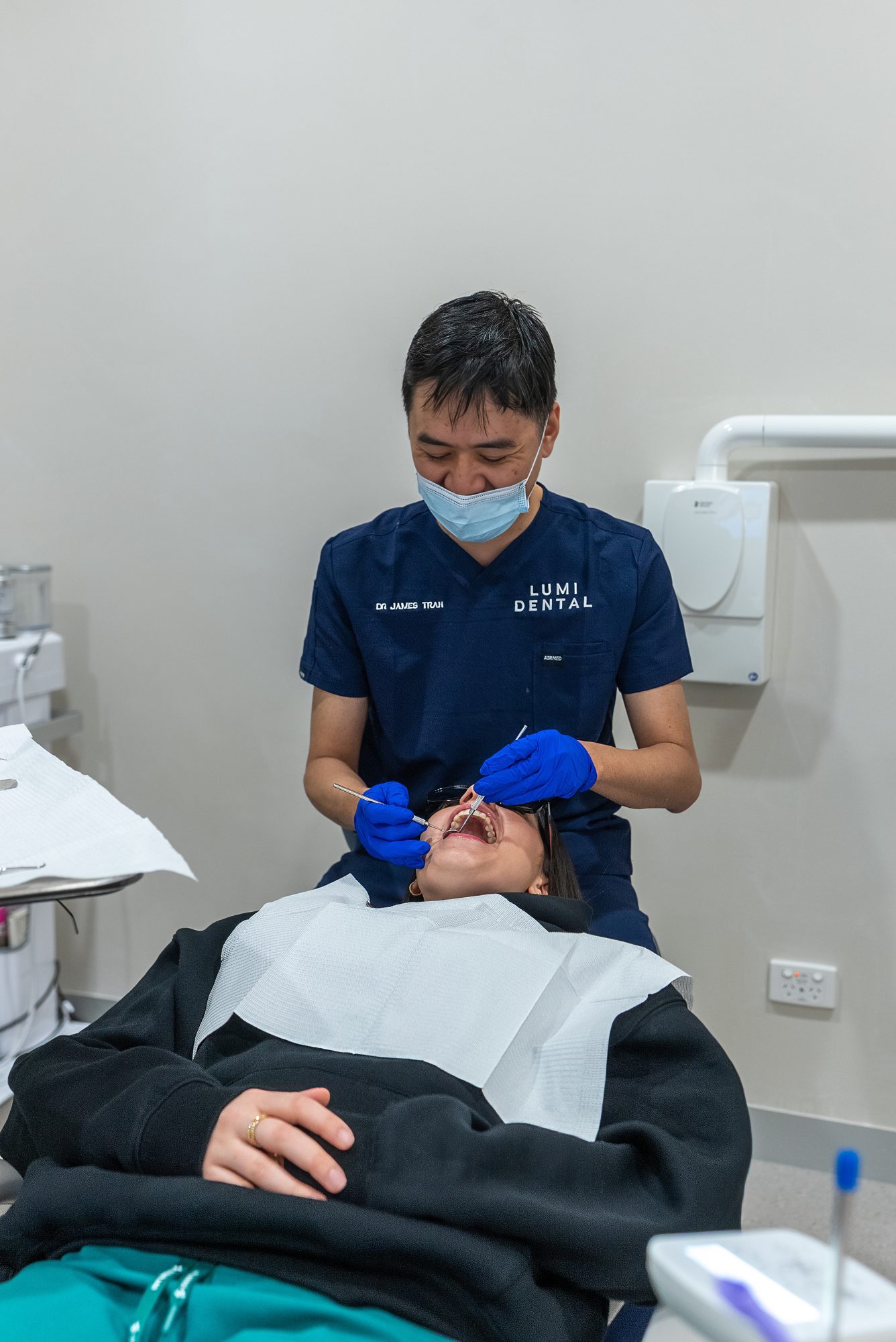
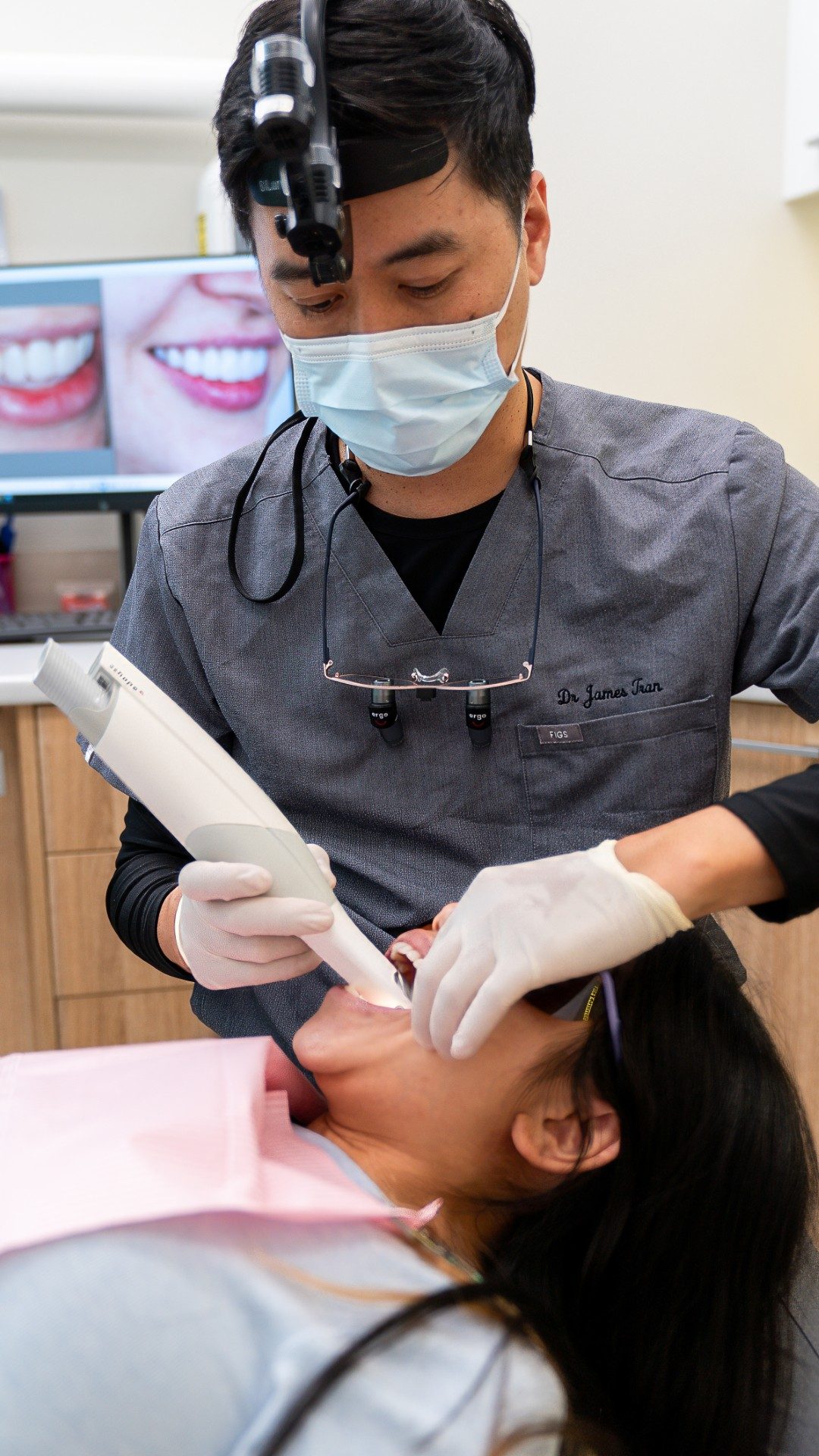
At Lumi Dental in Melrose Park, a dentist reviews your medical history, examines your mouth and takes a 3D X-ray in house to measure the bone. When results or advice are needed, the team at Lumi Dental writes to your GP or surgeon before planning surgery, and timing follows your bariatric care. Your medicines stay as your doctors prescribe them. IV sedation is available after medical review, and complex cases are referred to a registered specialist. Read more about All-on-X full-arch implants if several teeth need replacing.
Questions patients ask
How long after gastric sleeve surgery can I get dental implants?
There is no fixed waiting time. Most people do best once weight has stabilised and blood tests are back in range.
Does gastric bypass make dental implants fail?
There are no good studies measuring implant survival after bariatric surgery. Bone density does tend to fall after bypass, so the bone is checked on a 3D X-ray and nutrition is reviewed first. Lower bone density is a reason for careful planning, not an automatic no.
Can I take ibuprofen after implant surgery if I have had a bypass?
Ask your surgeon first. Anti-inflammatory medicines are often avoided after bariatric surgery because of ulcer risk, and your surgeon's advice on pain relief applies.
Should I get my vitamin D checked before an implant?
Yes, it is a sensible test to have on file. Research on vitamin D and early implant failure is mixed, but a result in range removes one question before surgery.
What will I be able to eat after implant surgery?
Soft, protein-rich foods in small amounts, which many bariatric patients already eat. Your dentist gives specific instructions; read more about dental implants in Melrose Park.
Considering an implant? Complimentary implant consult in Melrose Park
If you have had a sleeve gastrectomy, gastric bypass or a similar operation and are thinking about replacing a tooth, the team at Lumi Dental can review your results, take a 3D X-ray and work with your surgeon and GP on timing. Contact Lumi Dental to book a complimentary implant consult, or read more about dental implants at Lumi Dental. Patients visit from Ryde, Parramatta, Ermington and Rydalmere, with on-site parking at Melrose Central.
Sources
- Endotext, NCBI Bookshelf: Medical Management of the Post Operative Bariatric Surgery Patient
- Surgery for Obesity and Related Diseases (de Almeida PC and colleagues): Short-term effects of Roux-en-Y gastric bypass or gastric sleeve on bone mineral density and calciotropic hormones (PubMed)
- Arquivos Brasileiros de Cirurgia Digestiva (Vargas JA and colleagues): Alveolar bone pattern in obese and non-obese women before and after bariatric surgery (PubMed)
- Cureus: The Relationship Between Low Serum Vitamin D Level and Early Dental Implant Failure, a Systematic Review (PMC)
About the author

Dr James Tran is a general dentist at Lumi Dental in Melrose Park. He holds a BDent from the University of Sydney and a Graduate Diploma in Oral Implants, and is a Member of the International Congress of Oral Implantologists (MICOI).
This article is general information only and is not a substitute for an examination and individual advice from a registered dental practitioner. Suitability for any treatment varies from person to person.







