
Dental implants can be placed after head and neck radiotherapy, but the planning changes: irradiated bone heals more slowly, reported failure rates are higher than in non-irradiated bone, and the decision is made with your oncology team and usually a specialist oral and maxillofacial surgeon. Dental implants after head and neck radiotherapy are a conversation I have with patients who cannot tolerate a denture in a dry mouth and want to know whether implants are still possible. Cancer Council NSW notes that about 5 to 7 per cent of people who have radiation therapy to the head and neck develop osteoradionecrosis of the jaw, most commonly after dental work such as tooth removal, which is why this bone is treated with such care.
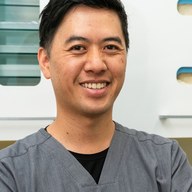
Written by Dr James Tran, BDent (University of Sydney), MICOI, GradDip (Oral Implants), general dentist at Lumi Dental in Melrose Park.
The short version
- Radiotherapy reduces the blood supply to the jaw, so it heals more slowly. Osteoradionecrosis (ORN), exposed bone that fails to heal, is the main surgical risk.
- Implants can still integrate. Pooled reviews report survival in irradiated jaws in the low 80s to low 90s per cent, against the mid 90s in non-irradiated bone, from studies rated as weak.
- Radiation dose at the implant site, grafted bone, smoking and combined chemoradiotherapy all appear to raise the risk of failure.
- Many clinicians wait at least 6 to 12 months after radiotherapy; one meta-analysis found more than 12 months beneficial. Oncology clearance comes first.
- Dry mouth makes conventional dentures hard to wear, which is one reason implant-retained options are considered at all.
- Dental clearance before radiotherapy is the best protection. Our guide to mouth care during radiotherapy for head and neck cancer covers that stage.
If you have had head and neck radiotherapy, start with oncology clearance and a 3D scan, not with an implant date
That is the rule the team at Lumi Dental works to. An implant in irradiated bone is not routine, and nobody should be given a surgery date before the radiotherapy records, a 3D X-ray and the treating oncologist's view are on the table. In my experience patients are relieved by this order, because it replaces guesswork with a plan.
What radiotherapy does to the jaw
Radiation therapy can damage the small blood vessels in the treated area, reducing the blood supply to the bone. Cancer Council NSW explains that occasionally the bone starts to die, leading to pain, infection and fractures, that this can occur months or years after treatment, most commonly after dental work, and that you should tell your dentist you have had radiation therapy before any treatment begins. Treatment for ORN may include antibiotics, other medicines or surgery.
The bone is not the only tissue that changes. Cancer Council NSW lists dry mouth, thick saliva, tooth decay and gum disease, and difficulty opening the mouth among the longer-term or permanent side effects. Each affects implant planning: decay risk rises, limited opening makes surgery and cleaning harder, and gum inflammation around an implant is harder to control. Our article on dry mouth and its treatment explains what can be done about saliva. This is also why dental clearance happens before radiotherapy: teeth with a poor outlook are removed while the bone still has its full blood supply.
What the research reports about implant survival after radiotherapy
The figures depend on the review, and all come with caveats. A meta-analysis in Clinical Oral Investigations pooled around 2,600 implants and reported survival of 97 per cent in non-irradiated patients against 91.9 per cent in irradiated patients, each after a little over 3 years on average. ORN occurred in around 3 per cent, which the authors describe as rare but serious, and radiation and grafting status were the main factors affecting survival.
An updated meta-analysis of more recent studies reported 85.6 per cent survival in irradiated patients versus 90.0 per cent in non-irradiated patients, with a higher failure risk in grafted bone and a higher risk again after combined radiochemotherapy; two of its studies identified smoking as a significant risk factor. An umbrella review of eleven systematic reviews reported 81.52 per cent in irradiated bone and 94.64 per cent in non-irradiated bone, while rating the quality of the included reviews as critically low. How an implant fuses to bone is covered in our guide to osseointegration.
Dose, site and timing
The reviews do not agree on a precise dose threshold. The updated meta-analysis found the dose above which survival falls was around 40 to 60 Gy across the studies it examined, whereas the Clinical Oral Investigations analysis found that an average dose above 60 Gy did not seem to influence outcome. What matters is the dose at the implant site, which can be much lower than the dose to the tumour, so the records are requested rather than assumed. Findings on the mandible versus the maxilla also conflict.
On timing, the Clinical Oral Investigations review found that waiting more than 12 months after irradiation seemed beneficial, and that hyperbaric oxygen before placement had a non-significant effect in pooled analysis. Hence the commonly quoted wait of at least 6 to 12 months, and hyperbaric oxygen discussed case by case rather than promised.
What changes after radiotherapy: a planning table
| Factor | Typical implant case | After head and neck radiotherapy | What it means for planning |
|---|---|---|---|
| Bone healing | Predictable over a few months | Slower, reduced blood supply | Longer healing, no early loading |
| Main surgical risk | Infection or failed integration | Osteoradionecrosis added | Specialist surgeon, oncology clearance, careful technique |
| Timing | Set by healing of the site | Often at least 6 to 12 months after radiotherapy | Date set with the oncology team |
| Radiation records | Not relevant | Dose at the implant site matters | Records requested first |
| Bone grafting | Often routine | Higher reported failure in grafted bone | Native bone preferred where possible |
| Saliva | Normal | Often reduced, long term | Fluoride, strict maintenance, easy-clean design |
| Smoking | Raises failure risk | Raises it further | Stopping before surgery is encouraged |
Why a dry mouth pushes some patients towards implants
Conventional dentures rely on a thin film of saliva to seal and glide. When radiotherapy has reduced that film, a denture can rub, lift and ulcerate, and many patients stop wearing it. Implant-retained overdentures, which clip onto two or more implants, do not depend on suction. That is the trade-off: a higher surgical risk against a mouth that may not function with the alternative. Our guide to implant-retained overdentures explains the difference. In my experience the deciding factor is rarely the implant itself; it is whether the patient can clean around it for years in a dry mouth, so fluoride and regular hygiene visits are part of the plan from the start.
How planning works, step by step
- Examination and history: the diagnosis, treatment dates, chemotherapy, smoking and any healing problems since.
- A letter to the treating oncologist requesting the radiotherapy dose and field and their view on implant surgery.
- A 3D X-ray (CBCT) to assess bone volume and quality against the radiation field.
- Gum health and decay control around any remaining teeth.
- Referral to a specialist oral and maxillofacial surgeon for the surgical opinion and, where it proceeds, the surgery itself, including any decision on antibiotics or hyperbaric oxygen.
- Restorative design that avoids grafting where possible, keeps components easy to clean and suits limited opening.
If any step raises a concern, the plan changes. Our article on who is and is not suited to dental implants sets out the other factors assessed at the same time.
How we approach this at Lumi Dental
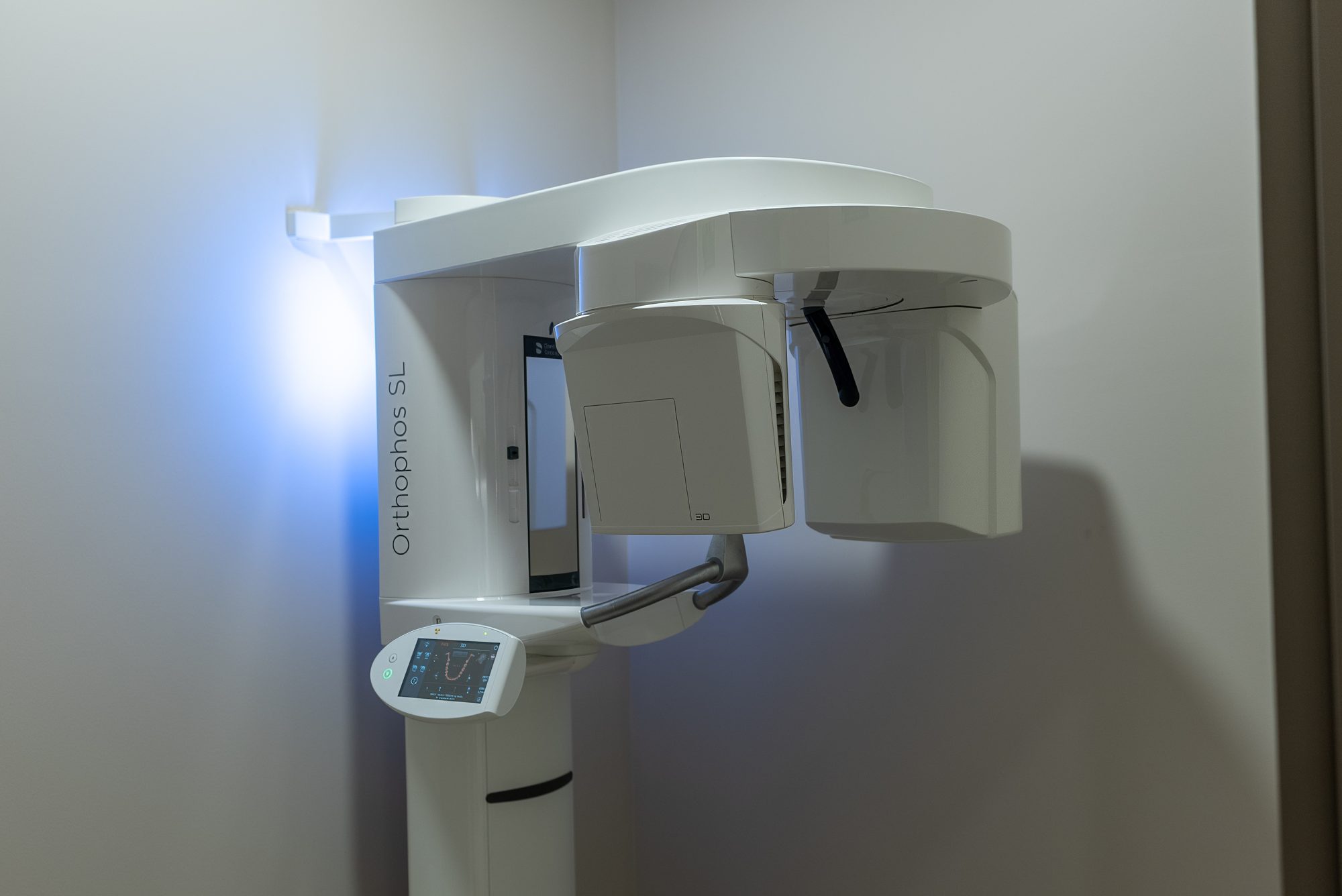
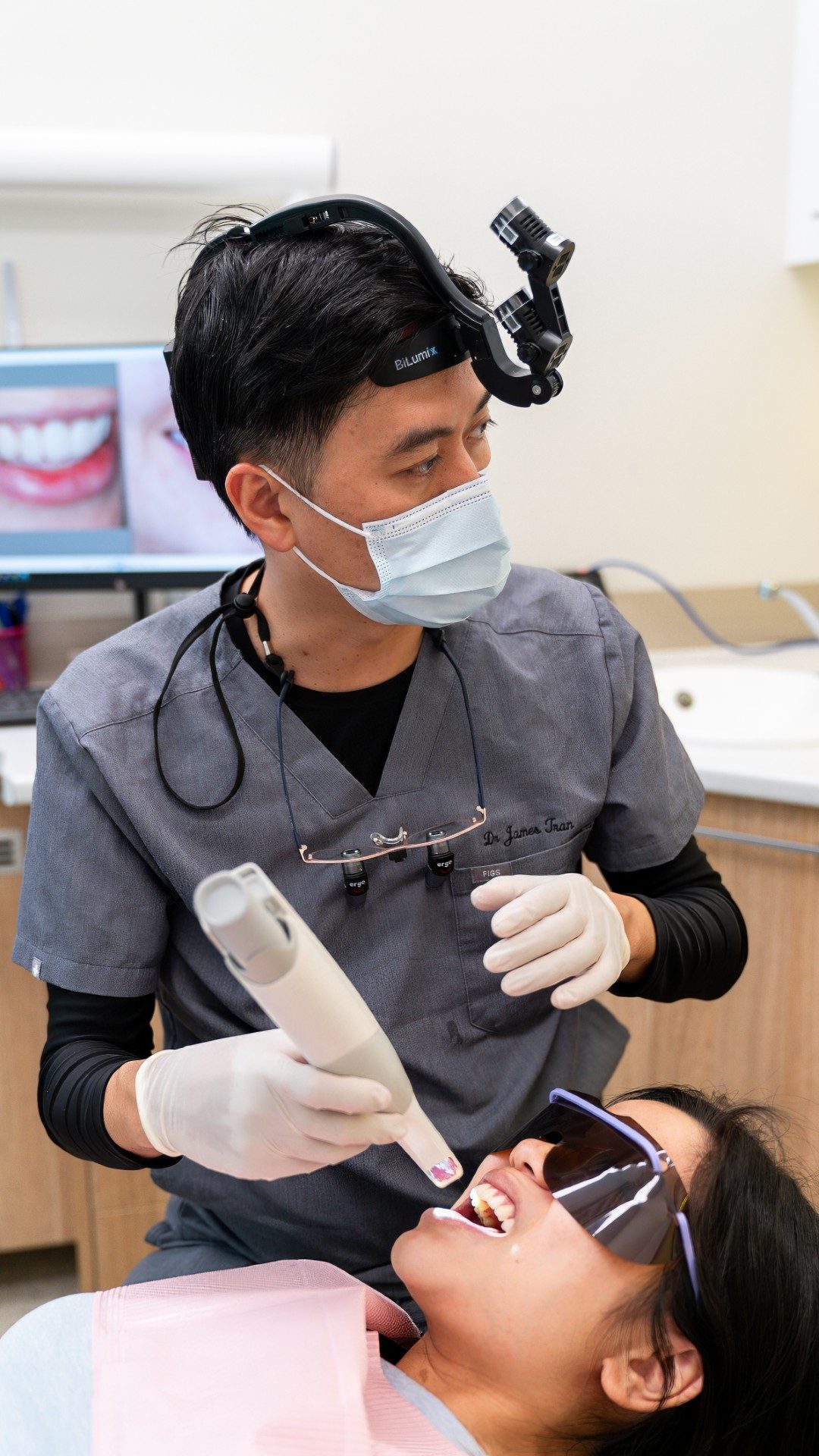
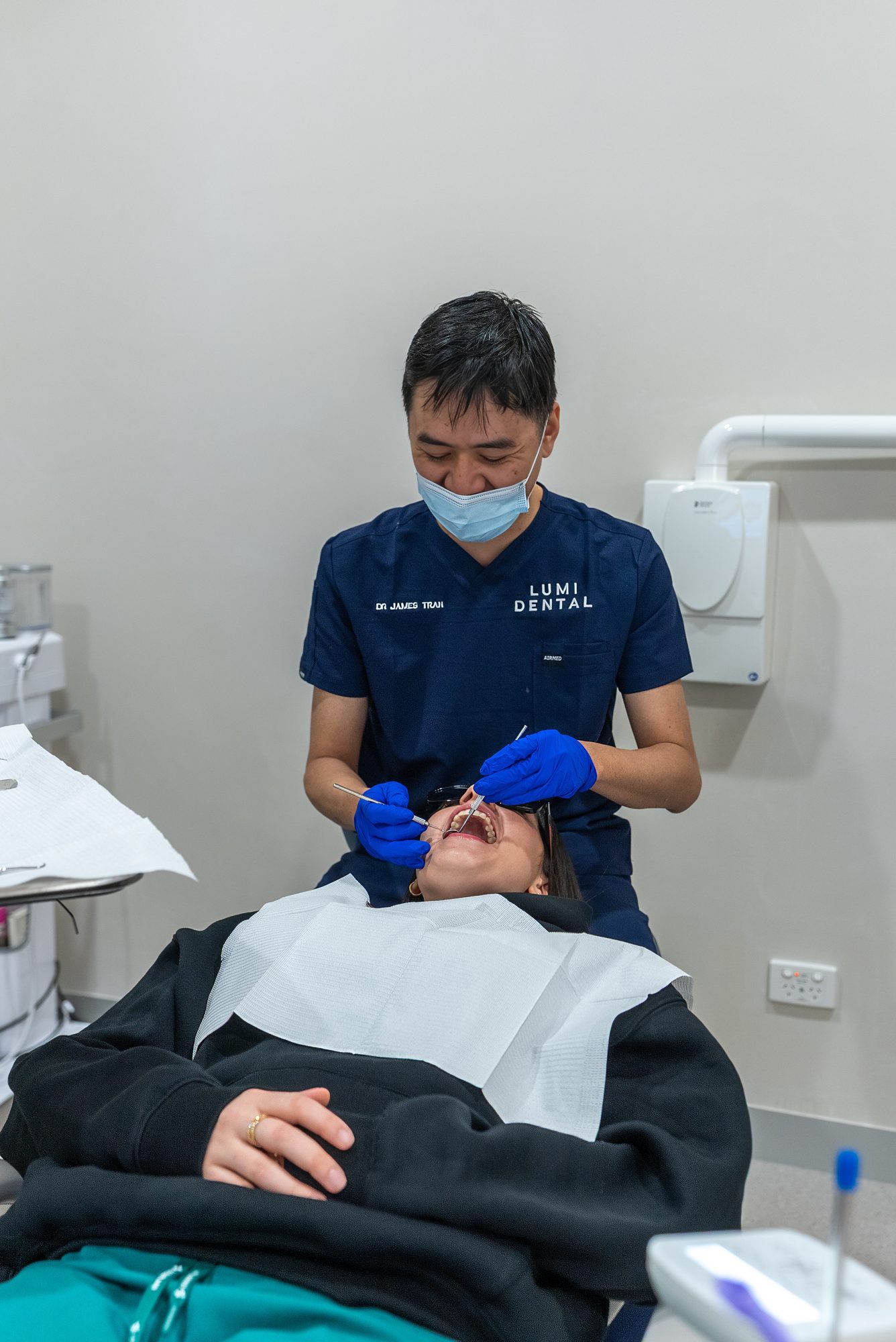
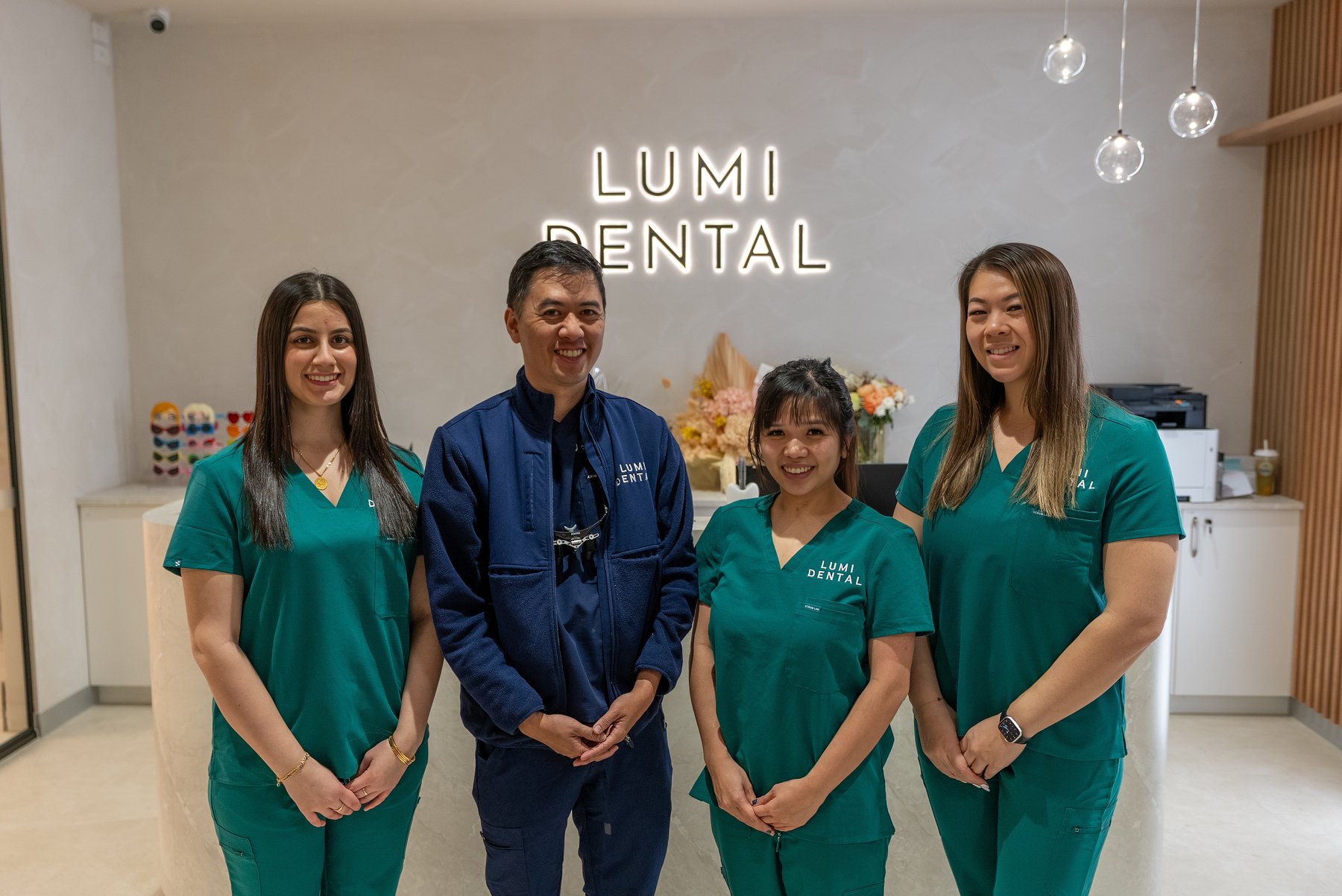
At Lumi Dental in Melrose Park, implant planning after head and neck radiotherapy starts with the oncology team's input, not with a surgery date. The examination, 3D intraoral scan and 3D X-ray (OPG and CBCT) are done in-house with the practice's imaging technology, the radiotherapy records are requested, and the case is referred to a specialist oral and maxillofacial surgeon for the surgical decision and placement. The restorative side, the crown, bridge or overdenture and its maintenance, is provided at Lumi Dental, with the hygiene team of oral health therapists supporting cleaning and fluoride around the implants. Lumi Dental does not provide general anaesthetic and refers where it is needed, though IV sedation is available at the practice.
Questions patients ask
Can you get dental implants after radiation therapy for head and neck cancer?
Often, yes, with more planning than usual. Reviews report that most implants placed in irradiated bone survived over the periods studied, while the failure rate is higher than in non-irradiated bone. Suitability depends on the dose to the site, time since treatment, smoking and your oncologist's view.
How long after radiotherapy can you have dental implants?
Many clinicians wait at least 6 to 12 months, and one meta-analysis found that waiting more than 12 months seemed beneficial. The date is set with the oncology team and the surgeon, taking the dose and tissue healing into account.
What is osteoradionecrosis, and how likely is it with implants?
Osteoradionecrosis is irradiated bone that fails to heal and becomes exposed, painful or infected. Cancer Council NSW puts the overall rate after head and neck radiotherapy at about 5 to 7 per cent, most often after tooth removal. In the Clinical Oral Investigations review, ORN occurred in around 3 per cent of irradiated implant patients.
Does hyperbaric oxygen help implants after radiotherapy?
The evidence is mixed. Cancer Council NSW notes that some people have hyperbaric oxygen to help bone heal, while one pooled analysis found no significant effect from hyperbaric oxygen before implant placement. Whether it is used is a decision for the specialist surgeon and the oncology team.
Are implants or dentures better after radiotherapy?
Neither is better for everyone. A denture avoids surgery but is often hard to wear in a dry mouth; implants carry surgical risk and need meticulous cleaning. Our guide to questions to ask at an implant consultation helps you weigh the two.
Implants after cancer treatment: complimentary implant consult in Melrose Park
If you have finished head and neck radiotherapy and are struggling with a denture, the team at Lumi Dental in Melrose Park can examine your mouth and coordinate with your oncology team and a specialist surgeon. Contact Lumi Dental to arrange a consultation, or read more about dental implants at Lumi Dental. Patients visit from Ryde, Parramatta, Ermington, Rydalmere and nearby suburbs.
Sources
- Cancer Council NSW: Side effects of radiation therapy (head and neck cancer)
- PMC (Clinical Oral Investigations): Survival of dental implants and occurrence of osteoradionecrosis in irradiated head and neck cancer patients
- PMC: Comprehensive update on implants in patients with head and neck cancer, meta-analysis
- PMC: Survival of dental implants in irradiated versus non-irradiated patients, an umbrella review
About the author
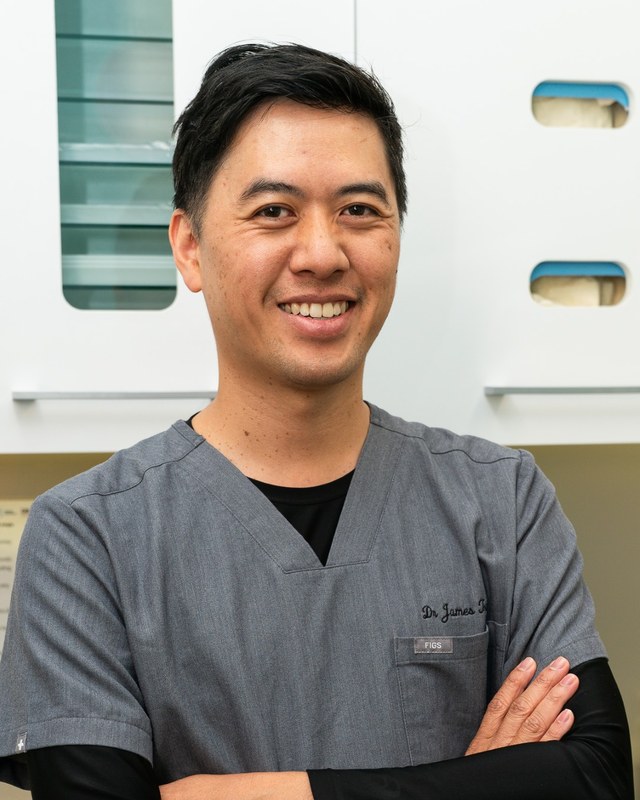
Dr James Tran is a general dentist at Lumi Dental in Melrose Park. He holds a BDent from the University of Sydney and a Graduate Diploma in Oral Implants, and is a Member of the International Congress of Oral Implantologists (MICOI).
This article is general information only and is not a substitute for an examination and individual advice from a registered dental practitioner. Suitability for any treatment varies from person to person.