
You can usually have dental implants if you grind your teeth, but the plan changes: the implant, the crown and the night guard are all chosen to cope with forces a natural tooth would have cushioned. Dental implants and teeth grinding are a workable combination when the grinding is managed and a poor one when it is ignored. A systematic review and meta-analysis of 15 studies found that bruxism was linked with higher implant failure in most of them, with a pooled odds ratio of around 4.7, and described bruxism as a probable risk factor for mechanical problems with implant crowns and bridges. Three of the 15 found no link, so the evidence is mixed, but it is enough to change how I plan.
Written by Dr James Tran, BDent (University of Sydney), MICOI, GradDip (Oral Implants), general dentist at Lumi Dental in Melrose Park.
The short version
- An implant has no periodontal ligament, so grinding forces reach the screw joint and bone without the cushioning or pain warning a tooth provides.
- The usual casualties are loose or broken abutment screws, chipped porcelain and worn crowns, and less often bone loss or a fractured implant.
- Planning changes: more or wider implants, no cantilevers, shorter screw-retained crowns, tougher biting surfaces and a lighter bite.
- A custom night guard, made after the final crown and replaced when worn, is part of the treatment.
- Managing the grinding itself, including stress, sleep and sometimes a sleep study, is part of the plan.
- Grinding alone rarely rules someone out. Our guide to who is and is not suitable for implants covers the factors that do.
Why an implant copes with grinding differently from a tooth
A natural tooth sits in a sling of fibres called the periodontal ligament. The ligament lets the tooth move a fraction under load, spreads force into the bone and carries nerve endings that sense pressure. Clench hard on a tooth and it gets tender, so the jaw muscles ease off.
An implant is fused directly to bone. There is no ligament, no give and far less feedback. Grinding forces, which are larger and last longer than chewing forces, pass straight through the crown, the abutment screw and the implant body into the bone. Nothing warns you and nothing absorbs the shock. Healthdirect notes that around three months of healing is needed for bone to grow around an implant, and in a grinder that bond then carries loads it was never designed for.
What tends to go wrong
Loose or fractured abutment screws
The screw that holds the crown to the implant is the weak link by design. Repeated sideways loading works it loose; a loose screw then bends and can snap. A crown that feels high, rocks or clicks is often a loosening screw. Our article on why an implant feels loose explains how to tell a loose screw from a failing implant.
Chipped porcelain and worn crowns
Layered porcelain chips when it meets an opposing tooth thousands of times a night. The meta-analysis above noted one large series in which bruxism raised the risk of screw fracture, implant fracture and ceramic chipping. Monolithic materials wear rather than flake, which is one reason material choice changes for grinders.
Overload and bone loss around the implant
Sustained overload is thought to contribute to bone loss at the implant neck, especially when gum inflammation is also present. The evidence is weaker here, so overload is something to design out.
Implant fracture
Rare, but it happens, most often in narrow implants carrying long crowns or cantilevers in heavy grinders, and it usually means removal. The signs of implant failure post describes what to watch for.
How planning changes when you grind
These are the usual implant decisions with the dial turned towards strength.
- More or wider implants. Two implants for three missing teeth rather than a long bridge on two; a wider implant where bone allows.
- No cantilevers. A crown hanging off the side of an implant is a lever, and grinders break levers.
- Shorter crowns. A tall crown multiplies sideways force at the screw. Grafting to allow a shorter crown is sometimes the safer route.
- Screw-retained crowns. A crown that can be unscrewed lets a loose or broken screw be replaced in a short visit instead of cutting the crown off. Our comparison of screw-retained and cement-retained crowns covers the trade-offs.
- Tougher biting surfaces. Monolithic zirconia or a metal occlusal surface on back teeth instead of layered porcelain.
- A protective bite. The implant crown touches lightly when closed and drops out of contact when the jaw slides sideways, so natural teeth guide those movements.
- Sometimes a longer wait before loading. In a heavy grinder I may leave an implant unloaded beyond the usual healing period, or fit a temporary crown out of the bite first.
The night guard is not optional
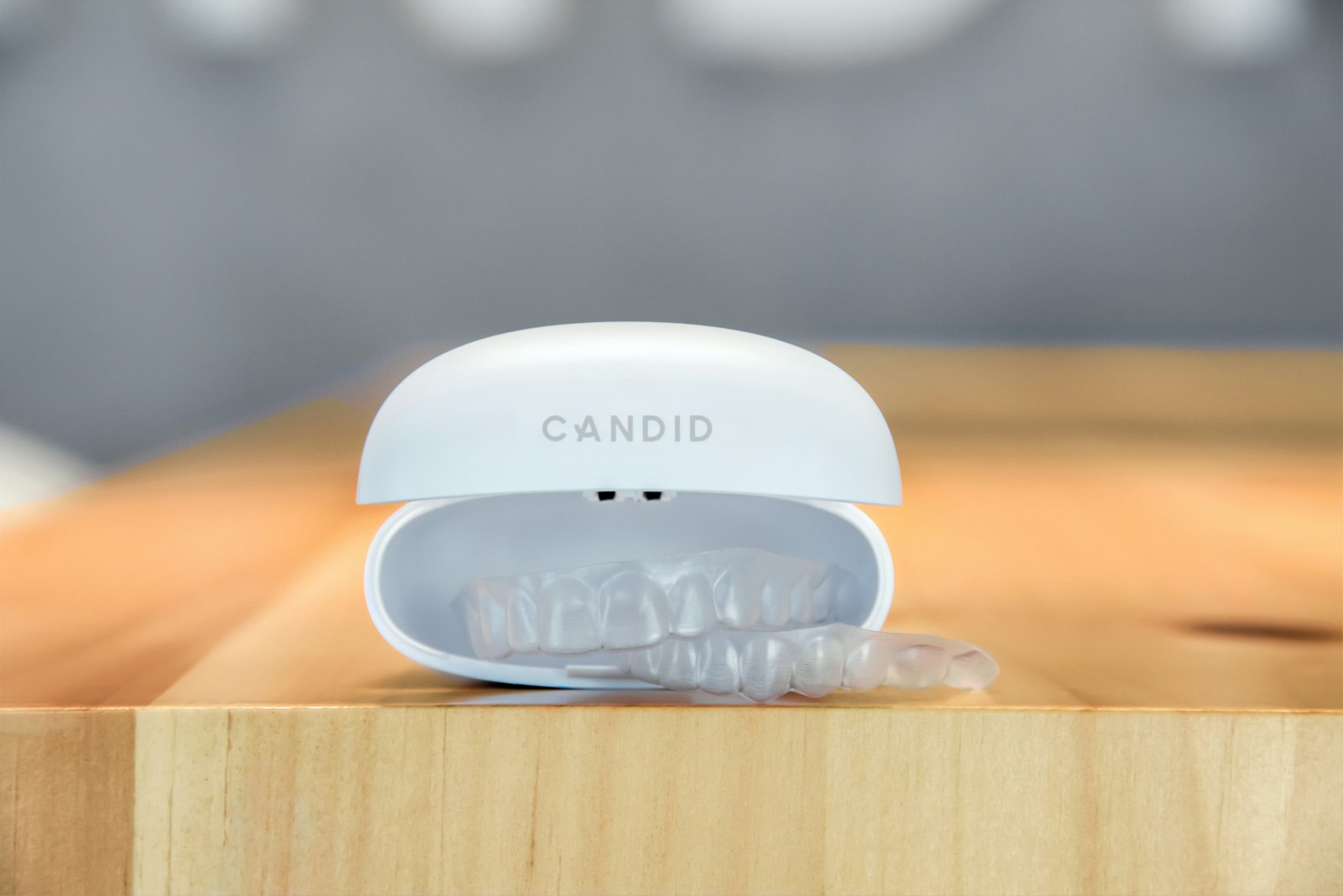
Better Health Channel puts it plainly: a bite splint protects the teeth but will not usually stop you grinding. For an implant patient that is the point. The guard takes the load so the screw joint and porcelain do not.
The guard should be custom made, hard or hard-soft, and made after the final crown is fitted, because its fit depends on the final shape of your teeth. Boil-and-bite guards are soft and, in my experience, some patients chew on them harder. The guard is checked at each review and replaced when it wears through or cracks. Our night guard guide covers types and care.
Grinding does not rule out implants; unmanaged grinding does
That is the rule I apply. A patient who accepts a night guard, keeps review appointments and works on the grinding itself is usually a reasonable implant candidate. A patient who has broken several natural teeth and will not wear a guard is a poor one, however good the bone looks.
Managing the grinding is part of the treatment. Healthdirect lists stress, anxiety, smoking, alcohol, caffeine, snoring and some medicines among the triggers, and advises that a dentist who suspects sleep bruxism may refer you to a doctor to be checked for sleep apnoea. A sleep study is worth doing before a large implant case if the history points that way.
| Risk | Why it happens with grinding | How it is managed |
|---|---|---|
| Abutment screw loosening or fracture | Repeated sideways loading fatigues the screw joint | Screw-retained crown, correct tightening, light bite, night guard, screw checked at reviews |
| Porcelain chipping | Layered ceramic flakes under night-time contact | Monolithic zirconia or metal biting surface, protective bite, night guard |
| Worn or cracked crown | Years of grinding wear through any material | Tougher material, shorter crown, crown replaced when worn |
| Bone loss from overload | Force concentrates at the implant neck with no ligament to spread it | Wider or additional implants, no cantilevers, strict gum health, X-ray review |
| Implant fracture | Narrow implant plus long crown or cantilever in a heavy grinder | Wider implant, shorter crown, no cantilever, night guard |
| Full-arch bridge wear or fracture | Whole arch loaded every night | Zirconia or well-supported acrylic, guard over the bridge, regular review |
Reviews, and the signs to come in early
Implant patients who grind are reviewed more often, typically every six months, with the crown, screw, guard and gums checked and an X-ray taken when something looks different. Come in early if the crown feels high, moves, clicks or chips, if the guard has cracked, or if the gum around the implant is sore. A loose screw caught early is a short appointment; left for months it can strip the implant's internal thread.
Full-arch patients who grind
Replacing a whole arch follows the same logic at larger scale. Acrylic bridges wear and can fracture under grinding; zirconia resists wear but passes more force to the implants and opposing teeth. The one full-arch study in the meta-analysis found no link between bruxism and mechanical complications in metal-acrylic bridges, so the picture is mixed. Either way, a guard over the bridge and regular review are standard. Our comparison of zirconia and acrylic full-arch bridges sets out the differences.
How we approach this at Lumi Dental
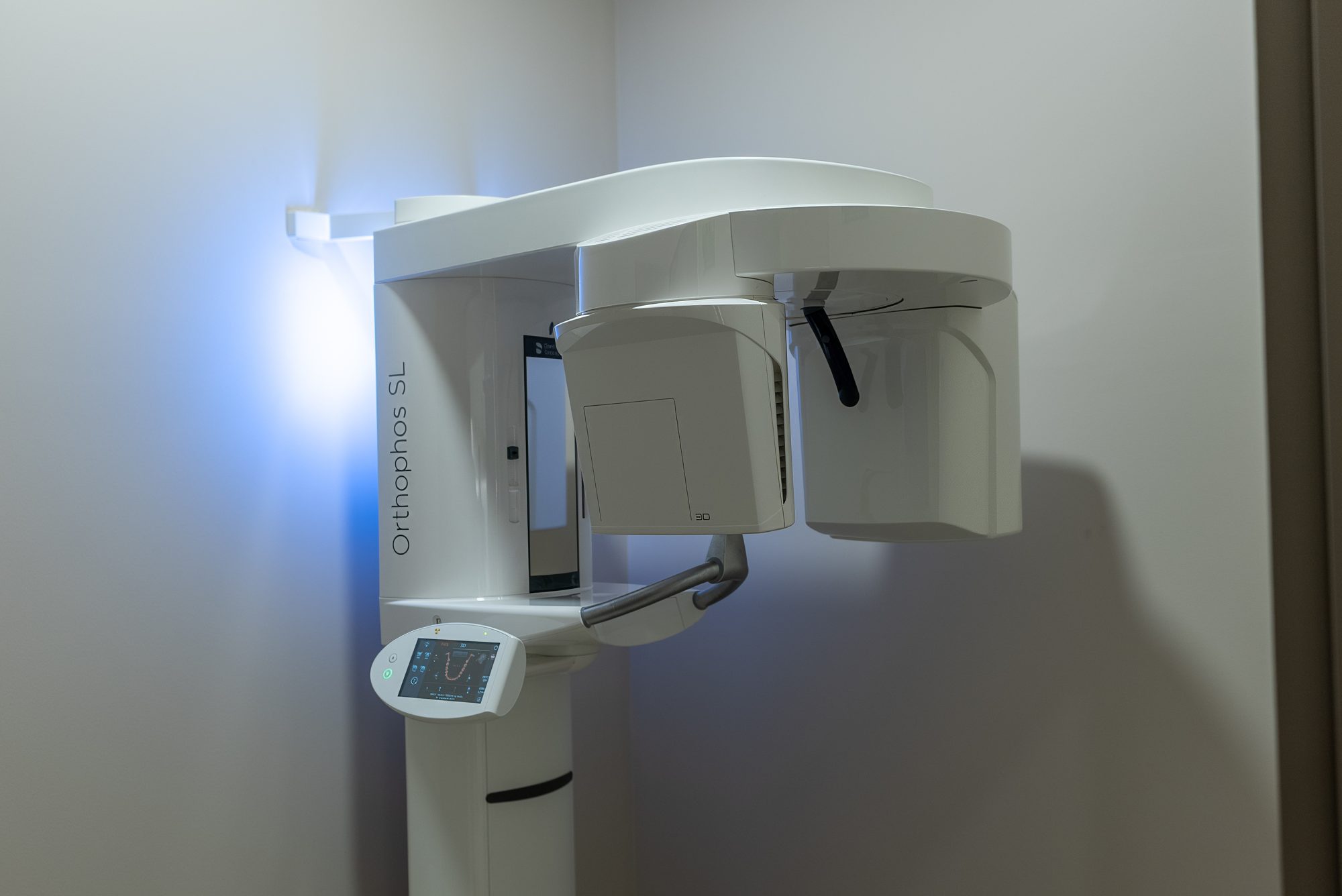
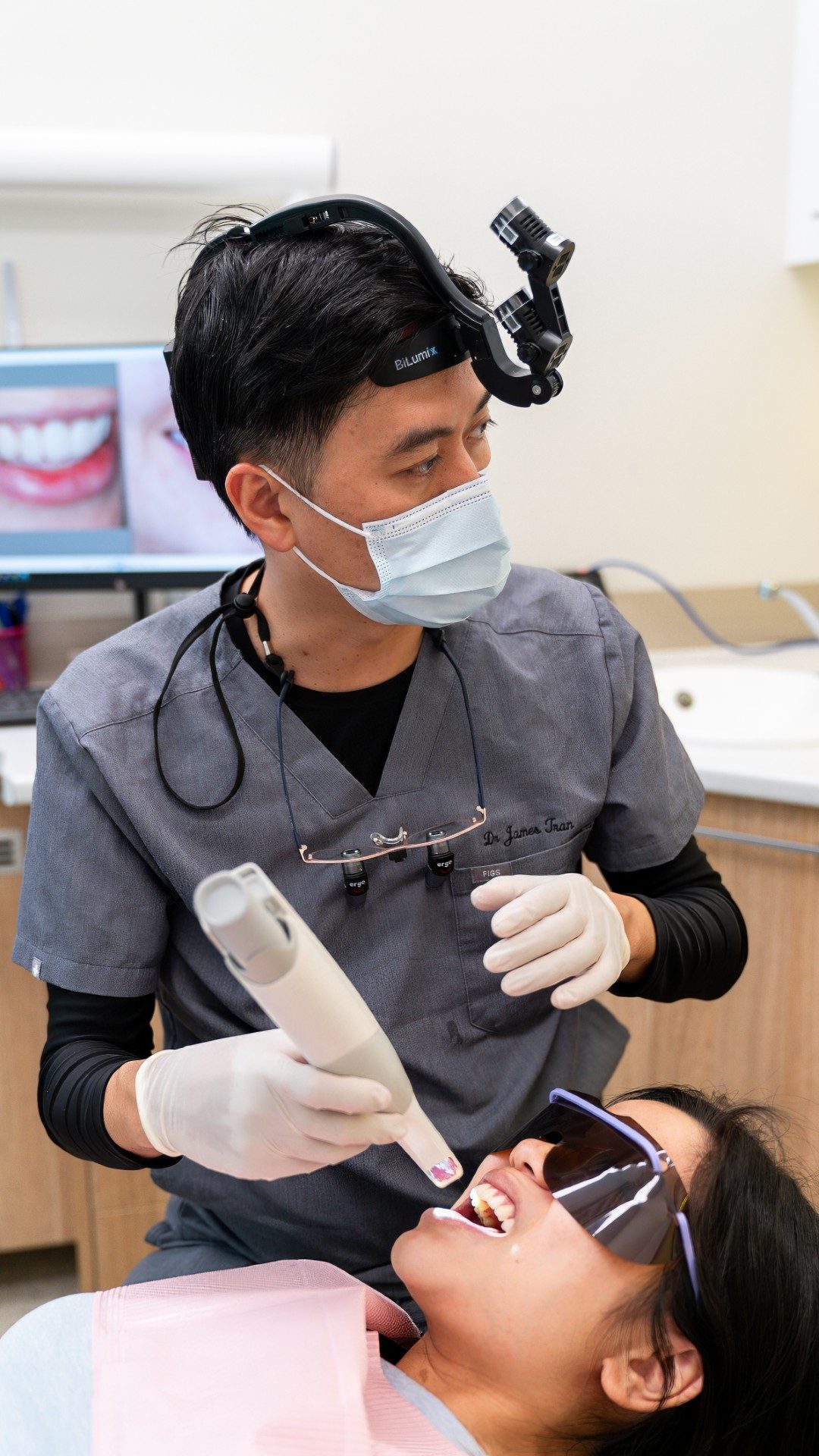
The team at Lumi Dental in Melrose Park plans single and full-arch implants (the full-arch service is called All-on-X) with in-house 3D X-ray and 3D intraoral scanning, so the bone, the opposing teeth and the way the jaw moves are measured before anything is placed. If you grind, the dentist looks for wear facets, cracked fillings and muscle tenderness at the first examination, and the night guard is designed into the plan from the start. Read more about dental implants at Lumi Dental and the technology we use. Complex cases are referred to registered specialists where that is the right call.
Questions patients ask
Can you get dental implants if you grind your teeth?
Usually, yes. Grinding is a risk factor rather than a bar, and it is managed with a stronger design, a lighter bite and a custom night guard. The decision depends on how heavy the grinding is and whether you will wear the guard.
Will grinding make an implant fail?
It raises the odds. Research has reported higher failure and complication rates in grinders, with a pooled odds ratio of around 4.7 in one meta-analysis, though a minority of studies found no link. Most problems in grinders are mechanical and repairable rather than loss of the implant.
Does a night guard have to be worn for life after an implant?
For as long as you grind, yes. The guard protects the crown and screw every night, and most patients adapt within a few weeks. It is replaced when worn.
Is a screw-retained crown better for someone who grinds?
Often, because it can be removed to replace a loose or broken screw without destroying the crown. Cement-retained crowns have their place at the front of the mouth, but for grinders screw retention is usually preferred where the implant angle allows.
Can full-arch implants work for a grinder?
In many cases, yes, with a zirconia or well-supported acrylic bridge, enough implants to spread the load and a guard worn over the bridge. A sleep assessment first is sensible if night grinding is suspected, and a consultation at Lumi Dental can assess this properly.
Book a complimentary implant consult at Lumi Dental
If you grind your teeth and are considering implants, the team at Lumi Dental in Melrose Park can examine your bite, scan your jaw and plan around it. Contact Lumi Dental to book a complimentary implant consult, or read more about dental implants at Lumi Dental. Patients visit from Ryde, Parramatta, Ermington, Rydalmere and nearby suburbs.
Sources
- National Library of Medicine (PMC): Dental Implant Failure Risk in Patients with Bruxism, a Systematic Review and Meta-Analysis
- healthdirect: Teeth grinding (bruxism)
- healthdirect: Dental implant
- Better Health Channel: Teeth grinding
About the author
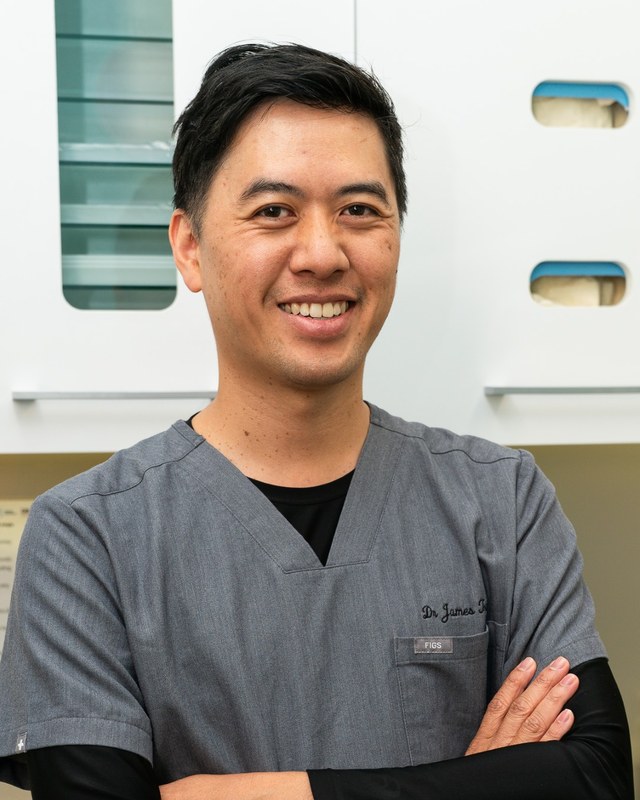
Dr James Tran is a general dentist at Lumi Dental in Melrose Park. He holds a BDent from the University of Sydney and a Graduate Diploma in Oral Implants, and is a Member of the International Congress of Oral Implantologists (MICOI).
This article is general information only and is not a substitute for an examination and individual advice from a registered dental practitioner. Suitability for any treatment varies from person to person.