
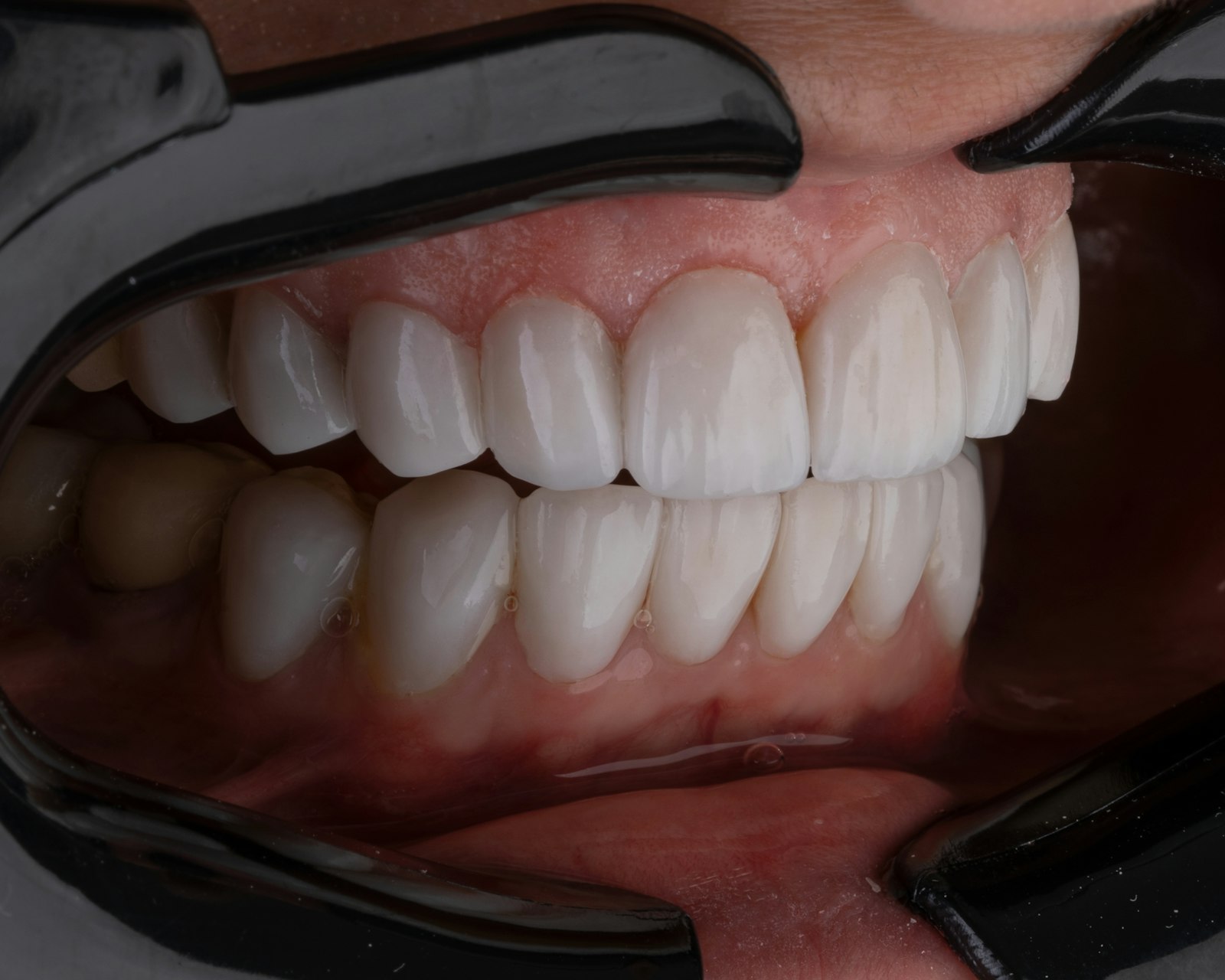

In the zirconia vs acrylic full arch implant bridge decision, zirconia generally offers more strength and stain resistance, while acrylic on a metal framework is lighter, gentler on opposing teeth and easier to repair. Neither is right for everyone. Most full-arch implant patients first wear a provisional acrylic bridge for around three to six months while the implants integrate, and the final material is chosen once healing, bite and smile have been assessed. Understanding how each option behaves day to day makes that conversation with your dentist far more productive.
Key Takeaways
- Most full-arch cases start with provisional acrylic teeth, worn during healing for roughly three to six months.
- Final bridges are usually either acrylic teeth on a titanium or metal framework, often called a hybrid, or zirconia, either monolithic or layered.
- Zirconia resists staining and wear well, but a fracture usually means the bridge has to be remade.
- Acrylic on a framework is lighter and softer in the bite, and chipped or worn teeth can often be repaired.
- Both need regular maintenance reviews, and access screws may need to be checked or replaced over time. The guide to how many implants you need covers the foundation underneath.
What Sits on Top of Full-Arch Implants
A full-arch implant treatment replaces a whole upper or lower set of teeth with a fixed bridge screwed onto four or more implants. The implants are the foundation. The bridge is what you see, chew with and clean every day, so the material it is made from shapes how the result looks and feels for years.
Lumi Dental's full-arch service is called All-on-X, which means the number of implants is planned around your bone and bite rather than fixed in advance. You may also hear the term All-on-4, a treatment concept trademarked by Nobel Biocare. The article on All-on-X vs All-on-4 explains the difference. Whatever the implant layout, the choice of bridge material follows the same principles.
Stage One: The Provisional Acrylic Bridge
When implants are placed, a provisional (temporary) bridge is often fitted the same day or soon after. It is almost always made of acrylic or a similar resin, such as PMMA, because it is light, quick to adjust and kind to implants that are still healing.
This bridge is worn for roughly three to six months while the bone bonds to the implants. During that time it does a second job as a trial run. You get to live with the tooth shape, length, lip support and bite, and those details can be refined before the final bridge is made. A soft diet is usually recommended during this stage, because the implants are not yet fully integrated.
The provisional is not designed to last for years. It tends to wear, may stain and can crack under heavy load, which is expected and is part of why a definitive bridge follows.
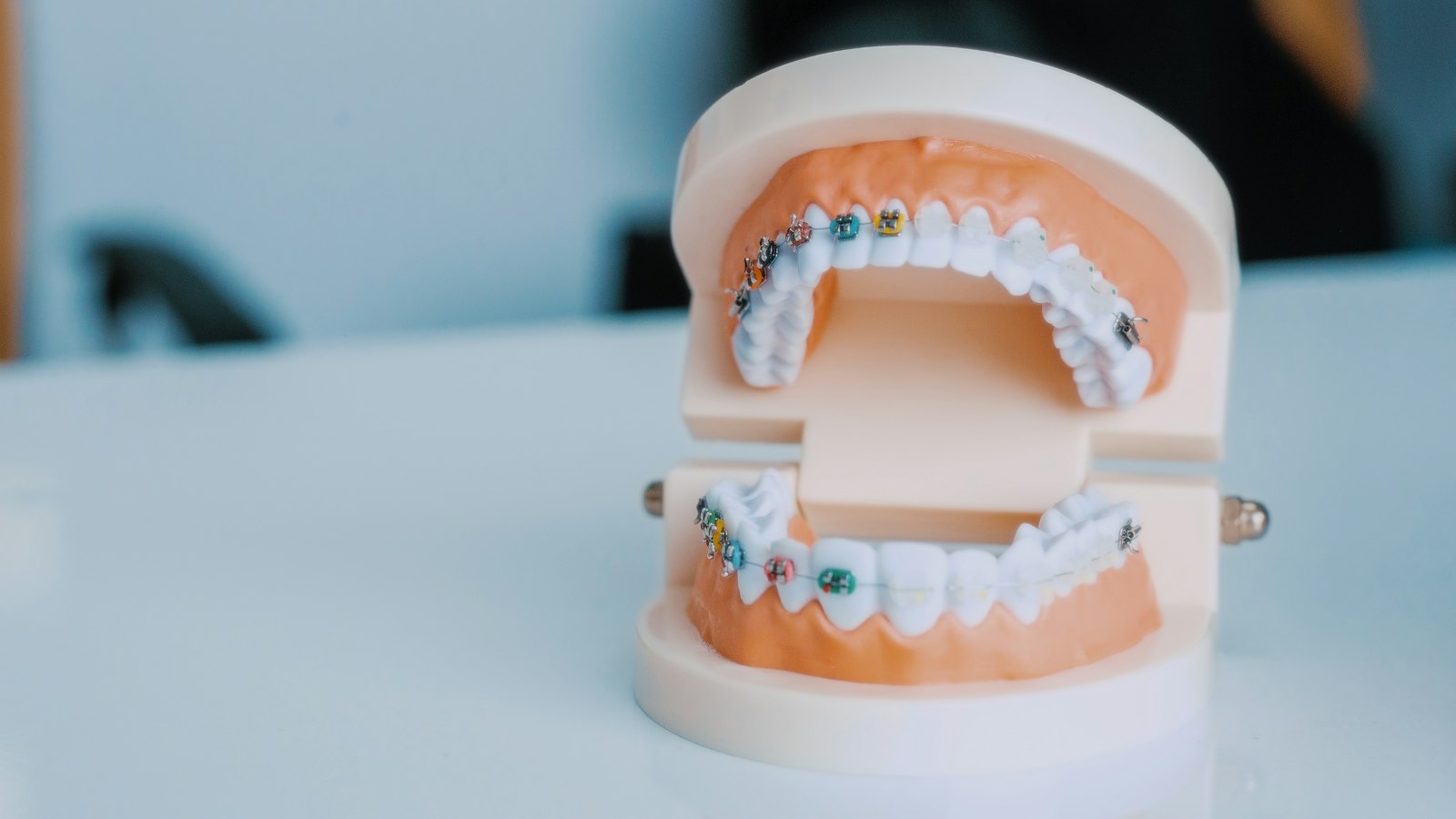
Final Bridge Options Explained
Acrylic on a titanium or metal framework (hybrid)
This design uses a milled titanium or cobalt chrome bar for strength, with acrylic teeth and pink acrylic gum processed over it. It has been used for decades and remains a common choice. The acrylic absorbs some of the force of chewing, the bridge is relatively light, and when a tooth chips or wears, it can often be repaired or the teeth replaced on the same framework.
The trade-offs are that acrylic is softer, so it wears faster, and it is more porous, so it can pick up stains from coffee, tea, red wine and smoking. Over the years the teeth may need to be refreshed.
Monolithic zirconia
Monolithic zirconia bridges are milled from a single block of zirconia, a very hard ceramic. They are strong, highly resistant to staining and wear, and have a smooth glazed surface that tends to collect less plaque. Pink ceramic or stain can be added to mimic gum tissue.
Because zirconia is so rigid, a fracture is uncommon but usually means the whole bridge has to be remade rather than patched. Zirconia bridges are also heavier, feel harder in the bite, and if not carefully polished and adjusted they can wear the natural teeth they bite against.
Layered zirconia
Layered zirconia has a zirconia core with porcelain built up on the visible surfaces for added translucency and lifelike colour. It can look very natural, though the porcelain layer is more prone to chipping than monolithic zirconia. Many clinicians now favour monolithic zirconia on biting surfaces and limit layering to the front.
High-performance PMMA and other resins
Milled PMMA and newer composite resins are denser than conventional acrylic and are sometimes used for long-term provisionals or, in selected cases, as a final option. They sit between acrylic and zirconia for strength and stain resistance but are not as durable as zirconia.
Zirconia vs Acrylic Side by Side
| Factor | Acrylic on framework (hybrid) | Zirconia (monolithic) |
|---|---|---|
| Strength | Strong framework, softer teeth | Very high strength overall |
| Chipping and wear | Teeth wear and can chip over time | Highly wear resistant, fracture uncommon |
| Weight | Lighter | Heavier |
| Appearance and staining | Natural look at first, can stain and dull | Holds colour and gloss well |
| Repairability | Often repairable, teeth can be replaced on the framework | Fracture usually means a remake |
| Effect on opposing teeth | Gentle | Can wear opposing teeth if not well polished |
| Hygiene | More porous, can hold plaque | Smooth glazed surface, less plaque retention |
| Typical lifespan | Teeth often refreshed after several years, framework lasts longer | Often quoted as many years with good maintenance |
Lifespan figures vary widely between studies and patients. Grinding, diet, hygiene and how often the bridge is reviewed all have a large effect.
A Simple Rule for Choosing
If you grind or clench, want a bridge that keeps its colour, or have had repeated chipping in the past, start the conversation with zirconia. If you value repairability, prefer a lighter bridge with a softer bite, or are biting against natural teeth you want to protect, start with acrylic on a framework.
That rule is a starting point, not a final answer. The space available between your jaws, the position of the implants, your smile line and your budget all influence the design. Grinders who choose zirconia, for example, are usually advised to wear a night guard to protect the implants and opposing teeth.
General Market Cost Comparison
Zirconia bridges usually cost more than acrylic on a framework, mainly because of the materials, milling and laboratory time. The comparison below reflects general market ranges in Australia, which vary with complexity and provider; a written quote follows an exam.
| Full-arch final bridge type | Relative cost per arch (general market) |
|---|---|
| Acrylic on titanium or metal framework | Lower of the two, often by several thousand dollars per arch |
| Monolithic or layered zirconia | Higher, reflecting material, milling and laboratory costs |
Total treatment costs also include implants, surgery, provisional teeth and any sedation. For a broader view of how full-arch fees are put together, see full-arch implant costs. For Lumi Dental's current offers, visit current deals.
Maintenance, Screws and Long-Term Care
Whichever material you choose, a full-arch bridge needs ongoing care. Plaque collects underneath the bridge where it meets the gum, and inflammation around implants can lead to bone loss if it is left unchecked. Daily cleaning with a water flosser, interdental brushes or superfloss is important. The article on how to clean dental implants at home walks through the tools.
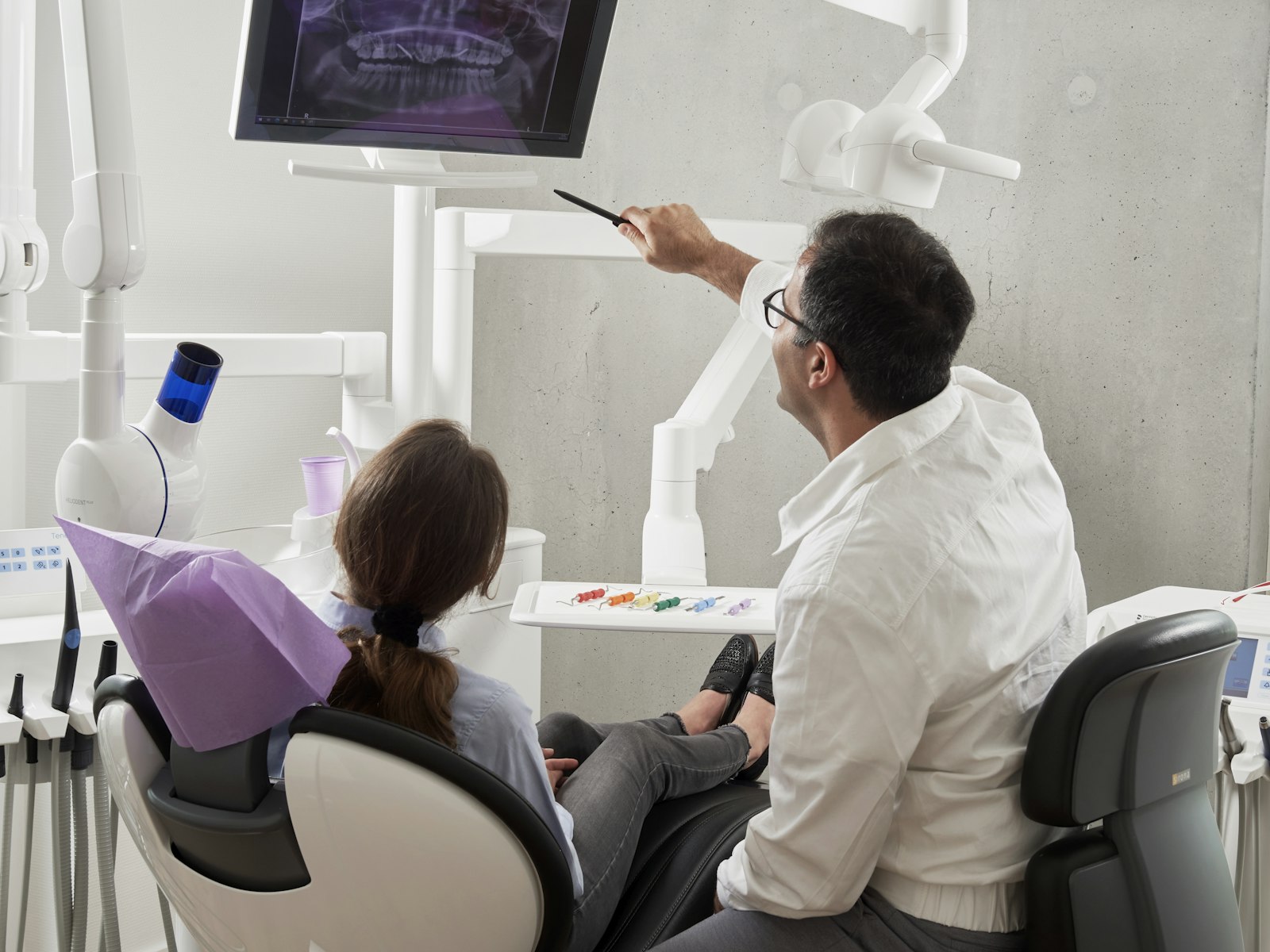
Professional reviews are usually recommended every six to twelve months. At some visits the bridge may be unscrewed so the implants and the underside of the bridge can be cleaned and inspected. The small access screws holding the bridge can loosen or wear over time and are sometimes replaced as routine maintenance. Acrylic teeth may be polished, repaired or replaced, while zirconia is checked for chips and wear on the opposing teeth. More detail is in the guide to dental implant aftercare and maintenance.
Common Questions
Is zirconia better than acrylic for full-arch implants?
Zirconia is stronger and more stain resistant, but acrylic on a framework is lighter and easier to repair, so the better option depends on your bite and priorities.
How long do I wear temporary acrylic teeth after full-arch implants?
Provisional acrylic teeth are typically worn for around three to six months while the implants integrate with the bone.
Can a broken zirconia bridge be repaired?
Small chips can sometimes be polished, but a true fracture of a zirconia bridge usually means a new bridge has to be made.
Do acrylic implant teeth stain?
Yes, acrylic is more porous than zirconia and can gradually stain from coffee, tea, red wine and smoking, although professional polishing can help.
Is a fixed full-arch bridge better than an implant-supported denture?
A fixed bridge stays in place and feels more like natural teeth, while a removable overdenture is easier to clean and usually costs less. The comparison of implant-supported and regular dentures explains the options.
Talk Through Your Full-Arch Options at Lumi Dental
The choice between zirconia and acrylic is easier once your bite, bone and smile have been assessed in person. The team at Lumi Dental in Melrose Park uses 3D intraoral scanning to plan All-on-X treatment and can explain which bridge design suits your situation, with a written quote after your exam.
Book a complimentary implant consultation, or read more about dental implants at Lumi Dental.


