

Acid reflux is not a reason to avoid dental implants, and nobody should stop a reflux medicine for an implant, but you should tell your dentist if you take a proton pump inhibitor (PPI), because some studies have linked these medicines with a higher rate of implant failure. In one Canadian cohort study, 6.8% of implants failed in people using PPIs compared with 3.2% in non-users. That is an association, not proof, and the evidence on dental implants with acid reflux is still debated.
Written by Dr James Tran, BDent (University of Sydney), MICOI, GradDip (Oral Implants), general dentist at Lumi Dental in Melrose Park.
The short version
- Gastro-oesophageal reflux disease (GORD) does not usually rule out implants; it changes some details of planning and aftercare.
- The single rule: keep taking your reflux medicine as prescribed, and put it on your medicines list at the implant consult. Only the prescriber decides whether anything changes.
- Several studies report more implant failures in PPI users, but once researchers adjust for age and general health, the link weakens and may not hold.
- Reflux can erode the natural teeth around and opposite an implant crown, which matters for the crown design and for long-term upkeep. Our article on acid reflux and your teeth explains the erosion pattern.
- Night-time reflux, some anti-inflammatory pain relievers and vomiting can make the healing weeks harder, so plan for them.
Reflux, PPIs and H2 blockers in brief
Reflux is stomach acid travelling up towards the throat; when it keeps happening, it may be called GORD. The NHS notes that symptoms such as heartburn and a sour taste are often worse after eating, lying down or bending over.
A GP may prescribe a PPI, such as omeprazole or lansoprazole, which reduces how much acid the stomach makes. If a PPI does not help, a doctor may suggest an H2 receptor antagonist (H2 blocker), such as famotidine. Some people have had surgery to stop reflux and take no medicine at all. The implant studies below are about PPIs; there is far less research on H2 blockers either way.
What the PPI and implant studies reported
The research is observational: investigators look back through clinic records and compare PPI users with non-users. Nobody was randomly assigned to a medicine.
The studies that raised the question
Wu and colleagues at McGill University looked at 1,773 implants in 799 patients treated at one oral surgery clinic in Canada. Failure rates were 6.8% for PPI users and 3.2% for non-users, and after adjusting for other factors, PPI users had a higher risk of failure (hazard ratio 2.73). Only 58 patients took PPIs, so the estimate is imprecise.
A Swedish study by Chrcanovic and colleagues, of 3,559 implants in 999 patients, reported failure rates of 12.0% in PPI users and 4.5% in non-users, with smoking and bruxism also affecting survival.
A larger cohort, and a reason for caution
A study from Tel Aviv University (Masri and colleagues, published in Medicina) followed 2,971 implants in 687 patients. Early failure occurred in 5.4% of implants in PPI users and 3.5% in non-users, but at the patient level the difference (19.3% against 14.3%) was not statistically significant. The PPI users were also older and more often had high blood pressure or diabetes. That is the core problem: people on long-term PPIs often carry other health conditions that affect healing too.
What the pooled evidence shows
A meta-analysis by Tang and Xie combined eight studies. Using raw numbers, PPI users had higher odds of implant failure (odds ratio 2.71). Using figures adjusted for other risk factors, the link was smaller and not statistically clear (odds ratio 1.44), though it became significant when one outlying study was removed. The authors described a possible tendency, with evidence not stable enough for strong conclusions.
When patients I see ask what this means, I usually say it is a reason to plan carefully, not a reason to avoid an implant or stop a medicine that protects your oesophagus.
Why a link with bone is plausible
An implant becomes stable as bone grows onto its surface over months, as explained in our article on how dental implants fuse to bone. Anything that affects bone turnover could, in theory, affect that process.
The Medicina authors summarise the suggested mechanisms. The most prominent is that lower stomach acidity reduces calcium absorption from food; others involve osteoclasts, the cells that remodel bone, and bone mineral density. These hypotheses make a link plausible; they do not show it happens in your jaw.
It is the same pattern as dental implants and SSRIs: a possible effect on bone, an observational signal, and a plan built around good bone, healthy gums and careful timing rather than changing the medicine.
The single rule: keep the medicine, tell the dentist
If you take a PPI or an H2 blocker, start by keeping it exactly as prescribed and listing it at your implant consult. Do not stop or reduce a reflux medicine because of an implant. The NHS advises against stopping any prescribed medicine without speaking to a doctor first, and untreated reflux brings more acid to your teeth.
Whether a PPI is still needed, or a different medicine suits you, is a question for your GP or gastroenterologist, never an implant requirement. Where it helps, the team at Lumi Dental writes to your GP or specialist before planning surgery.
What to check first, by situation
Treat this as a starting point for your consult.
| Your situation | What to check first |
|---|---|
| Occasional heartburn, no regular medicine | Usually nothing extra; the dentist checks the other teeth for erosion. |
| Daily PPI | List it at the consult. Bone volume and gum health on the 3D X-ray and examination. Keep taking it as prescribed. |
| H2 blocker | List it as well. Less implant research exists, so the same careful planning applies. |
| Erosion on other teeth | Whether the reflux is controlled, how the opposing teeth are worn, and the crown material and bite. |
| Night-time reflux | A plan for sleeping head-up in the first nights and keeping the surgical site clean. |
| After reflux surgery | Your surgical history, current medicines and any swallowing changes. |
Erosion on the teeth around an implant crown
An implant crown cannot decay, but the natural teeth next to it and opposite it can erode, and in my experience that wear matters in two ways. First, the bite: if the surrounding teeth are wearing down, the crown has to fit the bite as it is now and stay balanced as it changes. Second, the material: the surface finish and material are chosen with the condition of the opposing teeth in mind, one of the factors in our comparison of zirconia and porcelain-fused-to-metal implant crowns.
Reflux control and fluoride care for the remaining teeth are part of implant care.

The healing weeks: night reflux, pain relief and vomiting
Sleeping after surgery
Reflux is often worse when lying down. The NHS suggests raising the head of the bed by around 10 to 20 cm with blocks or books, rather than extra pillows, which can press on the belly, and not eating within 3 or 4 hours before bed. Both habits suit the first nights after surgery.
Pain relief
The NHS lists anti-inflammatory painkillers such as ibuprofen among the things that can cause or worsen heartburn. These are often used after dental surgery, so ask your GP or pharmacist which pain relief suits you, and tell the dentist what they advise.
If you vomit or regurgitate
Acid in the mouth during healing does not mean the implant will fail, but keep the site clean: rinse gently with plain water, avoid vigorous swishing near the stitches and follow your cleaning instructions. Repeated vomiting or a fever are reasons to call the practice.
How we approach this at Lumi Dental
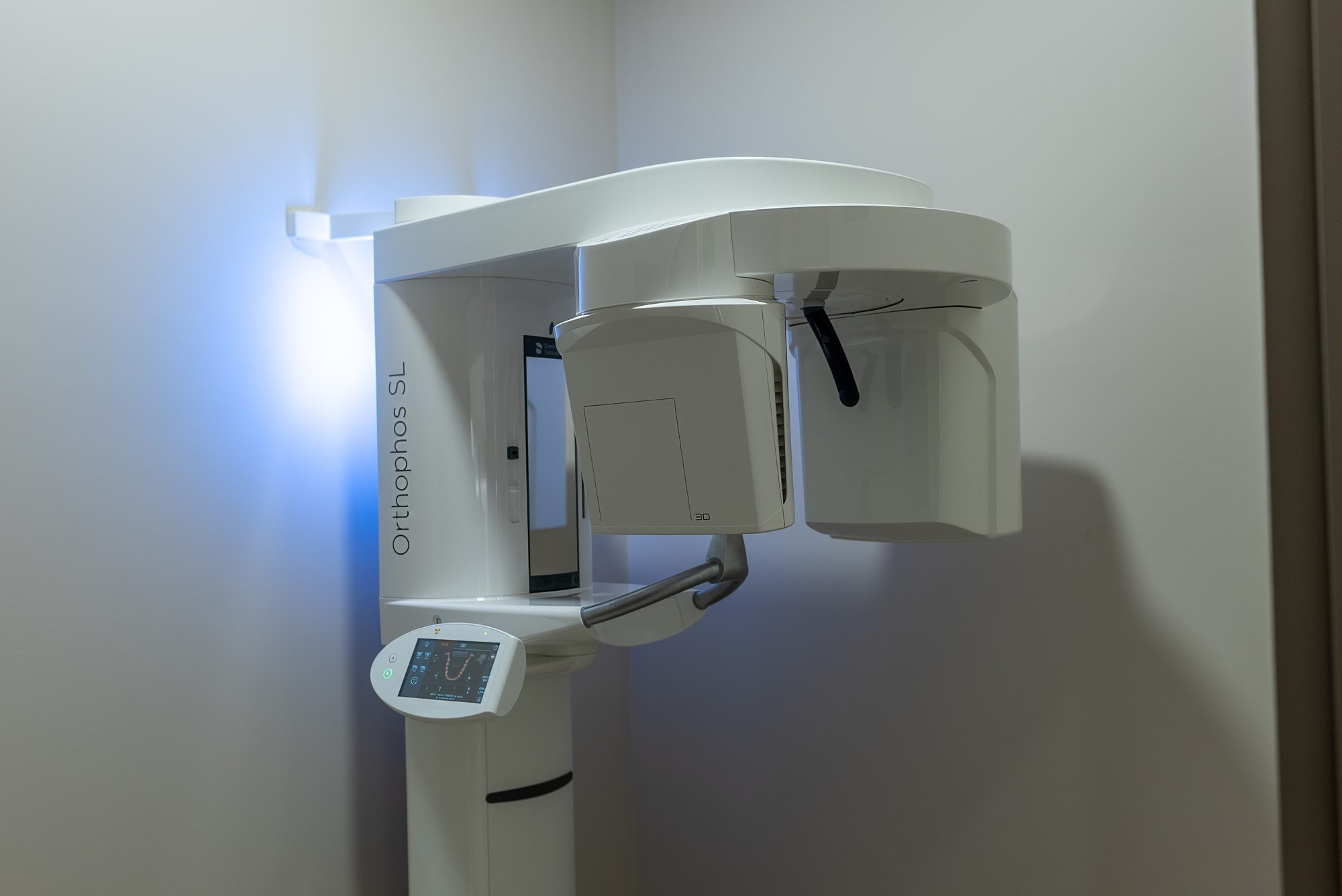
At Lumi Dental in Melrose Park, a dentist takes your medical history and medicines list, including any reflux medicine, examines your teeth and gums and takes a 3D X-ray in house to measure the bone. Clinical photographs record any erosion on other teeth so it can be compared over time. Gum therapy comes first where needed, and the oral health therapists support maintenance afterwards.
The team at Lumi Dental writes to your GP or specialist before planning surgery when your history calls for it, and complex cases may be referred to a registered specialist. Read more about dental implants at Lumi Dental.
Questions patients ask
Can I get dental implants if I have acid reflux?
Usually, yes. Reflux on its own is not a reason to avoid an implant; the dentist checks the bone, gums and any erosion and plans around them.
Should I stop omeprazole before implant surgery?
No, not because of the implant. Keep taking it as prescribed and tell the dentist you take it. Any change is a decision for your GP or the doctor who prescribed it.
Do PPIs cause dental implants to fail?
That has not been shown. Some observational studies found more failures in PPI users, but pooled results adjusted for other risk factors were not statistically clear. It is a possible association worth knowing about.
Is it normal to have reflux in the first week after implant surgery?
It can happen, with changes in meals, sleep or pain relief. Sleeping head-up and asking your pharmacist about pain relief often help. Our guide to normal healing versus infection after implant surgery shows what to expect in the first two weeks.
Does acid reflux damage an implant crown?
The crown does not decay, but the natural teeth around it can erode and change your bite over time. Check-ups, fluoride care and reflux control protect them. Our implant aftercare guide covers daily cleaning.
Considering an implant? Complimentary implant consult in Melrose Park
If you live with reflux, take a PPI or an H2 blocker and are thinking about replacing a missing tooth, the team at Lumi Dental can examine your teeth, take 3D scans and talk through how your medicines fit the plan. Contact Lumi Dental to book a complimentary implant consult, or read more about dental implants in Melrose Park. Patients visit from Ryde, Parramatta, Ermington and Rydalmere, with on-site parking at Melrose Central.
Sources
- Medicina Oral, Patología Oral y Cirugía Bucal (Tang M, Xie Z): Does the use of proton pump inhibitors lead to an increased risk of dental implant failure? A systematic review and meta-analysis (PubMed)
- Clinical Implant Dentistry and Related Research (Wu X and colleagues): Proton pump inhibitors and the risk of osseointegrated dental implant failure, a cohort study (PubMed)
- Medicina (Masri D and colleagues): The effect of proton pump inhibitors on early implant failure, a retrospective cohort study (PMC)
- NHS: Heartburn and acid reflux
About the author
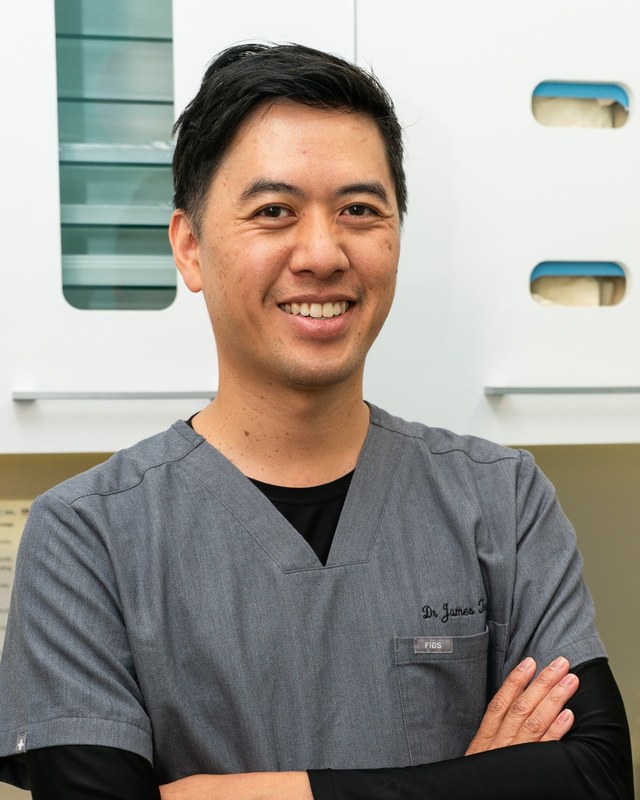
Dr James Tran is a general dentist at Lumi Dental in Melrose Park. He holds a BDent from the University of Sydney and a Graduate Diploma in Oral Implants, and is a Member of the International Congress of Oral Implantologists (MICOI).
This article is general information only and is not a substitute for an examination and individual advice from a registered dental practitioner. Suitability for any treatment varies from person to person.







