
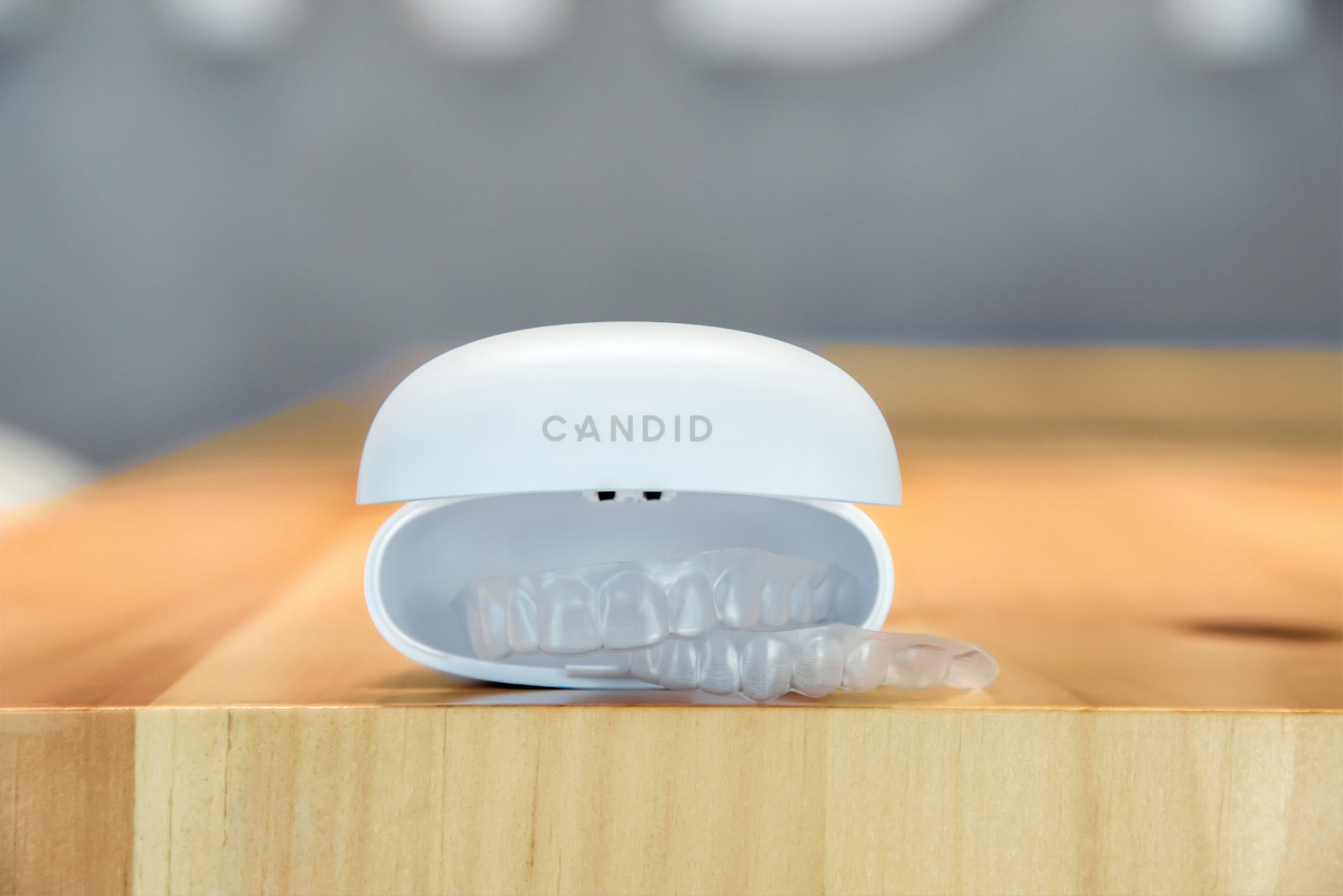

A dental crown is made by a dental technician in a laboratory, working from a digital scan or a physical impression of your prepared tooth, designing the restoration in CAD software, then milling or pressing it, firing it, layering ceramic for colour, and glazing it before it comes back to be fitted. The appointment you experience is roughly a fifth of the process. The rest happens somewhere you never see, at a bench, in the hands of someone you never meet.
That gap is worth closing, because a crown is one of the more expensive things most people have done to a single tooth, and understanding the workflow explains why it takes two visits, why the shade appointment matters, and why occasionally something has to be remade.
Dental technicians and dental prosthetists are registered health practitioners in Australia in their own right, with their own training and their own registration. They are not a factory. They are a colleague you never get introduced to.
Key takeaways
- A crown is designed and manufactured off site by a dental technician, not in the surgery.
- The laboratory works from a digital scan or a physical impression, plus a bite record and shade information.
- Zirconia crowns are milled oversized then sintered in a furnace, commonly for around 4 to 7 hours, shrinking to final size.
- Traditional turnaround was about two weeks, and digital workflows have shortened this considerably.
- Shade taken before the tooth dries out is one of the few things that meaningfully changes the aesthetic result.
- Report a high bite straight away rather than waiting, because the fit appointment is where it is easiest to correct.
Stage one, preparing the tooth and capturing the shape
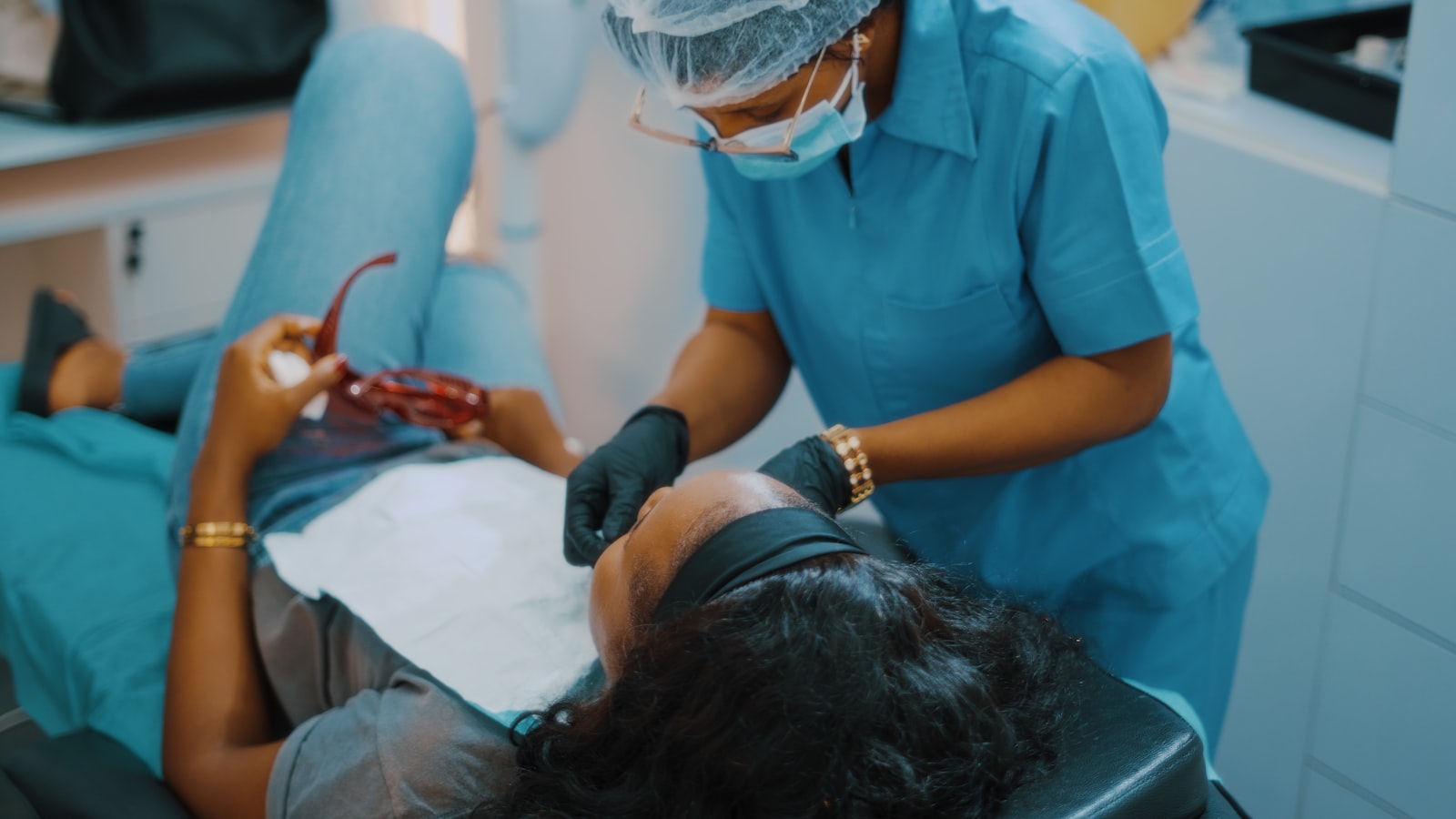
The tooth is numbed and reduced by roughly one to two millimetres on each surface, creating room for the crown material. Any decay is removed and the tooth is built back to a solid, even shape, because a crown cannot compensate for a foundation that is crumbling.
The gum is then usually retracted with a fine cord or a paste, so the margin where the crown will finish is visible. This step is unglamorous and it matters enormously. If the technician cannot see the margin, they have to guess it, and a guessed margin is where future problems start.
Then the shape is captured, either with an intraoral scanner or with impression material in a tray. Both work well when done carefully. Our comparison of digital scans and conventional impressions covers the practical differences.
What the laboratory actually receives
A prescription to a laboratory contains more than a model of one tooth.
There is the preparation itself. There is a record of the opposing teeth, so the technician can build a crown that meets them correctly. There is a bite registration showing how the two arches come together, which is the piece most often rushed and most often responsible for a crown that arrives too high.
Then there is shade information, ideally photographs taken with a shade tab held next to the tooth. A single letter and number, such as A2, tells the technician the base shade but nothing about translucency at the edge, the warmth near the gum, or the small character features in neighbouring teeth. Photographs carry all of that. Our guide to how tooth shade matching works explains why the same shade tab can look different in two mouths.
Finally there is the written prescription: material, margin design, contact tightness, and any specific instruction about shape or character.
Inside the laboratory
Design
The technician scans the models, or imports the digital file, and designs the crown in CAD software. They set the margin, establish the contours, adjust the contacts with the neighbouring teeth, and check the bite virtually against the opposing arch.
Milling or pressing
The design is then manufactured. Zirconia and many ceramics are milled from a solid block by a computer controlled unit. Some glass ceramics are pressed instead, using a wax pattern and a furnace, in a process closer to traditional casting.
Sintering
Milled zirconia comes out of the machine chalky and oversized. It is fired in a sintering furnace, a step that commonly takes around 4 to 7 hours, during which the material densifies and shrinks by a predictable amount to its final dimensions. This single step is why zirconia work cannot be rushed past a certain point.
Layering, staining and glazing
A crown that is one uniform colour looks artificial, because real teeth are not one colour. Many restorations are layered with ceramic in slightly different shades, more translucent toward the edge, warmer near the gum. The technician then stains fine detail and glazes the surface, firing it again.
Stage by stage, and how long each part takes
| Stage | Where it happens | Typical time |
|---|---|---|
| Preparation, scan or impression, temporary crown | Dental surgery | 60 to 90 minutes |
| Case sent to laboratory | Courier or digital transfer | Same day for a digital file, 1 to 2 days for physical models |
| Design in CAD software | Dental laboratory | 30 to 60 minutes of technician time |
| Milling or pressing | Dental laboratory | Around 1 to 2 hours |
| Sintering, for zirconia | Dental laboratory furnace | Commonly around 4 to 7 hours |
| Layering, staining, glazing | Dental laboratory | Several hours across multiple firings |
| Return to surgery and fit | Dental surgery | 30 to 45 minutes |
Traditionally the whole sequence took about two weeks. Digital workflows have compressed it considerably, and some cases are completed far faster. In the general Australian market, a ceramic or zirconia crown commonly falls somewhere around $1,500 to $2,500 per tooth, with the laboratory component forming a meaningful share of that.
These figures are general Australian market ranges only. They are not Lumi Dental fees. A written, itemised quote is provided after an examination.
Our crown cost guide breaks down what drives the variation, and our comparison of ceramic and zirconia crowns covers how material choice affects both appearance and strength.
Local and offshore laboratories
Crowns are made both locally and overseas, and both routes produce good work. The differences are practical rather than moral.
A local laboratory can be telephoned. If a case is unclear, a technician can call, ask a question, or occasionally attend a shade appointment in person. Turnaround is shorter, and if something needs adjusting, the case goes back and returns quickly.
Offshore laboratories are usually cheaper, and the manufacturing standards at established facilities are high. The trade off is communication and remake time. A case that needs a second attempt takes longer to resolve, and complex shade work is harder to manage at a distance.
For a single back molar, the difference may be minimal. For a front tooth beside natural teeth, the ability to have a conversation with the person building it is worth something. You are entitled to ask where your work is being made.
The three things you can actually influence
Most of this process is out of your hands. Three parts are not.
Shade taken early. Teeth dehydrate under isolation and become lighter within minutes. A shade recorded at the end of a long appointment can be a full step off. If shade is being taken, it should be taken before the tooth dries out, and it is entirely reasonable to ask for that.
Attend the try in if one is offered. For front teeth or multiple units, a try in lets everyone see the restoration in your mouth before it is finally glazed. Changes made at try in are straightforward. Changes after glazing often mean a remake.
Report a high bite immediately. If the crown feels like it hits first, say so at the appointment. Do not go home and hope it settles. A crown that is high can cause soreness, and over time can contribute to cracking. Adjustment takes minutes.
When a remake is the right call
Sometimes a crown comes back and it is not right. The contact is open, the shade does not sit alongside the neighbouring tooth, the contour is heavy at the gum. The honest answer in those cases is to remake it.
A remake is not an admission of incompetence, it is quality control functioning as intended. Dentistry involves biological variability, soft tissue that moves, and materials that behave at the edge of their tolerances. A restoration that is cemented despite being wrong becomes a permanent compromise, and the cost of living with it is higher than the inconvenience of a second appointment.
If a crown does come loose later, it is worth keeping and bringing in rather than discarding. Our guide on what to do when a crown comes off covers the immediate steps.
Common questions
How long does it take to make a dental crown?
The laboratory stages typically take from a day to about two weeks, depending on the workflow and the material. Zirconia includes a sintering step commonly lasting around 4 to 7 hours, and layered ceramic work involves several firings. Digital workflows have shortened traditional two week turnarounds considerably.
Why do I need a temporary crown in between?
A prepared tooth is smaller and has exposed dentine, so a temporary protects it from sensitivity and stops the neighbouring and opposing teeth drifting into the space. It also maintains the gum shape at the margin. Temporaries are deliberately cemented weakly so they can be removed easily.
Who actually makes my crown?
A dental technician makes it, working to the dentist's written prescription. Dental technicians and dental prosthetists hold their own registration as health practitioners in Australia. Your dentist prepares the tooth, captures the records and fits the crown, and the technician manufactures it.
Why does my new crown feel high?
A crown can feel high because the bite record did not fully capture how your teeth meet, or because the numbness at the fitting appointment made it hard to judge. It is a common and easily corrected finding. Report it at the appointment or ring the practice, rather than waiting for it to settle.
Can the laboratory match a single front crown to my other teeth?
Often yes, and it is one of the more demanding things a technician does. Matching a single central incisor is harder than matching several teeth, because the neighbour sits right beside it for comparison. Good photographs, a shade taken before dehydration, and a try in appointment all improve the odds.
Discussing a crown
If a tooth has been recommended for a crown and you want the reasoning, the material options and the timeline set out plainly, the team at Lumi Dental in Melrose Park can talk it through and provide a written, itemised plan after an examination. Read more about general dentistry at Lumi Dental or see current offers.







