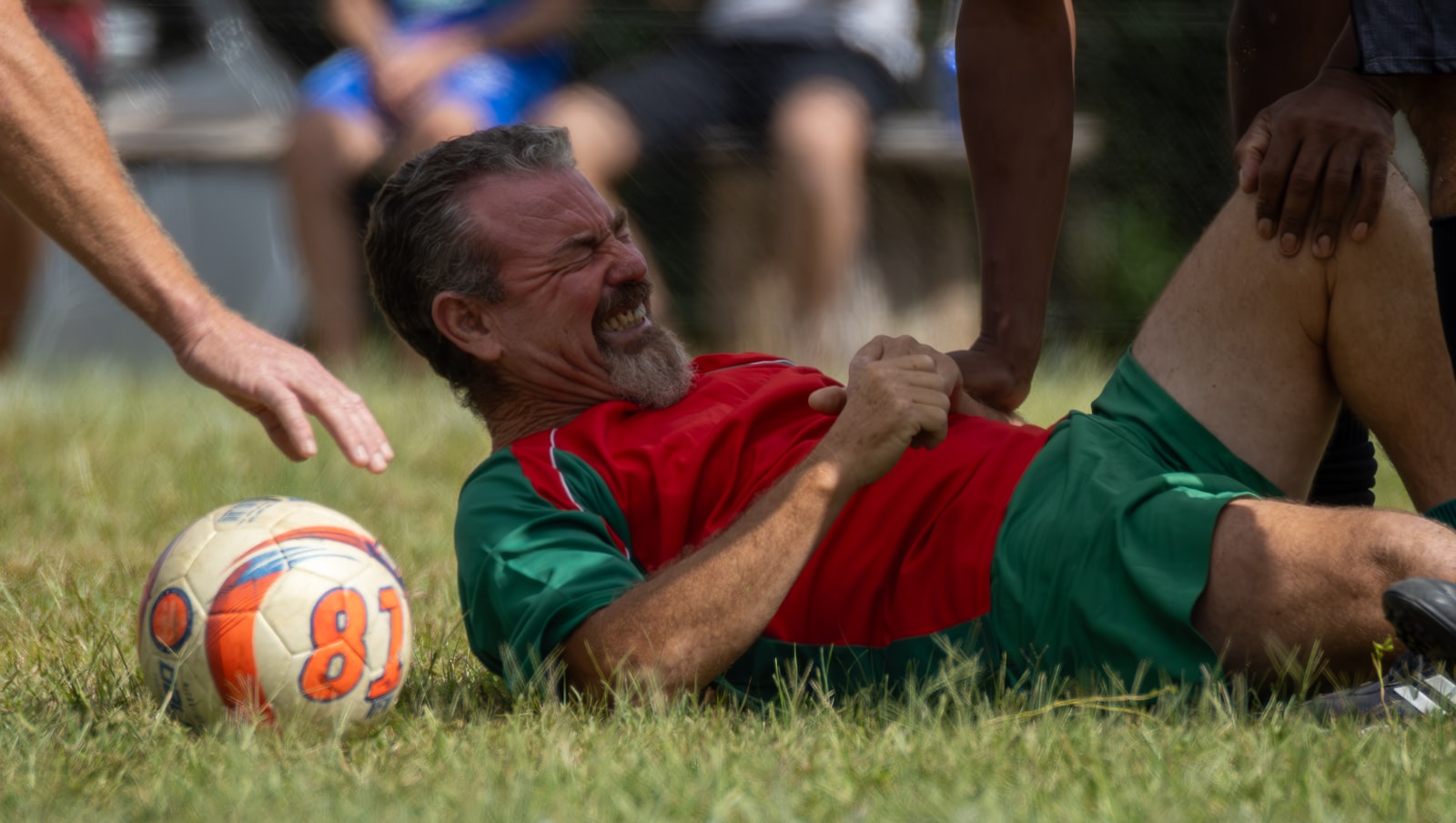

Any child who plays a sport where a ball, a stick, an elbow or the ground could hit their face should wear a mouthguard, at training as well as on game day. That covers every football code played by children, hockey, basketball, netball, cricket when batting or keeping, and martial arts. The guard only helps if it fits well enough that your child keeps it in, which is where most of the decisions lie.
Front teeth are most at risk between seven and twelve
The upper front adult teeth come through at around seven or eight. For the next few years they are the most exposed teeth in the mouth, their roots are still forming, and the child wearing them is often running, tackling and falling more than at any other time. Sport and play are among the most common causes of dental injury in Australian children.
A broken or knocked-out adult front tooth in a child is not a single repair. It can mean bonding, root treatment, and later crowns or an implant once growth stops, with ongoing maintenance for decades. A mouthguard spreads and absorbs the force of a knock across all the teeth, and it shields the lips and cheeks from being cut against the teeth.
Mouthguards are designed to protect teeth and soft tissues. A 2023 review in the British Journal of Sports Medicine (Eliason and colleagues) found mouthguard use was linked with fewer concussions in collision sports, but that evidence comes mostly from observational studies, so a mouthguard should not be relied on as head protection.
Three types, and why fit decides everything
Stock mouthguards come ready to wear in a few sizes. They do not grip the teeth, so the child has to clench to keep one in place, which makes talking and breathing hard. Many children take them out after a few minutes.
Boil-and-bite guards are softened in hot water and then bitten into. They fit better than stock guards, but the result depends on how well the moulding goes at home, the material is often thin over the biting edges, and they tend to distort with use.
Custom guards are made by a dental team from an impression or a digital scan of your child's teeth, so they follow the shape of every tooth and the gums. They are usually thinner where it matters for comfort and thicker over the front teeth where impacts land. The Australian Dental Association recommends custom-fitted mouthguards for this reason.
It is fair to say that studies directly comparing injury rates between guard types are limited. The stronger argument for a custom guard is practical: children find them more comfortable, can talk and drink with them in, and so leave them in for the whole game. A guard sitting in a kit bag protects nothing.

A growing mouth needs a new fit regularly
Between about six and twelve, baby teeth are falling out and adult teeth are arriving almost every season. A guard that fitted snugly in March can be loose or tight by the following summer. A child who complains that the guard hurts, or who keeps pushing it out with their tongue, has often outgrown it.
Plan for a fit check before each season and expect a remake every year or so while teeth are changing. Some custom guards are made with a little allowance for teeth that are about to erupt, which can extend their life. Once all the adult teeth except wisdom teeth are through, usually by the early teens, a guard can last longer.
Children wearing braces need a guard that fits over the brackets and allows for the teeth moving. Our article on mouthguards with braces explains the options.
Keeping a mouthguard clean and in shape
Rinse the guard in cool water after use and brush it gently with a soft toothbrush. Let it dry, then keep it in a ventilated case. Heat is the main enemy: hot water, a dishwasher, or a case left in a car on a summer afternoon can warp it. Replace any guard that is torn, chewed through or noticeably thinner, and bring it along to check-ups so the fit can be checked.
If a tooth is knocked out at sport
Even with a guard, accidents happen. For an adult tooth, pick it up by the crown, not the root, rinse briefly in milk or saline if dirty, and put it back in the socket if you can, or keep it in milk, then see a dentist straight away. Baby teeth should not be put back in. Our guides to dental emergencies and knocked-out baby teeth cover the steps in more detail.
Common questions
Does a child with baby teeth need a mouthguard?
It is a good idea for any contact sport. A guard protects the lips and the developing adult teeth beneath the baby teeth, and it builds the habit before the adult front teeth arrive.
What if my child says the guard makes them gag?
That is usually a sign of a bulky or poorly fitting guard. A custom guard can be trimmed and shaped to sit comfortably and is less likely to cause gagging.
Should the guard be a particular colour or thickness?
Colour is a personal choice and can make a guard easier to find. Thickness should suit the sport and the age of the child, which is something the dental team takes into account when it is made.
For a deeper comparison of guard types for teenagers and adults, see our article on custom versus boil-and-bite mouthguards.
Getting a guard ready before the season
Allow a couple of weeks before the first game for the scan or impression, the making of the guard and a fitting. Our dentists can check how your child's teeth are changing at the same visit. You can read about our general dentistry for families or see current offers for new patients on the deals page before booking in Melrose Park.
This article is general information and not a substitute for an individual dental assessment.