

A good implant crown shade match comes from taking the shade in good light, against the teeth either side, after any whitening is finished, and then giving the laboratory enough detail to copy what it cannot see. The crown is made by a dental technician who never meets you, so the shade, photos and notes your dentist sends largely decide how well the new tooth blends in. The most widely used shade guide has around sixteen tabs, and plenty of natural teeth fall somewhere between them.
Written by Dr James Tran, general dentist at Lumi Dental, Melrose Park. BDent (University of Sydney), Graduate Diploma in Oral Implants.
The short version
- If you want whiter teeth, whiten before the shade is taken. Ceramic does not whiten afterwards.
- Shade is read in daylight-type light, quickly, with the teeth moist. Clinic lights and dried teeth both mislead.
- A tooth is not one colour. Near the gum, the middle and the biting edge are recorded separately, along with translucency and texture.
- The gum around the crown matters as much as the crown. A perfect colour still looks wrong if the gum line is uneven.
- One front tooth is the hardest case, and a try-in stage is often worth the extra visit. Our tooth shade matching guide covers the basics.
Why one front tooth is harder than a whole smile
A natural tooth is darker and warmer near the gum, lighter through the middle and slightly see-through at the edge. It has fine lines, small white flecks and a texture that catches light. A crown has to copy all of that in ceramic.
When six front teeth are being made together, the technician sets the colour for the whole group. With a single implant crown, the tooth next door is the reference, and it has its own age, wear and staining. The eye is very quick to notice a small difference between two neighbouring front teeth. Back teeth are far more forgiving.
Whiten first, then take the shade
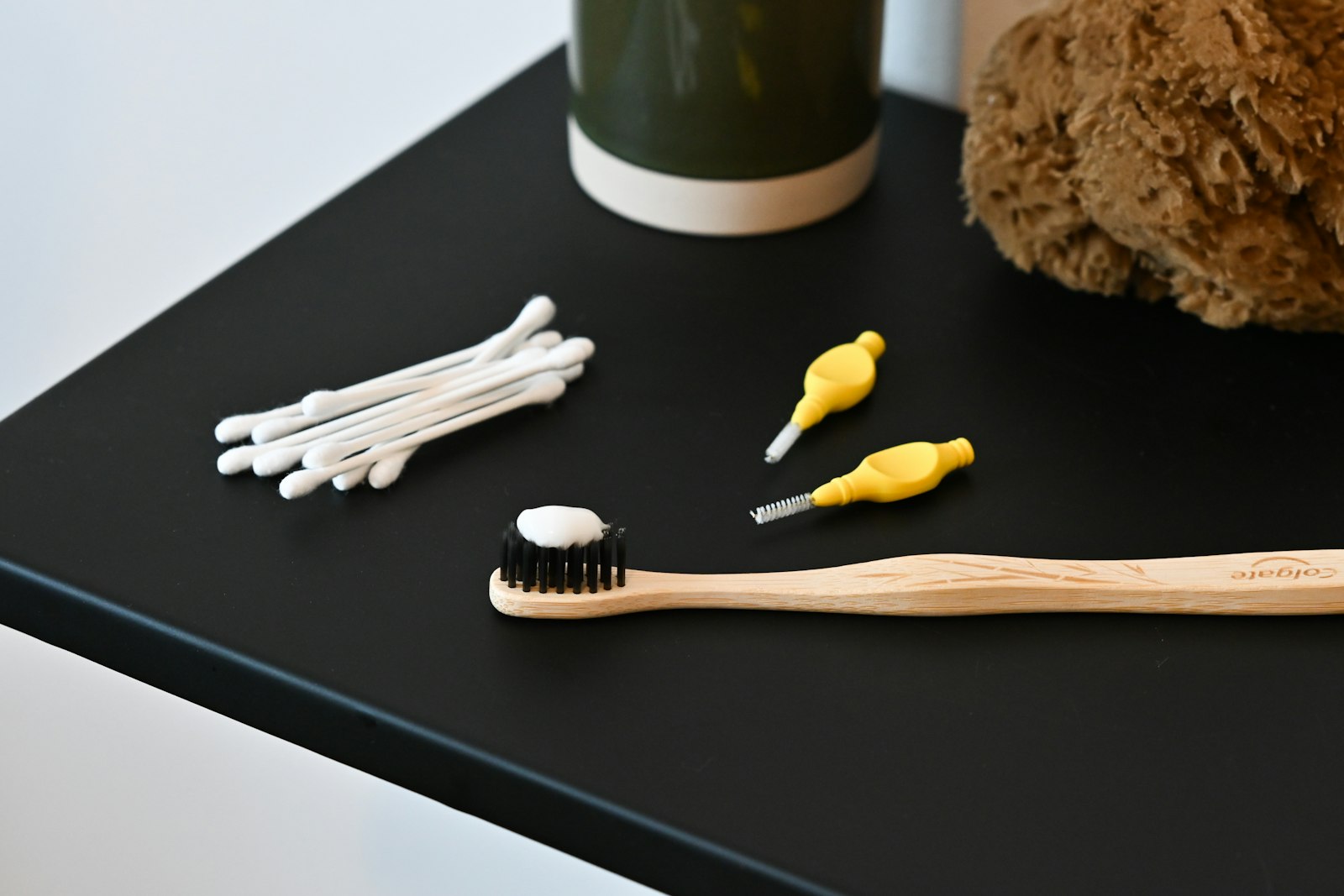
A crown keeps the colour it was made in. healthdirect notes that whitening does not work on crowns, veneers or fillings, and the same applies to an implant crown. If you whiten after the crown goes in, your natural teeth lighten and the crown does not.
So the order is whitening, then a pause of about two weeks, then the final shade. Freshly whitened teeth are slightly dehydrated and look lighter than they will settle to. A shade taken the day after whitening can produce a crown that ends up a touch too bright.
What happens at the shade appointment
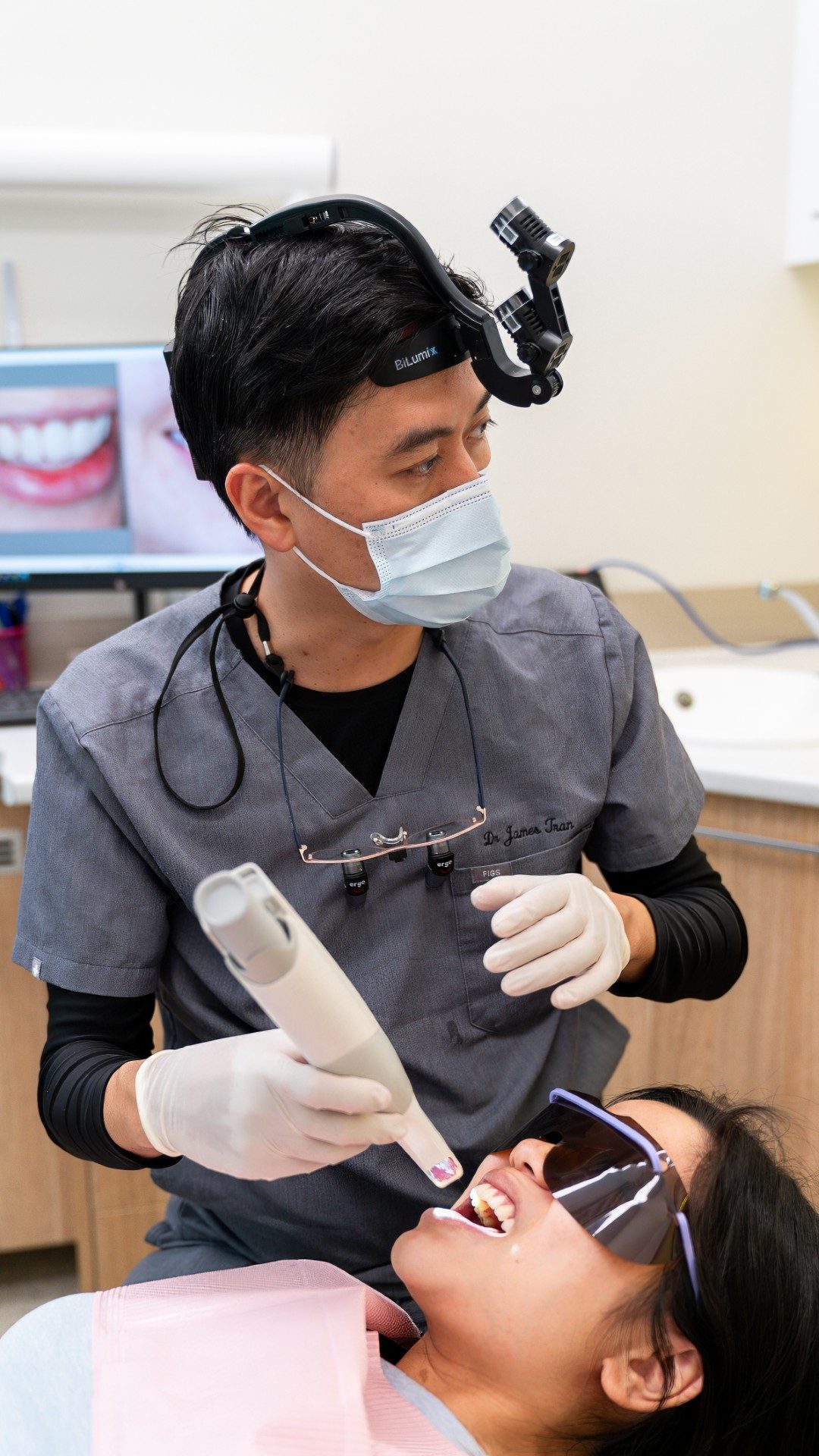
It is a quiet, slightly fussy appointment. When I take a shade, I do it at the start of the visit, before the teeth have been open and drying under the light for half an hour. Dry enamel reads chalky and light. Tabs are held up beside the tooth for a few seconds at a time, because the eye adapts and starts to lose the difference if you stare.
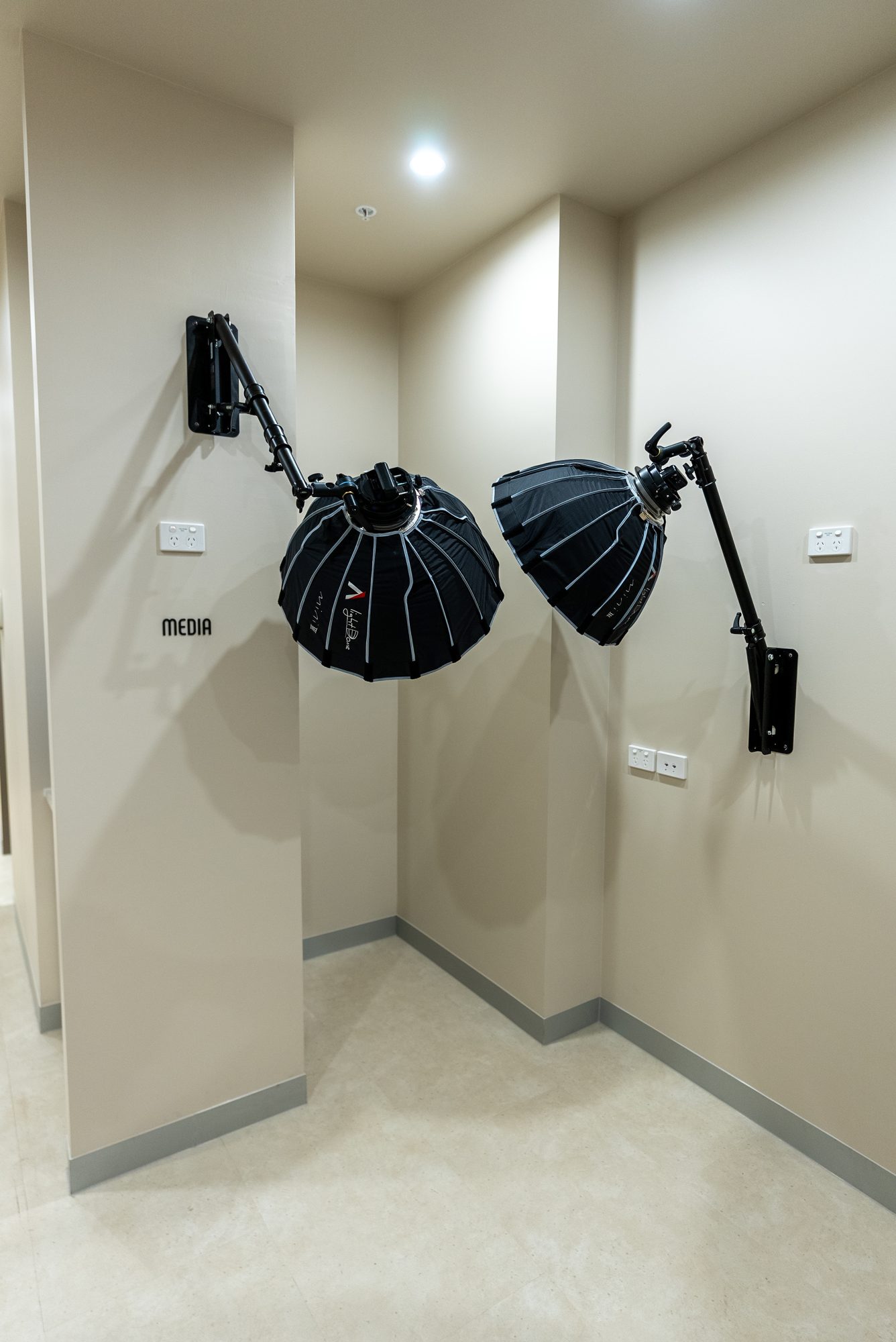
You will be asked to take off bright lipstick, and a neutral bib covers loud clothing. We then take a series of photographs in the clinical photography area with a shade tab in the frame, from straight on and from the side. That set of photos is what the technician works from.
Material choice affects how light passes through
Two crowns can share a base shade and still look different if one is opaque and the other lets some light through at the edge. Zirconia, layered porcelain and metal-based crowns all handle light differently. Our comparison of zirconia versus porcelain-fused-to-metal implant crowns explains the trade-offs.
The gum line can make or break it
A crown can be exactly the right colour and still look like a false tooth if the gum around it is wrong. The emergence profile is the shape of the crown where it comes up through the gum. Too bulky and the gum gets pushed back and looks pale. Too flat and it can collapse into a dark triangle.
For front teeth we often shape the gum with a temporary crown first and give it time to settle before the final crown is made. Thin gum tissue can also let a grey tone show through from the parts underneath, which we check for at planning. Our article on front tooth dental implants describes how these stages are usually spaced out.
What the laboratory receives
The technician relies entirely on what we send. The more specific it is, the closer the first try tends to be.
- Shade readings for the gum third, middle and edge
- Photographs with a shade tab in the frame, taken from more than one angle
- Notes on translucency, white flecks, fine lines and surface texture
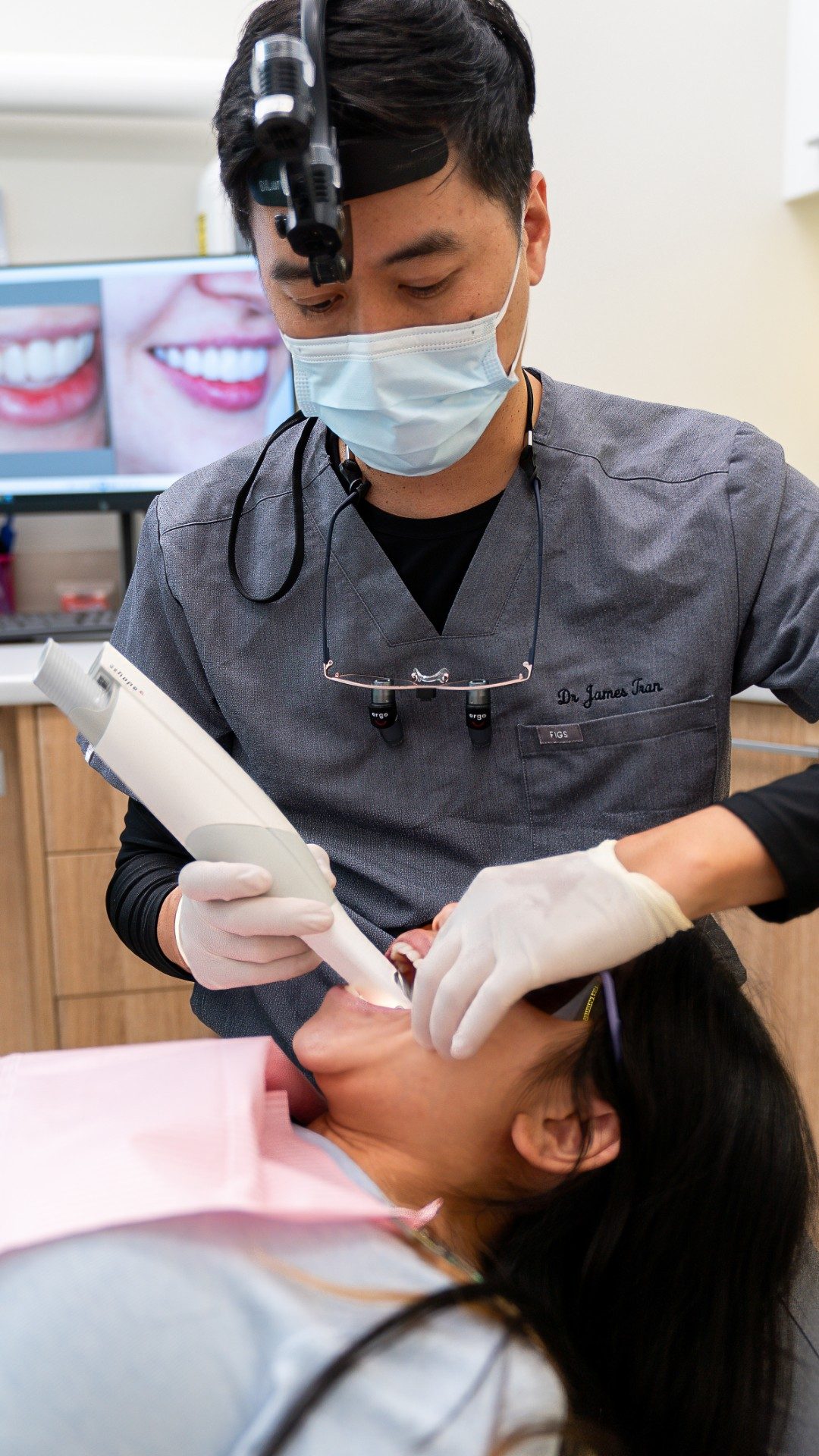
- A 3D scan of the implant position, the gum contour and the neighbouring teeth
For a single front tooth, a try-in before the crown is finished lets us check it beside your own teeth and send it back for adjustment if needed. It adds a visit. In my view it is usually time well spent.
Why a crown can look different under different light
Patients sometimes tell us a crown looks perfect in the bathroom and slightly off under the office lights. Enamel and ceramic scatter light differently, so two surfaces that match under one light can drift apart under another. That is why we check the shade under more than one kind of light before signing off.
| Light | How teeth tend to look | What we do about it |
|---|---|---|
| Daylight from a window | Closest to true colour | Main reference for the shade |
| Warm indoor bulbs | Yellower | Check the try-in here too |
| Cool white LEDs | Whiter, slightly blue | Small mismatches show up |
| Dental chair light | Bright and flat | Not used on its own |
A shade case from Lumi Dental
This patient, a woman in her mid 60s, was concerned about a dark line at the gum edge around an old crown and about how much gum showed when she smiled. Treatment by Dr James Tran was six new upper crowns together with a gum lift.
To be clear, these are crowns on natural teeth, not implant crowns. The shade-matching steps were the same ones described above: shade taking, photographs, detailed communication with the laboratory, and attention to the gum line. If the dark line is your concern, our article on the dark line at the gum around a crown explains why it happens.
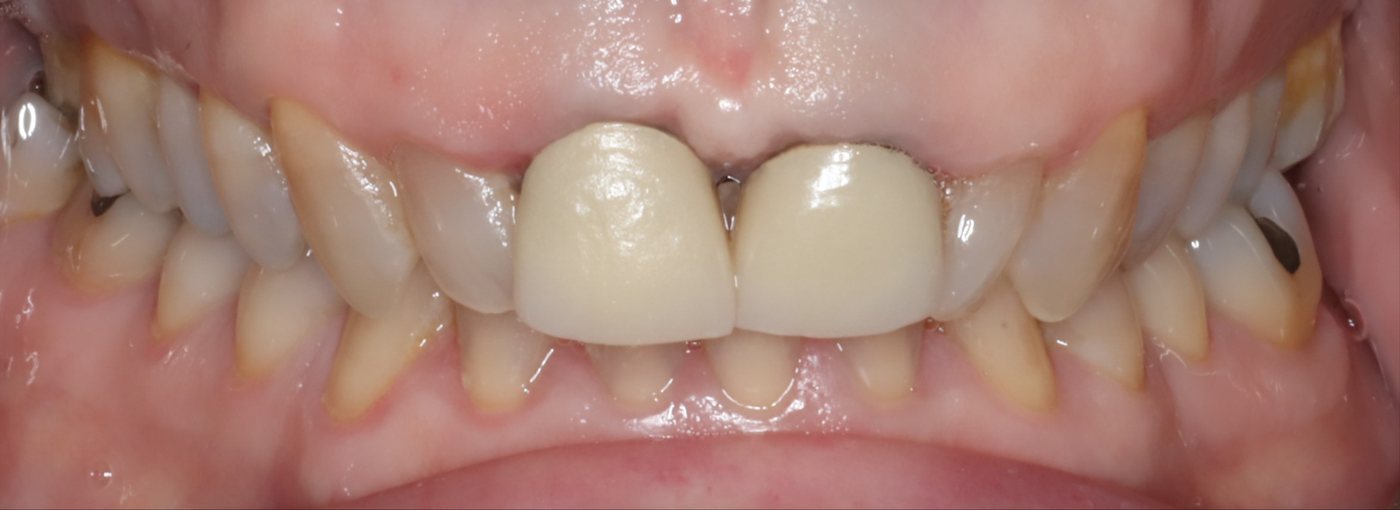
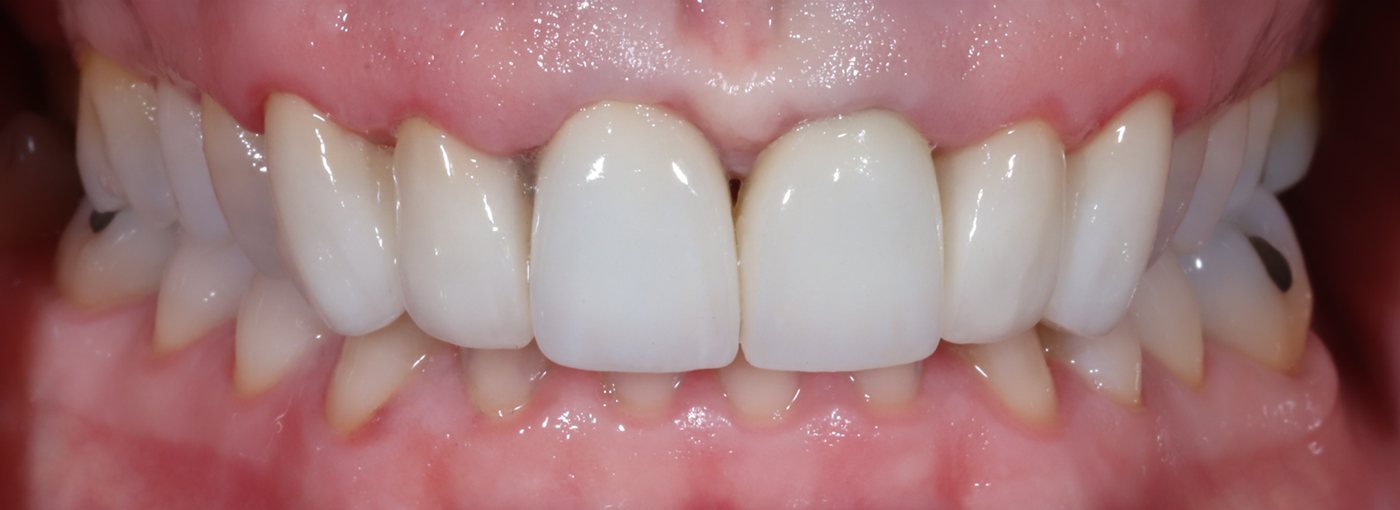
Before and after photos were taken 2 weeks apart. This is the result for one patient and is not a guarantee of what you will achieve. Photographed and published with the patient's consent.
How we approach this at Lumi Dental
At Lumi Dental in Melrose Central, Melrose Park, implant crowns are planned with our in-house 3D intraoral scanner and an Orthophos 3D X-ray unit, which takes OPG and 3D scans of the bone. Shade and progress are recorded in a dedicated clinical photography area, so the dentist and the laboratory are looking at the same images. The practice also has in-house 3D printing.
My postgraduate training includes a Graduate Diploma in Oral Implants, which shapes how I plan an implant crown from the start, though I practise as a general dentist. Where a case needs a registered specialist, for example complex bone or gum grafting, we refer. IV sedation is available at the practice for patients who find longer appointments difficult.
Questions patients ask
How is an implant crown matched to my natural teeth?
The shade of the neighbouring teeth is recorded in good light, photographed with a shade tab, and sent to the laboratory with a 3D scan and notes on translucency and texture. A try-in may follow before the crown is fitted.
Should I whiten before getting an implant crown?
Yes, if you plan to whiten at all. The crown will not change colour later, so whiten first and allow about two weeks before the final shade is taken.
Can an implant crown change colour over time?
The ceramic itself is very stable. Natural teeth tend to darken slowly with age and staining, so over many years the crown can look slightly lighter than its neighbours.
Why does my crown look different in different light?
Ceramic and enamel scatter light differently, so a close match in daylight can shift slightly under warm or cool artificial light. This is why the shade is checked under more than one light.
Is a front tooth harder to match than a back tooth?
Yes. It sits in the most visible part of the smile right beside a natural tooth, so small differences in colour, translucency and shape are easy to see. More information on crowns and bridges is on our site.
Sources
- Australian Dental Association: Dental Implants
- healthdirect: Dental implant procedure
- healthdirect: Dental crown procedure
- healthdirect: Teeth whitening
Book a free consult at Lumi Dental
If you are planning an implant and want the crown to sit naturally beside your own teeth, the team at Lumi Dental in Melrose Park can talk through whitening, shade, gum contour and timing with you. You can read more about dental implants in Melrose Park, and when you are ready, book a free consult. We will examine your teeth, explain the options and give you a written quote.
About the author

Dr James Tran is a general dentist at Lumi Dental in Melrose Park, Sydney, and is registered with the Dental Board of Australia. He holds a Bachelor of Dentistry from the University of Sydney and a Graduate Diploma in Oral Implants, is a Member of the International Congress of Oral Implantologists (MICOI), and is part of the General Dental Residency faculty. Read more about Dr James.
This article is general information and is not a substitute for advice from your own dentist after an examination. All dental treatment carries risks, and individual results vary.


