
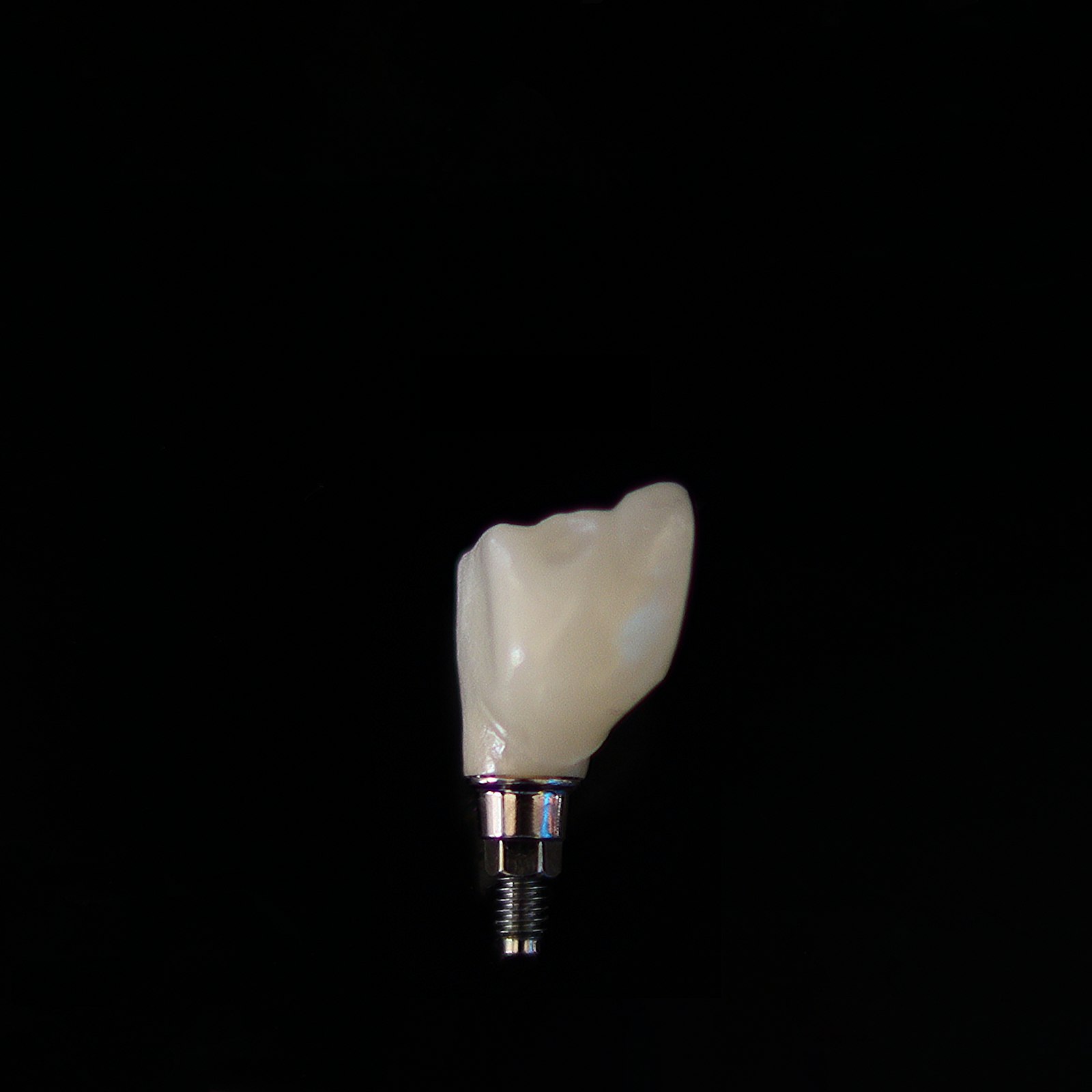

In one-stage implant surgery a healing abutment is attached at placement and sits through the gum, while in two-stage surgery the implant is covered by gum and exposed in a second small procedure later. The one stage vs two stage dental implant question comes up often, and the answer depends on your bone, the stability of the implant, whether grafting is involved and where in the mouth the implant is going. This guide explains both approaches in plain terms so you can ask better questions at a consultation.
Key Takeaways
- Two-stage (submerged) surgery covers the implant with gum and needs a second small procedure to expose it.
- One-stage (non-submerged) surgery attaches a healing abutment at placement, so there is no second surgery.
- One-stage usually means one fewer procedure and easier cleaning of the site.
- Two-stage can protect the implant from load and from bacteria in the mouth, and is often chosen with grafting, limited stability or high-visibility areas.
- Systematic reviews have found similar implant survival between the two approaches.
- The decision is clinical and personal, so your dentist will recommend one after assessing your case.
The Basic Difference Between One-Stage and Two-Stage
Both approaches start the same way. The implant, a small titanium post, is placed into the jawbone under local anaesthetic, or with sedation where it suits the patient. What differs is what happens to the top of the implant afterwards.
In a two-stage, or submerged, approach, the implant is covered by gum with a small cover screw on top. It heals quietly under the gum. After the healing period, a second small procedure exposes the implant and attaches a healing abutment, which shapes the gum while the final tooth is prepared.
In a one-stage, or non-submerged (transmucosal), approach, a healing abutment is attached at the time of placement. It stands through the gum from day one, so a second surgery is not needed to uncover the implant.
What Happens in Two-Stage Surgery
At the first visit, the implant is placed and the gum is closed over it. The cover screw keeps the inside of the implant clean and protected. The healing period then begins, and the implant is left undisturbed.
At the second visit, the dentist makes a small opening in the gum to reach the implant, removes the cover screw and attaches a healing abutment. This second step is usually short and often needs only local anaesthetic. Impressions or scans for the final tooth follow once the gum has settled.
To see how the pieces fit together, read our guide to the parts of a dental implant, including the abutment and crown.
What Happens in One-Stage Surgery
In one-stage surgery, the healing abutment is attached when the implant goes in, and the gum is shaped around it. There is no covering of the implant and no later reopening of the gum.
For many patients, the appeal is simple: one surgery rather than two, and a site that is easy to see and keep clean. The trade-off is that the implant is exposed to the mouth during healing, so careful cleaning and avoiding pressure on the area matter. Follow the aftercare instructions your dentist gives you, as set out in our dental implant surgery recovery timeline.
When Each Approach Is Often Favoured
Neither approach is better for everyone. In my experience, the choice comes down to a handful of practical factors.
- Bone grafting at the same visit: two-stage is often chosen so the graft and implant can heal undisturbed under the gum.
- Limited primary stability: when the implant is not held very firmly on placement, covering it can protect it from load.
- High-visibility areas: in the front of the mouth, two-stage may give the dentist more control over gum shaping.
- Good bone and good stability: one-stage is often suitable, and avoids a second procedure.
- Gum thickness: the amount and quality of gum around the site can influence which approach is practical.
| Feature | One-stage (non-submerged) | Two-stage (submerged) |
|---|---|---|
| Number of surgeries | One | Two, the second being small |
| Position during healing | Healing abutment sits through the gum | Implant is covered by gum with a cover screw |
| Healing | Healing abutment is exposed to the mouth | Implant heals under the gum, protected from load |
| Often favoured when | Bone is good and the implant is stable on placement | Grafting is done, stability is limited or the area is highly visible |
| Possible drawbacks | Exposure to load and bacteria during healing | An extra appointment and minor second procedure |

Healing Time and Osseointegration
After placement, the bone gradually bonds to the implant in a process called osseointegration. You can read the science behind it in our guide to how dental implants fuse to bone.
Typical timeframes vary, but a rough guide is about 8 to 12 weeks in the lower jaw and about 3 to 6 months in the upper jaw. Healing can take longer when bone grafting is involved. These ranges are general, and your dentist will decide when your implant is ready based on your own case.
It is worth noting that the number of surgical stages does not change this healing biology. Whether the implant is covered or exposed, bone still needs time to bond to it.
How the Two Approaches Compare on Results
Many patients wonder whether skipping the second surgery means a poorer result. Systematic reviews have found similar implant survival between one-stage and two-stage approaches, when the approach is chosen sensibly for the case. That is a general research finding rather than a promise, and the best choice for you still depends on your circumstances.
What matters more than the number of stages is good planning: accurate assessment of the bone, careful placement and consistent home care afterwards. Our guide to guided implant surgery explains how digital planning can help with placement.
Immediate Loading Is a Separate Decision
People sometimes mix up one-stage surgery with getting a tooth on the same day. They are different decisions. One-stage means a healing abutment is placed at surgery. Immediate loading means attaching a temporary tooth to the implant straight away, which asks the implant to carry some load during healing.
Immediate loading suits only some cases and needs very good stability. You can read more in our guides to immediate load dental implants and immediate vs delayed implant placement, which looks at timing relative to a tooth extraction.
After Healing: The Final Tooth
Once the implant has bonded and the gum has healed, the final crown is fitted. Whether it is held in with a screw or with dental cement is another planning decision, covered in our guide to screw-retained vs cement-retained implant crowns.
Long-term care matters whichever approach is used. Gum recession or an exposed implant thread can sometimes appear later, which is explained in our guide to dental implant thread exposure. For the full overview, see how dental implants work, step by step.
Common Questions
What is the difference between one-stage and two-stage dental implants?
In one-stage surgery a healing abutment is attached when the implant is placed. In two-stage surgery the implant is covered by gum and exposed in a second small procedure later.
Is one-stage implant surgery better than two-stage?
Neither is better for everyone. Systematic reviews have found similar implant survival, so your dentist chooses based on bone, stability, grafting, gum thickness and the location of the implant.
Why would a dentist choose two-stage surgery?
It may be chosen when bone grafting is done at the same time, when the implant has limited stability, or in a high-visibility area. Covering the implant can protect it from load while it heals.
How long does a dental implant take to heal?
Typically about 8 to 12 weeks in the lower jaw and about 3 to 6 months in the upper jaw, and longer with grafting. Your dentist decides when it is ready.
Does the second stage hurt?
It is usually a short procedure done under local anaesthetic, and many patients describe mild tenderness afterwards. Your dentist will explain what to expect and how to manage any discomfort.
Is one-stage the same as same-day teeth?
No. One-stage means a healing abutment is placed at surgery, while same-day teeth involve immediate loading, which is a separate decision made only when the implant is very stable.
Book a Complimentary Implant Consultation
If you are weighing up your options, the team at Lumi Dental in Melrose Park can examine your mouth, review your scans and explain which approach may suit you and why. Find out more about dental implants in Melrose Park, then get in touch to arrange a complimentary consultation and a written quote.


