Here is the difference in one sentence: plaque is the soft, sticky film you can brush and floss away yourself, while tartar is plaque that has hardened onto the tooth and can only be removed by a dental professional. Understanding that distinction explains why brushing well every day matters so much, and why a professional clean is something home care cannot replace.
Key takeaways
- Plaque is a soft bacterial film that forms on teeth every day.
- If plaque is not removed, it hardens into tartar, often within one to three days.
- You can remove plaque at home; only a dentist or hygienist can remove tartar.
- Both contribute to decay and gum disease, so controlling plaque is the goal.
- Good daily cleaning plus regular professional cleans keeps tartar in check.
What is plaque
Plaque is a soft, colourless to pale film made of bacteria, saliva and food particles. It constantly forms on your teeth, especially along the gumline and between teeth. When you eat, the bacteria in plaque produce acids that attack enamel and irritate gums. Because plaque is soft, brushing twice a day and cleaning between your teeth removes it effectively. Our guide to flossing properly covers the between-teeth part, which brushing alone misses.
What is tartar
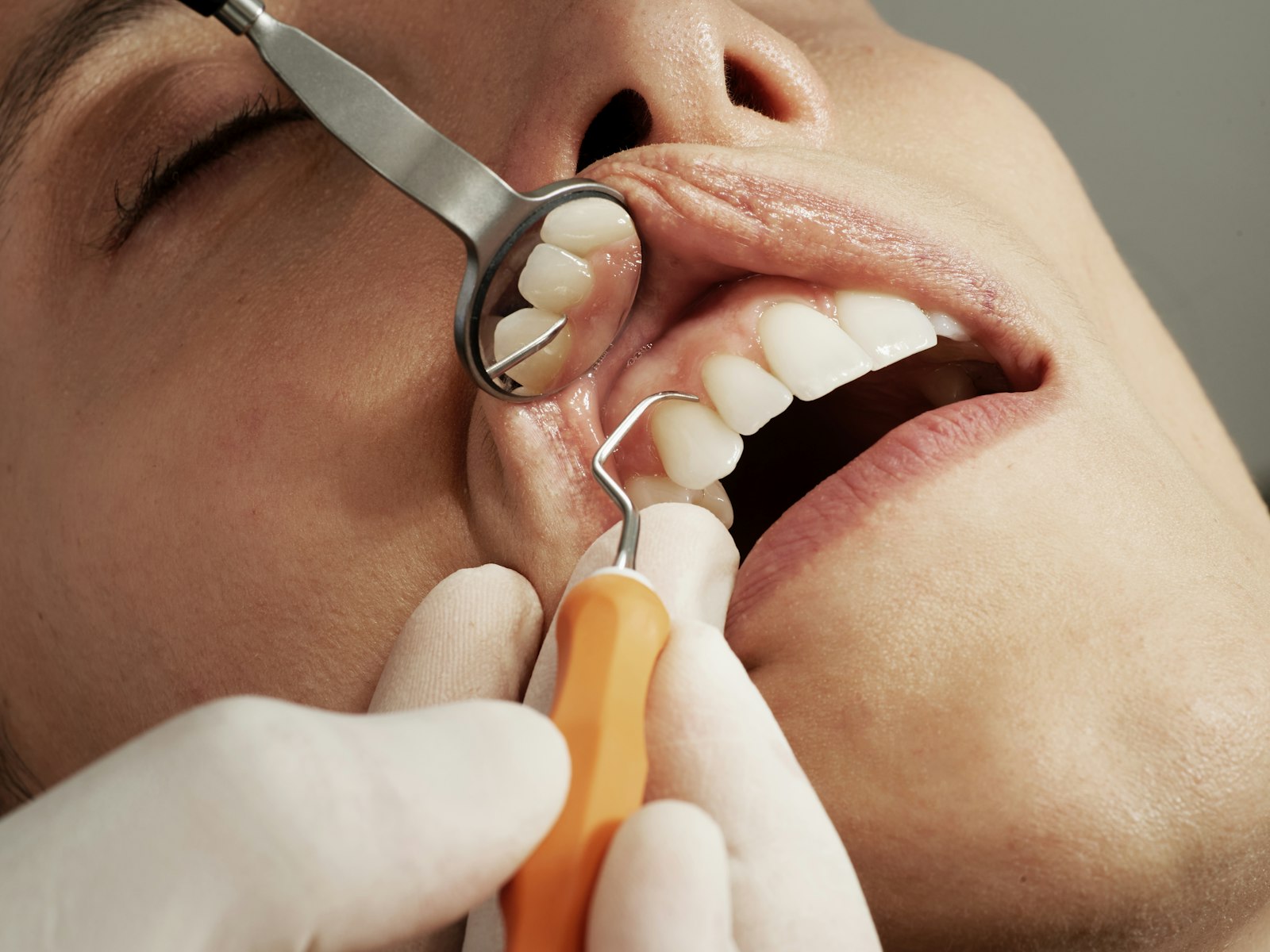
Tartar, also called calculus, is what plaque becomes when it is left in place and hardens. Minerals in your saliva crystallise within the plaque and turn it into a hard, rough deposit bonded to the tooth. This can begin within about 24 to 72 hours, which is why daily removal matters. Once formed, tartar cannot be brushed off. Its rough surface also collects more plaque, creating a cycle that a professional clean is designed to break.
How they compare
| Feature | Plaque | Tartar |
|---|---|---|
| Texture | Soft and sticky | Hard and crusty |
| How it forms | Builds up daily | Plaque left to harden |
| Can you remove it at home? | Yes, by brushing and flossing | No, needs a professional |
| Appearance | Hard to see | Yellow or brown deposits |
Why both matter for your health
Left unchecked, plaque and tartar drive the two most common dental problems: tooth decay and gum disease. Tartar along the gumline is a particular problem because it holds bacteria against the gums, feeding inflammation. That is how gum disease gets started, and why bleeding gums are often an early sign that plaque control needs improving.
How to keep tartar away
The strategy is simple: remove plaque thoroughly before it can harden. That means brushing twice a day with a fluoride toothpaste, cleaning between your teeth daily, and having a professional scale and clean at the interval your dentist recommends. Some tartar control toothpastes can slow new build-up, but they cannot remove existing tartar.
Frequently asked questions
How quickly does plaque turn into tartar?
It can begin hardening within about one to three days, though the exact time varies from person to person depending on saliva. This is why cleaning every day, not just most days, matters.
Can I remove tartar myself?
No. Home tools that claim to scrape tartar can damage enamel and gums. Removing tartar safely is a job for a dentist or hygienist.
Does everyone get tartar?
Most people build some tartar over time, but how much and how fast varies. Good daily cleaning greatly reduces it.
Is tartar the same as a cavity?
No. Tartar is hardened plaque on the tooth surface. A cavity is a hole caused by decay. Tartar can contribute to decay, but they are different things.
What to do next
If you can see or feel hard deposits on your teeth, or it has been a while since your last clean, a professional clean will remove tartar and reset your routine. You can view current clean and checkup options on our offers page.