
Purple toothpaste does not whiten teeth the way peroxide does: it leaves a thin violet tint on the surface so yellow reads as less yellow for a few hours, then brushes or rinses away. Patients I see often ask whether purple toothpaste works, usually after a social media video. A colour correcting toothpaste changes how your teeth reflect light, not the colour of the enamel or dentine. The Australian Dental Association's consumer site says much the same of whitening toothpastes in general: they act on the tooth surface and do not tend to make a large difference to the colour of the teeth.
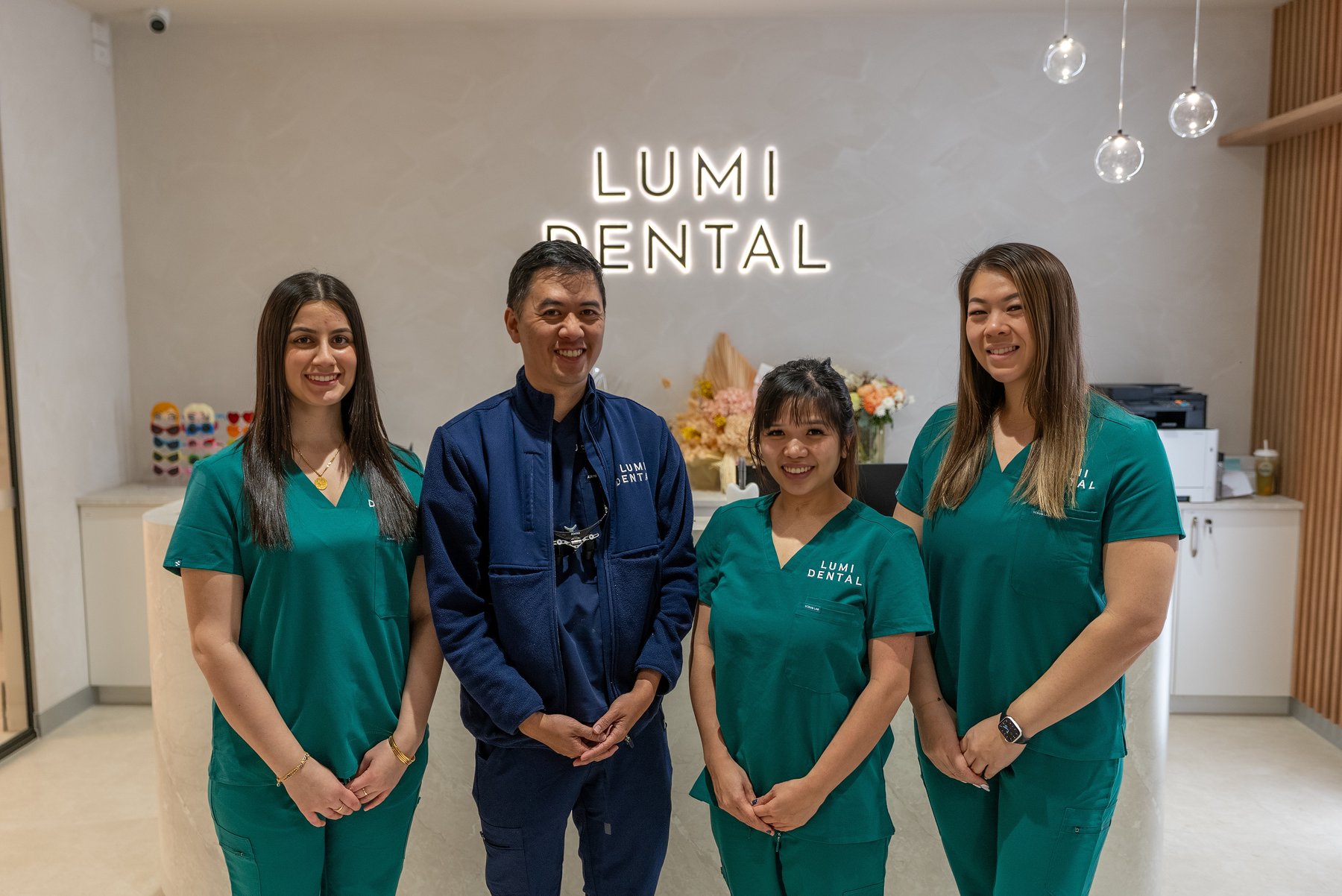
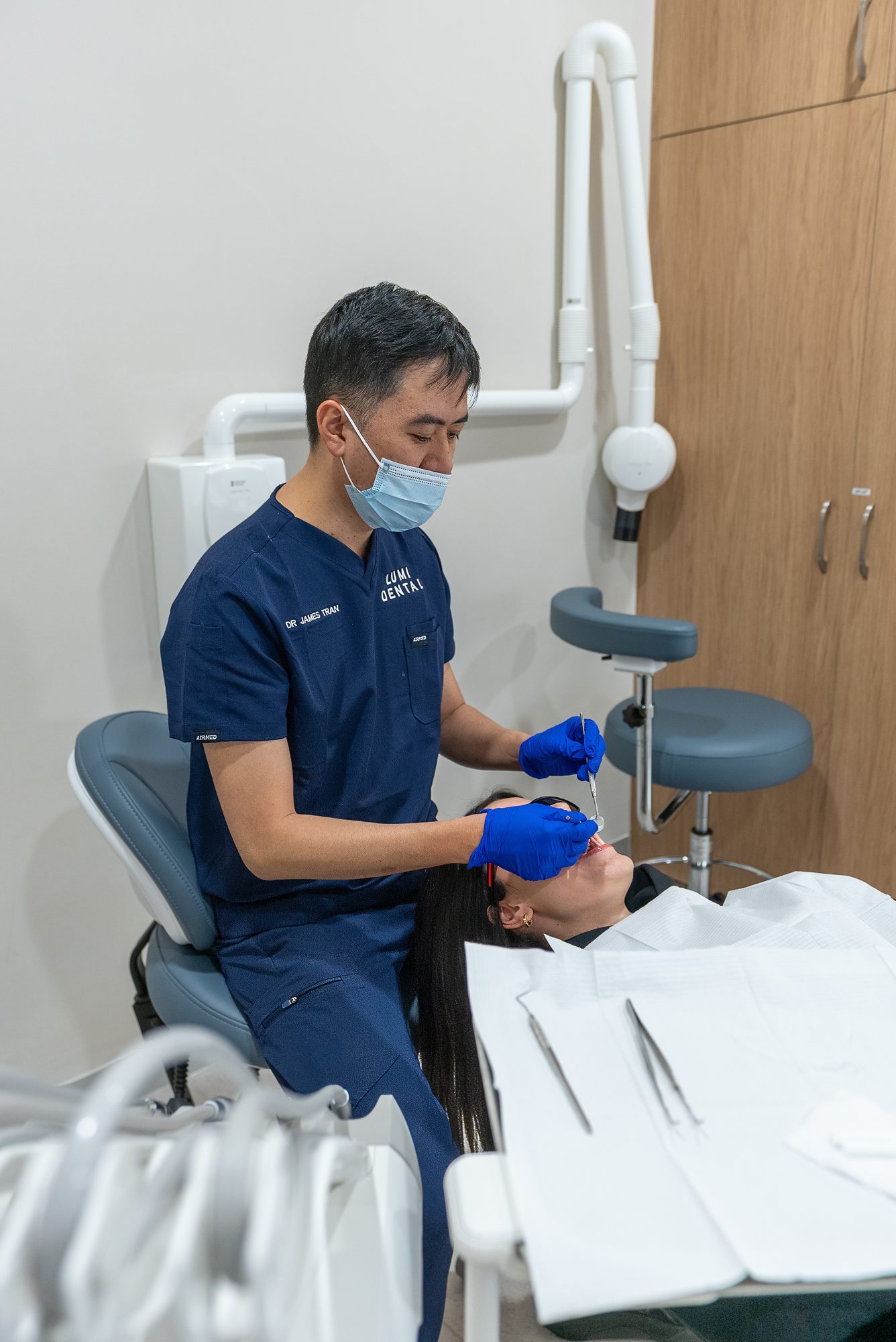
Written by Dr James Tran, BDent (University of Sydney), MICOI, GradDip (Oral Implants), general dentist at Lumi Dental in Melrose Park.
The short version
- Purple toothpaste is a colour corrector. Violet sits opposite yellow on the colour wheel, so a film of pigment makes yellow look less yellow until it is brushed off.
- Most contain no peroxide, so nothing is bleached; your tooth shade is the same the next morning.
- Whitening toothpastes work differently, through mild abrasives, stain blockers and sometimes very low peroxide that lifts surface stain only; see our guide to whether whitening toothpaste works.
- Only peroxide gels change the shade of the tooth itself. In Australia, products above 6% hydrogen peroxide or 18% carbamide peroxide are restricted to registered dental practitioners.
- It suits a quick lift before an event, not grey teeth, a single dark tooth, or anyone wanting a result that lasts.
- Judge the marketing with one question: does it claim to change the colour of the tooth, or only how it looks? Only the first is whitening.
How a colour corrector works
Colour correcting is borrowed from make-up. A purple concealer cancels sallow tones in skin because violet and yellow are complementary colours: seen together, the yellow reads as closer to neutral. Purple toothpaste applies the same idea to enamel. Brushing leaves a very thin layer of violet dye on the surface, and for a while your teeth look less yellow, particularly in photographs.
Three things follow. First, the effect is optical, not chemical. A systematic review of peroxide-free colour correctors in a dental journal found their laboratory colour change well short of what carbamide peroxide achieved in the same comparisons, though above the threshold at which the eye notices a difference. Second, it is temporary: the dye sits on the surface, so eating, drinking and brushing remove it. Third, it is uniform: a corrector cannot tell a yellow tooth from a white filling, so the filling gets tinted too.

What purple toothpaste can and cannot do
What it can do
It can take the edge off a yellow tone for a few hours and make reasonably white teeth look a touch brighter in photos. It is a low-risk choice for a small lift without peroxide, provided it contains fluoride or is used alongside a fluoride paste.
What it cannot do
It cannot change the shade of the tooth. Yellow dentine showing through thinning enamel, tea and coffee colour that has worked into the enamel over years, and the grey of a tooth that has lost its nerve all sit within the tooth, where a surface pigment never reaches. It cannot remove stain either, having no cleaning power beyond an ordinary paste. It does nothing for grey teeth: violet over grey looks duller, not whiter. Stain on a tooth versus colour inside it is covered in our guide to intrinsic and extrinsic staining.
In my experience, used heavily on chalky white patches, rough old fillings or plaque along the gum line, the pigment may collect as a faint mauve or grey tinge. It brushes away, but a dye settles wherever the surface is rough.
Purple toothpaste, whitening toothpaste, trays or in-chair: a comparison
| Option | How it works | Changes the tooth shade? | How long the effect lasts | Who it suits |
|---|---|---|---|---|
| Purple (colour correcting) toothpaste | Violet pigment left on the surface offsets yellow tones | No, optical only | Hours, until brushed off | A quick lift before photos or an event on healthy, mildly yellow teeth |
| Whitening toothpaste | Mild abrasives, stain blockers, sometimes very low peroxide | Barely; it lifts surface stain | Ongoing while used; stain returns once it stops | Tea, coffee and wine drinkers keeping surface stain down between cleans |
| Dentist-supplied take-home trays | Peroxide gel in custom-made trays, worn as directed over a few weeks | Yes | Long term with sensible habits and occasional top-ups | Most yellow and brown tones; people who want control over the shade |
| In-chair whitening | Stronger hydrogen peroxide gel applied by a dental practitioner, often with a light | Yes, in one visit | Long term, usually with take-home top-ups | People with a deadline |
Healthdirect notes that take-home whitening takes longer than in-chair treatment without making the final result better or worse. How long it lasts depends mostly on habits afterwards; see our guide to how long teeth whitening lasts.
If you want the colour of your teeth changed, start with a supervised peroxide course, not a colour corrector
That is the whole decision in one line. If you want a slightly brighter look for one evening, purple toothpaste is a harmless way to get it. If you want to look in the mirror in a month and see a different shade, only peroxide does that: it moves through enamel and breaks up pigment inside the tooth, which is why its result survives breakfast and why it needs supervision. The ADA's position is that whitening should follow a comprehensive dental examination, with the risks and likely result explained beforehand, and that the most common side effects are transient sensitivity and soft tissue irritation. A colour corrector has neither, because it does none of that work.

Safety, enamel and the rules on peroxide
Purple toothpaste is, as a rule, gentle. The systematic review above reported no significant enamel erosion with the correctors it examined and sensitivity in fewer than 3% of participants, though the products studied were mostly serums and gels and the evidence base was small. My questions when a patient shows me a tube are more mundane. Does it contain fluoride? Some do not, and swapping out your fluoride paste trades a small cosmetic gain for less decay protection. How abrasive is it? And is it being used to put off a check-up for a tooth that has gone dark on its own, which needs an X-ray rather than a tint?
Peroxide is where the regulation sits. Under the Poisons Standard as described in the ADA's whitening policy, products with 3% to 6% hydrogen peroxide or 9% to 18% carbamide peroxide may be sold directly to consumers with safety warnings, while anything above 6% hydrogen peroxide or 18% carbamide peroxide may only be sold, supplied and used by registered dental practitioners. The same policy notes that weak solutions under 3% have been used in mouthwashes and toothpastes for many years with few problems, and that the risk to gums and lips rises with concentration. Our article on whether chemist whitening kits are safe explains what to look for on the label.
How to judge the marketing claims
A few habits make the advertising easier to read. "Whitens instantly" means optical: bleaching takes days to weeks, so anything instant is a tint or stain removal. "Peroxide-free whitening" is not whitening in the sense the ADA uses the word, a product designed to penetrate the tooth and bleach the discolouration inside it. Before and after photos under different lighting prove nothing. "Removes stains" and "whitens" are different claims, and the first is usually the accurate one. And "dentist recommended" invites the question: which dentist, and for what?
The ADA's policy adds that some direct-to-consumer whitening marketing encourages unrealistic expectations and promotes ongoing use, despite a lack of clinical data on frequent home use over long periods. A corrector you must use every day to keep the look is a subscription, not a treatment.
How we approach this at Lumi Dental
At Lumi Dental in Melrose Park, whitening starts with an examination by a dentist, because the shade you start from decides what is realistic. The team photographs the starting shade, checks for decay, cracks, gum inflammation and fillings, crowns or veneers that will not change colour, then talks through in-chair and take-home options. The hygiene team, our oral health therapists, may deliver whitening maintenance afterwards. Lumi Dental's whitening options compared are set out in this guide, current offers are on the current deals page, and a written quote follows the examination.
Questions patients ask
Does purple toothpaste actually whiten your teeth?
No. It tints the surface with a violet pigment so yellow tones look less yellow for a few hours. The enamel and dentine are unchanged, which is why the effect is gone after your next brush.
How long does the purple toothpaste effect last?
Usually a matter of hours. The dye sits on the surface and comes off with eating, drinking and brushing. Any lasting look comes from repeated use, not a durable result.
Is purple toothpaste safe for enamel?
Generally yes: the pigment itself does not bleach or etch. Check whether the paste contains fluoride and how abrasive it is, since any paste used with a hard brush and heavy pressure can wear enamel. Charcoal pastes raise the same question, as our guide to charcoal whitening explains.
Can purple toothpaste stain your teeth or gums?
It can leave a temporary mauve or grey tinge where the surface is rough: chalky white patches, plaque along the gum line or old fillings. It brushes away. If a tooth stays dark after you stop, the colour was already there and needs an examination.
Can I use purple toothpaste after professional whitening?
You can, though most people who have had a supervised course do not need it. If the shade has drifted, a short top-up in your existing trays does more than a corrector. Avoid any whitening product on sensitive teeth in the first days after treatment.
See what whitening can do for your shade: complimentary cosmetic consult in Melrose Park
If you are weighing up purple toothpaste against whitening that changes the shade, the team at Lumi Dental in Melrose Park can photograph your current colour, check that your teeth and gums are ready, and tell you plainly what a supervised course may achieve. Book a complimentary cosmetic consult, or read more about teeth whitening at Lumi Dental. Patients visit from Ryde, Parramatta, Ermington, Rydalmere and nearby suburbs.
Sources
- Australian Dental Association (teeth.org.au): 3 ways whitening toothpaste work
- Australian Dental Association: Policy Statement 2.2.8 on teeth whitening (bleaching)
- healthdirect: Teeth whitening
- PubMed: Hydrogen peroxide-free color correctors for tooth whitening, a systematic review
About the author

Dr James Tran is a general dentist at Lumi Dental in Melrose Park. He holds a BDent from the University of Sydney and a Graduate Diploma in Oral Implants, and is a Member of the International Congress of Oral Implantologists (MICOI).
This article is general information only and is not a substitute for an examination and individual advice from a registered dental practitioner. Suitability for any treatment varies from person to person.