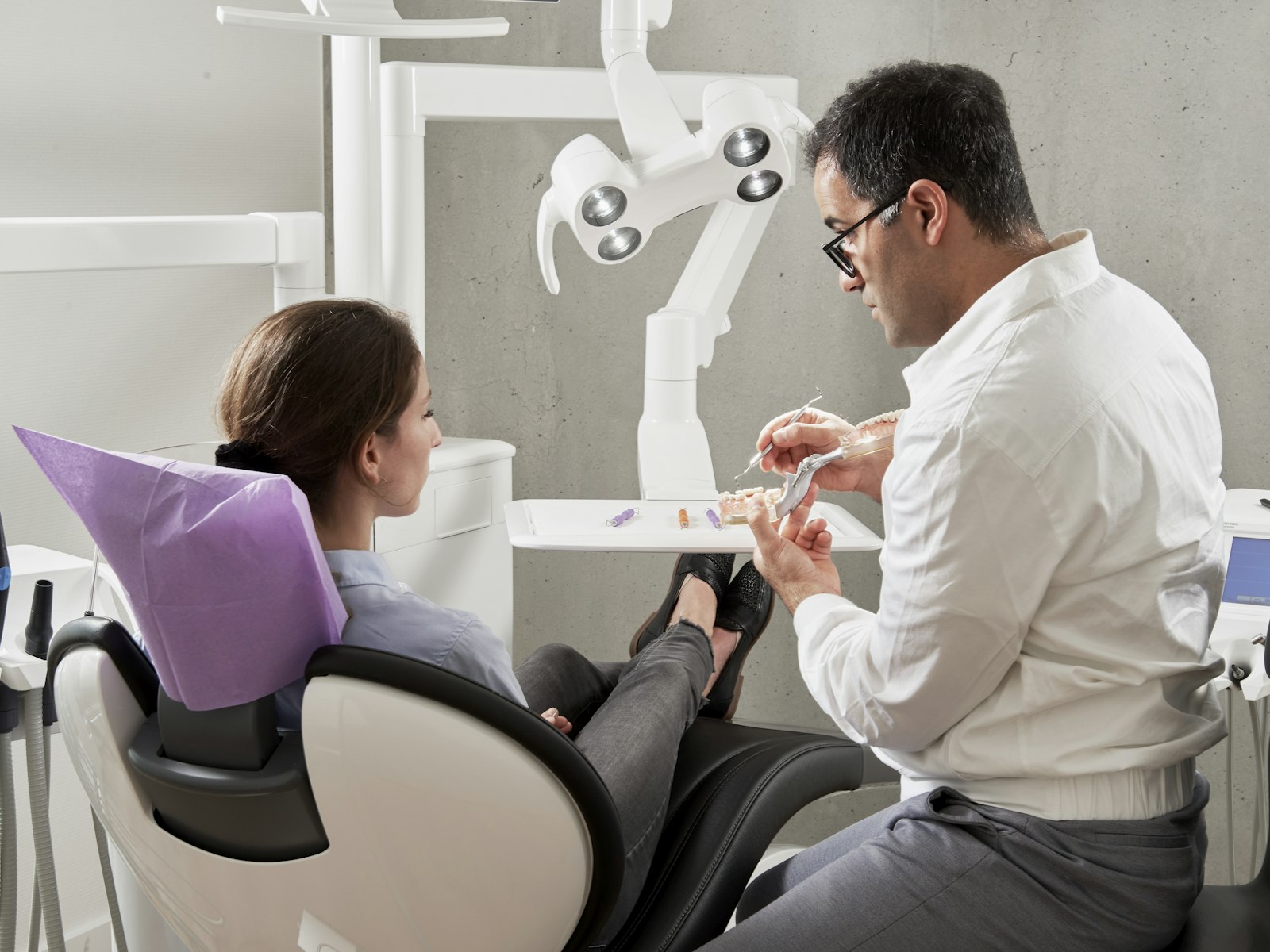
If you are worried about a relative's mouth in residential aged care, the odds are that you are right to be. A Victorian study found 84.7 percent of nursing home residents had untreated tooth decay, and estimates of untreated decay across Australian residential aged care run as high as 70 percent. Oral care in residential aged care is one of the most consistently missed parts of daily care, and families are often the ones who notice first.
This guide is written for the adult child visiting on a Sunday who thinks something is wrong and does not know what to look at or what to ask. It is not written for nurses or policy makers.
Key Takeaways
- Untreated decay is common in Australian aged care, with one Victorian study reporting 84.7 percent of residents affected.
- An analysis of more than 360,000 residents found 19.6 percent entered residential aged care with at least one recorded oral health concern already.
- Dry mouth caused by multiple medicines is the single biggest driver, and it accelerates decay quickly.
- Root decay is the characteristic pattern, because gums recede with age and root surface has no enamel to protect it.
- Poor oral health in this group is linked to aspiration pneumonia and poorer nutrition, and is associated with cardiovascular disease and cognitive decline.
- Ask for a documented oral health assessment, daily brushing assistance, labelled dentures and a named external dental provider in the care plan.
Why this gets missed so often
The Royal Commission into Aged Care Quality and Safety recommended improving residents' access to oral health practitioners, and dental and oral health care was subsequently added to the Quality of Care Principles. Progress since then has been limited, and the numbers show it.
In the wider older population, around 32 percent of people aged 55 to 74 and 25 percent of those aged 75 and over have untreated decay. Around 51 percent of people aged 55 to 74 and 69 percent of those aged 75 and over have gum disease. People often arrive at a facility with problems already present, which is why 19.6 percent of residents in one large analysis had a recorded oral health concern on entry.
Once someone is in care, several things stack up. Mouth care is unglamorous, it takes time, and it is often the task that gets dropped when staffing is tight. Residents with dementia may resist it, which makes it harder still. Many residents cannot report pain clearly, so a painful tooth shows up as refusing food or becoming agitated rather than as a complaint. And getting a dentist to attend is logistically harder than getting a GP.
None of this is a reason to accept it. It is a reason to be specific about what you ask for.
What to look for when you visit
You do not need to examine anyone. Most of the useful signs are things you would notice over a cup of tea if you knew to watch for them.
| What you notice | What it may mean | What to do |
|---|---|---|
| Refusing food, or only eating soft or cold things | Toothache, a broken tooth, mouth ulcers, or a denture that no longer fits | Ask staff to record it and request a dental assessment, not just a diet change |
| New or strong bad breath | Gum infection, decay, food trapping, poor denture hygiene or dry mouth | Ask what the daily mouth care routine is and when it was last done |
| Pulling at the face, rubbing the jaw, or wincing while eating | Dental pain in someone who cannot report it verbally | Ask for a pain assessment and a dental review, and note the time of day it happens |
| Dentures sitting in a drawer or not worn | They no longer fit, they rub, or nobody is helping put them in | Ask for the dentures to be assessed and labelled, and for help fitting them daily |
| Blood on the pillow, the toothbrush or in the sink | Gum disease, which is common and usually painless until late | Request a dental review, and ask whether brushing is being done daily |
| Unexplained weight loss | Difficulty chewing, mouth pain, or an ill fitting denture limiting the diet | Raise it with the GP and request a dental assessment at the same time |
| Sudden agitation or behaviour change in someone with dementia | Pain is a common and often overlooked cause of behaviour change | Ask for pain and mouth to be checked before any medication change is considered |
Dry mouth is usually the root of it
Saliva does more than most people realise. It washes away food, neutralises acid, carries minerals that repair early decay, and helps hold a denture in place. Take it away and decay can advance in months rather than years.
The most common cause in this age group is medication, and specifically the number of medicines rather than any one drug. Classes that commonly contribute include antidepressants, antipsychotics, diuretics, blood pressure medicines, opioid pain relief, antihistamines and anticholinergic medicines used for bladder control. Many residents take several of these together.
Never stop or change a prescribed medicine on dental advice. That is not the family's call and it is not the dentist's call. What you can do is raise dry mouth with the prescriber or the GP, so they can review whether any substitutions are possible, and ask for the dry mouth itself to be managed.
Practical management includes frequent sips of water, saliva substitute gels or sprays, sugar free lozenges or chewing gum where the person can safely use them, avoiding sugary drinks used to relieve a dry mouth, and high fluoride toothpaste on prescription. Our guide to dry mouth causes and treatment goes into this in more depth.
Root decay, the pattern to expect
Decay in older adults often does not look like the cavities people remember from childhood. Gums recede over the years, exposing root surface that has no enamel covering it. Root surface is softer, it dissolves at a milder level of acidity, and it decays faster.
Root decay tends to appear as a soft, brown or yellow band right at the gum line, frequently on several teeth at once. It can circle a tooth and eventually snap the crown off, sometimes with very little warning and often with little pain. It is also easy to miss when a mouth is only glanced at.
The prevention is unglamorous and effective: daily brushing with a high fluoride toothpaste, managing dry mouth, and cutting the frequency of sugary drinks and snacks. Our articles on root decay in older adults and receding gums cover the detail.
What a good care plan actually contains
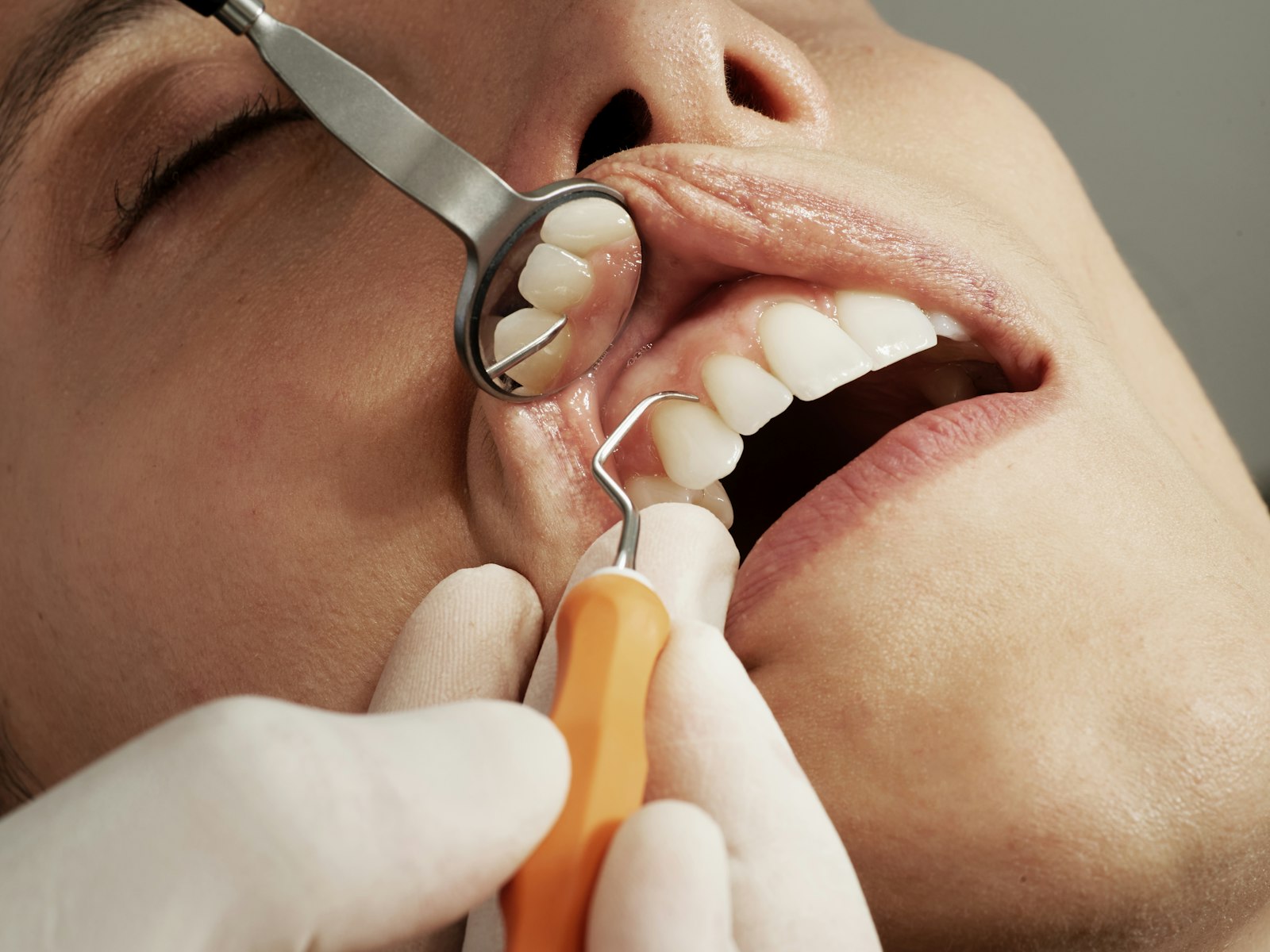
You are entitled to see the care plan and to ask for oral health to be part of it. A reasonable plan includes the following.
- A documented oral health assessment on entry, and a regular review rather than a one off.
- Daily assistance with brushing, recorded as a task, with the level of help specified.
- Denture care: labelled with the resident's name, cleaned daily, and removed overnight.
- A named external dental provider and a process for arranging a visit.
- A note of dry mouth risk and any products prescribed for it.
- A plan for what happens if the resident refuses care, rather than simply recording that they refused.
Questions to ask the facility
Ask these calmly, in person, and write down the answers. Being specific gets better results than expressing general concern.
- Has an oral health assessment been done, when, and can I see it?
- Who helps with brushing, how often, and is it recorded each day?
- Which dental provider do you use, and how do I request a visit?
- Are the dentures labelled, and are they removed at night?
- Has anyone noticed changes in eating, or refusal of mouth care?
- If mouth care is being refused, what approach is being tried?
Helping someone who resists mouth care
Resistance is common in dementia and it is usually about feeling threatened rather than about the toothbrush. A few practical approaches help.
- Approach from the side rather than standing in front, which feels far less confrontational.
- Keep sessions short. Twice a day for 30 seconds beats one battle.
- Give one instruction at a time, in short sentences, and wait.
- Offer a second toothbrush to hold. Having something in their own hand reduces resistance for many people.
- Chain the task to an existing routine, such as always after breakfast in the same chair, so it becomes familiar.
- Try again 20 minutes later rather than pushing through a refusal.
These techniques are worth sharing with staff, and worth using yourself when you visit. Consistency across carers matters more than technique.
Seeing a dentist: in the practice or at the facility
Not every resident needs a home visit. Many people in residential care can still attend a dental practice with support, particularly if they are mobile, family can bring them, and the practice has ground level access and time set aside for a slower appointment. Being seen in a practice usually means better lighting, X rays and the full range of treatment options.
Others genuinely cannot travel, and a domiciliary visit is the right answer. Portable equipment is limited compared with a practice, so these visits are best for assessment, prevention, denture checks and simple treatment, with more complex work planned separately. Either way, mention mobility, cognition, medicines and any transfer needs when you book, so the right amount of time is allowed.
Common questions
My relative has dementia and will not open their mouth. What can I do?
Start with approach rather than force. Come from the side, keep it short, use one short instruction at a time, and try again later rather than persisting through distress. If refusal is consistent, ask for it to be documented and for a plan to be made, because sudden refusal can itself be a sign of mouth pain.
Do dentures need to come out at night?
Generally yes. Leaving dentures in overnight is associated with sore, inflamed tissue underneath and with a higher risk of chest infection. They should be cleaned, stored in water and labelled with the resident's name, since lost dentures are extremely common in shared laundry and dining settings.
Is it worth treating teeth at 90?
Often, yes, though the goals change. The aim is comfort, the ability to eat, and avoiding infection, rather than a perfect set of teeth. Simple, well timed treatment can prevent a painful emergency later. A good dentist will discuss what is realistic given health, cognition and life expectancy rather than proposing everything possible.
Can poor oral health really affect general health?
It can. Poor oral hygiene in frail older people is linked with aspiration pneumonia, where bacteria from the mouth are inhaled into the lungs, and it contributes to poorer nutrition when chewing becomes difficult. Gum disease is also associated with cardiovascular disease and with cognitive decline. Our guide to gum disease treatment explains the condition and how it is managed.
Who pays for dental care in aged care?
It varies. Some residents are eligible for public dental services, some have private health insurance, and some pay privately. Fees are not covered by the aged care subsidy in the way nursing care is. Ask for a written quote before treatment, and ask about public waiting lists if cost is a barrier.
Getting started
If you are worried about a family member, a check with the team at Lumi Dental in Melrose Park is a sensible first step, whether they can attend the practice with support or you simply want advice on what to ask the facility. See our current offers page, read more about general dentistry in Melrose Park, or start with our broader guide to dental care for seniors and older adults. The practice is open Monday to Saturday, with Sunday by appointment.
This article is general information and is not a substitute for individual advice from a dentist who has examined you.