
Sensitive teeth in children usually have a cause a dentist can see: a newly erupted adult tooth that is still settling, chalky enamel, early decay or acid wear from drinks. A short, sharp twinge with cold that stops as soon as the cold is gone is common and often harmless. Pain that lingers, arrives with hot food, or wakes a child at night needs an appointment. Better Health Channel notes that about one in six children have chalky teeth, where the enamel did not harden properly, and that these teeth are more sensitive and at much higher risk of decay.
Written by Dr James Tran, BDent (University of Sydney), MICOI, GradDip (Oral Implants), general dentist at Lumi Dental in Melrose Park.
The short version
- Most sensitivity in children comes from a new adult tooth, chalky (hypomineralised) enamel, decay, acid erosion, or a chipped or grinding-worn tooth.
- Short sharp twinges with cold that stop straight away are usually dentine sensitivity. Pain that lingers, throbs or comes with hot drinks points to the nerve and needs a dentist.
- Use the right fluoride toothpaste for your child's age and a soft brush, and keep brushing the sore tooth rather than skipping it.
- Adult desensitising toothpastes and whitening products are not made for children.
- If the first adult molars have creamy or brown patches, read our guide to molar incisor hypomineralisation (MIH) in children.
Why a child's tooth becomes sensitive
Anything that thins the enamel, leaves it soft or breaks through it lets cold, sweet or acidic things reach the dentine and the nerve beneath. Children's enamel is thinner and the nerve larger than in adults, so it reacts more readily. These are the causes I see most often.
Newly erupted adult teeth
Raising Children Network notes that children usually start losing baby teeth from around 6 years of age. The enamel on a fresh adult tooth keeps maturing after it appears, so a new molar or front tooth that twinges with cold water for a few weeks is common and usually settles. Our article on six-year molars covers what to expect.
Chalky teeth (MIH) and enamel hypoplasia
In molar incisor hypomineralisation, patches of enamel on the first adult molars, and often the front teeth, form with less mineral than normal. They look creamy, yellow or brown, can be sensitive to cold, hot, sweet food and brushing, and break down easily. Better Health Channel notes chalky teeth can be confused with decay. Enamel hypoplasia is a related problem where the enamel is thin or pitted rather than soft.
Tooth decay
Decay is the most common cause of a tooth that is both sensitive and sore. Raising Children Network describes how plaque bacteria feed on sugar and make acid that damages the tooth, and warns that untreated decay can cause pain and infection. Early decay shows as a dull white band near the gum; a brown spot or a hole means the enamel has broken through.
Acid erosion from drinks
Healthdirect lists fruit juice, soft drink (including sugar-free), sports and energy drinks and citrus fruit among the acids that soften and wear away enamel, and notes that frequent sipping keeps acid on the teeth longer. Eroded teeth become sensitive to heat and cold and chip easily. Our guide to sports drinks and tooth erosion covers the worst offenders.
Grinding, chips, cracks and fillings
Night grinding wears enamel thin on the biting surfaces. A chip after a fall exposes dentine, and a crack can do the same without being visible. A new filling can leave a tooth sensitive for a short time; if that lasts beyond a couple of weeks, have it checked.

Sensitivity or toothache? What to watch for
Children are rarely precise about where it hurts, so parents become the observers. The pattern tells us more than the intensity: which tooth, what sets it off and how long it lasts.
| What you notice | What it usually means | What to do |
|---|---|---|
| Short sharp twinge with cold that stops straight away | Dentine sensitivity: a new tooth, a chalky patch, thin enamel or a chip | Soft brush, correct toothpaste, mention it at the next check-up |
| Twinge with sweet food on one tooth | Decay is likely | Book within a week or two |
| Pain that lingers for minutes after hot or cold, or starts with hot drinks | The nerve inside the tooth is inflamed | Book within days |
| Pain that wakes the child at night or throbs without a trigger | Nerve inflammation or infection | See a dentist as soon as possible |
| Swollen gum, pimple on the gum, swollen face or fever | Abscess until proven otherwise | Same day; emergency department if swelling spreads or the child cannot swallow |
Better Health Channel lists a throbbing toothache, sensitivity to hot and cold, pain on biting, fever and a swollen face as signs of a tooth abscess in children, and advises immediate care. For tonight, see our guide to child toothache and when to see a dentist.
If the twinge stops when the cold is gone, manage it at home; if the pain lingers, book now
That single rule covers most of the decisions parents ask me about. A twinge that switches off the moment the trigger is removed is coming from dentine and can wait for a routine check. Pain that outlasts the trigger, arrives on its own or comes with heat is coming from the nerve, and the sooner the tooth is examined the more options there are.
What parents can do at home
Brush and toothpaste
Choose a soft, small-headed brush and use small gentle circles. Raising Children Network recommends soft bristles and advises supervising brushing until a child is at least 8. The Australian Dental Association's toothpaste guidance goes by age: no toothpaste before 18 months, a children's toothpaste with 500 ppm fluoride from 18 months to 6 years, and a standard toothpaste with 1000 to 1450 ppm fluoride from 6 years, in a pea-sized amount, spitting out but not rinsing. Our article on how much fluoride toothpaste children need has a picture guide.
The most common mistake I see is a sore tooth being skipped. Plaque left on a sensitive molar makes it more sensitive, and on a chalky molar it speeds up the breakdown.
Sensitive toothpastes and whitening products
Adult desensitising toothpastes usually carry an age limit on the pack, often 12 years and over, and are not a substitute for finding the cause. Whitening toothpastes, strips and kits are not made for children: they add sensitivity and do nothing for weak enamel.
Food and drink
Healthdirect advises limiting acidic drinks, using a straw, rinsing with water afterwards, and waiting at least 30 minutes before brushing after an acidic drink because enamel stays soft for about 20 to 30 minutes. Water after sport, and sweet things kept to mealtimes, reduce both erosion and decay.

What the dentist can do
The appointment begins with finding which tooth and why: a look, a gentle test with air or cold, and small X-rays where decay between the teeth is suspected. Treatment follows the cause.
- Fluoride varnish on sensitive or chalky teeth, repeated every few months where needed. Healthdirect notes that varnish or a remineralising treatment can strengthen remaining enamel.
- Fissure sealants on the grooves of new molars, described by Raising Children Network as quick and painless.
- Fillings for decay or a broken chalky corner, using tooth-coloured material.
- A protective cover for a badly broken-down first molar, or referral to a paediatric dentist where more is needed than can comfortably be done in the chair.
When to see a dentist promptly
- Pain that lingers after the hot or cold is gone, or that starts with hot food
- Pain that wakes the child at night or comes on by itself
- A visible hole, a brown spot or a broken corner
- A swollen gum, a pimple on the gum, a swollen face or a fever: the same day
How we approach this at Lumi Dental
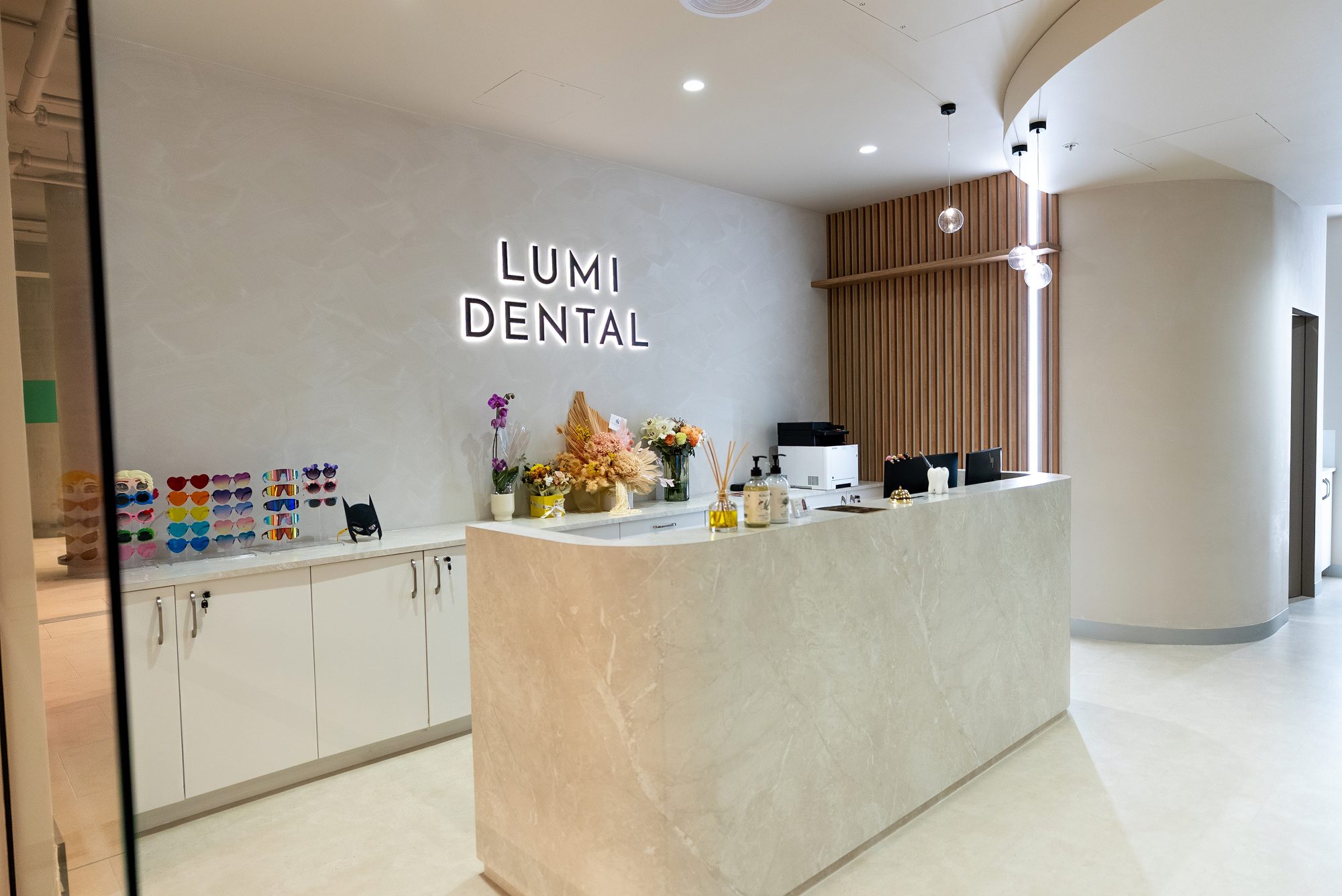
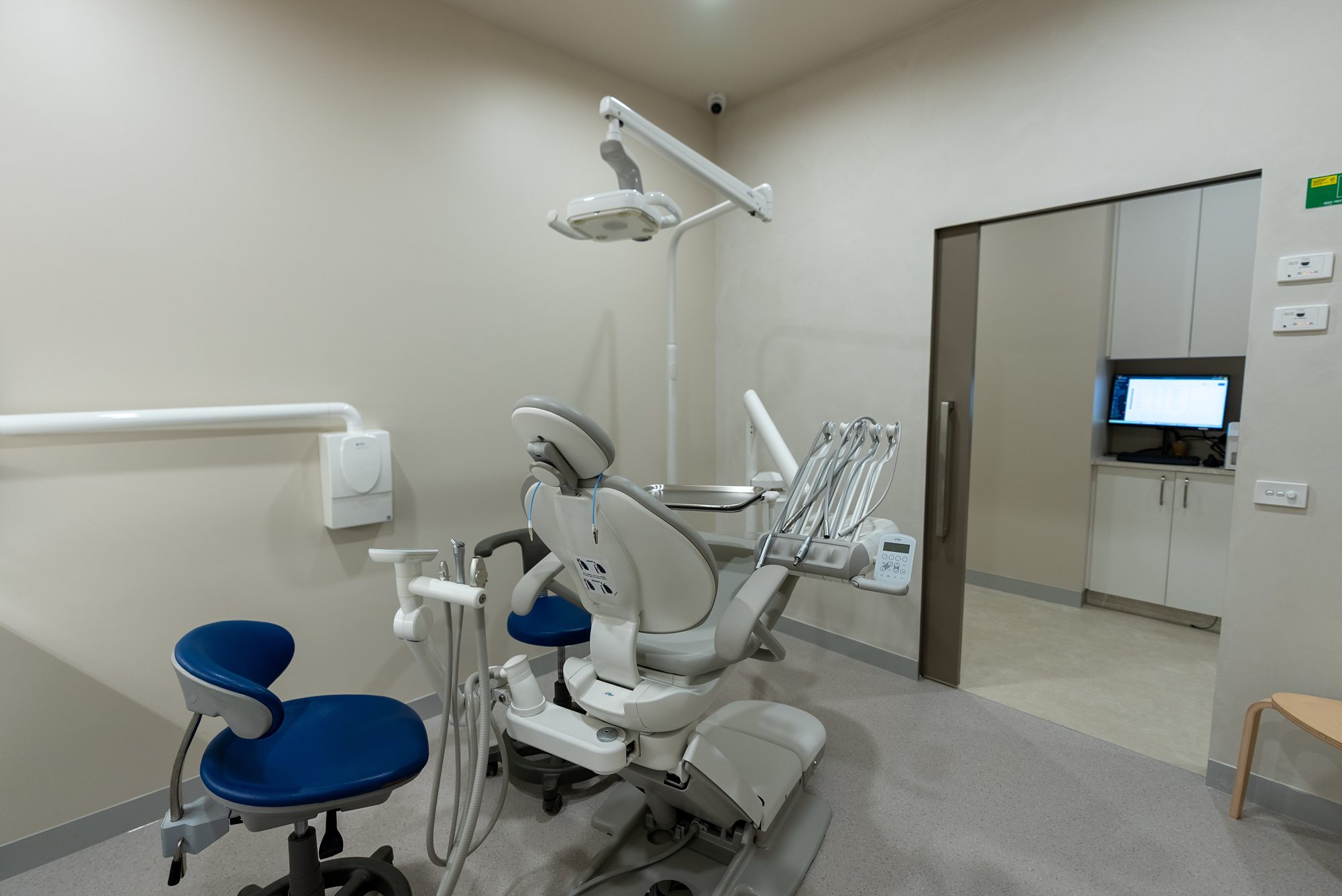
At Lumi Dental in Melrose Park, a child with a sensitive tooth is examined by a dentist, with small X-rays only where they change the plan. Fluoride varnish, sealants and coaching come from the dentist and the oral health therapists, and fillings from the dentist, using tooth-coloured materials. Where a child needs more than is comfortable in the chair, we refer to a paediatric dentist or hospital service rather than pushing on. Lumi Dental accepts the Child Dental Benefits Schedule for eligible children; see our children's dentist in Melrose Park page and our article on the CDBS explained.
Questions patients ask
Why are my child's new adult teeth sensitive to cold?
The enamel on a new tooth is still maturing and the nerve inside is large, so cold reaches it easily. This usually settles over weeks to months. If the tooth has creamy or brown patches, or the sensitivity is getting worse, have it checked for MIH.
Can children use sensitive toothpaste?
Most adult desensitising toothpastes carry an age limit, often 12 and over, so check the label and ask your dentist first. For younger children the usual advice is the correct fluoride toothpaste for their age, gentle brushing and treating the cause. Fluoride varnish at the dentist often does more than any paste.
Is tooth sensitivity in a child a sign of a cavity?
Sometimes. Sensitivity to sweet food on one tooth, or a twinge on a tooth that used to be fine, is a common early sign of decay. A dentist can usually tell with a look and a small X-ray.
What can I give my child for a sensitive tooth that hurts?
Paracetamol or ibuprofen at the packet dose for your child's age and weight is reasonable while you arrange an appointment. Avoid very hot or cold food and drink and keep the tooth clean with a soft brush. Our guide to child toothache tonight covers the rest.
Does the Child Dental Benefits Schedule cover sensitive teeth?
Raising Children Network notes that the CDBS covers basic dental care for eligible children aged 0 to 17 at most private and public dental services, which is where examinations, X-rays, fluoride treatments and fillings usually sit. Lumi Dental accepts the CDBS.
Children's dentist in Melrose Park, CDBS accepted
If your child winces at cold drinks or has started chewing on one side, the team at Lumi Dental in Melrose Park can find the cause. Book with our children's dentist in Melrose Park, see the current offers for families, or contact the practice to check your child's CDBS eligibility. Families visit from Ryde, Parramatta, Ermington, Rydalmere and nearby suburbs.
Sources
- Raising Children Network: Teeth development, dental health and dental care for school-age children
- Australian Dental Association (teeth.org.au): Tips for choosing toothpaste
- Better Health Channel: Oral conditions, young children
- healthdirect: Dental erosion
About the author
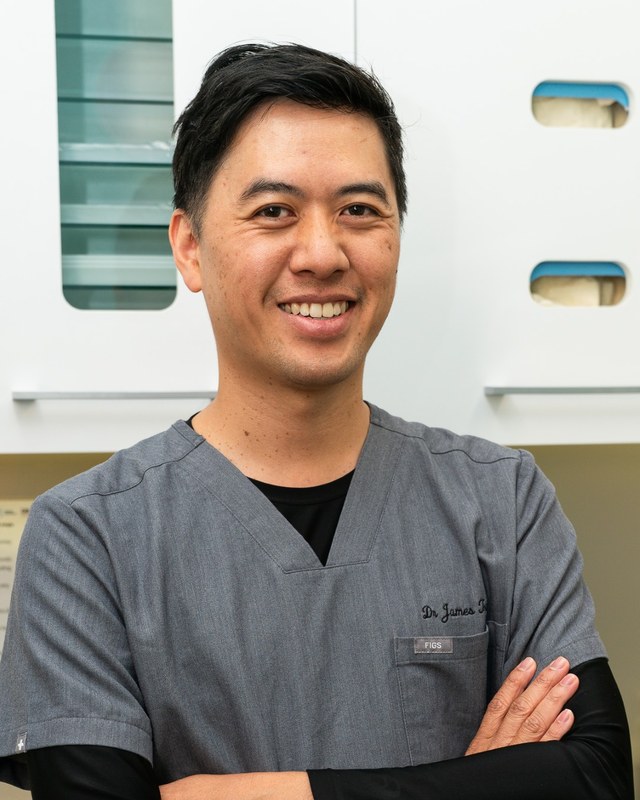
Dr James Tran is a general dentist at Lumi Dental in Melrose Park. He holds a BDent from the University of Sydney and a Graduate Diploma in Oral Implants, and is a Member of the International Congress of Oral Implantologists (MICOI).
This article is general information only and is not a substitute for an examination and individual advice from a registered dental practitioner. Suitability for any treatment varies from person to person.