



The single most useful clue with shingles in the mouth is that symptoms stay strictly on one side and stop abruptly at the midline. Oral shingles, or herpes zoster affecting the mouth and face, is uncommon but worth knowing about, because it can present first as toothache with no dental cause at all. That matters: a healthy tooth can end up being drilled, root treated or even removed for pain that was never coming from the tooth in the first place.
Key Takeaways
- Shingles in the mouth is a reactivation of the varicella zoster virus, the same virus that causes chickenpox, which stays dormant in nerve tissue afterwards.
- Symptoms follow a single nerve branch, which is why they are strictly one-sided and stop at the midline.
- Pain, burning or tingling typically comes first, often a couple of days before any blisters appear, which is when it is most likely to be mistaken for toothache.
- Antiviral treatment is generally most useful when started early, so seeing your GP promptly matters.
- Seek urgent medical care for any eye involvement, ear symptoms with facial weakness, or severe systemic illness.
- A dentist's role here is to recognise the pattern, rule out a dental cause, support comfort and refer you on.
What Shingles Actually Is
If you had chickenpox, the varicella zoster virus did not leave your body afterwards. It retreated into nerve tissue and went dormant, where it can sit quietly for decades.
Shingles is what happens when it reactivates. Reactivation is more commonly reported with increasing age and in people whose immune system is under strain, whether through illness, certain medications or significant physical or emotional stress. When it wakes up, it travels along the nerve it was sitting in and produces symptoms in exactly the area that nerve supplies. That distribution is the key to the whole picture.
Most people think of shingles as a band of blisters around the ribs, which is the most familiar presentation. But the virus can reactivate in any sensory nerve, including the trigeminal nerve, which supplies sensation to the face and mouth. When it does, you get facial and oral symptoms instead.
Why It Is So Strictly One-Sided
The trigeminal nerve has three main branches on each side of the face. Reactivation happens in one branch, on one side, so the symptoms map onto that branch's territory and go no further.
The maxillary branch supplies the cheek, the side of the nose, the lower eyelid, the upper gum, the upper teeth and the palate. Reactivation there can produce pain and lesions across the upper gum and one side of the palate, along with skin changes on that cheek and nose.
The mandibular branch supplies the lower jaw on that side, including the lower gum, lower teeth, the floor of the mouth and part of the tongue, along with skin over the lower face.
The ophthalmic branch supplies the forehead, upper eyelid and eye. Involvement here is a particular concern because the eye can be affected.
Whichever branch is involved, the boundary is sharp. Lesions on the palate will typically run up to the centre line and stop. Ulcers will be on one side of the tongue and not the other. Almost nothing else in the mouth behaves like that, which is why the pattern is such a useful signal.
How It Typically Unfolds
The sequence described in the literature is fairly consistent, though it varies between people.
First comes a prodrome, a period before anything is visible. People often describe burning, tingling, aching, shooting pain or a sensation very much like toothache in one area. Some feel generally unwell with fever, fatigue or malaise. This phase typically lasts a couple of days, sometimes longer. This is the stage where a healthy tooth is most at risk of unnecessary treatment, because there is pain and there is nothing to see.
Then the lesions appear. On skin they show as clusters of small blisters on a red base. Inside the mouth, the blisters are fragile and break down quickly, so what you actually see is usually clusters of small ulcers on the palate, gums, inside of the cheek or tongue, again strictly on one side. The affected area is often tender and the gums may look inflamed along the same distribution.
Over the following weeks the lesions crust and heal. Pain usually settles as they do, but not always.
Complications Worth Knowing About
These are reported as uncommon rather than typical, but they are the reason prompt medical review matters.
Post-herpetic neuralgia is nerve pain that persists after the rash has resolved. It can last months and is generally harder to treat once established, which is part of why early antiviral treatment is emphasised.
Effects on the underlying bone and teeth in the affected area have been reported in the literature, though rarely. These are uncommon outcomes, but they are one reason the dentist involved will usually want to review the area once the acute phase settles.
Ramsay Hunt syndrome occurs when the facial nerve is involved. Reported features can include ear pain, blisters in or around the ear, hearing changes, dizziness and weakness on one side of the face. This warrants urgent medical review, so do not wait to see if it improves.
Eye involvement, where the ophthalmic branch is affected, is also a reason for urgent care. Lesions on the tip or side of the nose are sometimes described as a warning sign that the eye may be involved.
Telling Oral Shingles Apart From Other Causes of Mouth Pain
| Feature | Oral shingles | Toothache | Mouth ulcers |
|---|---|---|---|
| Which side | Strictly one side, stops abruptly at the midline | Usually one tooth or area, does not follow a nerve pattern | Can appear anywhere, often both sides |
| Pattern of spread | Follows the distribution of a single nerve branch | Localised to a tooth, may radiate vaguely to the jaw or ear | Scattered, no anatomical pattern |
| Skin involvement | Often has a matching rash or blisters on the face on the same side | No skin rash, though facial swelling can occur with infection | No skin involvement |
| Pain before visible signs | Typically burning or aching for a couple of days before lesions appear | Pain and the dental cause are usually present together | Pain usually starts with or just before the ulcer |
| Dental findings | Examination and x-rays often show no cause for the pain | Usually a decayed, cracked or heavily filled tooth, or gum infection | Teeth are normal |
| Feeling generally unwell | Fever, fatigue and malaise are commonly reported early | Only with a spreading infection such as an abscess | Usually feel otherwise well |
| Recurrence | Reactivation of a dormant virus, usually a single episode | Recurs if the dental cause is not treated | Often recurrent in the same person over years |
Cold sores deserve a mention too. They are caused by a different virus, herpes simplex, and typically appear on or around the lips rather than deep inside the mouth on a nerve distribution. They also tend to recur in the same spot repeatedly over years, which shingles generally does not.
What to Do Now
If this pattern sounds like what you are experiencing, here is a sensible order of action.
- See your GP promptly. This is a medical condition and antiviral treatment is generally described as most useful when started early. Do not wait several days to see whether it settles.
- Seek urgent medical care if there is any eye involvement, any ear symptoms with facial weakness, or if you are severely unwell.
- Book a dental assessment too, particularly if the pain feels like toothache. A dentist can examine and x-ray the area to establish whether there is a genuine dental cause that also needs attention.
- Do not push for immediate tooth treatment. If your dentist has found no dental cause and suspects something else, that is a reason to pause, not a reason to go elsewhere for the extraction.
- Keep a note of when symptoms started and on which side. It is genuinely useful information for whoever assesses you.
- Do not self-diagnose from the internet. Several conditions can cause one-sided facial pain, and some of them need urgent attention. Use this as a reason to get assessed, not as a substitute for assessment.
Why a Dentist May Hold Off on Treating a Tooth
This can feel frustrating when you are in pain, so it is worth explaining the reasoning.
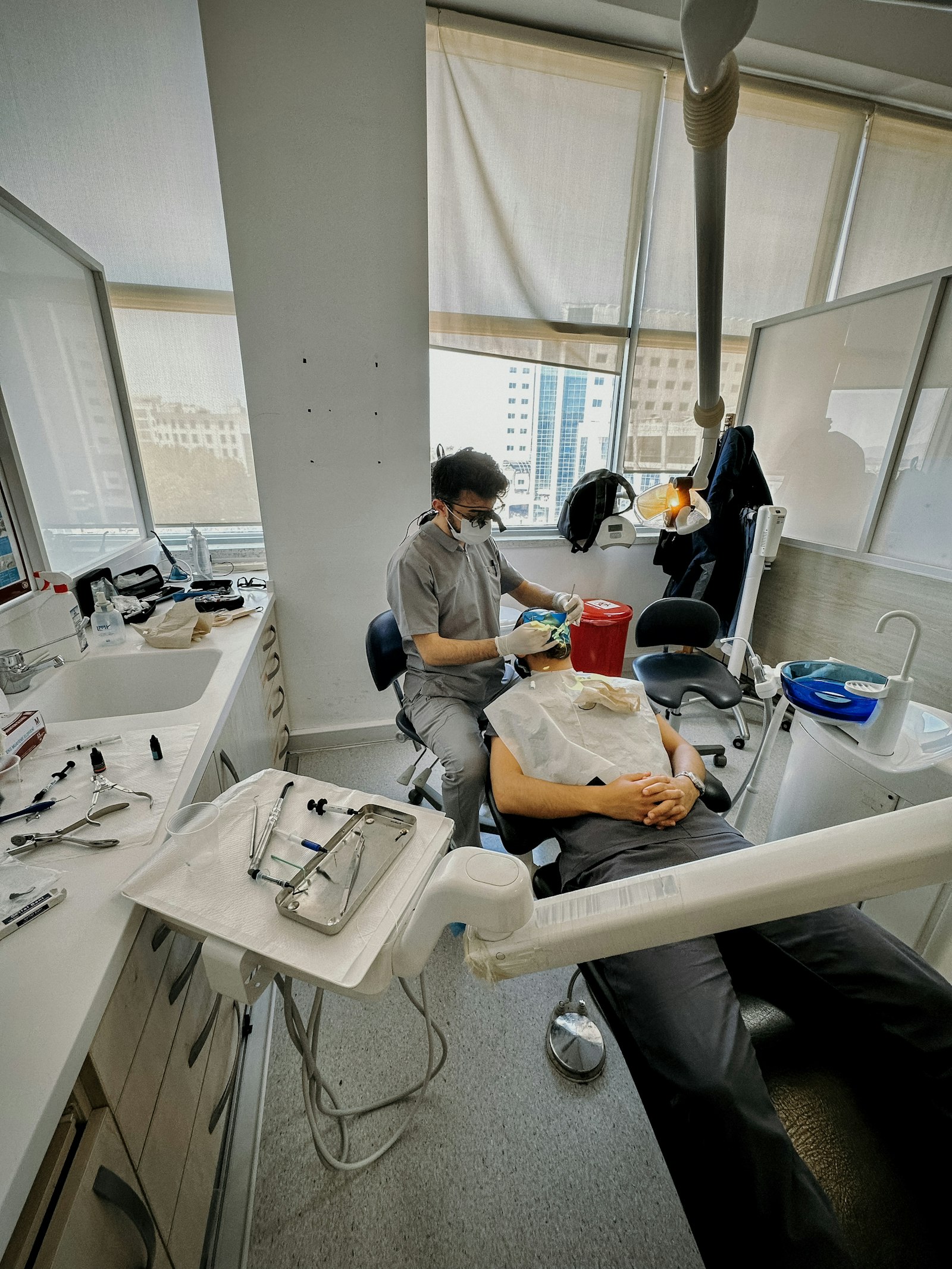
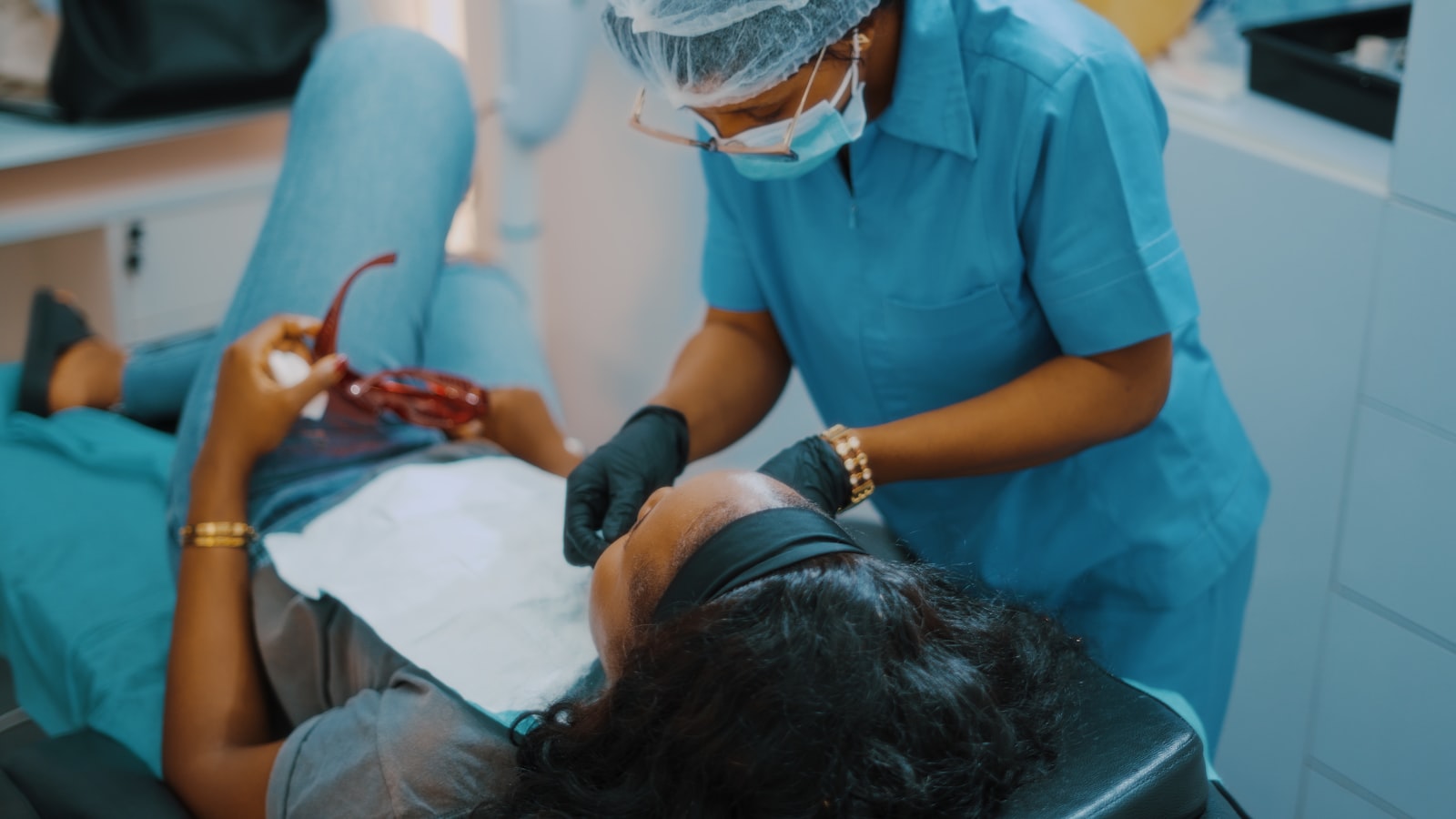
If you arrive with one-sided pain that feels like toothache, the dentist examines the area, tests the teeth and takes x-rays. If those tests come back normal, there is no decay, no crack, no infection and the nerve responds normally, then there is nothing there to treat. Drilling or root treating a healthy tooth will not relieve pain that is coming from a nerve, and it removes tooth structure that cannot be put back.
So the honest answer in that situation is to say the pain is not dental in origin, treat any genuine dental problems that do exist, and refer you for medical assessment. If blisters then appear along a clear one-sided distribution over the next day or two, the picture usually becomes obvious.
Tooth pain with an actual dental cause is a different situation entirely, and our guides to tooth abscess signs and treatment and root canal versus extraction cover those. If you need to be seen quickly, seeing a walk-in dentist without an appointment explains how that usually works.
Oral Comfort Care
While the medical side is being managed, there are reasonable things you can do to stay comfortable. None of this treats the virus, and none of it replaces seeing your GP.
- Soft, bland, cool foods are usually easiest. Acidic, spicy, crunchy and very hot foods tend to aggravate oral lesions.
- Stay hydrated. Sipping water regularly helps, and dehydration makes everything feel worse.
- Use an alcohol-free rinse. Alcohol-based mouthwashes sting badly on open lesions.
- Switch to a soft toothbrush and brush gently. Keep cleaning the area if you can, because stopping altogether tends to cause further problems.
- A warm salt water rinse is often suggested for comfort and is gentle on the tissues.
- For pain relief, follow the advice of your GP or pharmacist, who know your medical history. Our comparison of ibuprofen versus paracetamol for tooth pain covers the general principles, but check with a health professional for your own situation.
Common Questions
Can shingles really feel like toothache?
Yes, and this is well described. In the prodrome phase, before any lesions appear, reactivation in a branch of the trigeminal nerve can produce aching or throbbing pain that patients reasonably interpret as coming from a tooth. The tell is that dental examination and x-rays find nothing to explain it.
How do I know if it is shingles or just mouth ulcers?
The distribution is the main difference. Oral shingles lesions cluster on one side only and stop abruptly at the midline, often with matching skin changes on the same side of the face. Ordinary mouth ulcers appear without that pattern and are not accompanied by a facial rash. If you are unsure, get it assessed rather than guessing.
Is oral shingles contagious?
The virus in the blister fluid can pass to someone who has never had chickenpox and is not vaccinated, and they may develop chickenpox rather than shingles. Keeping lesions covered where possible, washing your hands and avoiding close contact with newborns, pregnant people who have not had chickenpox and anyone immunocompromised are sensible precautions. Ask your GP about your specific situation.
How long does it take to clear up?
It varies. Lesions commonly crust and heal over a couple of weeks, with pain generally settling as they do. Some people experience nerve pain that persists longer, which is one of the reasons early medical assessment is emphasised.
Should I go to the dentist or the doctor first?
If you suspect shingles, the GP is the priority, because the antiviral decision is time-sensitive. Seeing a dentist as well is worthwhile if the pain feels dental, so a genuine dental cause can be ruled in or out. If there is any eye involvement or ear symptoms with facial weakness, seek urgent medical care straight away.
Can a shingles vaccine help?
Vaccination against shingles exists and eligibility varies. Whether it is appropriate for you, and whether you qualify under any funded programme, is a question for your GP or pharmacist rather than your dentist.
Where to From Here
If you have one-sided facial or mouth pain and you are not sure what is causing it, the useful first step is getting it properly assessed rather than waiting. See your GP promptly if you suspect shingles. The team at Lumi Dental can examine the area, take the x-rays needed to establish whether there is a dental cause and help you avoid treatment on a tooth that does not need it. You can see what is currently available on our current offers page, or read about general dental care at Lumi Dental. A consult to talk it through costs nothing, and we can provide a written quote for anything that is recommended.
This article is general information only and is not a substitute for medical or dental advice. Shingles is a medical condition requiring assessment by a doctor. Please see your GP promptly if you suspect it, and seek urgent care for eye involvement, facial weakness or severe illness.

