
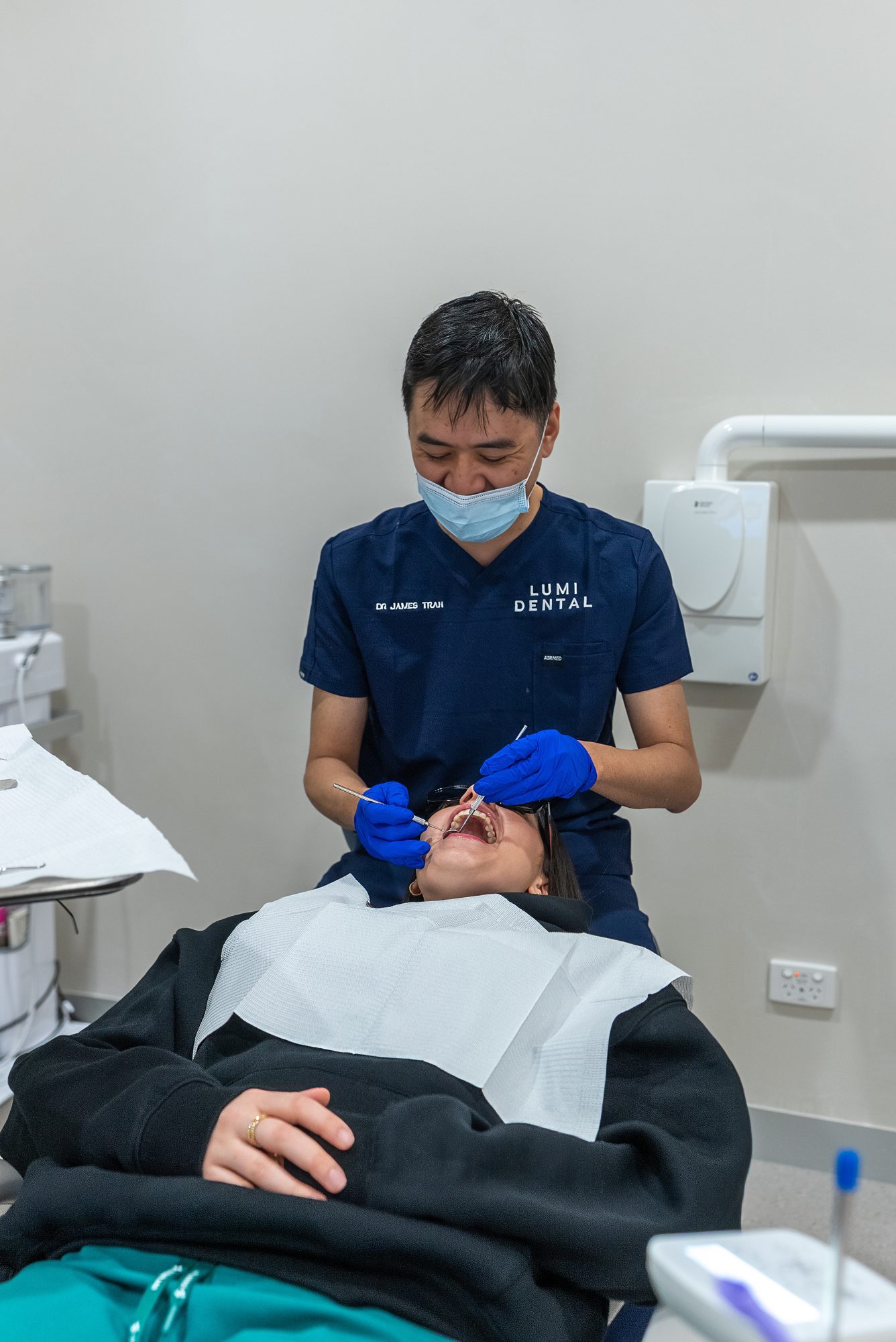

If you get mouth ulcers often, switching to a fluoride toothpaste without sodium lauryl sulfate (SLS) is a reasonable, low-cost thing to try, although the research suggests it mainly shortens ulcers and eases the pain rather than stopping them altogether. A systematic review of four small crossover trials, with 124 participants in total, found that SLS-free toothpaste reduced the number of ulcers, how long they lasted, how many episodes people had and how painful they were. The largest double-blind trial, though, found shorter and less painful ulcers but not fewer of them.
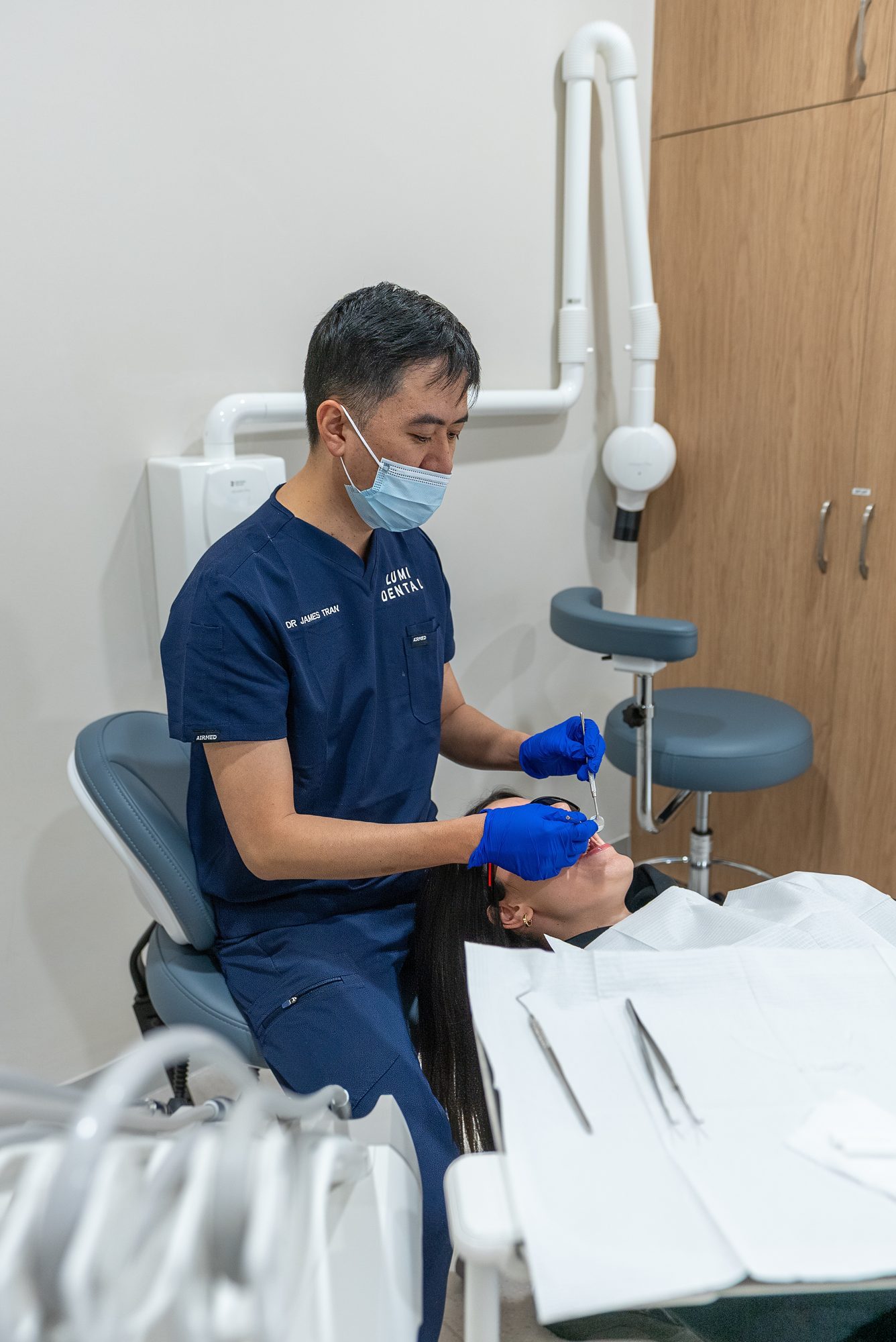
Written by Dr James Tran, BDent (University of Sydney), MICOI, GradDip (Oral Implants), general dentist at Lumi Dental in Melrose Park.
The short version
- SLS is the detergent that makes many toothpastes foam.
- The trials are small, but they point the same way: SLS-free paste tends to mean shorter, less painful ulcers, and in some trials fewer of them.
- It is most worth trying for recurring ulcers with no obvious cause. It will not help a one-off bite, a rubbing brace or a cold sore.
- Keep the fluoride. SLS-free and fluoride-free are not the same thing, so check the label for both.
- Any ulcer lasting more than three weeks needs to be checked, whatever toothpaste you use. Our guide to mouth ulcers and canker sores covers the basics.
What SLS is and why it is in toothpaste
Sodium lauryl sulfate is a synthetic detergent, also spelt sulphate on some labels. A literature review in the Journal of Dentistry describes it as an anionic surfactant used in household cleaners, shampoos and soaps as well as toothpaste. In toothpaste it helps the paste spread, gives the foam most people expect, and has some antibacterial action.
The concern for ulcers comes from the lining of the mouth. The Norwegian researchers who first studied the link suggested that SLS denatures the thin layer of mucin that protects the mouth's lining, exposing the cells underneath. In someone prone to ulcers, that may be enough to tip a small irritation into an ulcer, or slow healing.
What the research shows
The early crossover trials
The first study was tiny. Ten people with frequent minor ulcers used a toothpaste with 1.2% SLS for three months, then an SLS-free paste for three months. The average number of ulcers fell from 14.3 to 5.1. A later single-blind crossover study found a significant reduction in ulcers over two months of SLS-free paste compared with two months of an SLS paste.
The larger double-blind trial
A Korean trial in Oral Diseases was more rigorous. Ninety people with recurrent aphthous stomatitis, the medical name for recurring ulcers, used one paste for eight weeks and another for the next eight, without knowing which was which. The number of ulcers and episodes did not differ between pastes. The ulcers did heal faster and hurt less during the SLS-free period.
The systematic review
A systematic review in the Journal of Oral Pathology and Medicine pooled the double-blind trials it could find: four crossover studies with 124 participants, two of which fed the main meta-analysis. SLS-free toothpaste significantly reduced the number of ulcers, ulcer duration, the number of episodes and ulcer pain. The authors concluded that people with recurring ulcers may benefit, and that better trials are still needed.
Read together, the effect on healing time and pain looks fairly consistent, while the effect on how often ulcers appear is less certain. That is still worth having. In my experience, an ulcer that settles a few days sooner makes a real difference to eating and talking.

The single rule: try it properly for two to three months, and keep the fluoride
If you get mouth ulcers often, swap to a fluoride toothpaste without SLS and use it for about two to three months while any medical causes are checked. The trials ran for eight weeks to three months, and ulcers come and go, so a week or two tells you very little.
- Note on a calendar each day you have an ulcer, and roughly how sore it is.
- Compare the two to three months before the switch with the months after.
- Change one thing at a time, or you will not know what helped.
- Spit, do not rinse, after brushing, so the fluoride stays on your teeth.
Who might benefit, and who probably will not
The trials enrolled people with recurrent aphthous stomatitis: round or oval ulcers with a yellow or grey base and a red rim, coming back again and again on the inside of the lips, cheeks or under the tongue. That is the group with evidence behind them.
| Ulcer pattern | Likely trigger | Is an SLS-free paste worth trying? | Next step |
|---|---|---|---|
| Small ulcers that keep coming back, no clear cause | Recurrent aphthous stomatitis | Yes, for two to three months | Keep a diary; ask your GP about blood tests if frequent |
| A single ulcer after biting your cheek or eating something sharp | Injury | Unlikely to matter | Let it heal; see a dentist if it lasts over three weeks |
| Ulcers in the same spot as a brace, sharp tooth or denture edge | Rubbing | Unlikely to matter | Have the edge smoothed or adjusted |
| Tingling, then blisters on or around the lip | Cold sore, a virus | No | Pharmacist or GP; see the guide linked below |
| Ulcers with a rash elsewhere, sore joints or gut symptoms | A body-wide condition | Not the main step | See your GP |
| One ulcer that has not healed in three weeks | Needs a diagnosis | No | See a dentist or GP promptly |
Cold sores are caused by a virus and are a different problem from aphthous ulcers. Our article on cold sores and mouth ulcers explains how to tell them apart.
How to read a toothpaste label
Look at the ingredient list rather than the front of the tube. A few practical points:
- Sodium laureth sulfate is a related but different detergent. The ulcer trials tested SLS, not this one, so there is no evidence either way for it.
- Other foaming agents, such as betaine-type detergents, are often used instead. They can occasionally irritate too, so a different paste is not automatically gentler.
- Less foam is normal. An SLS-free paste still cleans; the foam is not what removes plaque, your brush is.
- Flavour matters. Strong mint and other flavourings can irritate some mouths, so a milder flavour is worth trying if one paste still stings.
Dry mouth and SLS
The Journal of Dentistry review notes that one trial found lower saliva flow with higher SLS concentrations, while another found no mucosal irritation with either kind of paste. The evidence is thin, but if your mouth is dry and ulcer-prone, an SLS-free paste is a sensible place to start.
Keep the fluoride when you switch
The one thing not to lose in the swap is fluoride, which does the decay-prevention work in toothpaste. Some SLS-free pastes are sold as natural and leave fluoride out, so check that fluoride is listed among the active ingredients. Our guide to choosing a toothpaste covers strengths by age.
If you also have bleeding gums or sensitive teeth, the type of fluoride matters too. Our comparison of stannous and sodium fluoride toothpaste explains the difference. Patients I see usually find one that suits them within a try or two.
When ulcers need more than a toothpaste swap
The NHS advises seeing a GP or dentist if a mouth ulcer lasts longer than three weeks, looks different from ulcers you have had before, or bleeds or becomes more painful and red. Most ulcers are harmless, but a long-lasting one is occasionally a sign of mouth cancer, so get it checked. Our article on when to worry about a mouth ulcer covers the warning signs.
Frequent ulcers can also come from things a toothpaste cannot fix. The NHS lists low iron, zinc, folic acid, B vitamins or vitamin D, some medicines, and conditions such as coeliac disease and Crohn's disease. A GP can arrange blood tests. Our article on coeliac disease and oral health explains the mouth signs of that condition.
How we approach this at Lumi Dental
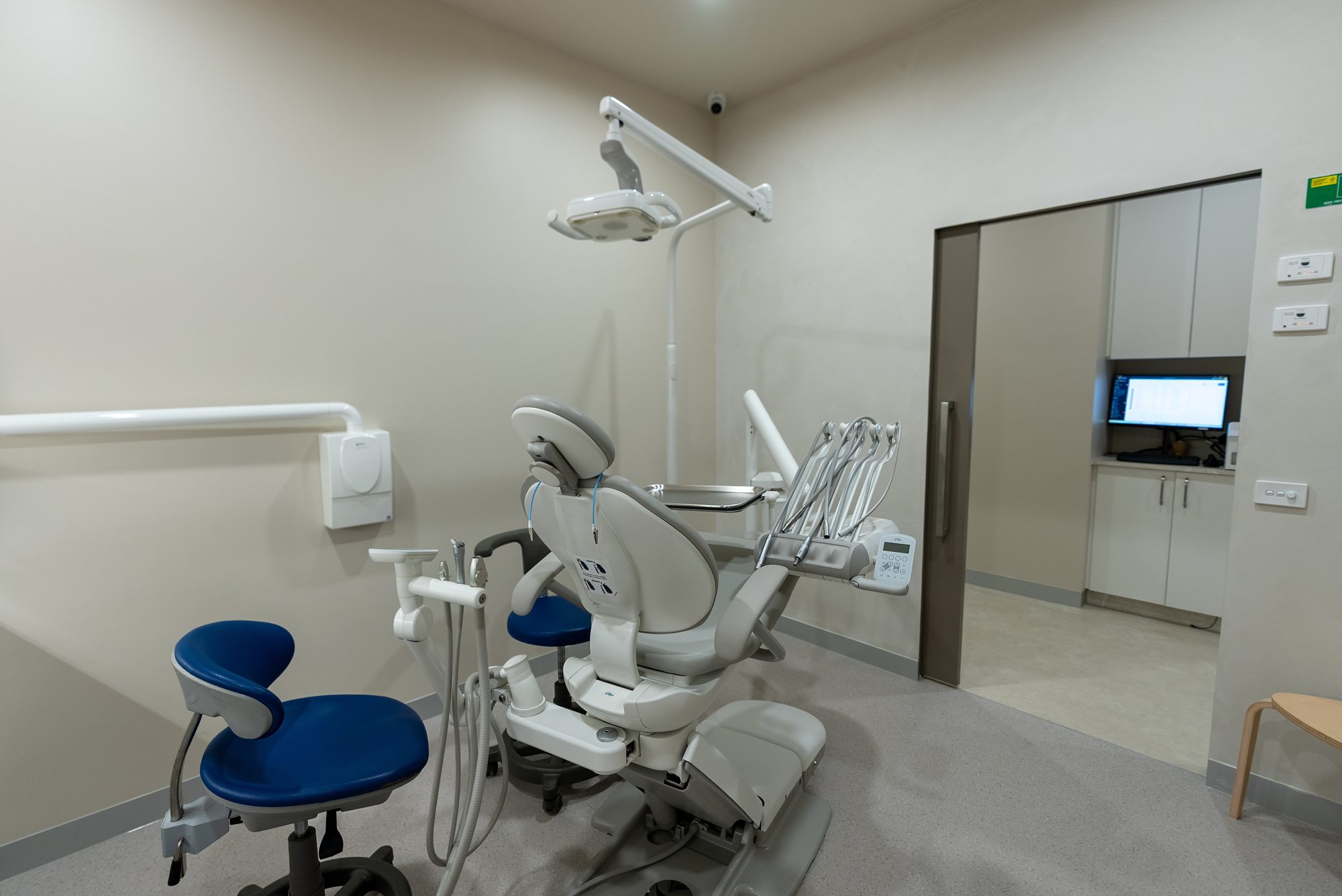
At Lumi Dental in Melrose Park, a dentist looks at where your ulcers appear, how often and how long they last, then checks for sharp teeth, rough fillings or denture edges nearby. If the pattern fits recurring aphthous ulcers, we talk through an SLS-free fluoride toothpaste and a simple ulcer diary. The oral health therapists can help with home care that is gentle on a sore mouth. If something suggests a medical cause, the dentist will suggest a GP visit for blood tests, and an ulcer that does not heal is referred to a registered specialist when needed. Read more about general dental check-ups at Lumi Dental.
Questions patients ask
Does SLS-free toothpaste stop mouth ulcers?
Not for everyone. The trials suggest ulcers tend to heal faster and hurt less, and some studies also found fewer ulcers. It is a low-risk change rather than a cure.
How long does it take for SLS-free toothpaste to work?
Give it about two to three months. The trials ran for eight weeks to three months, and ulcers come in waves, so a short trial is hard to judge.
Can toothpaste cause mouth ulcers?
Toothpaste is not usually the cause, but SLS may make ulcers more likely or slower to heal in people already prone to them. The NHS advises avoiding toothpaste containing SLS while you have an ulcer.
Is SLS-free toothpaste still good for my teeth?
Yes, as long as it contains fluoride. Fluoride protects against decay; the foaming agent does not. Our guide to choosing a toothpaste explains what to look for.
Should I see a dentist or a GP about recurring ulcers?
Either is a good start. A dentist checks the ulcers and nearby edges, while a GP can arrange blood tests. An ulcer lasting over three weeks needs prompt review.
Book a check-up at Lumi Dental, Melrose Park
If mouth ulcers keep coming back, a check-up can rule out a sharp tooth or rough filling and settle on a toothpaste that keeps the fluoride. Book a general check-up at Lumi Dental, see current offers, and ask for a written quote if treatment is recommended. Patients visit from Melrose Park, Ryde, Parramatta, Ermington and Rydalmere, with on-site parking at Melrose Central.
Sources
- Journal of Oral Pathology and Medicine (Alli BY and colleagues): Effect of sodium lauryl sulfate on recurrent aphthous stomatitis, a systematic review (PubMed)
- Oral Diseases (Shim YJ and colleagues): Effect of sodium lauryl sulfate on recurrent aphthous stomatitis, a randomized controlled clinical trial (PubMed)
- Journal of Dentistry (Sabri H and colleagues): The Yin and Yang of Sodium Lauryl Sulfate Use for Oral and Periodontal Health, a literature review (PMC)
- NHS: Mouth ulcers
About the author

Dr James Tran is a general dentist at Lumi Dental in Melrose Park. He holds a BDent from the University of Sydney and a Graduate Diploma in Oral Implants, and is a Member of the International Congress of Oral Implantologists (MICOI).
This article is general information only and is not a substitute for an examination and individual advice from a registered dental practitioner. Suitability for any treatment varies from person to person.








