
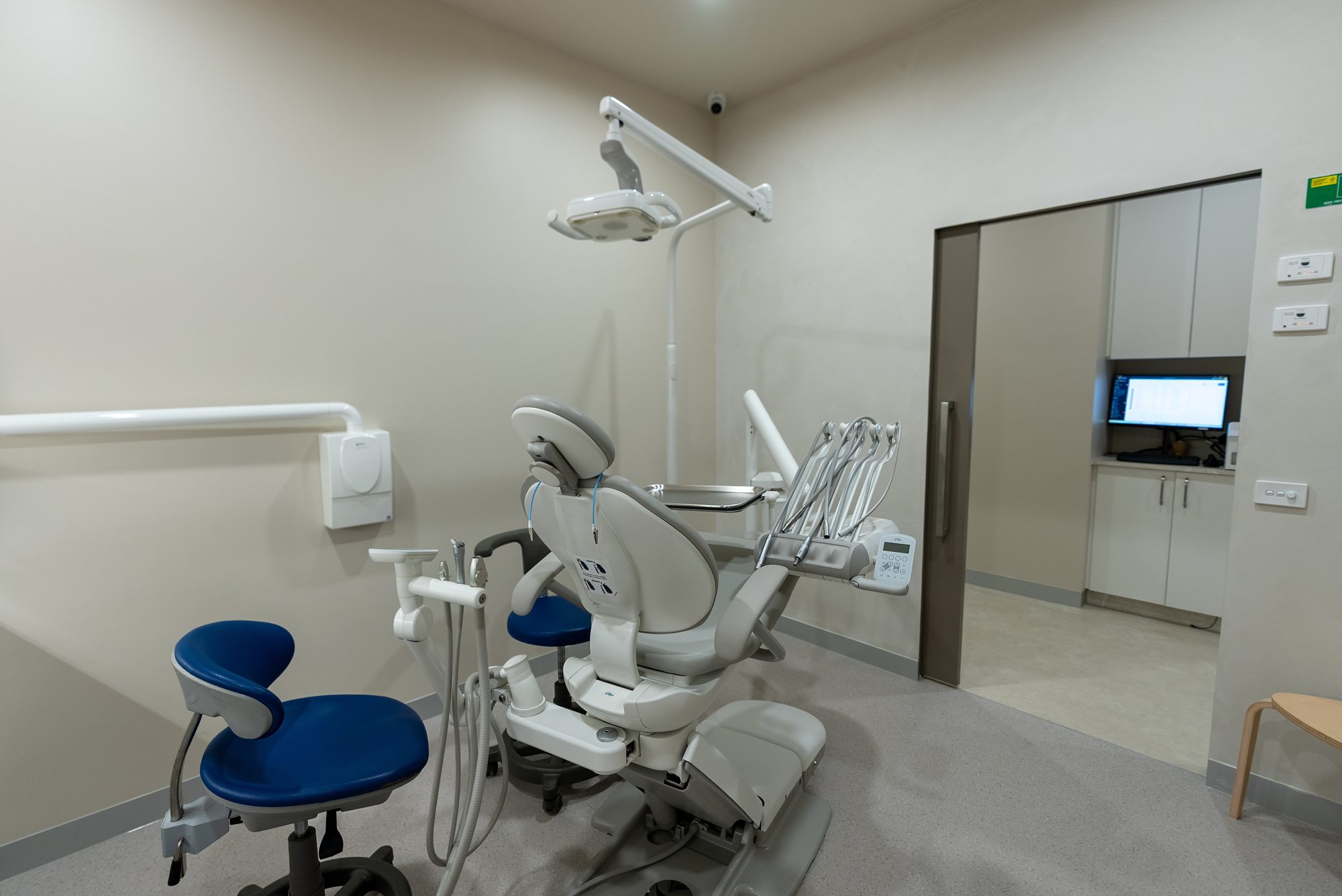

Teeth whitening is elective and never urgent, so during chemotherapy or radiotherapy it waits: the sensible time to start is after active treatment has finished, once the lining of the mouth has healed, blood counts have recovered and your oncologist or treating team has no objection. eviQ, the Cancer Institute NSW resource used by oncology teams, reports that mouth ulceration (mucositis) affects around 20 to 40 per cent of people on conventional chemotherapy, and Cancer Council Australia advises that dental work during treatment may carry a higher risk of bleeding or infection. Here is how I think it through with patients.
Written by Dr James Tran, BDent (University of Sydney), MICOI, GradDip (Oral Implants), general dentist at Lumi Dental in Melrose Park.
The short version
- A mouth with ulcers, low white cells or low platelets is no place for peroxide gel.
- Chemotherapy: wait until the cycles are finished, counts are normal and the lining is intact, often several months after the last cycle, with the treating team's agreement.
- Head and neck radiotherapy: dry mouth can be permanent and decay risk rises sharply, so fluoride trays come before whitening trays. See our guide to mouth care after head and neck radiotherapy.
- Teeth often look darker after treatment: medicine staining, a dry mouth or, in people treated as children, changes inside the enamel. Each has a different fix.
- For a dry or sensitive mouth, supervised take-home whitening at a lower strength and shorter wear time is usually gentler than in-chair.
The single rule: finish treatment, heal, then ask
If you are in active cancer treatment, whitening waits. Start only when four things are true: the course is complete, your oncologist confirms blood counts have recovered, the mouth lining has been free of ulcers for a few weeks, and the treating team has no objection. Whitening treats nothing, and the result is no different for having been delayed. The dentist does not judge fitness alone; a short letter to the oncology team is how this gets settled.
Why chemotherapy is the wrong time
Chemotherapy acts on fast-dividing cells, and the lining of the mouth is one of the fastest-dividing tissues in the body. eviQ notes that mucositis from conventional chemotherapy typically appears two to three weeks after a course begins. teeth.org.au, the Australian Dental Association's consumer site, warns that strong whitening gel touching the lips, gums or tongue can cause chemical burns that turn into ulcers even in a healthy mouth. On a lining already breaking down, that is an avoidable injury.
White cells and platelets fall between cycles. A review of oral complications in cancer therapy in The Scientific World Journal reports that when the granulocyte count dips below 1,000 per cubic millimetre, existing gum or root infections can flare. A patch of gum rubbed by a tray edge carries more risk than at any other time, and Cancer Council Australia lists bleeding gums, mouth infections, dry mouth and taste changes among the common side effects. Add a gel that tastes strange to an altered palate, and a tray worn for an hour through nausea, and the case for waiting makes itself. Our guide to mouth care during chemotherapy covers what does help in those weeks.
Radiotherapy to the head and neck: a different set of problems
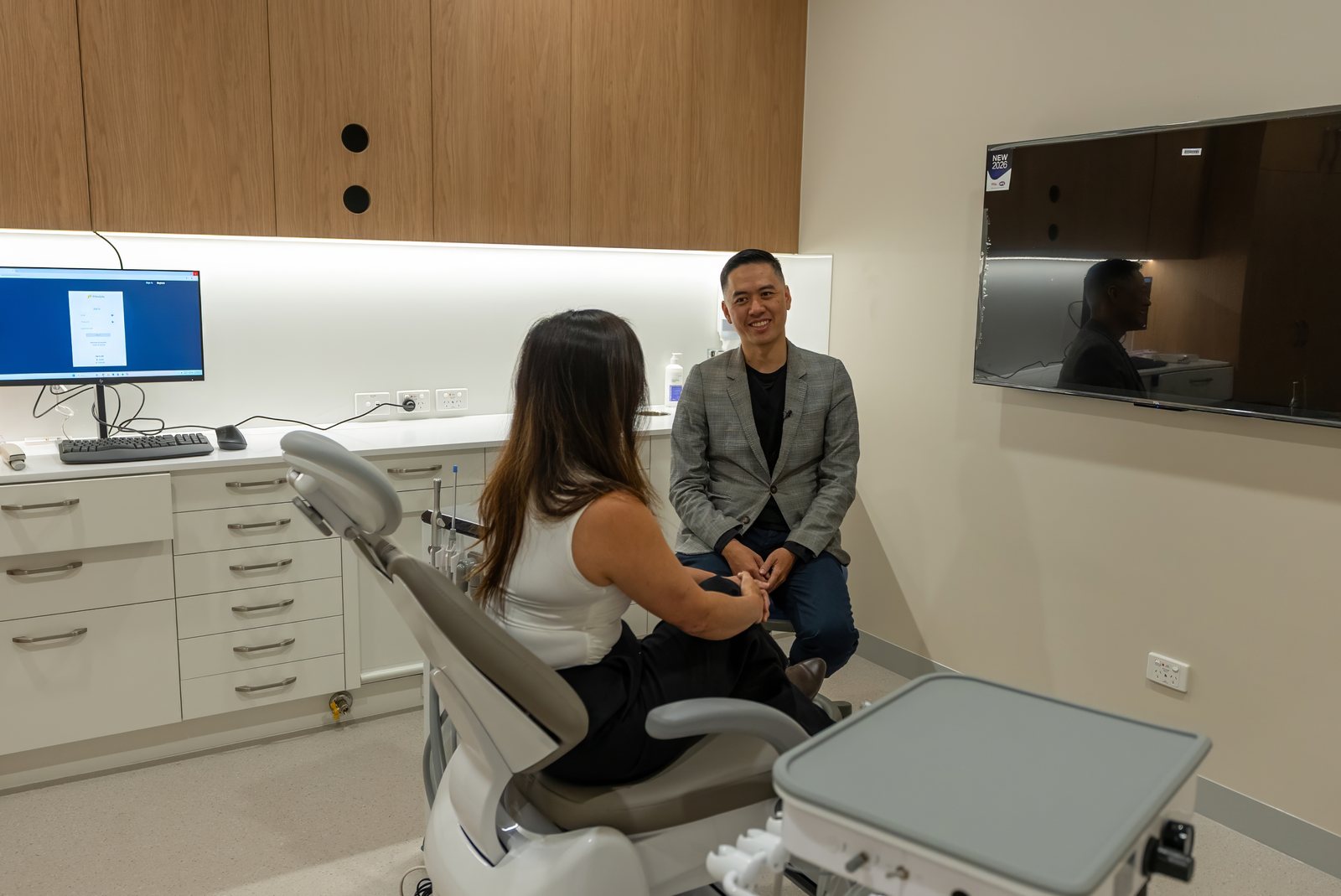
Radiotherapy affects the tissue in the beam, so treatment to the breast or prostate does not harm the mouth directly. Radiotherapy to the head and neck is another matter: when the major salivary glands sit in the field, the review above reports dry mouth (xerostomia) in 94 to 100 per cent of patients, with doses above about 30 Gy usually leaving it permanent or semi-permanent.
Saliva is what protects teeth from decay. eviQ reports dental caries in around 29 per cent of head and neck cancer patients after radiotherapy, a risk of roughly 37 per cent within two years, and hard tissue changes that can begin within the first three months. So the priority is a high-fluoride toothpaste and custom fluoride trays worn daily, with dental reviews every three to six months as eviQ recommends. In my experience whitening becomes a reasonable conversation only once that routine is established and decay is under control, often well after the first year.
Bone in the radiation field also heals poorly for life, so eviQ advises contacting the oncology team before any extraction in the treated area and telling every dentist about your radiotherapy history. Whitening gel never reaches bone, so osteoradionecrosis is not a whitening risk, but any tooth that needs removing beforehand goes through that channel. A dry mouth also makes whitening sensitivity more likely; our article on whitening with a dry mouth explains why.
After treatment: what needs to be true before you start
There is no fixed number of weeks, because regimens differ so much. Whitening is often considered several months after the last cycle, with the treating team's agreement, once counts have recovered, the lining has been intact for a few weeks, any thrush has cleared, vomiting and reflux have settled and a dentist has examined the teeth. eviQ notes that radiotherapy mucositis can persist for up to eight weeks after treatment ends.
| Situation | What usually applies | Why |
|---|---|---|
| Currently having chemotherapy, or between cycles | Usually wait | Mucositis, low white cells and low platelets |
| Radiotherapy to the head and neck, during or in the months after | Usually wait, then ask first | Dry mouth and radiation decay; fluoride trays take priority |
| Radiotherapy elsewhere in the body, no chemotherapy | Often fine with clearance | The mouth is outside the field; the team still confirms |
| Finished treatment, counts normal, mouth healed | Usually fine with clearance | The dental check decides the method |
| Bone-strengthening infusions (bisphosphonates or denosumab) | Usually fine with clearance | These matter for extractions and implants, not for gel on enamel |
| Treated for cancer as a child, teeth mottled or dark | Ask first | Colour may sit inside the enamel; bonding or veneers may suit better |
Why teeth can look darker after cancer treatment
Three different things get called "yellow teeth after chemo". The first is surface stain: a dry mouth, antiseptic rinses such as chlorhexidine, iron supplements and soft, frequent meals leave a film that saliva would normally rinse away. A scale and clean removes most of it, and our article on teeth staining from medication lists the usual culprits. The second is the enamel surface: dry teeth look duller and collect plaque faster, and whitening can help.
The third is colour inside the tooth, mainly in people treated while their adult teeth were still forming. A systematic review pooling 35 studies of childhood cancer survivors reported discolouration in around 53 per cent and enamel hypoplasia (thin or pitted enamel) in around 32 per cent. Peroxide lightens enamel only; teeth.org.au notes it will not change the colour of fillings, crowns or veneers, and it can make white opacities stand out more. For these patients bonding or veneers is often the better conversation.
Choosing a method for a dry, sensitive mouth
teeth.org.au describes the two dentist-provided options: in-chair whitening, a strong hydrogen peroxide gel in a single appointment, and take-home whitening, where the dentist sets the gel amount, wear time and number of weeks, adding that the slower method does not mean a worse result. For a mouth left dry or sensitive by cancer treatment, I usually prefer take-home at a lower strength and shorter wear time, perhaps every second night with a desensitising paste between, in a short course that pauses if sensitivity appears. Our explainer on take-home whitening describes how the trays are made and how the course is adjusted.
The dental check that comes first
Before gel is prescribed, the dentist looks for what cancer treatment leaves behind: new decay, especially at the gum line after radiotherapy; cracks from months of vomiting or clenching; exposed roots in a dry mouth; gum inflammation; and any lingering ulcer or thrush. Fillings and crowns are mapped, since they will not lighten. Anything found is treated first; the general examination sets the sequence.
How we approach this at Lumi Dental
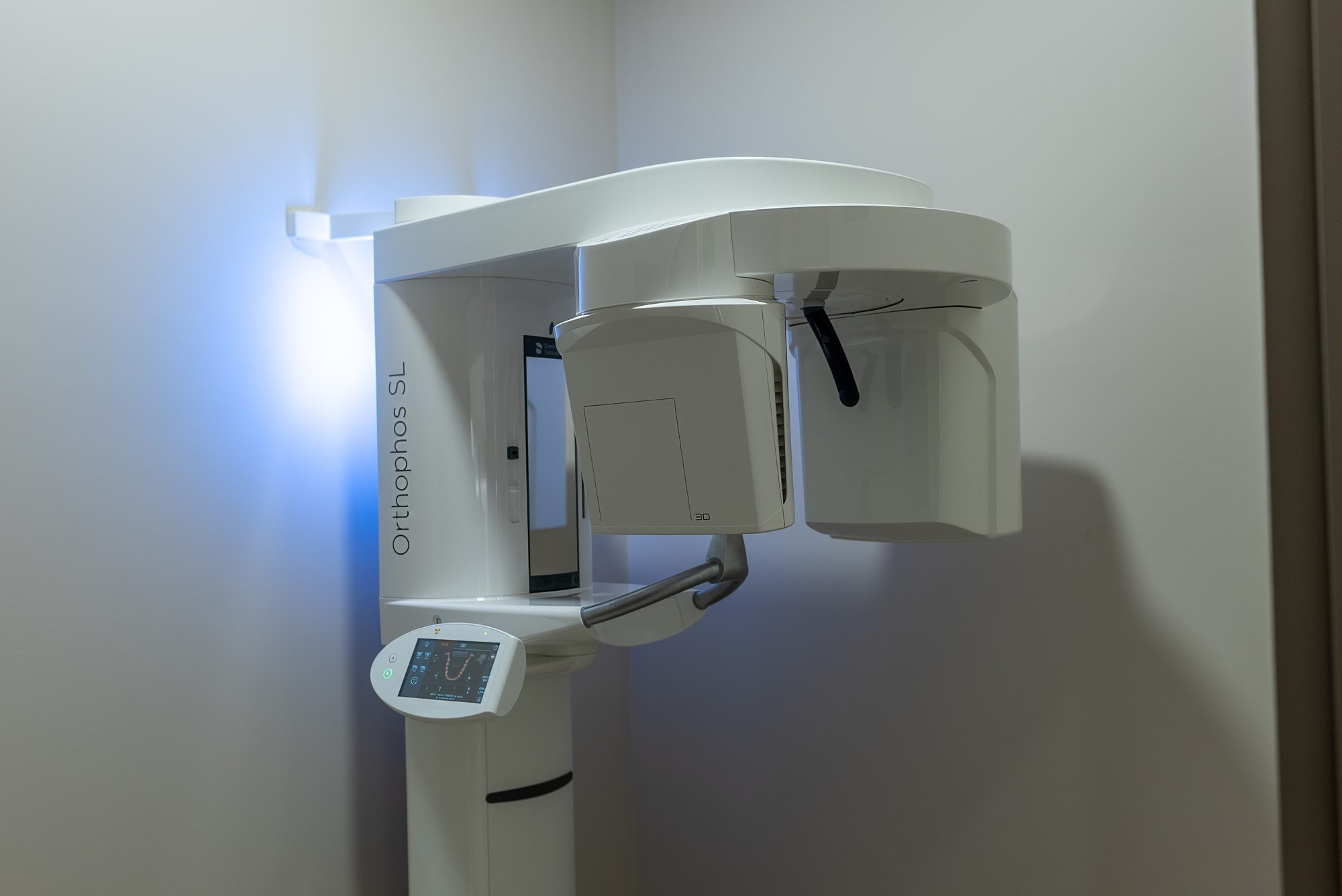
At Lumi Dental the dentist examines and diagnoses before any cosmetic treatment is planned, and for patients who have had cancer treatment the team at Lumi Dental writes to your oncologist or GP before planning whitening, so the timing is agreed rather than assumed. An in-house 3D X-ray (OPG) checks for decay where radiotherapy has been involved. The hygiene team, our oral health therapists, handles the scale and clean, fluoride trays and later whitening maintenance. Whitening is planned with one of our options, Lumi Home, Lumi Refresh or Lumi Radiance, described on the teeth whitening page.
Questions patients ask
Can you whiten your teeth while having chemotherapy?
No. The mouth lining is fragile, white cells and platelets fall between cycles, and peroxide gel can burn soft tissue even in a healthy mouth. Whitening waits until treatment is complete and the oncologist agrees.
How long after chemo can you whiten your teeth?
There is no single number. Whitening is often considered several months after the last cycle, once the oncologist confirms blood counts have recovered, the mouth lining has healed and a dentist has examined the teeth.
Can you whiten your teeth after radiotherapy to the head or neck?
Sometimes, later, and with clearance. Fluoride trays and regular reviews take priority, and whitening is discussed once decay is controlled. Our whitening checklist lists what the dentist rules out first.
Why do teeth go yellow after chemotherapy?
Usually surface stain from a dry mouth, antiseptic rinses and supplements, which a scale and clean lifts. Less often the colour sits inside the enamel, particularly in people treated as children, and that needs bonding or veneers rather than gel.
Is take-home whitening safer than in-chair after cancer treatment?
Neither is appropriate during treatment. Afterwards, supervised take-home whitening at a lower strength and shorter wear time is usually gentler for a dry or sensitive mouth, because the dose can be adjusted night by night. A written quote follows the examination.
Thinking about whitening? Complimentary cosmetic consult in Melrose Park
If you have finished cancer treatment and wonder whether whitening is an option yet, the team at Lumi Dental in Melrose Park can examine your teeth, liaise with your treating team and suggest the gentlest route. Book a complimentary cosmetic consult at Melrose Central, or read about teeth whitening at Lumi Dental. Patients visit from Ryde, Parramatta, Ermington and Rydalmere, with on-site parking.
Sources
- eviQ, Cancer Institute NSW: Oral mucositis and stomatitis
- eviQ, Cancer Institute NSW: Radiation-induced oral complications
- Cancer Council Australia: Mouth health
- PMC: Chemotherapy and radiotherapy long-term adverse effects on oral health of childhood cancer survivors, a systematic review and meta-analysis
About the author

Dr James Tran is a general dentist at Lumi Dental in Melrose Park. He holds a BDent from the University of Sydney and a Graduate Diploma in Oral Implants, and is a Member of the International Congress of Oral Implantologists (MICOI).
This article is general information only and is not a substitute for an examination and individual advice from a registered dental practitioner. Suitability for any treatment varies from person to person.








