


If you want to whiten your teeth during Ramadan or another religious fast, the simplest plan is to keep all gel time inside the hours you are not fasting, usually after the evening meal, or to whiten before or after the fasting month. Fasting changes the mouth during the day: a systematic review of saliva research during Ramadan found one study reporting salivary flow about 10 per cent lower in people who were fasting. Teeth whitening itself does not need to change, but the timing of trays, gel and in-chair visits usually does.
Written by Dr James Tran, BDent (University of Sydney), MICOI, GradDip (Oral Implants), general dentist at Lumi Dental in Melrose Park.
The short version
- Whether a whitening tray, gel or in-chair session affects a fast is a religious question. Ask your own imam, scholar or religious adviser; this article does not rule on it.
- For take-home whitening, wear the tray after the evening meal and finish well before the pre-dawn meal, so no gel is in the mouth during fasting hours.
- Saliva can be lower during the day while fasting, and dry mouth and bad breath are commonly reported. Our article on Ramadan fasting and oral health covers the wider picture.
- Tea, coffee and dark sauces at the evening meal sit on freshly whitened teeth, so take them before the tray goes in, not straight after.
- In-chair whitening uses water spray and rinsing, so many fasting patients book it before or after the month.
- For Eid photos, aim to finish a week or two beforehand so any sensitivity settles and the shade can be judged.
A note on religious rulings
Patients ask me whether whitening breaks a fast, and that is not a dental question. The person to ask is your own religious adviser, who knows your circumstances and your tradition. What a dentist can do is describe what happens in the mouth with each option, so you can take accurate information to that conversation. People observing Lent, Yom Kippur, Navratri or other fasts have their own practices, and the timing principles below work for any fast that limits food and drink for part of the day.
What fasting does to the mouth
During Ramadan many people go without food or water between dawn and sunset. Saliva rinses the teeth and buffers acid, so a long dry day changes how the mouth feels. The evidence on saliva itself is mixed: the systematic review above found the studies small and varied. A separate study of 27 healthy young men measured saliva before, at the end of, and after Ramadan, and found no significant change in flow rate, though salivary calcium fell and pH rose slightly within the normal range.
What people report is clearer. A hospital-based survey of 278 adults who were fasting during Ramadan found that 45.4 per cent reported bad breath sometimes and 32.7 per cent regularly, 45.0 per cent reported tooth sensitivity and 23.7 per cent reported a dry mouth. Those last two matter, because whitening gels can also cause temporary sensitivity. In my experience the patients who struggle with whitening during a fast are those who drink very little between the evening meal and the pre-dawn meal.
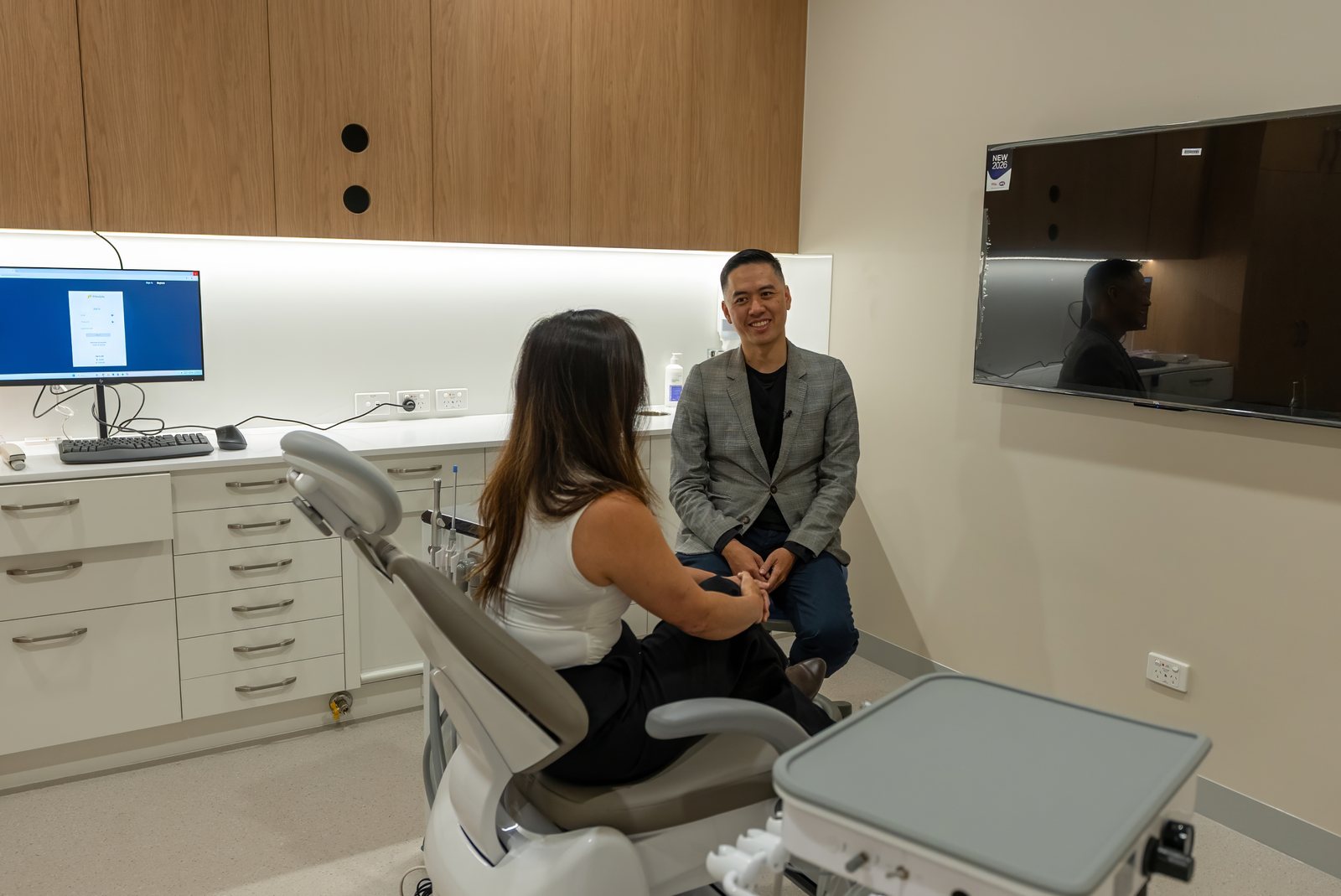
The single rule: keep the gel inside your non-fasting hours
If you want to whiten while fasting, plan every minute of gel contact for the hours when you are not fasting. For most people that means the evening, after the main meal, with the tray out and the mouth rinsed well before the pre-dawn meal. If that window is too tight, or your religious adviser suggests avoiding treatment during the month, whiten in the weeks before it starts or once it ends. Book in-chair whitening outside fasting hours where possible.
This keeps gel and rinsing water out of the fasting day and lets you drink water freely afterwards, which helps with sensitivity. Our guide to wearing trays overnight or during the day explains how wear time differs between gels; during a fast, the daytime option usually drops away.
How much gel ends up in the mouth
A custom tray holds a thin film of gel against the teeth. A review of at-home bleaching describes 10 per cent carbamide peroxide in a custom tray as the safest and most effective home method, with lower rates of sensitivity and gum irritation, and notes that those side effects usually disappear at the end of treatment. A little gel can still squeeze out at the edges, especially from an overfilled tray, and reach the gums or be swallowed.
Loading matters more than the brand: a small bead of gel in each tooth space, tray seated, and any excess wiped away with a tissue. If gel does get swallowed or lands on your lips, our article on swallowed whitening gel covers what to expect and when to call.
Strength also matters. The ACCC has advised consumers not to use do-it-yourself whitening kits containing more than 6 per cent hydrogen peroxide or more than 18 per cent carbamide peroxide, after reports of chemical burns, blistering and ulceration. If an online kit does not state its concentration, leave it on the shelf.
A sample evening timetable
This is the kind of plan I usually write out for patients whitening during Ramadan. Your dentist sets the wear time; the order of steps is what matters.
- After the evening meal: finish tea, coffee, dates and dark sauces first.
- About 30 minutes later: brush gently with fluoride toothpaste and clean between the teeth.
- Tray in: load a small amount of gel, seat the tray, wipe away the excess, and wear it for the time prescribed.
- Tray out: rinse your mouth with water, rinse and brush the tray with cool water, and store it dry in its case.
- Until the pre-dawn meal: keep sipping water. Avoid strongly coloured food and drink in the first hours after a session.
- At the pre-dawn meal: eat and drink, then brush with fluoride toothpaste as the last step before the fast begins.
If your gel is designed for overnight wear, set an alarm so the tray is out and the mouth rinsed before the pre-dawn meal.
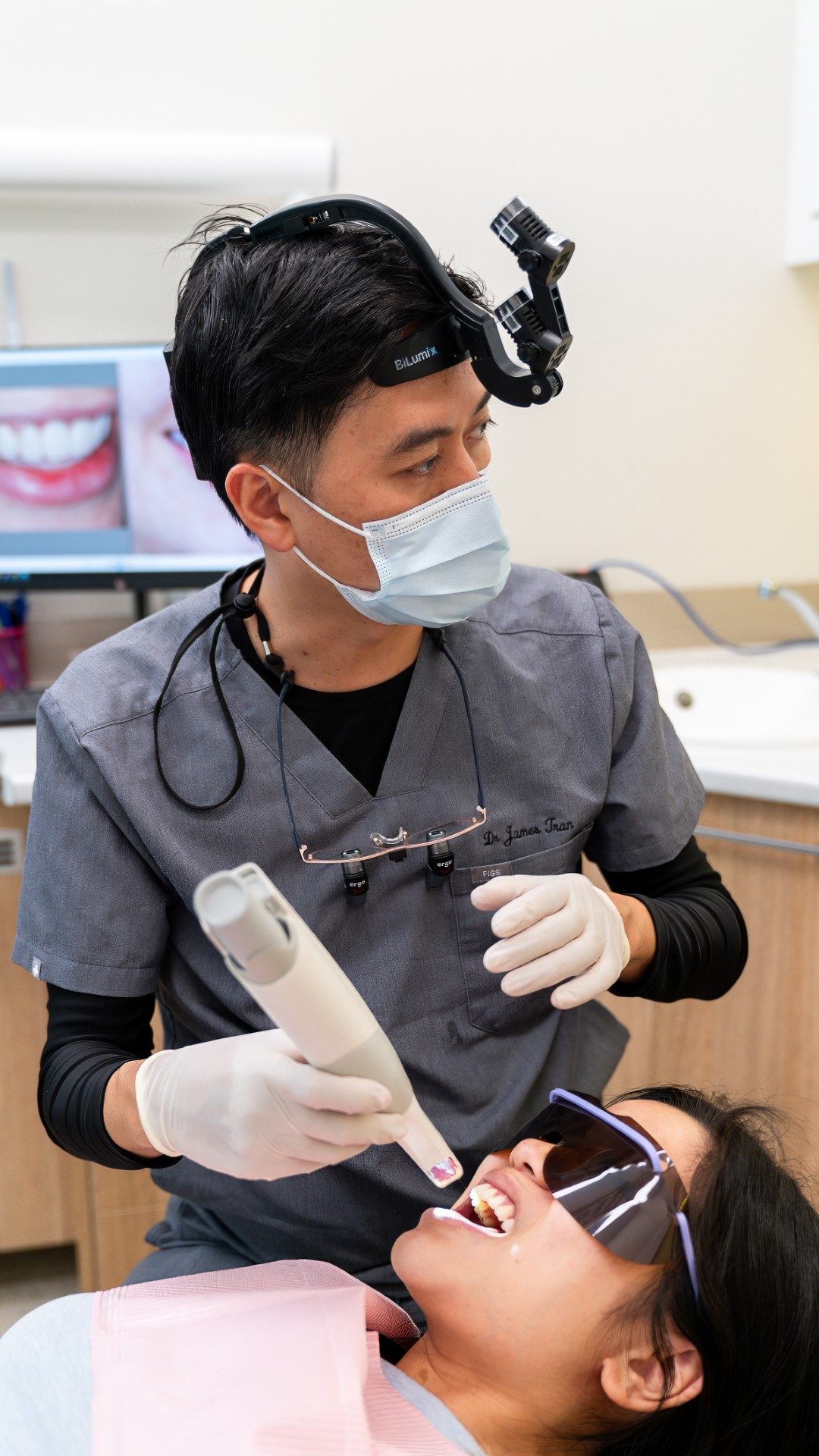
Options for whitening around a fast
| Option | Timing during a fast | Pros | Cons |
|---|---|---|---|
| Take-home trays in the evening or overnight | After the evening meal, finished before the pre-dawn meal | No gel during fasting hours; water available throughout | Short nights; needs discipline with timing |
| Take-home trays in short daytime sessions | Falls inside fasting hours | Fits normal working days outside a fast | Not suited to a fast; no water to rinse or drink |
| In-chair whitening | Book outside fasting hours where possible | Faster visible change; supervised | Involves water spray and rinsing; sensitivity can follow |
| Whiten before or after the month | No overlap with the fast | Simplest; normal eating and drinking | Needs planning ahead of celebrations |
Sensitivity, dry mouth and dark drinks at the evening meal
Sensitivity is the side effect most people notice, and a dry mouth can make it feel worse. Keep drinking water through the non-fasting hours, use a desensitising toothpaste beforehand, and skip a night if a tooth zings. Our guide to whitening sensitivity, its causes and relief explains what to do if it persists.
The evening meal often brings the most staining food and drink of the day: strong tea, coffee, dates and date syrup, soy and other dark sauces, and red or purple fruit. None of this needs to be given up; the order is what counts. Have them before you brush and before the tray goes in. Our article on what to eat and drink after teeth whitening has a fuller list.
Planning for Eid and family photos
Many people want whiter teeth for Eid gatherings and photos. A sensible plan is to finish the course a week or two before the celebration. That gives time for sensitivity to settle and for a touch-up night or two if one area lags behind. Our guide to whitening before a wedding or event sets out a countdown that works for any celebration.
How we approach this at Lumi Dental
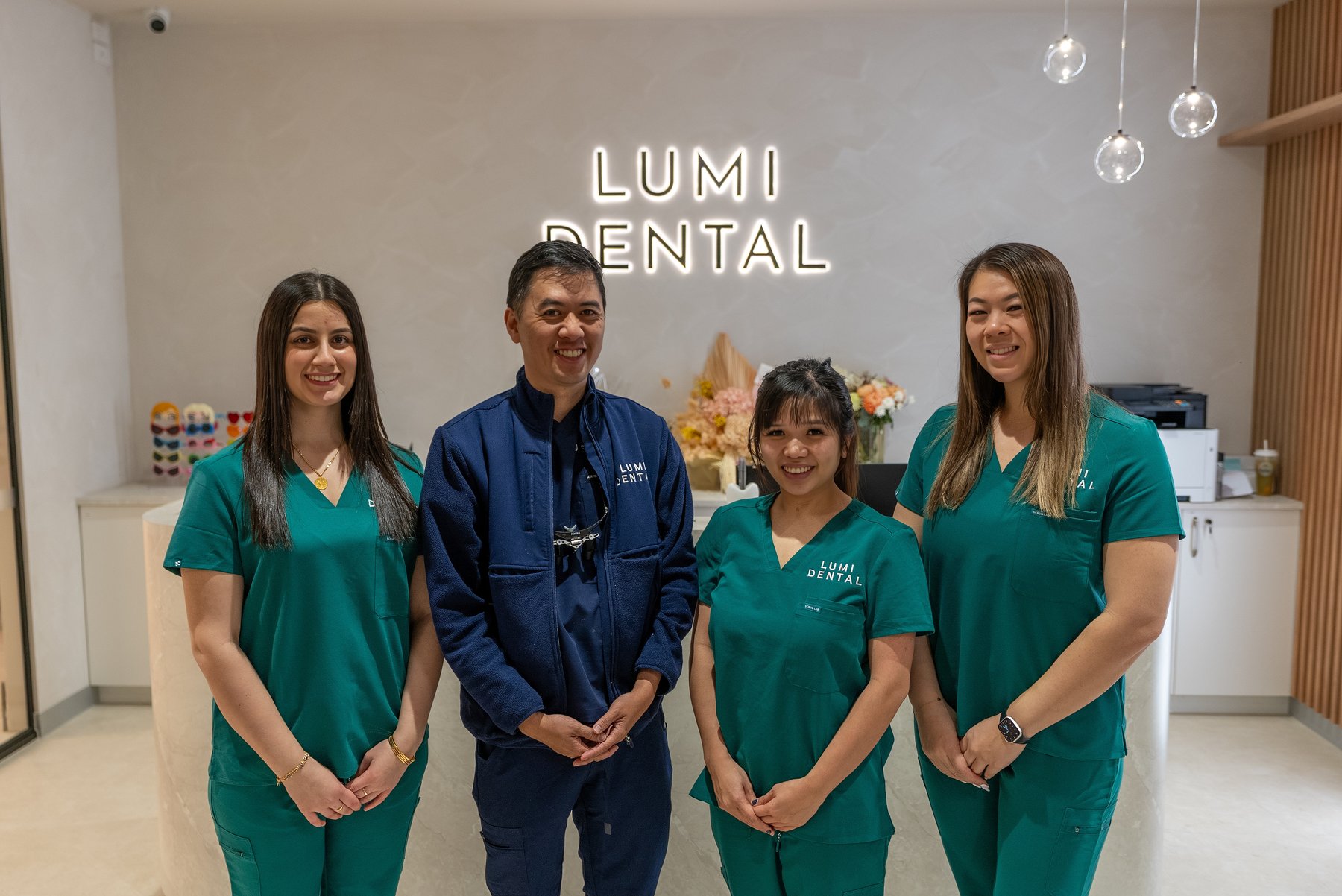
Whitening at Lumi Dental starts with an examination by the dentist, who checks for decay, gum problems and old fillings that will not change colour. Trays are made from an in-house 3D intraoral scan, and the oral health therapists on the team can go through loading and a schedule built around your fasting hours. The whitening options are named Home, Refresh and Radiance.
Check-ups and whitening visits can be booked around fasting hours. The practice is open Monday to Saturday, with Sunday by appointment; check current hours on the contact page and let the team know you are fasting when you book.
Questions patients ask
Does teeth whitening break your fast?
That is a religious question for your own imam, scholar or religious adviser. A dentist can explain what each option involves so you can ask with accurate information.
Can I use whitening trays at night during Ramadan?
Yes, many people do. Wear the tray after the evening meal, remove it and rinse before the pre-dawn meal, and brush with fluoride toothpaste as the last step before the fast starts.
Is it better to whiten before or after Ramadan?
Either works, and both avoid any overlap with fasting hours. After suits people who find short nights make trays hard to manage.
Why are my teeth more sensitive when I whiten while fasting?
A drier mouth can make teeth feel more reactive, and whitening gel can cause temporary sensitivity on its own. Drink plenty of water in the evening, use a desensitising toothpaste, and see a guide to whitening sensitivity or your dentist if it lasts beyond a few days.
Can I drink tea or coffee at the evening meal if I am whitening?
Yes. Have it before you brush and before the tray goes in, rather than straight after a session.
Thinking about whitening? Complimentary cosmetic consult in Melrose Park
If you would like to whiten before, during or after Ramadan, the team at Lumi Dental can check your teeth and plan the timing with you. Book a complimentary cosmetic consult at Melrose Central in Melrose Park, or read more about teeth whitening at Lumi Dental. Patients visit from Ryde, Parramatta, Ermington and Rydalmere, with on-site parking.
Sources
- Frontiers in Nutrition (PMC): The impacts of Ramadan intermittent fasting on saliva flow-rate and metabolic data, a systematic review
- Mymensingh Medical Journal (PubMed): Oral hygiene practices and perceived dental health concerns among fasting adults during Ramadan
- Clinical, Cosmetic and Investigational Dentistry (PMC): Erosion and abrasion on dental structures undergoing at-home bleaching
- ACCC: ACCC takes action on unsafe teeth-whiteners
About the author

Dr James Tran is a general dentist at Lumi Dental in Melrose Park. He holds a BDent from the University of Sydney and a Graduate Diploma in Oral Implants, and is a Member of the International Congress of Oral Implantologists (MICOI).
This article is general information only and is not a substitute for an examination and individual advice from a registered dental practitioner. Suitability for any treatment varies from person to person.








