


Teeth whitening is usually possible if you have obstructive sleep apnoea, but your CPAP or mandibular advancement splint comes first every night, so the whitening plan is built around it rather than the other way round. Better Health Channel estimates that about 5% of Australians have sleep apnoea, and around 1 in 4 men over 30 have some degree of it, so this is a common question in the chair. For most people the answer is daytime trays or an in-chair session, with sleep treatment left exactly as prescribed.
Written by Dr James Tran, BDent (University of Sydney), MICOI, GradDip (Oral Implants), general dentist at Lumi Dental in Melrose Park.
The short version
- Sleep apnoea does not rule out teeth whitening. Your teeth, gums, fillings and how dry your mouth gets matter more.
- Keep using your CPAP or splint every night. Whitening never replaces a night of sleep treatment.
- CPAP can dry the mouth, and a dry mouth may make whitening sensitivity more noticeable. Our article on CPAP dry mouth and your teeth explains why it happens.
- A mandibular advancement splint is not a whitening tray. Do not put gel in it unless the dentist who made it has designed and approved it for that.
- If trays and your mask or splint cannot be worn together comfortably, whiten during the day or in the chair instead.
The single rule: keep treating your sleep apnoea every night
If whitening trays and your CPAP mask or splint cannot be worn together comfortably, whiten during the day. Do not skip, shorten or loosen your sleep treatment to make room for a tray, and do not put whitening gel in your sleep splint unless your dentist has designed and approved it for that purpose. Changes to the mask, pressure or splint position belong to your sleep physician and the dentist who made the splint.
In my experience, once that rule is set, the rest of the planning is simple.
| Your sleep setup | A whitening approach that may suit |
|---|---|
| Nasal or nasal pillow CPAP mask, mouth stays closed | Daytime trays, or night wear only if the tray is comfortable, the mask seal is unchanged and the dentist agrees |
| Full-face CPAP mask | Daytime trays or in-chair whitening, so nothing changes how the cushion sits over the lips |
| CPAP with mouth leak or a dry mouth on waking | Dryness raised with the sleep team first; daytime trays, shorter sessions and a sensitivity plan |
| Mandibular advancement splint (MAS) | Separate whitening trays worn during the day; the splint is never used to hold gel |
| Splint plus grinding or jaw soreness | Worn edges and sensitivity checked first; short daytime sessions, or in-chair whitening |
| Snoring, no sleep study yet | Mention it at the examination and see your GP about assessment; daytime trays keep options open if a device is prescribed later |
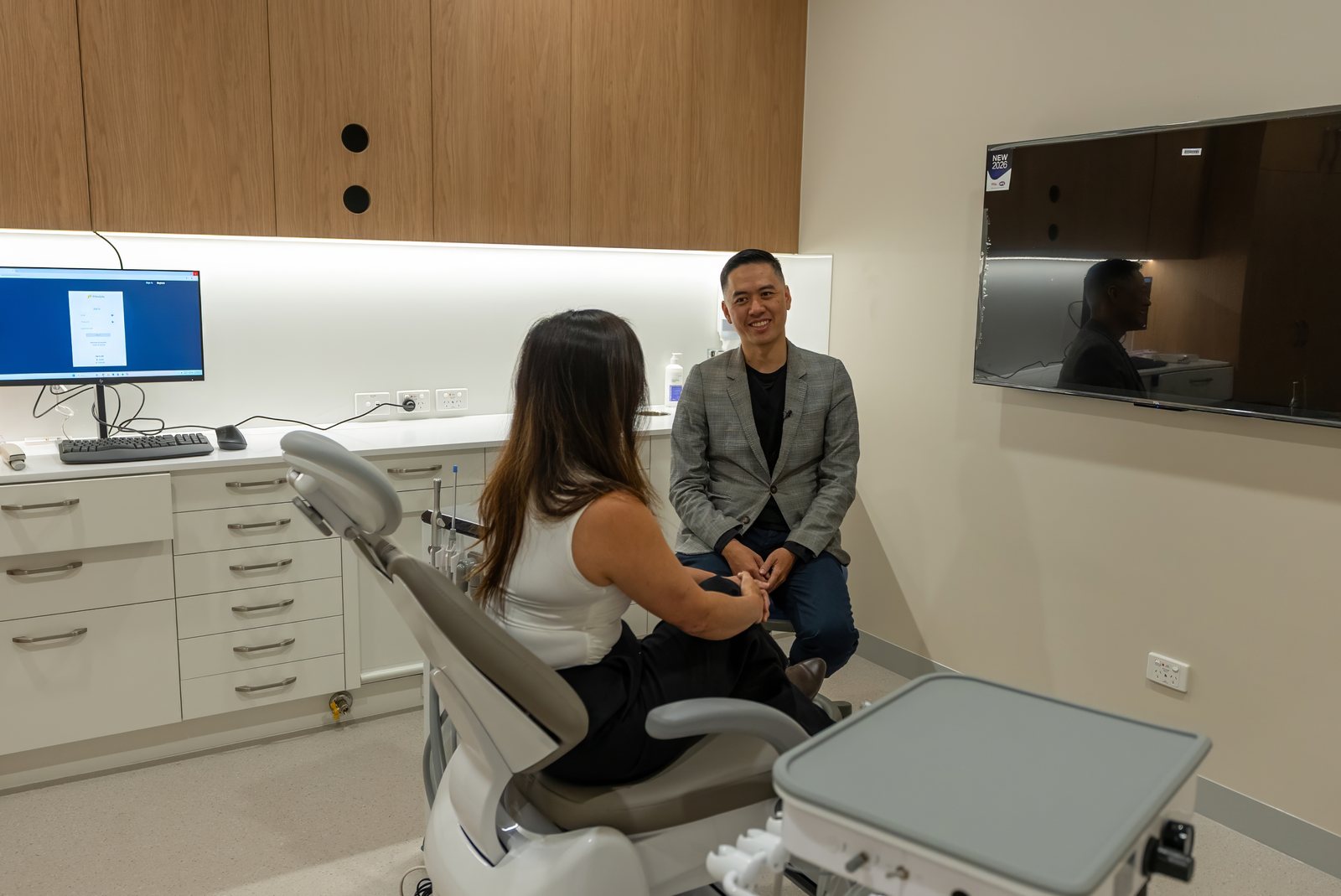
Why CPAP can leave the mouth dry, and why that matters for whitening
Dry mouth is part of sleep apnoea for some people before any machine is involved: Better Health Channel lists dry mouth and headaches on waking among its symptoms. CPAP can add to it. The Sleep Foundation describes dry mouth as one of the most common side effects of CPAP, usually linked to mouth breathing and mask leaks, and lists a heated humidifier, a better mask fit or a different mask type, and a chin strap as adjustments that may help.
An interview study in the Journal of Sleep Research asked 18 adults with long experience of CPAP about their oral health. They described night-time and daytime dryness and mouth breathing, and managed them by adjusting the mask, using a humidifier or chin strap, drinking water and brushing more carefully.
Saliva rinses and protects the teeth. When it is scarce, stray gel may sit on the gums longer and teeth may feel sensitivity sooner. That is a practical observation rather than something studied in CPAP users, so treat it as a reason to plan carefully, not to avoid whitening. Our guide to teeth whitening with a dry mouth covers the general approach. Raise morning dryness with your sleep physician; the Sleep Foundation advises against changing settings without your doctor.
Full-face masks, nasal masks and chin straps with a tray
Full-face masks
A full-face mask seals over the nose and mouth, and its cushion rests on the skin around the lips. A tray adds a little bulk over the front teeth, which for some people pushes the lips forward enough to shift the seal. A leaking mask can dry the mouth further and may affect the therapy itself, so with a full-face mask I usually suggest daytime trays from the start.
Nasal masks, nasal pillows and chin straps
With a nasal mask the lips are free, and a well-trimmed tray may sit comfortably underneath. If you wake with a dry mouth, though, your mouth is probably dropping open, and daytime whitening is the safer choice. If you use a chin strap and notice clenching or jaw ache with a tray in, move whitening to the day.
Why a mandibular advancement splint is not a whitening tray
A mandibular advancement splint, sometimes called a MAS or oral appliance, fits over the upper and lower teeth and holds the lower jaw forward to keep the airway more open. The Sleep Health Foundation describes it as looking a bit like a mouthguard, worn at night, with a screw adjustment used to fine-tune the jaw position over the first weeks. Its job is breathing, not holding gel.
Gel placed in a splint may pool unevenly and sit against the gums. Our article on using a retainer as a whitening tray explains why peroxide gel may affect some appliance plastics and fit. That caution matters more for a device you rely on to breathe well, because a change in fit may change how well it works.
The Sleep Health Foundation advises brushing and flossing before the appliance goes in each night, and regular check-ups with the dentist who supplied it. During a whitening course, rinse away leftover gel first. If teeth feel tender, tell both dentists rather than leaving the splint out.
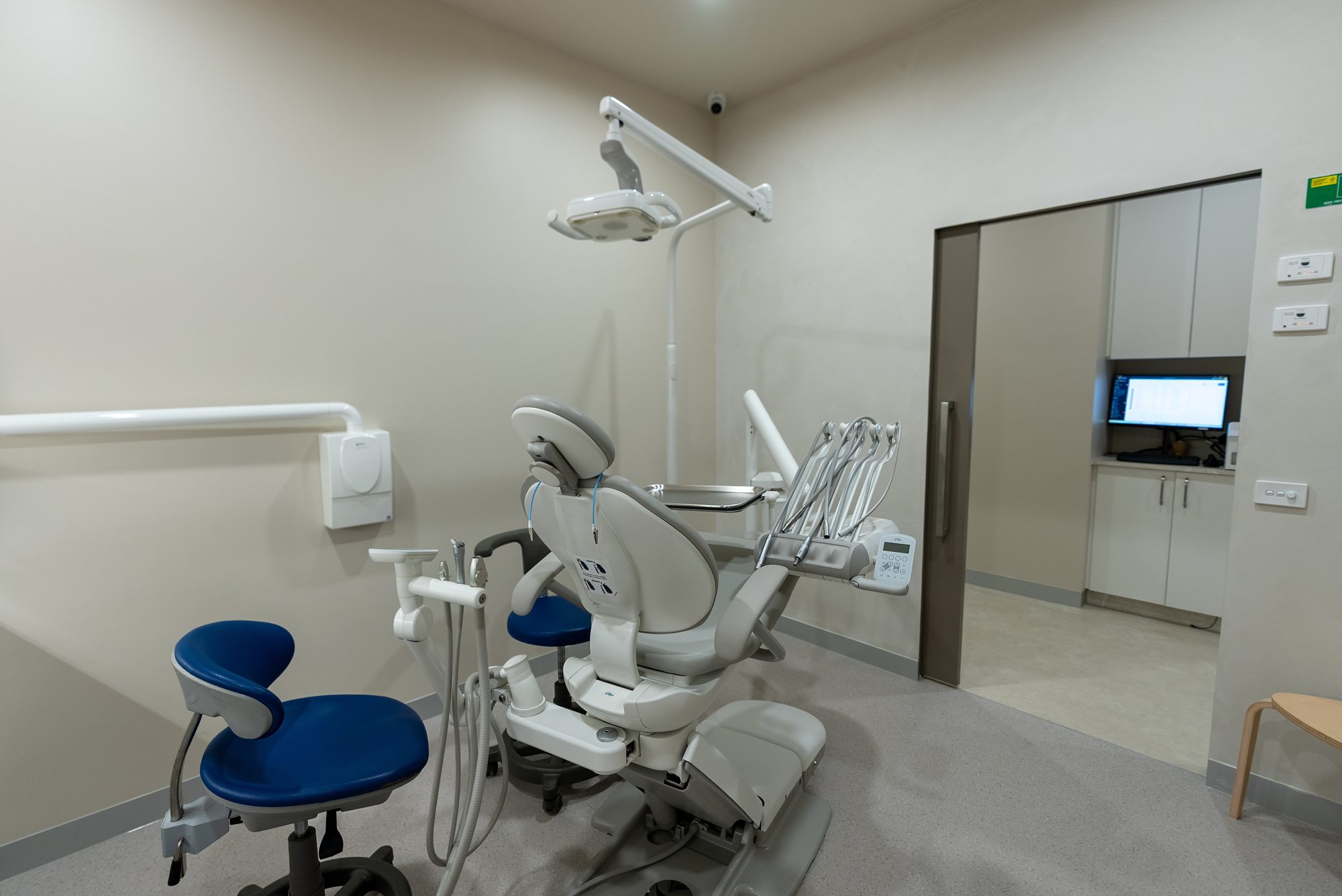
Daytime trays and in-chair whitening
Take-home trays worn during the day
Some take-home gels are designed for shorter daytime sessions, which lets people with CPAP or a splint whiten without touching their bedtime routine. Our article on whitening trays overnight or during the day compares the two routines. A daytime routine that tends to work:
- wear the trays while awake and sitting up, such as after breakfast or in the early evening,
- sip water first if your mouth feels dry,
- rinse and brush gently afterwards, well before the mask or splint goes on.
In-chair whitening
An in-chair session is done at the practice, with the gums protected and the gel applied and removed by the dental team, so nothing is added to your night. Our guide to in-chair whitening explains each step. If lying back for a long appointment is uncomfortable, ask for breaks or a more upright position.
Grinding, jaw soreness and sensitivity
Some people with sleep apnoea also grind or clench, and the Sleep Health Foundation notes that a splint may cause jaw joint discomfort at first that usually settles after it comes out in the morning. Whitening does not change the jaw, but worn edges from grinding can make teeth more sensitive to gel. Our article on teeth whitening if you grind your teeth covers worn enamel and night guards in detail.
To keep sensitivity manageable, use a sensitivity toothpaste before and during the course, start with shorter sessions, leave a day between them if teeth zing, and use only a small amount of gel. Stop and get in touch if a tooth aches rather than briefly zings.
How we approach this at Lumi Dental
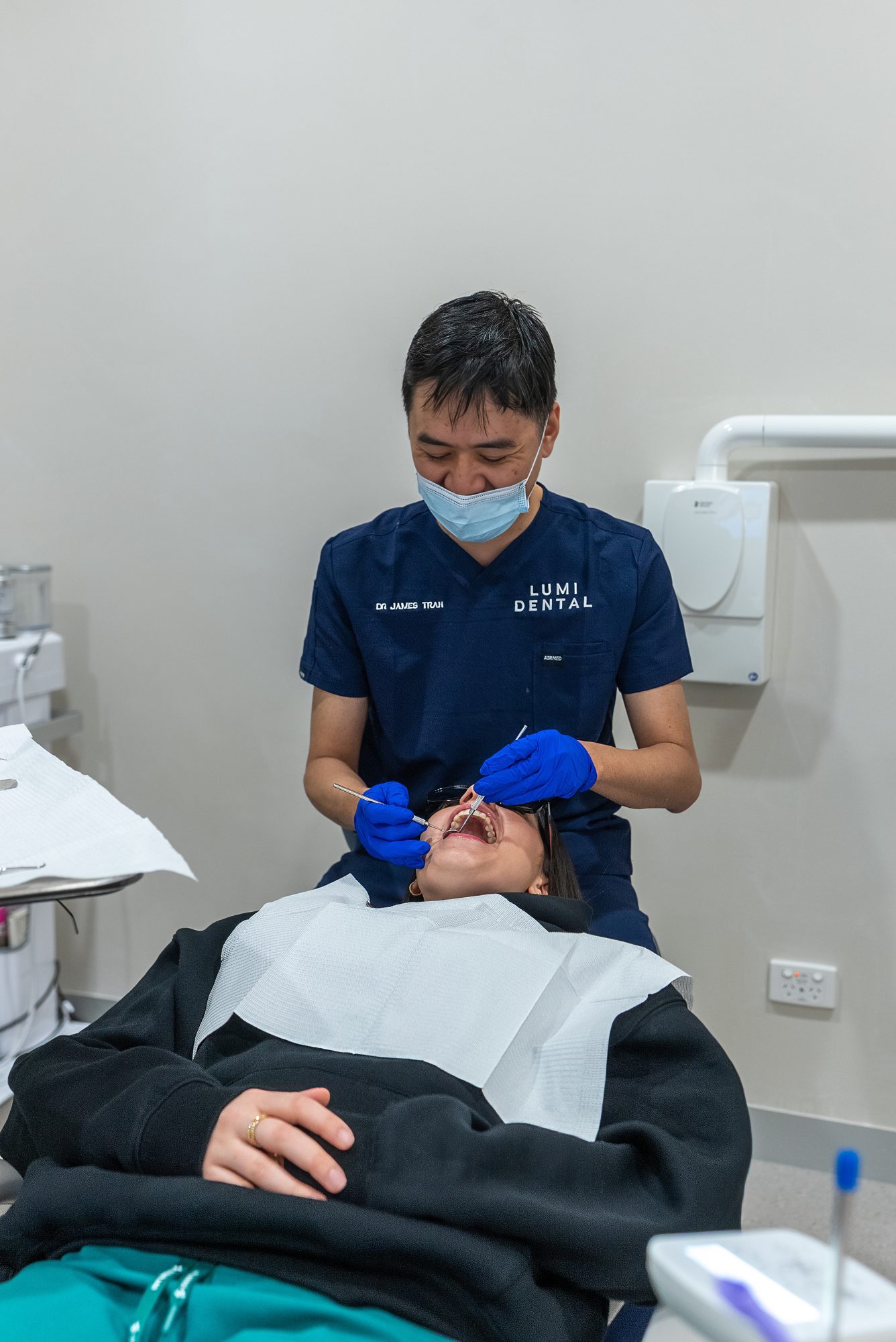
At Lumi Dental, whitening starts with an examination by a dentist, who checks the teeth, gums, existing fillings and crowns, signs of grinding and how dry the mouth is. If you wear a splint, bring it, so the dentist can see how it sits on your teeth and plan trays that do not interfere with it. Splint adjustments stay with the dentist who made it, and CPAP or sleep study questions go through your GP and sleep physician.
The whitening options are named Lumi Home, Lumi Refresh and Lumi Radiance, and the dentist will explain which may suit your sleep setup. You can read more on the teeth whitening page.
Questions patients ask
Can I whiten my teeth if I use a CPAP machine?
Usually, yes. Most people with CPAP whiten with daytime trays or an in-chair session, so the mask and tray are never worn together.
Can I wear whitening trays under my CPAP mask?
Sometimes, with a nasal mask, if the tray is comfortable and your mouth stays closed. With a full-face mask a tray may change how the cushion seals, so daytime wear is usually better.
Can I put whitening gel in my sleep apnoea mouthguard?
No, not unless the dentist who made it has designed and approved it for that. A mandibular advancement splint is built to hold the jaw forward, and gel may pool in it or affect its fit.
Will whitening make my dry mouth worse?
Whitening gel is not known as a cause of dry mouth, but a dry mouth may make sensitivity and gum irritation more noticeable. Shorter daytime sessions and a sensitivity toothpaste may help, and ongoing dryness is worth raising with your sleep physician.
Should I skip CPAP for a night to do overnight whitening?
No. Sleep apnoea treatment comes first every night, and whitening can be done during the day instead. Our article on daytime and overnight whitening routines explains the options, and you can send the team questions through the contact page.
Thinking about whitening? Complimentary cosmetic consult in Melrose Park
If you use CPAP or a sleep splint and would like whiter teeth, the team at Lumi Dental can check your teeth, gums and dryness, and talk through daytime trays or an in-chair visit. Book a complimentary cosmetic consult at Melrose Central in Melrose Park, or read about teeth whitening options at Lumi Dental. Patients visit from Ryde, Parramatta, Ermington and Rydalmere, and there is on-site parking.
Sources
- Better Health Channel: Sleep apnoea
- Sleep Health Foundation: Oral appliances to treat snoring and obstructive sleep apnoea
- Sleep Foundation: CPAP dry mouth
- Journal of Sleep Research: Oral health situations described by CPAP-treated persons with obstructive sleep apnea
About the author

Dr James Tran is a general dentist at Lumi Dental in Melrose Park. He holds a BDent from the University of Sydney and a Graduate Diploma in Oral Implants, and is a Member of the International Congress of Oral Implantologists (MICOI).
This article is general information only and is not a substitute for an examination and individual advice from a registered dental practitioner. Suitability for any treatment varies from person to person.







