



The One Rule: Porcelain Does Not Whiten
Porcelain veneers and ceramic crowns do not respond to any whitening product, whether that is a gel, strips, or an in-chair treatment, in the way natural tooth enamel does, because whitening relies on a chemical bleaching reaction happening inside the porous structure of enamel, and porcelain simply has no equivalent structure for the bleach to act on. Once you understand this one rule, most of the confusion around whitening, veneers, and crowns falls into place. Here is why it works this way, what happens if you whiten around existing restorations, and the correct order to plan things in if you are considering both.
Key Takeaways
- Whitening products work through a chemical reaction inside natural enamel's porous structure, which porcelain and ceramic material do not have.
- Whitening your natural teeth while veneers or crowns are already in place can create a visible colour mismatch, since the natural teeth lighten but the restorations stay the same shade.
- The correct sequence is to whiten to your target shade first, let the shade stabilise for about two weeks, then have any new veneer or crown shade-matched afterwards.
- If a mismatch already exists, options generally include polishing to remove surface staining, professional shade assessment, or in some cases replacing the restoration to match a new shade.
- Home whitening kits and in-chair treatments are equally ineffective on porcelain, so switching methods will not solve a mismatch.
- A written treatment plan and photos before starting either whitening or restorative work make shade matching far easier down the track.
Why Whitening Only Affects Natural Tooth Structure
Natural enamel is made up of microscopic rod-like crystal structures with tiny spaces between them. Whitening agents, typically hydrogen peroxide or carbamide peroxide, penetrate into these spaces and break down the pigmented compounds that have built up within the tooth over years of exposure to tea, coffee, red wine, and other staining substances. This is a genuine chemical change happening inside the tooth, not just a surface polish.
Porcelain and ceramic materials used in veneers and crowns are manufactured to be dense, glass-like, and non-porous, which is exactly what makes them stain-resistant and long-lasting in the first place. That same density means there is no internal structure for a bleaching agent to penetrate. Applying whitening gel to a veneer or crown will not lighten it, no matter how long it is left on or how many treatment cycles are repeated.
What Happens If You Whiten Around Existing Restorations
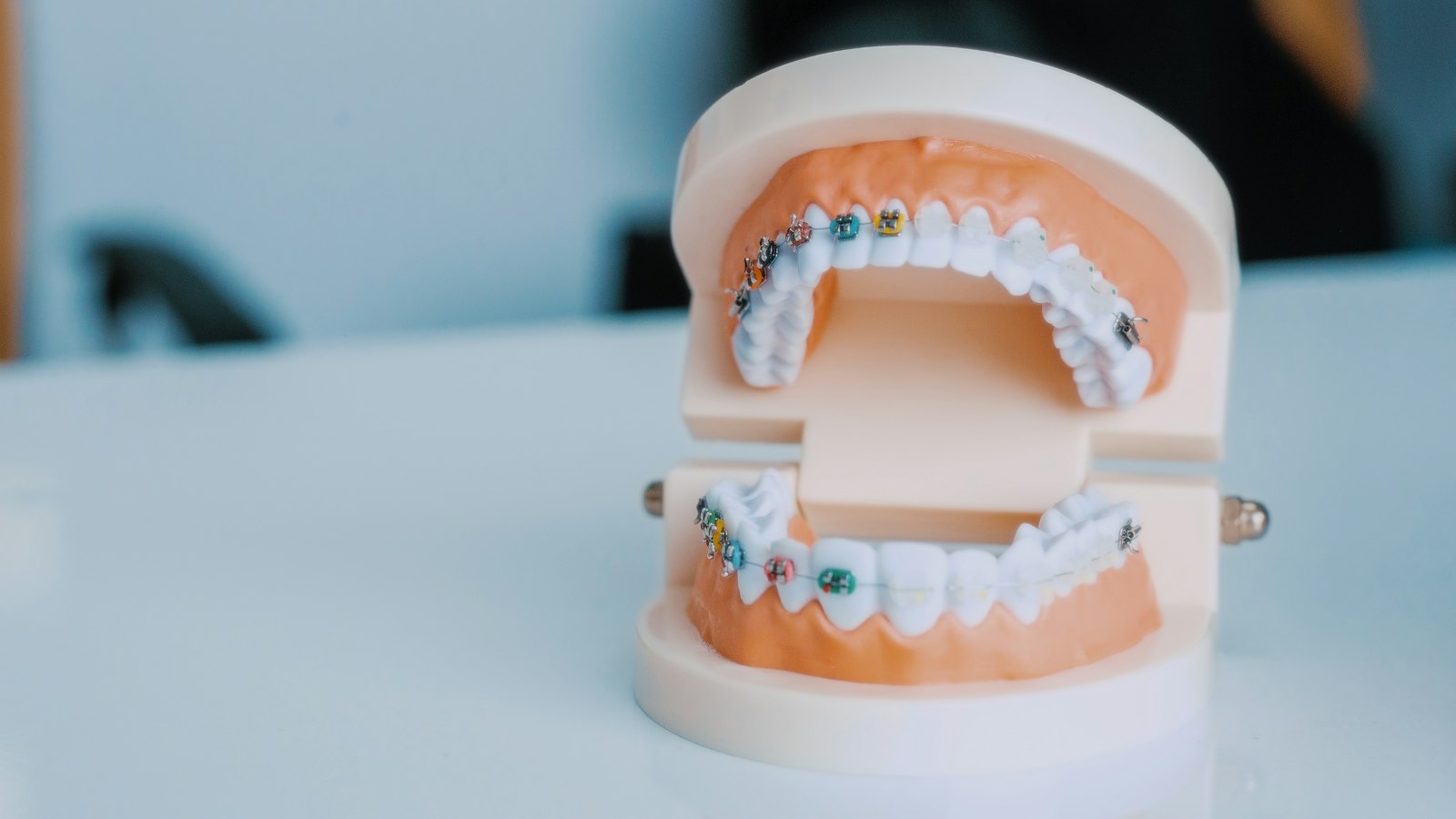
This is where problems tend to show up. If someone already has one or more visible veneers or crowns and then whitens their remaining natural teeth, the natural teeth lighten as expected, but the restorations stay exactly the same shade they always were. The result is a visible mismatch, where the restoration now looks noticeably darker or duller than the surrounding natural teeth, sometimes described as one tooth or a few teeth standing out from the rest of the smile.
This mismatch is entirely avoidable with the right planning, but it is one of the most common regrets patients raise after whitening without first checking where their existing restorations sit in their smile. If you are also weighing up veneers against crowns more generally, our comparison guide on crowns vs veneers is a useful companion read.
The Correct Sequencing: Whiten First, Match Second
For anyone planning both a whitening treatment and a new veneer or crown, the order matters. The general approach is to complete whitening first and reach your target shade, then wait for that shade to stabilise, which typically takes around two weeks as the tooth settles and any temporary dehydration effect from the whitening process resolves. Only once the shade has settled should the restoration be matched to it. This way, the final veneer or crown is built to match your brighter, post-whitening shade from the outset, rather than needing to be replaced later.
Doing it in the reverse order, placing a restoration first and whitening afterwards, is what creates the mismatch problem described above, since there is no way to lighten the restoration to catch up with newly whitened natural teeth. If you already have veneers and are wondering about their expected lifespan or when replacement might come up naturally, our guide on how long veneers last covers this in detail, and our guide to porcelain veneer costs covers what is generally involved in the process.
What If You Already Have a Mismatch?
If you already have a veneer or crown that no longer matches your surrounding teeth, there are a few general options worth discussing with your dentist, and which one suits you depends on the individual situation. Sometimes what looks like a mismatch is actually surface staining that has built up on the restoration over time, and professional polishing can restore some of its original appearance without any replacement needed. In other cases, particularly where the shade difference is substantial or came from natural teeth being whitened, replacing the restoration to match the new, lighter shade is the most reliable long-term fix. A dentist can also do a professional shade assessment to work out exactly how far off the match is and how visible it is likely to be in normal conversation versus close-up photography. These are genuinely case-by-case decisions rather than a one-size-fits-all fix.
Comparison: How Each Material Responds to Whitening
| Material | Responds to Whitening? | How to Address Staining or Mismatch |
|---|---|---|
| Natural tooth enamel | Yes, whitening penetrates and lightens the tooth structure | Home or in-chair whitening treatment as advised by your dentist |
| Porcelain veneer | No, the material has no porous structure for bleach to act on | Professional polishing for surface stains; replacement if a genuine shade mismatch exists |
| Ceramic crown | No, same limitation as porcelain veneers | Professional polishing for surface stains; replacement if a genuine shade mismatch exists |
Frequently Asked Questions
Can I use whitening strips on a porcelain veneer?
No. Whitening strips work the same way as any other whitening product, through a chemical reaction in natural enamel, so they will have no lightening effect on a porcelain veneer.
Will in-chair whitening work better on crowns than home kits?
No. Neither method changes the shade of porcelain or ceramic material, regardless of strength or how the treatment is delivered. Our guide on home whitening versus in-chair whitening compares the two methods for natural teeth specifically.
How long should I wait after whitening before getting a veneer matched?
Around two weeks is generally recommended, since the whitened shade needs time to stabilise before it can be accurately matched.
My veneer looks darker than it used to. Is that whitening-related?
It could be surface staining that has built up over time rather than a true mismatch from whitening. A professional assessment and polish can usually clarify which it is.
Can a dentist whiten just the areas around my crown to blend it in?
Whitening can only lighten natural enamel, so a dentist would whiten the surrounding natural teeth, not the crown itself. This only helps if the surrounding teeth were actually darker than the crown to begin with.
Do veneers eventually need replacing because of colour changes?
Veneers can be replaced for several reasons over their lifespan, including a shade mismatch that develops if natural teeth are later whitened. This is one of several factors covered in our guide to how long veneers typically last.
Is there any product that can lighten porcelain?
No product reliably lightens porcelain or ceramic material once it has been fired and glazed. Surface polishing can remove external staining, but it does not change the base shade of the material.
If you are planning whitening and want to make sure any existing or future veneers and crowns stay in sync with your smile, the team at Lumi Dental can talk through the right order and timing for your situation. Visit current deals to see what is currently available, or find out more about teeth whitening in Melrose Park.

