
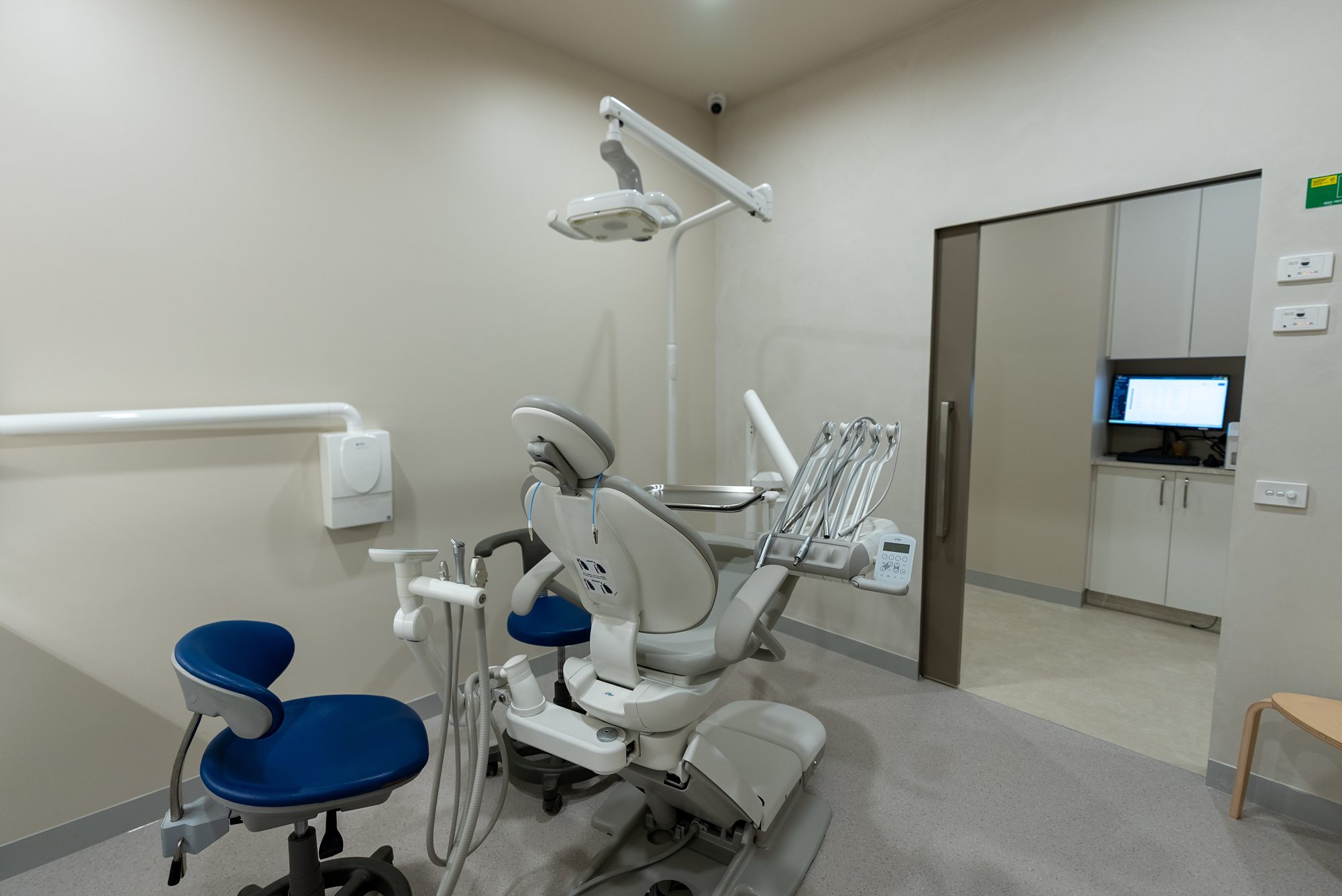

Throbbing tooth pain usually means the nerve inside a tooth is inflamed, or infection has built up pressure around its root, and both need a dentist rather than time. A tooth that pulses in time with your heartbeat is different from a tooth that twinges on ice cream. Healthdirect notes that toothache may be constant, throbbing, or come and go, and advises seeing a dentist as soon as possible if it lasts more than two days or does not improve with pain relief. For throbbing tooth pain specifically, the wait should be shorter.
Written by Dr James Tran, BDent (University of Sydney), MICOI, GradDip (Oral Implants), general dentist at Lumi Dental in Melrose Park.
The short version
- Throbbing is pressure pain. The pulp sits inside a hard shell that cannot stretch, so when it is inflamed or infected each heartbeat pushes against it.
- The usual causes are irreversible pulpitis (deep decay, a leaking filling or a crack reaching the nerve) and a dental abscess (infection at the root tip).
- Sharp pain that stops within seconds of cold is a different, milder problem. Our article on reversible versus irreversible pulpitis explains the line between them.
- Paracetamol or ibuprofen as directed, a salt water rinse and sleeping propped up get you through the night; none of them treats the cause.
- Throbbing that lasts more than a day, keeps you awake or comes with swelling needs a dentist within 24 to 48 hours. Swelling around the eye or neck, fever, or trouble swallowing or breathing needs an emergency department.
Why a tooth throbs: pressure in a space that cannot stretch
The pulp, the soft tissue of nerves and blood vessels in the middle of a tooth, is wrapped in dentine and enamel. A review of pulp disease on PubMed Central describes what happens when it becomes inflamed: the small blood vessels dilate and leak fluid, the pulp needs more room, and because it cannot expand, the pressure inside the tooth rises. Each pulse of blood into that confined space is the beat you feel.
The same review explains the two kinds of pain nerves in the pulp. Fast A-delta fibres give the sharp, short pain of an early, reversible problem. Slower C-fibres respond to tissue damage and inflammation with a dull, crushing, lingering ache. Throbbing belongs to the second group.
Healthdirect's self-care advice is to rest with the head propped up, because lying flat can make dental pain feel worse. Our article on why toothache is worse at night goes into the detail.
What throbbing tooth pain usually means
Irreversible pulpitis
Deep decay, a leaking filling, or a crack that lets bacteria in can push the pulp past recovery. The PubMed Central review lists a dull, throbbing, lingering pain lasting minutes to hours as the classic sign that pulpitis has become irreversible, and notes it may progress to spontaneous, continuous pain that is worse during sleep or when lying down, with or without a hot or cold trigger.
Dental abscess
When the pulp dies, bacteria move down the root canal and out through the tip, and pus collects there. The same review describes throbbing pain that is worse on chewing or biting, with tenderness when the tooth is tapped, as the feature that separates an infection at the root tip from pulpitis alone. Gum or facial swelling, a bad taste and fever point the same way. Our guide to tooth abscess signs and treatment covers what happens next.
Other causes worth knowing
Healthdirect and the NHS both list cracked teeth, wisdom teeth coming through, gum disease, loose or broken fillings and teeth grinding among the causes of toothache. Sinus congestion can make several upper back teeth throb at once, and healthdirect notes that pain from the heart can occasionally feel like a toothache.
Pain character tells the story
The way a tooth hurts narrows the diagnosis before any test is done. In my experience the first three questions matter most: what sets it off, how long it lasts after the trigger is gone, and whether it wakes you.
| What the pain feels like | Most likely cause | How soon to be seen |
|---|---|---|
| Sharp and short, gone within seconds of cold or sweet | Reversible pulpitis or exposed dentine | A routine appointment in the next week or two |
| Dull throbbing that lingers for minutes after hot or cold, or starts on its own | Irreversible pulpitis | Within 24 to 48 hours |
| Throbbing with pain on biting, a tooth that feels tall, bad taste or gum swelling | Dental abscess | Same day where possible |
| Sharp pain on biting or on letting go of the bite, hard to pin to one tooth | Cracked tooth | Within a few days; avoid chewing on that side |
| Dull ache across several upper back teeth with a blocked nose | Sinus-related pain | GP or dentist; the dentist rules the teeth out |
| Throbbing with swelling around the eye or neck, fever, or trouble swallowing or breathing | Spreading infection | Emergency department now |
The rule: a day, a night, or a swelling
If throbbing lasts more than a day, keeps you awake at night, or comes with any swelling, see a dentist within 24 to 48 hours. If the swelling reaches the eye or neck, or you have a fever or trouble swallowing or breathing, go to an emergency department.
Healthdirect and the NHS both say to see a dentist if toothache lasts more than two days or does not respond to pain relief, and to get emergency care for swelling around the eye or neck or difficulty breathing, swallowing or speaking. I shorten the two days to one for throbbing because it is the pulp or an abscess talking, and in the patients I see it rarely settles on its own.
What to do tonight while you wait
Pain relief first. The NHS lists ibuprofen or paracetamol for toothache. It recommends trying paracetamol first if you can take it, and says adults can take the two together if one alone is not enough. For standard 200 mg ibuprofen tablets the NHS figures are one or two tablets up to three times a day, at least four hours apart, no more than six tablets in 24 hours, taken with or after food. Ibuprofen may not suit people with a stomach ulcer, asthma, heart, liver or kidney conditions, or those who are pregnant or on blood thinners. The directions on an Australian packet and your pharmacist's advice override any figure here. Our article on ibuprofen versus paracetamol for tooth pain compares the two.
Then the simple things. The NHS salt water rinse is half a teaspoon of salt dissolved in a glass of warm water, rinsed and spat out. Healthdirect suggests a cold compress wrapped in a cloth against the cheek, soft foods, and avoiding very hot or very cold drinks. Sleep with your head propped up. Avoid sweet foods, do not chew on that side, and do not smoke. I also ask patients not to hold an aspirin against the gum; it burns the tissue and does nothing for the tooth.
What the dentist will do
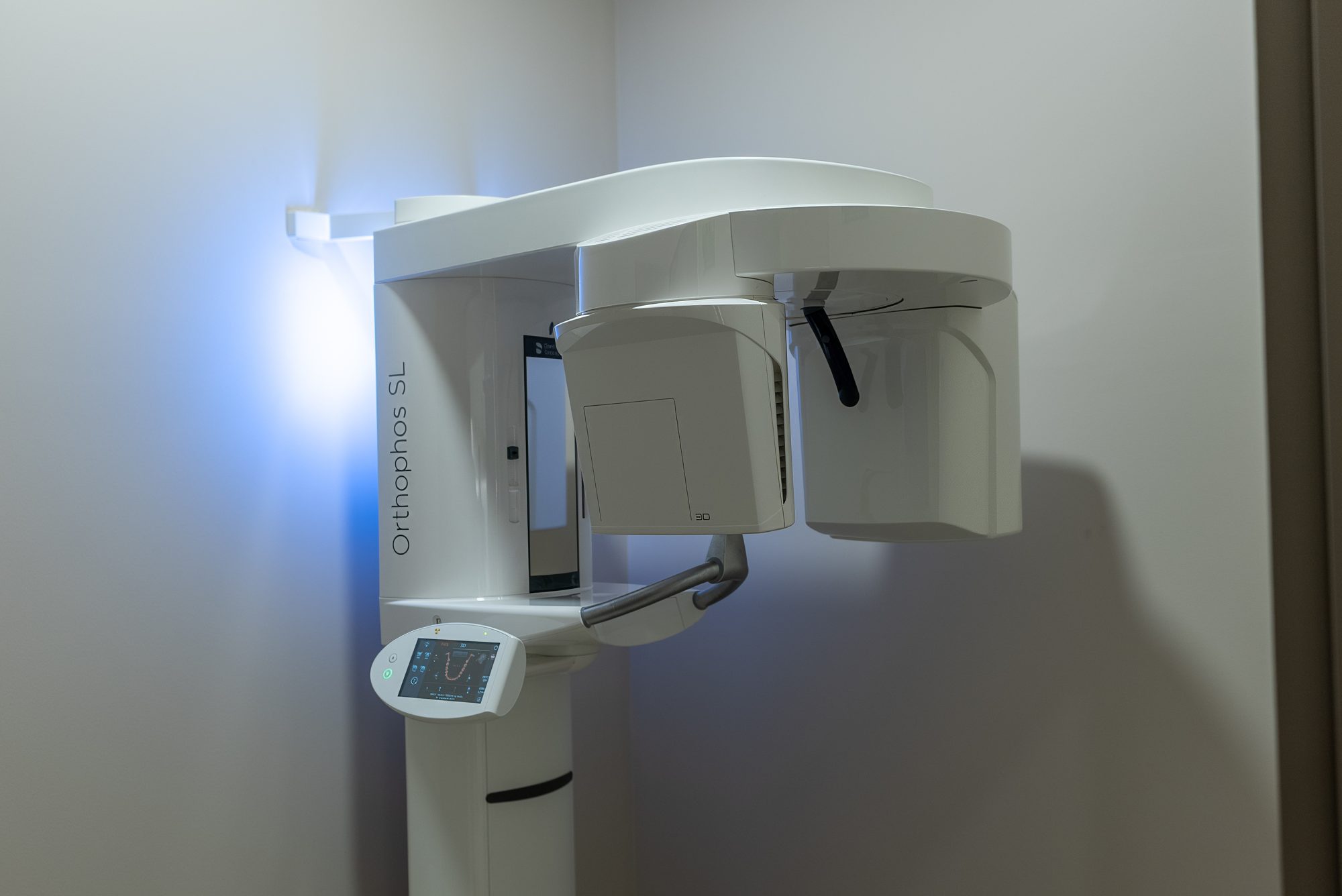
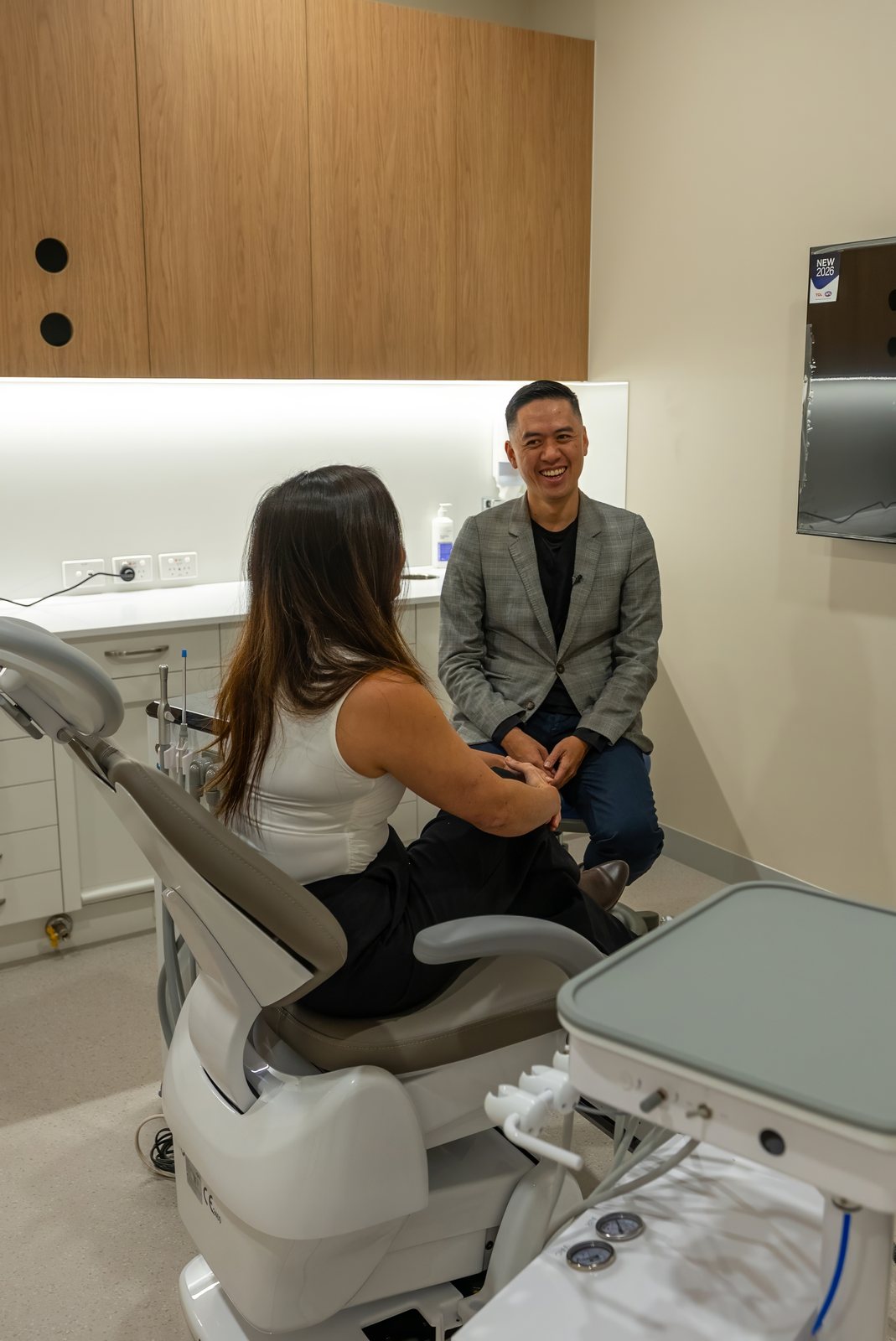
Healthdirect describes the visit: the dentist examines the mouth, asks about dental and medical history, asks what makes the pain better or worse, and may take an X-ray. In practice that also means a cold test on the suspect tooth and its neighbours, tapping each tooth, and a bite test for cracks. Where a two-dimensional X-ray cannot show a crack or a small abscess, a 3D X-ray can.
Treatment depends on what is found. Healthdirect lists root canal therapy, a filling, a crown, or removal of the tooth if it is badly infected. A pulp that is inflamed but still alive may be treated with a filling or a pulp dressing. A pulp that is past recovery, or dead with an abscess behind it, needs root canal treatment or extraction. Antibiotics are usually not used for a toothache unless there is a clear infection, healthdirect notes. Relief usually comes fast once the tooth is opened and the pressure escapes. Our guide to root canal treatment walks through the procedure.
How we approach this at Lumi Dental
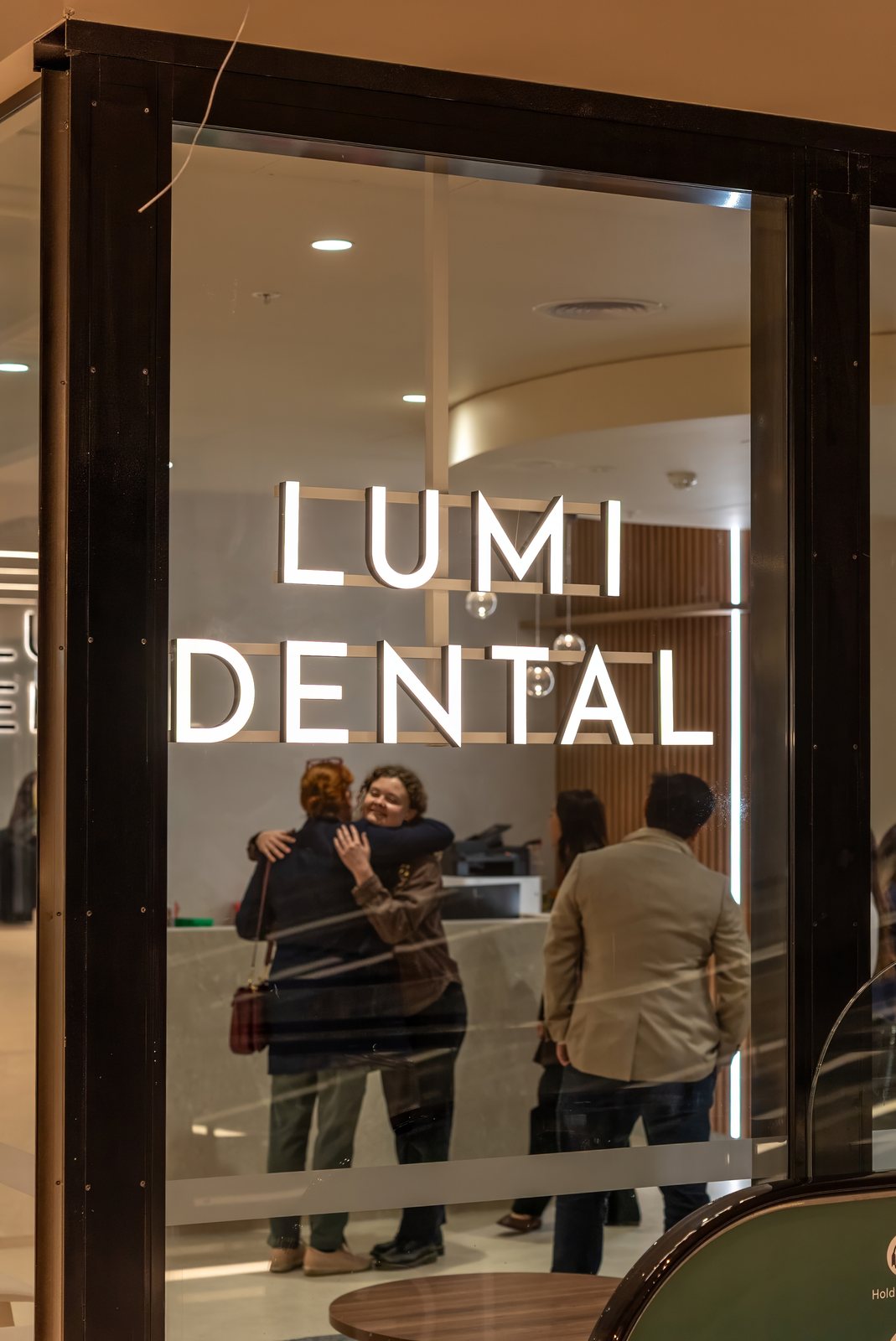
At Lumi Dental in Melrose Park, emergency appointments are kept each day for patients in pain. A dentist examines and tests the tooth and, where a standard X-ray leaves doubt, uses the in-house 3D X-ray to find a crack or an abscess. The first visit is about relieving pressure: opening the tooth, draining an abscess or placing a sedative dressing, with the definitive treatment planned once the pain has settled. The practice is open Monday to Saturday and Sunday by appointment; check current hours on the contact page. Read more about the emergency dentist service at Lumi Dental.
Questions patients ask
Why does a tooth throb in time with your heartbeat?
Because the inflamed pulp is trapped inside hard dentine and cannot swell. Every heartbeat pushes a little more blood into that confined space, and that pressure spike is the pulse you feel.
Will throbbing tooth pain go away on its own?
The pain sometimes does; the problem does not. A pulp that dies stops sending pain signals for a while. Infection then builds quietly at the root tip until it flares as an abscess. A tooth that was throbbing and has gone silent still needs to be checked.
Why is a throbbing tooth worse at night?
Lying flat raises blood pressure in the head, which raises the pressure inside an already inflamed pulp. Propping the head up on two pillows and timing pain relief before bed usually helps enough to sleep.
Do I need antibiotics for a throbbing tooth?
Usually not. Healthdirect notes antibiotics are usually not used for toothache unless there is a clear infection, and even with an abscess the fix is draining it and treating or removing the tooth. Antibiotics are added where infection is spreading into the face or neck.
Should I go to the emergency department or a dentist?
A dentist, unless there is swelling around the eye or neck, a fever, or difficulty swallowing, breathing or speaking, in which case go to an emergency department. Our article on facial swelling from a dental infection describes the warning signs.
Throbbing tooth? Same-day emergency appointments in Melrose Park
If a tooth is throbbing, the team at Lumi Dental in Melrose Park keeps appointments for pain each day. Book through the emergency dentist page or contact the practice, and see the current deals page for offers; a written quote follows the examination. Patients come from Ryde, Parramatta, Ermington, Rydalmere and nearby suburbs.
Sources
- healthdirect: Toothache and gum swelling
- NHS: Toothache
- NHS: Ibuprofen for adults
- PMC: A correlation between clinical classification of dental pulp and periapical diseases with its pathophysiology and pain pathway
About the author

Dr James Tran is a general dentist at Lumi Dental in Melrose Park. He holds a BDent from the University of Sydney and a Graduate Diploma in Oral Implants, and is a Member of the International Congress of Oral Implantologists (MICOI).
This article is general information only and is not a substitute for an examination and individual advice from a registered dental practitioner. Suitability for any treatment varies from person to person.








