

Pain when you bite down is one of the most common reasons people book an urgent dental appointment, and the cause can range from something minor to something that needs prompt treatment. Tooth pain when biting down usually points to one of a handful of causes: a cracked tooth, a filling or crown sitting slightly too high, referred pain from a sinus infection, an abscess, or a loose restoration, and the pattern of the pain is often the best clue to which one it is. Working out which cause fits your symptoms can help you decide how quickly you need to be seen.
Key takeaways
- Sharp pain on release of biting pressure is a classic sign of a cracked tooth.
- Pain from a single new filling or crown that feels too tall often means a bite adjustment is needed.
- Sinus infections can cause several upper back teeth to ache when chewing, without any dental cause at all.
- Constant, throbbing pain with swelling suggests an abscess and needs prompt attention.
- A loose crown or filling can cause pain when biting because the restoration is moving under pressure.
- Pain that lingers for more than a couple of days, or comes with swelling or fever, should not be ignored.
Why biting pressure triggers pain
Teeth are built to handle a lot of force, but several things can make that normal pressure painful: a crack that flexes under load, a nerve that is inflamed or infected, a restoration sitting proud of the bite, or pressure transmitted from a sinus above the roots of the upper back teeth. The location, timing, and exact feeling of the pain, sharp versus dull, momentary versus constant, one tooth versus several, all help narrow down the cause.
Decision guide: symptom pattern, likely cause, and urgency
| Symptom pattern | Likely cause | Urgency |
|---|---|---|
| Sharp pain on releasing a bite, worse with certain foods, comes and goes | Cracked tooth | See a dentist within a few days, sooner if pain is worsening |
| Dull ache on one tooth right after a filling or crown was placed | Restoration sitting too high, bite not settled | Book a bite check, usually resolved quickly with a small adjustment |
| Several upper back teeth ache together, worse leaning forward, congestion present | Sinus-related referred pain | Manage sinus symptoms, see a dentist if pain persists once congestion clears |
| Constant throbbing pain, swelling, possible bad taste or fever | Dental abscess | Urgent, contact a dentist promptly or seek emergency care |
| Pain plus a feeling the crown or filling is moving or shifting | Loose restoration | See a dentist soon to prevent further damage or decay underneath |
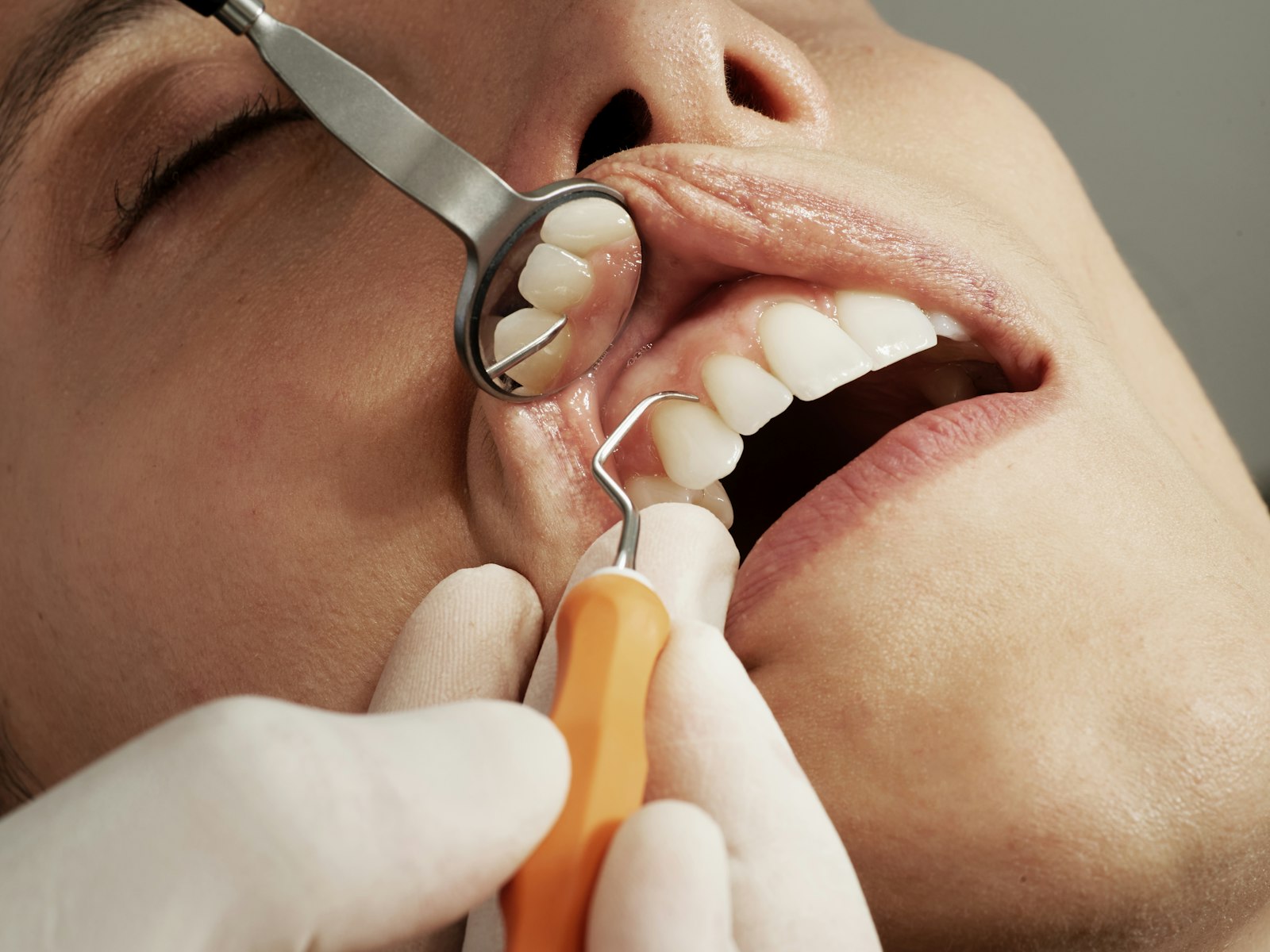
Cracked tooth: the classic biting pain
A crack that does not show up on an x-ray can still cause real pain. Chewing flexes the crack open slightly, irritating the nerve inside, and the pain often disappears the moment you release the bite, sometimes described as a sharp, brief twinge. Cold sensitivity can accompany it. Cracks can range from minor and manageable with a crown, through to more serious cracks that reach below the gum line and may affect the tooth's long-term outlook. Our article on jaw pain and TMJ causes is worth a read too, since jaw joint issues can sometimes mimic or overlap with tooth pain.
High filling or crown
If a tooth was treated recently and now feels like it is hitting first when you bite, the restoration is probably sitting just fractionally too high. This is a common and easily fixed issue, usually resolved with a short adjustment appointment rather than redoing the whole restoration. It is worth mentioning promptly, since biting on a high spot for weeks can cause its own soreness in the tooth and surrounding ligament.
Sinus-related pain
The roots of the upper back teeth sit close to the sinus floor, so sinus congestion or infection can cause several teeth in that area to ache together, especially when biting or leaning forward. If pain affects multiple upper teeth at once and you also have nasal congestion, this is worth considering. Our guide on sinus toothache and referred pain goes into more detail on how to tell the difference from a dental problem.
Dental abscess
An abscess is a pocket of infection, usually from untreated decay or a cracked tooth that has let bacteria reach the nerve. Pain tends to be constant rather than only on biting, and can come with swelling, a bad taste, or fever. This needs prompt attention, since infection can spread if left. Our article on tooth abscess signs and treatment covers what to expect. If you are unsure how urgent your symptoms are, our guide on what to do in a dental emergency can help you decide.
Loose crown, filling, or implant restoration
If a restoration has come loose, even slightly, biting pressure can cause pain because the crown or filling is moving against the tooth or gum underneath. This also risks letting bacteria in around the edges. If you suspect an implant crown specifically is loose, our article on what to do about a loose dental implant crown explains next steps.
What to do while you wait for an appointment
Avoid chewing on the painful side, stick to softer foods, and over-the-counter pain relief taken as directed can help in the meantime. Avoid very hot or cold foods if there is sensitivity. None of this fixes the underlying cause, so it is still worth being seen rather than managing symptoms indefinitely.
Frequently asked questions
Why does my tooth only hurt when I bite down, not all the time?
This pattern is typical of a crack or a high spot on a restoration, both of which are triggered by pressure rather than being constant.
Can a cavity cause pain when biting?
Yes, especially if decay has progressed close to the nerve. The pain may also respond to sweet foods or temperature changes.
Is it normal for a new filling to hurt when biting?
Some sensitivity for a few days is common, but pain that is sharp or gets worse, particularly right on biting, often means the bite needs a small adjustment.
How can I tell if pain is from my tooth or my sinuses?
Sinus-related pain usually affects several upper back teeth at once and comes with congestion, while a single tooth hurting on biting is more likely a dental cause.
What happens if I ignore an abscess?
Untreated infection can spread to surrounding tissue and, in rare cases, become serious. It will not resolve without treatment, so prompt care matters.
Can stress or grinding cause pain when biting?
Yes, clenching or grinding can make teeth and the jaw joint sore, sometimes mimicking a cracked tooth. A night guard is often recommended once this is identified.
Should I go to an emergency department or a dentist?
For most tooth pain, a dentist is the right first call. Emergency departments are more appropriate for significant facial swelling, breathing or swallowing difficulty, or symptoms alongside fever that are worsening rapidly.
If biting down is causing pain, it is worth having it checked rather than waiting it out. The team at Lumi Dental can assess what is going on and talk you through the options, and you can see current offers or learn more about our general dentistry services in Melrose Park.
This article is general information and does not replace individual advice from your dentist.


