

Twenty to 22 hours out of every 24: that is the wear target Orthodontics Australia gives for clear aligners, and it does not change when you board a plane. What does change is the clock, the meals and the routine that normally keep you on track. Most aligner problems on holiday come from those small disruptions, not from the flight itself.
Written by Dr James Tran, BDent (University of Sydney), MICOI, GradDip (Oral Implants), general dentist at Lumi Dental in Melrose Park.
Wear time slips easily even at home. In a 2021 study in the Journal of Clinical Medicine that followed 2,644 adults through aligner treatment, fewer than half (about 45 percent, by their own app reports) wore each aligner for 22 hours a day throughout. A trip adds late dinners, long lunches and broken sleep, so it helps to plan before you leave.
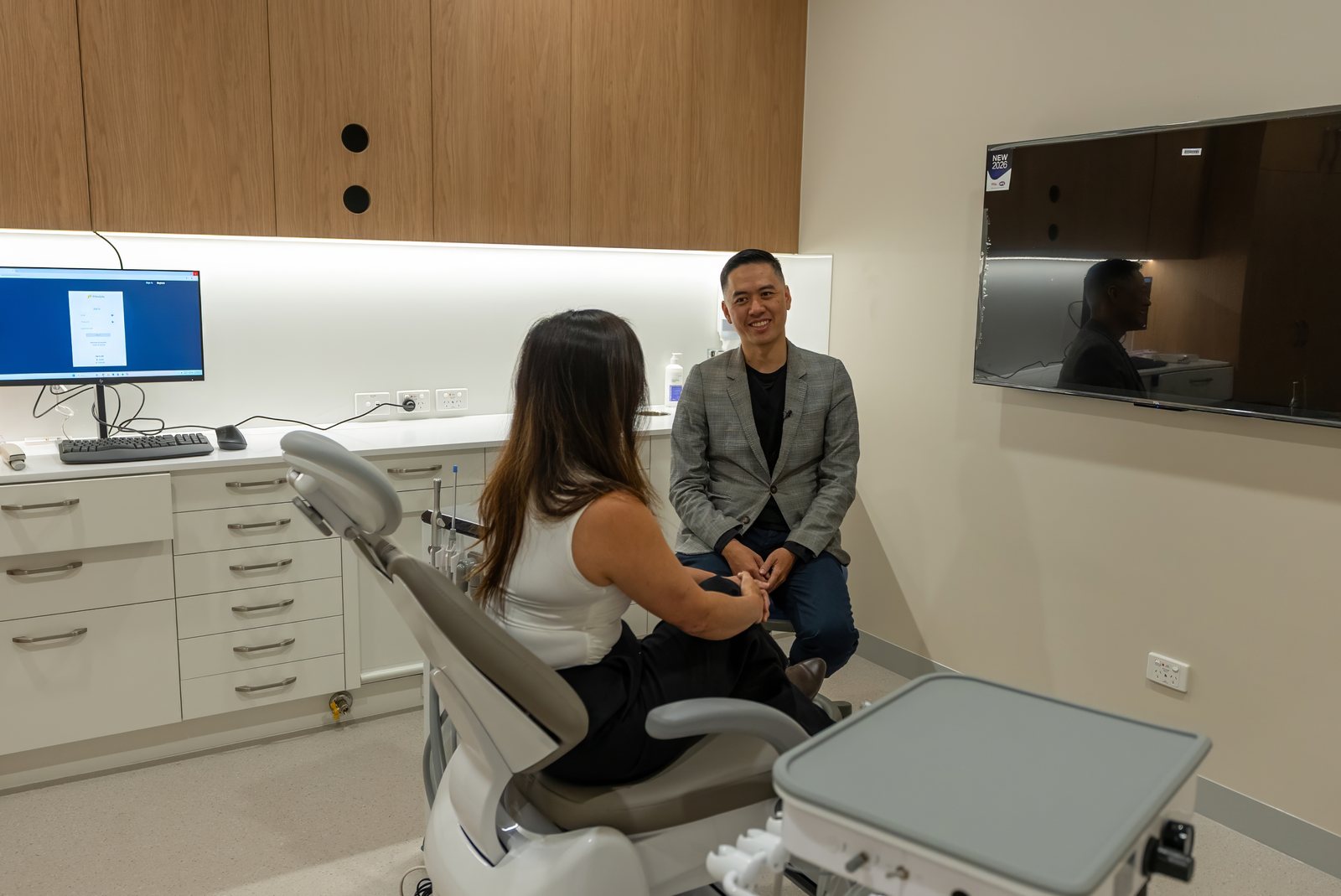
Sort out the plan with your dentist a few weeks before you fly
A short conversation before departure heads off most travel problems. The points worth settling are:
- How many sets to take, including spares, so you are not caught short if the trip runs long.
- Which set to fall back on if one is lost or cracked: usually the previous one if the current aligner is new, or the next one if you are near the end of it.
- Whether any upcoming stage needs new attachments or reshaping between teeth (interproximal reduction), because those steps can only happen in the chair.
- How to reach the practice while you are away, and what a useful photo looks like.
Save the answers in your phone along with your aligner number and the date you started the current set.
Across time zones, tally hours instead of dates
Teeth respond to how long the aligner presses on them, not to what day it is. Once you cross several time zones, a calendar-based change schedule stops making sense, so switch to counting.
Heading west to Europe, the gap between one night's sleep and the next can be 30 hours or longer. Treat it as a long day and aim for roughly the same proportion of wear, which works out to around 27 hours in the mouth. Flying east to the Americas, or home from Europe, the day can shrink to 18 hours or so. Extra wear on a short day is fine, but it does not earn you time off the next day; steady pressure matters more than an average.
A one-week aligner worn 22 hours a day adds up to about 154 hours. If a travel day cost you four or five hours, stay on that aligner an extra day. If you banked extra hours, do not swap early. A good sign that an aligner is ready to change is that it feels passive, with no pressure when it goes in. Your own treatment may have different instructions, so check with whoever supervises it.
Keep them in for the flight, out only for meals
A long-haul flight is one of the easier places to hit your hours. You are seated, mostly resting and eating at set times. A routine that works for many people:
Eat and brush at the airport before boarding, then put the aligners in. With them in, drink only plain water, because hot drinks can distort the plastic and tea, coffee, juice and wine can stain it or pool sugar against the teeth. When the meal cart appears, put the aligners into their case before the tray lands, eat, then brush in the bathroom or at least rinse with water, and put them back in. Aim to keep each meal break to around 30 to 40 minutes.
Sleep with them in. Before you leave your seat at the end, check the case is in your bag, because seat pockets and tray tables are where many aligners are left behind.
A tooth that aches on descent is more often a pressure change in a sinus or an existing filling than the aligner. Our article on tooth pain when flying explains when that is worth having checked.
The carry-on kit
Nothing aligner-related goes in checked luggage. If a suitcase goes missing for three days, so does your wear time.
- Sets: current, previous and next, plus whatever extra your dentist has agreed for the length of the trip.
- Two cases: one in your day bag and one in the suitcase. Out of the mouth means into a case, never a pocket or a serviette, which is how aligners end up in a bin.
- Cleaning: a travel toothbrush, toothpaste, floss, a soft brush for the aligners and clear unscented soap or cleaning tablets. Do not scrub aligners with toothpaste, which scratches them, and never use hot water.
- Chewies for seating a new aligner fully; our guide to aligner chewies shows how.
- A refillable bottle for water after security.
- Contacts: the practice email, your aligner number and your travel insurer's details.
Holiday eating is where the hours go
At home, meals are predictable. On holiday, a coffee, a pastry, a gelato and a long lunch can each mean another session with the aligners out, and the minutes add up fast. Grouping food into fewer, larger meals keeps out-time down. Orthodontics Australia advises brushing before the aligners go back in; when you cannot, a thorough rinse with water is the fallback. Our guide to eating and drinking with clear aligners covers specific foods and drinks.
Clean the aligners each night with soap and a soft brush. Where the local tap water is not safe to drink, use bottled water for rinsing too.
If something goes wrong away from home
| Problem | Straight away | Next step |
|---|---|---|
| Aligner lost | Move to the fallback set you agreed before leaving | Email the practice with your aligner number |
| Aligner cracked | Keep wearing it only if it seats fully and has no sharp edge; otherwise use the fallback set | Send a photo |
| New aligner will not seat after missed wear | Go back to the last set that fits well and wear it full time with chewies for a few days | See our guide to an aligner that is not fitting |
| Attachment falls off | Keep wearing the aligners as normal | Let the practice know so it can be replaced when you are back |
| Toothache, swelling or a broken tooth | See a local dentist and contact your travel insurer early | Read our guide to a dental emergency overseas |
Keep your travel insurer's number in the same pouch as the aligners. Our guide to a lost or damaged aligner goes through replacements in more detail.

Planning aligner treatment around travel at Lumi Dental
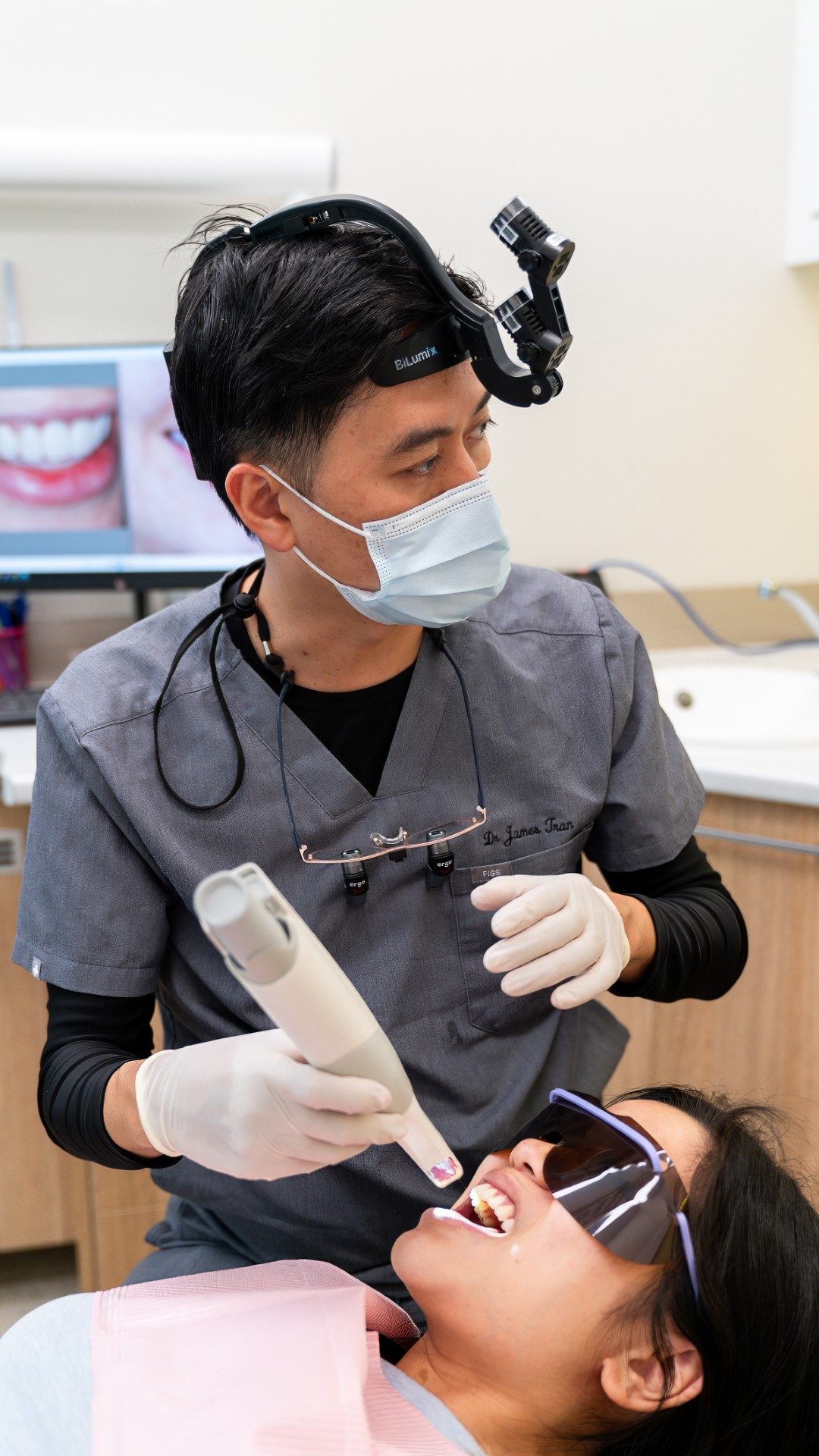
Our clear aligner treatment is planned from a 3D intraoral scan taken in the practice, described on our technology page. Before a long trip, the dentist can write out which sets to carry, how to adjust the change schedule for lost hours and what to do if one is lost. While you are away, you can email the practice with a clear photo and we will advise where we can. The clear aligners page explains how treatment runs from start to finish.
What travellers ask us
Is it fine to sleep on the plane with aligners in?
Yes. Sleep is the easiest wear time to protect. Sip water when you wake, as cabin air is dry and a dry mouth under an aligner can feel uncomfortable.
What if I skip aligners for a few days on holiday?
Teeth can start drifting back within days, and the next aligner may then feel very tight or not seat. Orthodontics Australia notes that poor wear can lengthen treatment. Return to the last set that fits, wear it full time for a few days and contact the practice.
Can I go without aligners if one is lost?
It is better not to. Even a few days with nothing in allows movement in the wrong direction. Use the agreed fallback set until you hear back.
Starting aligners with a trip on the calendar?
If you are about to begin treatment, or are partway through and have a long trip coming up, our team in Melrose Park can set out a travel plan with you. Book a free aligner consultation or read more about clear aligners at Lumi Dental.
Sources
- Orthodontics Australia: Clear aligners
- Factors influencing patient compliance during clear aligner therapy: a retrospective cohort study. Journal of Clinical Medicine, 2021
- Orthodontics Australia: What to do if you lose your retainer
About the author

Dr James Tran is a general dentist at Lumi Dental in Melrose Central, Melrose Park. He holds a Bachelor of Dentistry (BDent) from the University of Sydney and a Graduate Diploma in Oral Implants, and is a Master of the International Congress of Oral Implantologists (MICOI).
This article is general information only and is not a substitute for an examination and individual advice from a registered dental practitioner. Suitability for any treatment varies from person to person.








