


Not every cavity needs to be filled the moment it is spotted, and knowing when watching a small cavity is reasonable versus when it genuinely needs a filling now is one of the more nuanced decisions in everyday dentistry. Early tooth decay that is still confined to the outer enamel layer can sometimes be managed with fluoride, better cleaning and diet changes, while decay that has progressed into the softer dentine layer underneath usually needs a restoration to stop it worsening. This article walks through how dentists actually make that call, what monitoring involves in practice, and the point at which waiting stops being the sensible choice.
Key takeaways
- Early, enamel-only lesions can sometimes be monitored rather than filled immediately, particularly with improved fluoride use and diet changes.
- Once decay has progressed into dentine, it generally needs a filling, because dentine breaks down faster and the cavity cannot reliably remineralise on its own.
- Monitoring typically involves regular bitewing X-rays, visual and tactile checks, and a defined recall interval rather than "leaving it alone".
- Risk factors like high sugar intake, dry mouth or poor oral hygiene can turn a "watch" lesion into a "fill it now" lesion.
- A watch-and-wait decision for a cavity is a genuine, evidence-based approach when applied correctly, not a way to delay necessary treatment.
What "watching" a cavity actually means
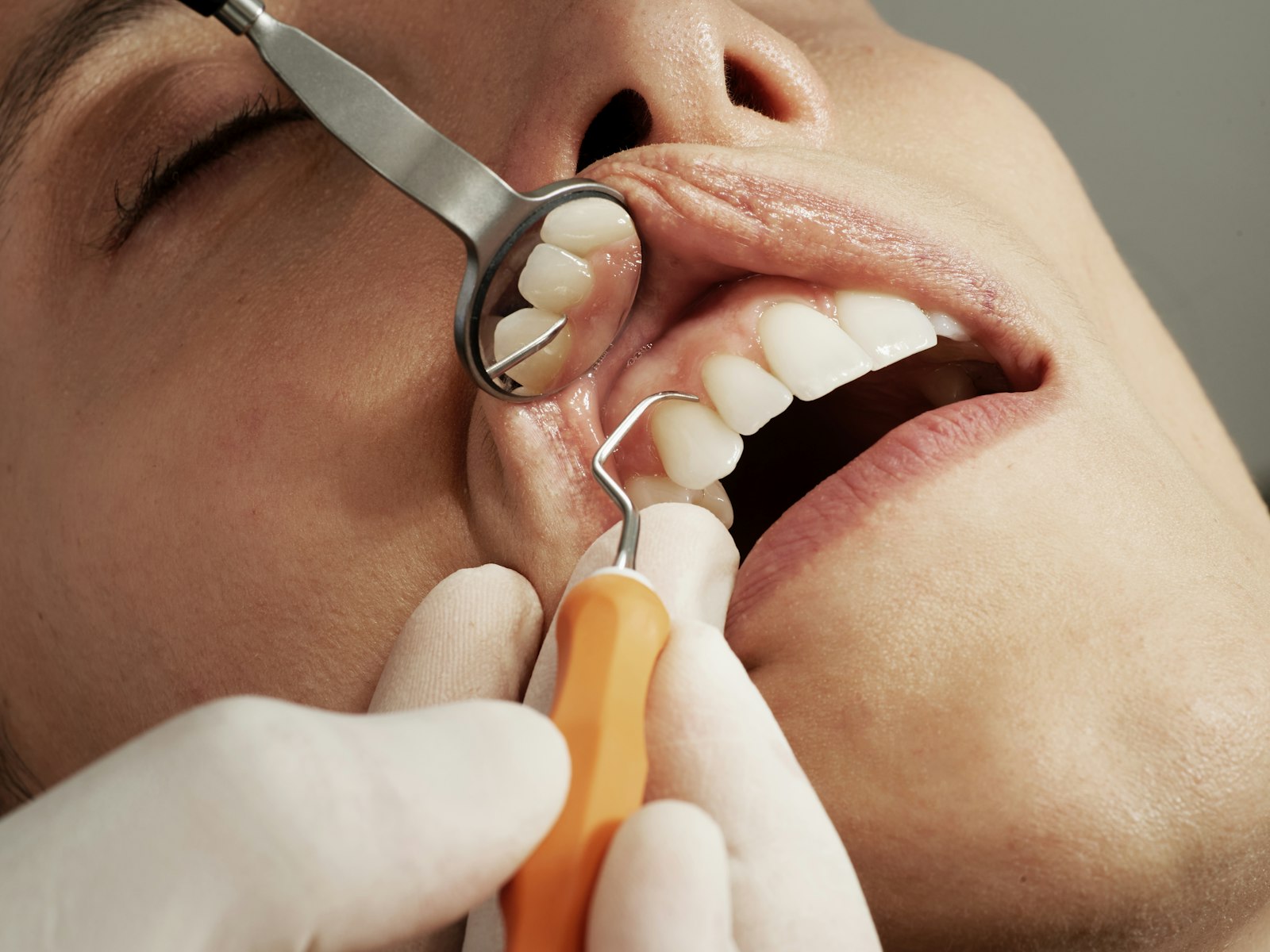
When a dentist identifies a very early area of decay, sometimes visible as a white or light brown spot on the tooth surface, the first question is how deep it goes. If the lesion is confined to enamel, the outermost and hardest layer of the tooth, it may still be at a stage where the tooth's own remineralisation process, helped along by fluoride, can arrest or even partially reverse the damage. In these cases, a dentist may recommend monitoring the site rather than drilling into a tooth that has a genuine chance of stabilising on its own.
This is different from ignoring a problem. Active monitoring usually means a defined follow-up plan, not simply hoping the issue goes away. It typically includes periodic bitewing X-rays to check whether the lesion is progressing beneath the surface, a visual and tactile examination at each check-up, and specific advice on fluoride toothpaste or professional fluoride treatments, along with a conversation about diet and snacking patterns that may be feeding the decay process.
When decay has already reached dentine
Dentine, the layer beneath enamel, is softer and more porous, and once decay reaches it, the tissue tends to break down more quickly and cannot remineralise the way enamel can. At this stage, watching is generally not appropriate, because the cavity is likely to keep growing, potentially reaching the nerve of the tooth and causing pain, infection or the need for more extensive treatment later. A filling at this point removes the decayed tissue and restores the tooth's shape and function before the problem escalates.
A dentist typically uses a combination of visual inspection, a fine dental probe, and a bitewing X-ray to judge how deep a lesion has travelled, since the surface appearance alone does not always reflect what is happening underneath.

What monitoring involves in practice
| Element | Typical approach |
|---|---|
| Recall interval | Often every 3 to 6 months for a monitored lesion, shorter than a standard annual check-up |
| Imaging | Repeat bitewing X-rays to track whether the lesion is stable, shrinking or progressing |
| Home care changes | Higher-strength fluoride toothpaste, sometimes a prescription fluoride product |
| Diet review | Reducing frequency of sugary or acidic snacks and drinks, not just total sugar amount |
| Professional treatments | In-chair fluoride varnish or, in some cases, fissure sealants over adjacent grooves |
General cost context: monitoring versus a filling
Cost is rarely the deciding factor in whether to watch or fill a cavity, since the clinical picture should drive the decision. That said, it helps to understand the general Australian market context. A standard check-up with bitewing X-rays used for monitoring typically falls within general consultation and imaging fees, while a filling adds a separate procedural cost depending on its size and the material used. The team at Lumi Dental can walk you through a written quote for your specific situation rather than a generic figure, and our guide to general dental cleaning costs gives useful background on routine check-up pricing in Sydney.
When waiting stops being appropriate
Several signs suggest that a "watch" lesion needs to move to active treatment. These include a repeat X-ray showing the lesion has grown deeper or wider, the development of sensitivity to cold, sweet foods or pressure, a visible cavity forming where there was previously just a discoloured spot, or a change in risk factors such as a new dry mouth condition, reduced brushing ability, or a significant increase in sugary snacking. Our article on what causes tooth decay and how to prevent it covers these risk factors in more depth and is a useful companion piece if you want to reduce your chances of new lesions forming while an existing one is being monitored.
A different kind of "watch and wait" to what you may have read about
It is worth noting that "watch and wait" is also used to describe decisions around other dental issues, such as impacted wisdom teeth, where the clinical reasoning is quite different. If you have read our article on the watch-and-wait approach for wisdom teeth, the underlying idea, that some issues can be safely monitored rather than treated immediately, is similar in spirit but the specific decision-making criteria for a small cavity are distinct and based on enamel versus dentine involvement rather than impaction and positioning.
Frequently asked questions
Can a small cavity heal on its own without a filling?
An early lesion confined to enamel may be arrested or partially reversed with fluoride and improved home care, but once decay has reached dentine, it generally will not heal on its own and needs a filling.
How often will I need X-rays if my dentist is monitoring a cavity?
This varies by individual risk, but a shorter recall interval with periodic bitewing X-rays, often every few months rather than annually, is common for an actively monitored lesion.
Is it risky to wait if my dentist recommends monitoring?
When monitoring is recommended and followed with regular reviews, it is considered a legitimate and evidence-based approach for early enamel lesions, not a risky delay, provided the lesion is properly tracked over time.
What can I do at home to help a monitored cavity improve?
Using a fluoride toothpaste as advised, reducing the frequency of sugary or acidic food and drink, and maintaining thorough daily brushing and interdental cleaning are the main things within your control.
Why did my dentist recommend a filling instead of monitoring?
This usually means the decay has already progressed into dentine, or there are risk factors present that make progression more likely, both of which reduce the chance that monitoring alone would be effective.
Does everyone with a small cavity get offered monitoring?
No, monitoring is only appropriate for specific early-stage lesions. Your dentist will base the recommendation on X-ray findings, the clinical exam and your individual risk factors rather than applying the same approach to every patient.
If you have a small area of decay and you are not sure whether it needs a filling now or can be safely monitored, a proper assessment with X-rays is the only reliable way to know. The team at Lumi Dental can talk you through the findings and the reasoning behind the recommendation. Visit our current deals page or book a check-up with the general dentist team to get a clear answer.

