

You wake up with a blocked nose, a scratchy throat and a tray that feels dry and tacky against your teeth. The temptation is to leave the aligners on the bedside table until you feel better. Unless you are vomiting, it is better to keep them in: the teeth keep moving only while the trays are worn, and most people start to feel better from a cold within one to two weeks, about as long as one or two aligners are worn.
Written by Dr James Tran, BDent (University of Sydney), MICOI, GradDip (Oral Implants), general dentist at Lumi Dental in Melrose Park.
The cold itself does not harm treatment. What causes trouble is what comes with it: breathing through the mouth, sugary remedies held against the teeth, and wear time that quietly drops away.
Mouth breathing dries the teeth under the tray
With a blocked nose, most people breathe through the mouth, particularly while asleep. Moving air evaporates saliva, and saliva is the mouth's natural rinse. It clears sugar and acid and returns minerals to the enamel. Under an aligner, the little saliva left can barely reach the tooth surface at all, so whatever sits on the teeth when the tray goes in stays there.
A few habits make a real difference while you are congested:
- Sip plain water often through the day. Aligners can stay in for water.
- Use a saline spray or nasal rinse to clear the nose, which healthdirect lists among the options for congestion. Breathing through the nose again sooner is the best fix for a dry mouth.
- Clean the trays more often than usual, as they tend to feel furry and stale when the mouth is dry.
- Use a fluoride toothpaste, and ask your dentist or OHT whether a higher-strength one suits you if dryness lasts.
Our articles on dry mouth and mouth breathing in adults explain the longer-term effects on teeth and gums.

Check the cold and flu shelf for sugar and drying ingredients
Lozenges, syrups and hot drinks
Many throat lozenges and cough syrups are sweetened with sugar. A lozenge slowly dissolving for ten minutes over an aligner holds that sugar against the enamel with almost no saliva to wash it off. Sugar-free versions are available for most products. If you prefer a sugared one, take the trays out first, then rinse and brush before putting them back. Syrups are best taken with the aligners out for the same reason; our article on sugar in liquid medicines explains why sticky doses are hard on teeth.
Hot lemon and honey combines sugar, acid and heat. Have it with the aligners out, since hot liquids can warp the plastic.
Decongestants and antihistamines
Decongestant tablets and sprays and the older, sedating antihistamines commonly dry the mouth. healthdirect advises using decongestant sprays for only a few days. While you are taking them, expect the trays to feel stickier and drink water more often.
Pain relief
Paracetamol or ibuprofen tablets swallowed with water do not affect the mouth, and the aligners can stay in. A pharmacist can tell you which cold and flu products are safe to combine.
If you vomit, a five-step routine
- Take the aligners out as soon as you can and leave them out while you are actively sick.
- Rinse the trays in cool water and clean them gently with a soft brush and clear, unscented soap. Never use hot water.
- Rinse your mouth with plain water. Stomach acid softens enamel for a while, so delay brushing your teeth; our article on brushing after vomiting explains how long to wait.
- Brush, then reinsert the aligners once you are keeping fluids down.
- Keep a rough count of the hours the trays were out, so you know whether to hold the current aligner longer.
A few lost hours are easy to recover; a few lost days are not
Orthodontics Australia recommends 20 to 22 hours of wear a day and notes that falling short can compromise and lengthen treatment. A cold typically costs a few hours here and there: a slow breakfast, a nap with the trays out. That is easily absorbed. Wear the current aligner for an extra day or two before changing, and look for a snug fit with no gap along the edges of the front teeth.
If the trays have been out for most of two days or longer, teeth can begin to drift back and the next aligner may not seat. Go back to the current one, wear it until it feels comfortable and passive again, and check with the practice before moving on. Never force a tray that does not fit. Aligner chewies help seat a tray fully once it is close.
Hand washing matters more than usual
Aligners go in and out of the mouth several times a day, and cold viruses can live on hands and surfaces. Wash your hands before handling the trays, keep them in their case rather than a tissue or pocket, and clean them morning and night. Do not use toothpaste on them, as it scratches the surface; our guide to cleaning clear aligners covers what to use instead. Once you have recovered, there is no need to replace a set just because you wore it while sick.
Upper back teeth can ache with a sinus infection
The roots of the upper molars and premolars sit just below the floor of the maxillary sinus. When the sinus is congested, several of those teeth can ache together, and the pain often gets worse when you bend forward. This is not caused by the aligners and is not a reason to stop wearing them. It usually fades as the congestion clears. An ache that stays after the cold has gone, or one that is limited to a single tooth, should be examined.

When a call to the practice is worthwhile
Most colds need no phone call at all. Get in touch through our contact page if the trays have been out for most of two days or more, if the next aligner will not seat, if a tooth still aches a week after the congestion clears, or if your review appointment falls while you are contagious. Shortness of breath, a high fever or being unable to keep fluids down are reasons to see a doctor rather than a dentist.
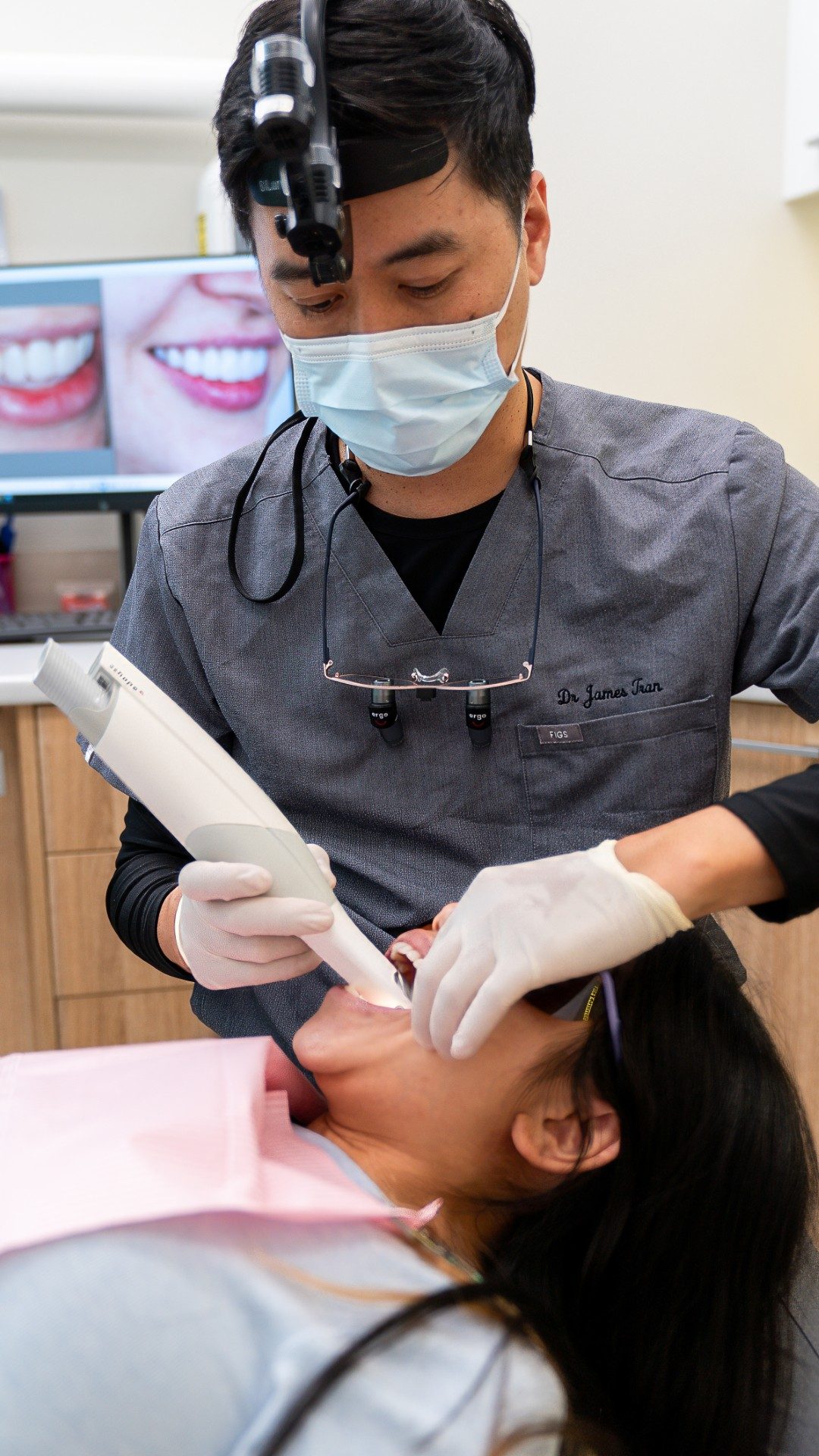
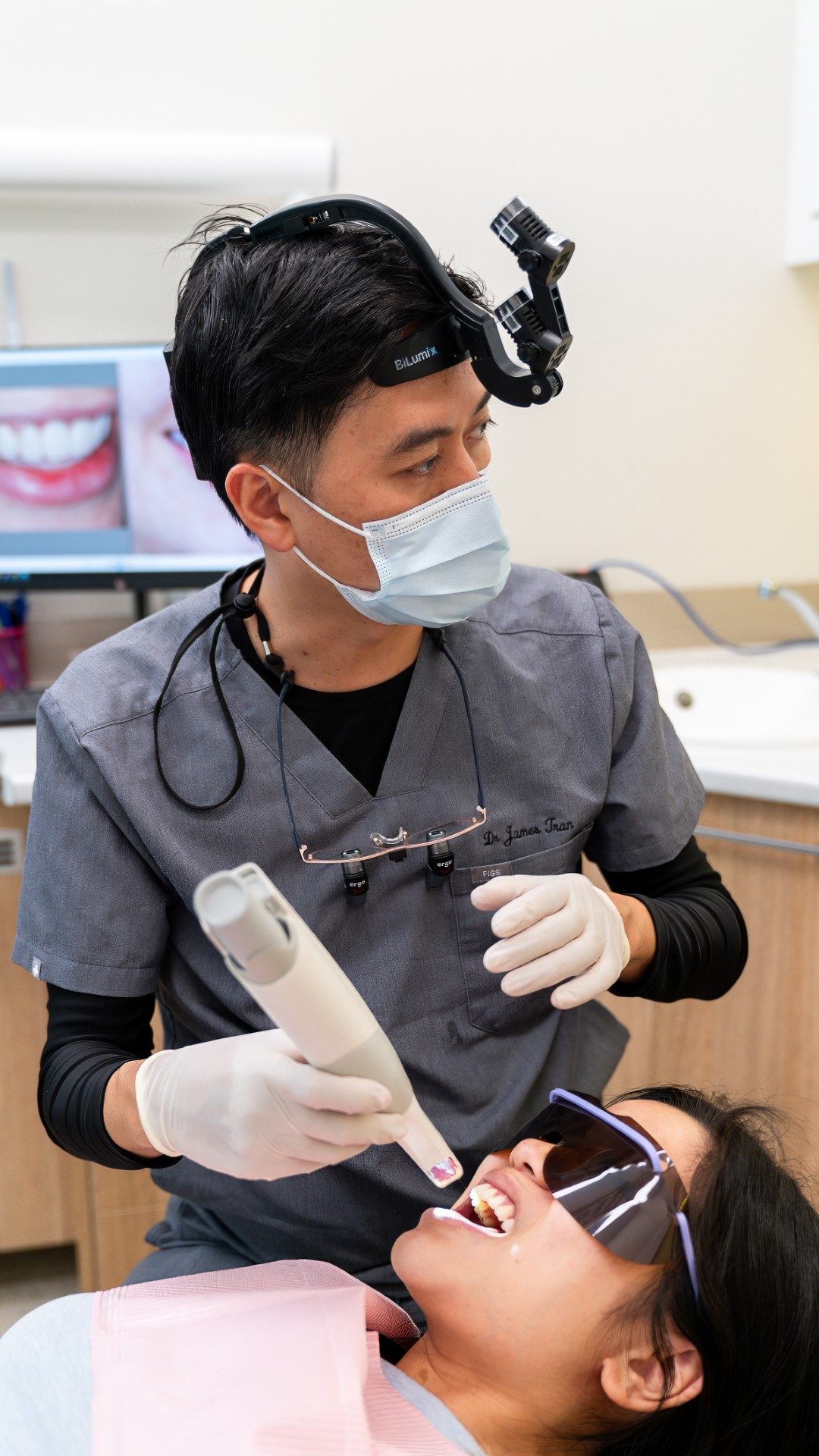
At Lumi Dental, aligner treatment is planned from a 3D scan taken in the practice and reviewed by a dentist at set intervals. If you have lost several days of wear, we may ask you to stay on your current tray until the fit has been checked. Our oral health therapists can help with cleaning technique and with managing dry mouth if you take long-term medicines.
Common questions about aligners and colds
Can I sleep in my aligners with a blocked nose?
Yes. Keep a glass of water by the bed and sip when you wake, and use a saline spray before sleep to help you breathe through your nose.
Will a week of illness set my treatment back?
Usually not, if the trays stayed in for most of it. If wear slipped, hold the current aligner for a few extra days until it fits snugly before changing.
Are cough drops safe with aligners in?
Sugar-free ones are. With sugar-based drops, take the aligners out and rinse and brush before reinserting.
Considering clear aligners?
If you would like to know how aligners fit around everyday life, sick days included, our team in Melrose Park can talk it through after a scan. Book a free aligner consult or read about clear aligners at Lumi Dental.
Sources
- NHS: Common cold
- healthdirect: Sinusitis
- healthdirect: Runny nose, treatment
- healthdirect: Dry mouth syndrome
- Orthodontics Australia: Clear aligners
About the author

Dr James Tran is a general dentist at Lumi Dental in Melrose Central, Melrose Park. He holds a Bachelor of Dentistry (BDent) from the University of Sydney and a Graduate Diploma in Oral Implants, and is a Master of the International Congress of Oral Implantologists (MICOI).
This article is general information only and is not a substitute for an examination and individual advice from a registered dental practitioner. Suitability for any treatment varies from person to person.








