
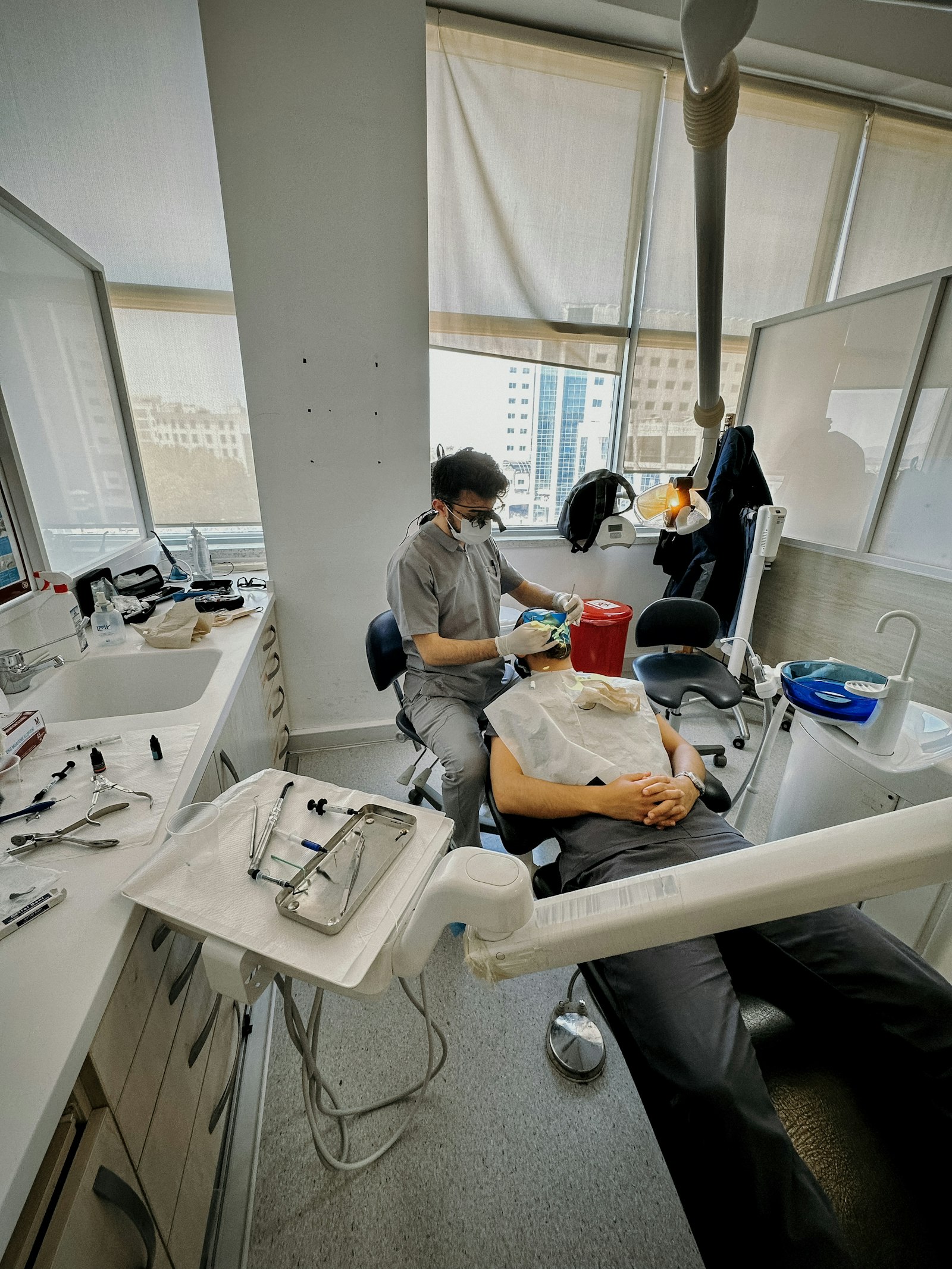

Many people are surprised when an orthodontist suggests removing healthy teeth before braces. Teeth are sometimes removed before braces to create space when the jaw is too small for all the teeth to line up properly. It is not a routine step and it is not needed for everyone. Today, many crowded smiles can be treated without extractions, and the decision is based on your mouth, your bite and your goals. This guide explains why orthodontic extractions happen, which teeth are usually involved and what the alternatives may be.
Key Takeaways
- Extractions are used to make room when crowding, a protruding bite or a tooth that cannot fit is present.
- The teeth removed are most often the first premolars, which sit behind the canines.
- Not every crowded mouth needs extractions. Expansion, aligners or small amounts of enamel reshaping may be options.
- The gaps left by extractions are closed by the braces over time, and the result is planned in advance.
- Recovery from premolar removal is usually straightforward, and braces often begin soon after.
- An orthodontic assessment with records and X-rays is the only reliable way to know what suits you.
Why space matters in orthodontics
Braces and aligners move teeth, but they cannot make the jaw bigger in an adult. If the teeth are larger than the space available, the only ways to fit them are to widen the arch, reshape the teeth slightly, move teeth backwards, or remove one or more teeth. Which route is best depends on how much space is missing and how your face and bite are shaped.
Crowding is the most common reason, but it is not the only one. Extractions may also help when the upper front teeth stick out a long way, when a tooth is stuck or badly positioned, or when the bite needs to be corrected by moving teeth backwards. Our guide to early orthodontic treatment for children explains how earlier planning can sometimes reduce the need for extractions later.
Which teeth are usually removed?
Most often the first premolars are chosen. These are the teeth between the canines and the back molars. There are a few reasons for this: they are well positioned to make room for crowded front teeth, there are other premolars to chew with, and removing them tends to have little effect on how the smile looks once the gaps have closed.
| Situation | Teeth that may be considered |
|---|---|
| Moderate to severe crowding | First premolars, upper and lower |
| Protruding upper front teeth | Upper premolars, sometimes only these |
| Tooth blocked out of the arch | The tooth that is out of position, or a neighbour |
| Badly decayed or damaged tooth | That tooth, if it makes sense for the plan |
| Crowding at the very back | Wisdom teeth, in some cases |
Your orthodontist will explain exactly which teeth are involved and why, and will usually show you on your X-rays.

When extractions may be avoided
Extraction is only one of several options. Depending on your case, a dentist or orthodontist may suggest one or more of the following.
- Expansion: in children and teenagers, a device such as a palatal expander can widen the upper jaw while it is still growing. See our guide to palatal expanders.
- Interproximal reduction (IPR): polishing a very small amount of enamel between teeth to create a little space. Our article on aligner attachments and IPR explains how this works.
- Tipping teeth forward or widening the arch slightly: suitable for mild crowding in some cases.
- Clear aligners: mild to moderate crowding may be treated without extractions. Read about clear aligners in Melrose Park and our comparison of braces vs aligners for adults.
- Miniscrews: small anchors that help move teeth backwards in selected cases. See orthodontic miniscrews.
These approaches have limits. Pushing teeth too far forward or expanding too much may compromise the bite, the gums or the look of the face, so in some mouths extractions really are the more stable choice. In my experience, the best plan is the one that respects your bone, gums and facial balance, not just the one that avoids an extraction.
What about wisdom teeth?
People often assume wisdom teeth push the front teeth crooked, but the evidence for that is limited. Our article on the wisdom teeth crowding myth covers it in detail. Wisdom teeth may still be removed during orthodontic care if they are impacted, causing problems or in the way of planned tooth movement. This is a separate decision from premolar extractions.
What the process looks like
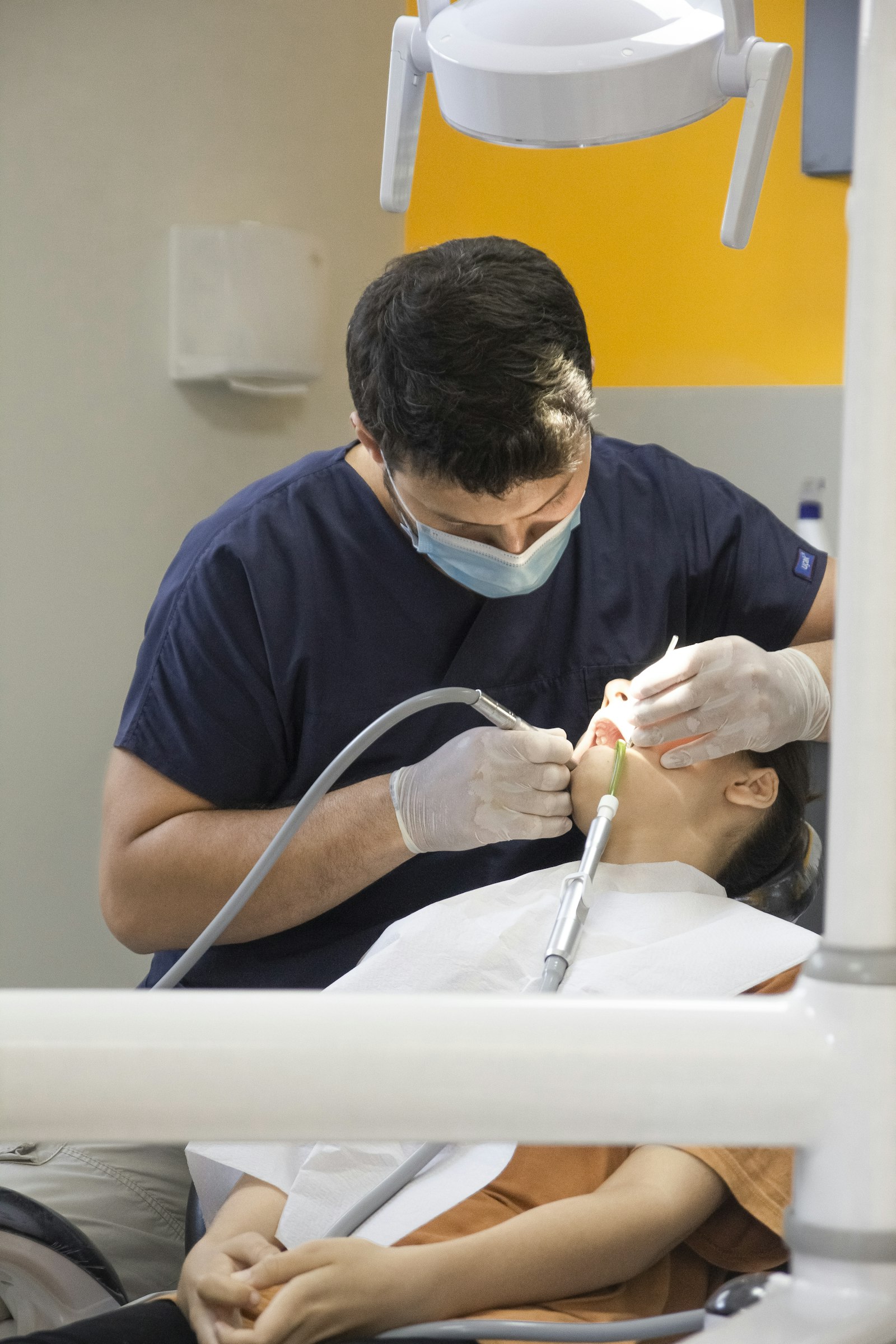
- Assessment: photos, scans or impressions and X-rays are taken to measure crowding and bite.
- Planning: options with and without extractions are discussed, including the pros and cons of each.
- Extractions: if needed, these are done by a dentist or oral surgeon, often a few weeks before or around the time braces start.
- Braces or aligners: teeth gradually move into the space, and the gaps close.
- Retention: retainers help keep the new position stable.
Recovery and the gaps that close
Removing a premolar is usually a simple extraction. Most people have some soreness and swelling for a few days, which is often managed with rest and soft food. Our tooth extraction recovery timeline gives a general guide to healing. Follow the aftercare instructions your dentist provides and call if something does not seem right.
The spaces are not left as gaps. Braces gradually draw the neighbouring teeth together, often over many months, using elastic chains or springs. Treatment time can be longer with extractions, but this varies with each case.
Questions to ask before you agree
It is fair to ask why an extraction is recommended and what the other options would involve. You might ask how many teeth would be removed, what would happen if you chose a non-extraction plan, how long treatment is expected to take either way, and what the effect on your profile may be. A good plan explains the trade-offs honestly, including the possibility that a non-extraction approach could mean a less stable result or more risk to the gums. Seeing your X-rays and photos while the options are explained often makes the reasoning much clearer.
Common Questions
Will removing teeth change my face?
Good planning aims to keep your profile balanced. In some cases, closing space can soften a protruding profile. Your orthodontist should discuss expected changes before you decide.
Is it painful to have teeth removed for braces?
The procedure is done with local anaesthetic, so you should not feel pain during it. Some tenderness afterwards is common and usually settles in a few days.
Can I avoid extractions with aligners?
Sometimes, especially with mild to moderate crowding. A scan and assessment can show whether aligners may achieve your goals without extractions.
Do the gaps always close completely?
That is the aim and it is usually achievable, but results vary. Your retainer wear afterwards helps keep the spaces closed.
Are extractions for braces more common in children?
Not necessarily. In growing children, expansion or early treatment may reduce the need for extractions. See a dentist for an individual assessment.
Book a free cosmetic consult
If you are unsure whether you need extractions, or whether aligners could suit you instead, the team at Lumi Dental can look at your teeth and talk through the options. Book a free cosmetic consult to discuss your goals, and read more about clear aligners in Melrose Park before you come in.


