

When a child is having cancer treatment, the oncology team, and the hospital dental service where there is one, lead mouth care and decide whether any dental treatment happens; the family dentist's role is a check before treatment if time allows, everyday advice that matches the hospital's plan, and long-term follow-up afterwards. The Australian Institute of Health and Welfare has reported an average of 714 new cancer diagnoses a year among Australian children aged 0 to 14, with leukaemia the most common type, and five-year survival of 84%. This guide explains dental care for children having cancer treatment, from diagnosis to the years after it.
Written by Dr James Tran, BDent (University of Sydney), MICOI, GradDip (Oral Implants), general dentist at Lumi Dental in Melrose Park.
The short version
- During treatment, follow the oncology team's mouth care plan. A family dentist should support it, never replace it.
- A dental check early on can find possible sources of infection, such as decay, loose baby teeth or braces that trap food.
- A soft toothbrush and fluoride toothpaste are usually continued through treatment, adjusted only as the treating team advises.
- Sore mouths are common with some chemotherapy. Our article on chemotherapy and mouth ulcers explains why the lining of the mouth is affected.
- Routine dental treatment is usually postponed until the treating team says it is safe.
- Teeth that were still forming during treatment are worth watching for years afterwards, calmly and regularly.
The single rule: the oncology team leads, the family dentist supports
If your child is in active cancer treatment, start with the oncology team for anything about the mouth, and bring the family dentist in to support their plan. Blood counts, infection risk and the timing of each treatment cycle change from week to week, and only the treating team sees all of it.
A Royal Children's Hospital Melbourne family leaflet suggests children see a dentist every three to six months during active treatment, and notes this can be a hospital dentist or the child's regular dentist, with the team helping decide which. If your child sees a community dentist, it asks families to make sure the dentist knows about the cancer treatment.
A dental check before or early in treatment
The same leaflet recommends a hospital dental check soon after treatment starts. The dentist looks for infection or possible sources of infection, reduces places where plaque and food collect, and may suggest removing braces or other appliances. They also show you and your child how to brush and agree a plan that suits your child.
In practice, this check often looks at decay that could flare up, wobbly baby teeth, sharp edges that could rub a sore mouth, and how easy the teeth are to clean. Treatment often starts quickly after a diagnosis, so the check happens when time allows, and the oncology team decides what can wait.
The Royal Children's Hospital nursing guideline advises that elective dental treatment is delayed until a child is in remission or on maintenance chemotherapy, and that elective procedures are avoided while the immune system is suppressed.
Mouth care during chemotherapy
Sore mouths and mucositis
The Royal Children's Hospital guideline describes mucositis as inflammation and ulceration of the mouth lining caused by cancer treatment. It is expected in about 20% to 40% of children having conventional chemotherapy, with symptoms usually starting 5 to 10 days after the first dose. Children having radiation to the head and neck face their own set of changes, which our article on radiotherapy and mouth care covers.
Use only the rinses and gels the hospital gives you, and avoid mouthwashes containing alcohol. Soft, cool foods and drinks are often easier, and spicy, rough or acidic foods can sting. If your child cannot drink, swallow or settle with the pain relief they have, call the hospital.
Brushing when blood counts are low
Many parents worry that brushing will cause bleeding. The same guideline states that low neutrophil and platelet counts are not in themselves a reason to stop using a soft toothbrush, although a foam brush may be used for babies, or when gums bleed or mucositis is severe, with normal brushing resumed as soon as possible. Whether to floss is a question for the treating team, and the family leaflet suggests children can brush and floss as normal once the mouth no longer bleeds or hurts.
The leaflet also suggests spitting out toothpaste without rinsing, and waiting about 30 minutes before eating or drinking.
Thrush and other infections
White patches on the tongue or cheeks can be oral thrush, a fungal infection that is more likely when immunity is low. Tell the treating team rather than treating it at home. Our guide to oral thrush explains what it looks like.
Medicines, nausea and enamel
Some liquid medicines contain sugar, and vomiting brings stomach acid into contact with the teeth. Never stop or swap a medicine to protect teeth. Instead, ask the team whether a sugar-free version suits, and have your child rinse with plain water after vomiting. Our article on sugar in children's liquid medicines has more practical ideas.
After a stem cell or bone marrow transplant
The Royal Children's Hospital guideline reports that mucositis occurs in at least 80% of children having high-dose chemotherapy before a stem cell transplant. Recovery of the immune system takes time, so the transplant team sets the timing of any dental visit or treatment. In my experience, families find it helps to ask the team directly when a routine dental check can restart.

Who leads at each stage
| Stage | Who leads | What the family dentist may do |
|---|---|---|
| At diagnosis | Oncology team, with the hospital dental service | Share records and X-rays if asked; a check only if the team suggests it |
| During chemotherapy | Oncology team | Reinforce the hospital's brushing plan; routine treatment waits |
| Low blood counts | Oncology team | No elective treatment; questions go to the treating team |
| After a stem cell or bone marrow transplant | Transplant team | Wait for the team to say when visits can restart |
| Finished treatment | Oncology or late effects team, then family dentist | Full check, cleaning, fluoride and a review plan |
| Years later | Family dentist, linked with the late effects clinic | Watch teeth and roots as they form; plan any braces with this history in mind |
After treatment: teeth that were still forming
Children's teeth form for many years under the gums, so treatment given while they are developing can sometimes change how they grow. A systematic review in Pediatric Blood & Cancer lists possible dental late effects including missing teeth, small or underdeveloped teeth, short or thin roots and enamel defects, along with dry mouth and decay. It concluded that younger age at treatment, higher radiation doses, and treatment with radiotherapy, chemotherapy or a stem cell transplant appear to be linked to a higher risk.
Not every child is affected, and some changes are seen only on an X-ray. Our articles on enamel hypoplasia and missing teeth in children explain how these are usually managed. Regular reviews, fluoride toothpaste and fluoride varnish help protect the teeth that are there. If braces are considered later, short roots are something the dentist or orthodontist will take into account.
Children who have had a lot of procedures
After months of needles, scans and hospital rooms, some children are wary of anyone in a mask. Short, unhurried visits that begin with a look and a count of the teeth often help. Our article on children who are scared of the dentist has more ideas. Lumi Dental does not provide general anaesthetic and refers children to a paediatric dentist or hospital service where treatment under general anaesthetic is needed.
How we approach this at Lumi Dental
At Lumi Dental, a dentist examines your child and the oral health therapists help with cleaning, fluoride and brushing practice. During active treatment, the team follows the hospital's plan and does not start routine treatment without the oncology team's agreement. With your permission, the team can write to the treating team or share records.
After treatment, I usually suggest a full check, a plan for regular reviews, and X-rays only when they will change what happens next. Children who need specialist care are referred to a paediatric dentist or hospital service. Read more about children's dentistry at Lumi Dental.
Questions patients ask
Should my child see a dentist before starting chemotherapy?
If time allows, yes. A Royal Children's Hospital leaflet recommends a hospital dental check soon after treatment starts, to look for possible sources of infection and plan mouth care. The oncology team decides the timing.
Can my child brush their teeth when their platelets are low?
Usually, with a soft toothbrush, unless the treating team advises otherwise. A foam brush may be used if the gums bleed or the mouth is very sore.
Can my child have a filling during chemotherapy?
Routine fillings are usually delayed until the child is in remission or on maintenance therapy. Urgent problems are managed with the oncology team, often through the hospital dental service.
Does chemotherapy damage children's teeth?
It can affect teeth that are still forming, especially in younger children, though not every child is affected. Regular dental reviews help pick up changes early.
Is my child's dental care covered after cancer treatment?
Eligible children may be covered by the Child Dental Benefits Schedule, which Lumi Dental accepts. Our article on the Child Dental Benefits Schedule explains who qualifies.
Book your child's check-up at Lumi Dental, Melrose Park
If your child has finished cancer treatment, or the oncology team has suggested a dental check, a gentle visit can set up a long-term plan. Read about children's dental care in Melrose Park or check Child Dental Benefits Schedule eligibility. Families visit from Ryde, Parramatta, Ermington and Rydalmere, with on-site parking at Melrose Central.
Sources
- Australian Institute of Health and Welfare: Australia's children, cancer incidence and survival
- The Royal Children's Hospital Melbourne: Mouth care, oral care of the paediatric oncology patient and haematopoietic stem cell transplant patient
- The Royal Children's Hospital Melbourne, Children's Cancer Centre: Mouthcare, information for patients and families
- Pediatric Blood & Cancer (Gawade and colleagues): A systematic review of dental late effects in survivors of childhood cancer (PMC)
About the author
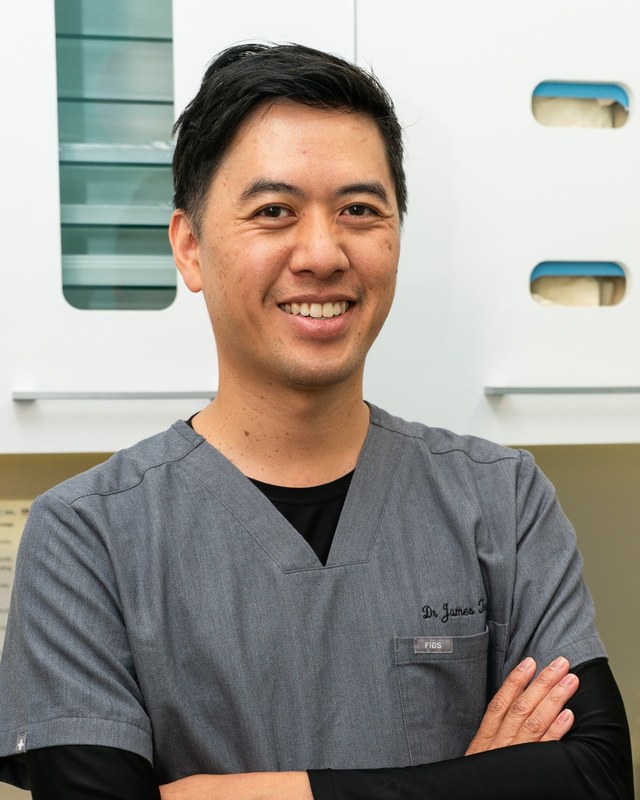
Dr James Tran is a general dentist at Lumi Dental in Melrose Park. He holds a BDent from the University of Sydney and a Graduate Diploma in Oral Implants, and is a Member of the International Congress of Oral Implantologists (MICOI).
This article is general information only and is not a substitute for an examination and individual advice from a registered dental practitioner. Suitability for any treatment varies from person to person.







