


A dental check before heart surgery or joint replacement helps find and treat infection in your mouth early, so it is not a source of bacteria while your body is recovering. If you have a date for surgery, booking a dental check before heart surgery or joint replacement as soon as you can gives your dentist time to treat anything that needs attention. Many surgeons and cardiologists ask for one, and the patients I see are often relieved to have a clear plan once the mouth has been looked at properly.
Key Takeaways
- Decayed or abscessed teeth and active gum disease can be a source of bacteria that enter the bloodstream, which matters most when heart valves, grafts or implanted joints are involved.
- Dental review is commonly requested before heart valve surgery, some other cardiac procedures, transplants, chemotherapy, head and neck radiotherapy, and often before joint replacement.
- The evidence for joint replacement is weaker than for heart valves, so requirements vary between surgeons. Ask yours what they need in writing.
- Book early. Extractions and other treatment need healing time, and this is often several weeks before surgery, so ask your surgeon how long they need.
- Antibiotic cover before dental treatment is advised only for a small group at highest risk, and your doctor will tell you whether it applies to you.
- Never stop, skip or change a prescribed medicine without speaking to your doctor or pharmacist first.
Why Surgeons Ask About Your Teeth
The mouth is home to many bacteria, and most of the time they cause no trouble. When there is an abscess, a badly decayed tooth or inflamed, bleeding gums, those bacteria can reach the bloodstream more easily, particularly during chewing, brushing or dental treatment. For most people this is not a concern. It becomes more important when the body is about to receive something new, such as an artificial heart valve, a graft or a replacement joint, or when the immune system is under strain.
This is why surgical teams commonly ask for a dental review before certain operations. The aim is simple: find and treat any infection or likely source of infection before surgery, rather than during recovery when it is harder to manage. If you want to understand the link between gum health and the heart in more detail, our article on gum disease and heart health explains what researchers have observed, and heart disease and gum disease covers the other side of the relationship.
Which Surgeries Usually Involve a Dental Review
Requirements differ between hospitals and surgeons, but a dental review is commonly requested before:
- Heart valve surgery and some other cardiac procedures
- Organ or bone marrow transplant
- Chemotherapy, and radiotherapy to the head and neck
- Joint replacement, such as a hip or knee, although this varies a great deal
For heart valves, the reasoning is well established. For joint replacements, studies have reported less clear links between dental infection and joint problems, so some surgeons ask for a dental check and others do not. If you are unsure, ask your surgeon or the hospital pre-admission clinic whether they want a dental clearance and whether they have a form or letter they need completed.
| Upcoming surgery | Why a dental review is asked | Suggested timing |
|---|---|---|
| Heart valve surgery | Reduce the chance of mouth bacteria affecting a new valve or damaged heart tissue | As early as possible, ideally as soon as surgery is planned |
| Other cardiac procedures | Remove sources of infection before a major operation | Early, and confirm the surgeon's requirements |
| Organ or bone marrow transplant | Immune suppression afterwards makes infection harder to control | Early, so any treatment is finished and healed beforehand |
| Chemotherapy or head and neck radiotherapy | Treat infection and plan extractions before the mouth is more vulnerable | Before treatment starts, with healing time allowed |
| Joint replacement | Lower the chance of a mouth infection being a problem near an implanted joint | Several weeks ahead where possible, and ask your surgeon what they prefer |
What Happens at a Pre-Surgery Dental Check
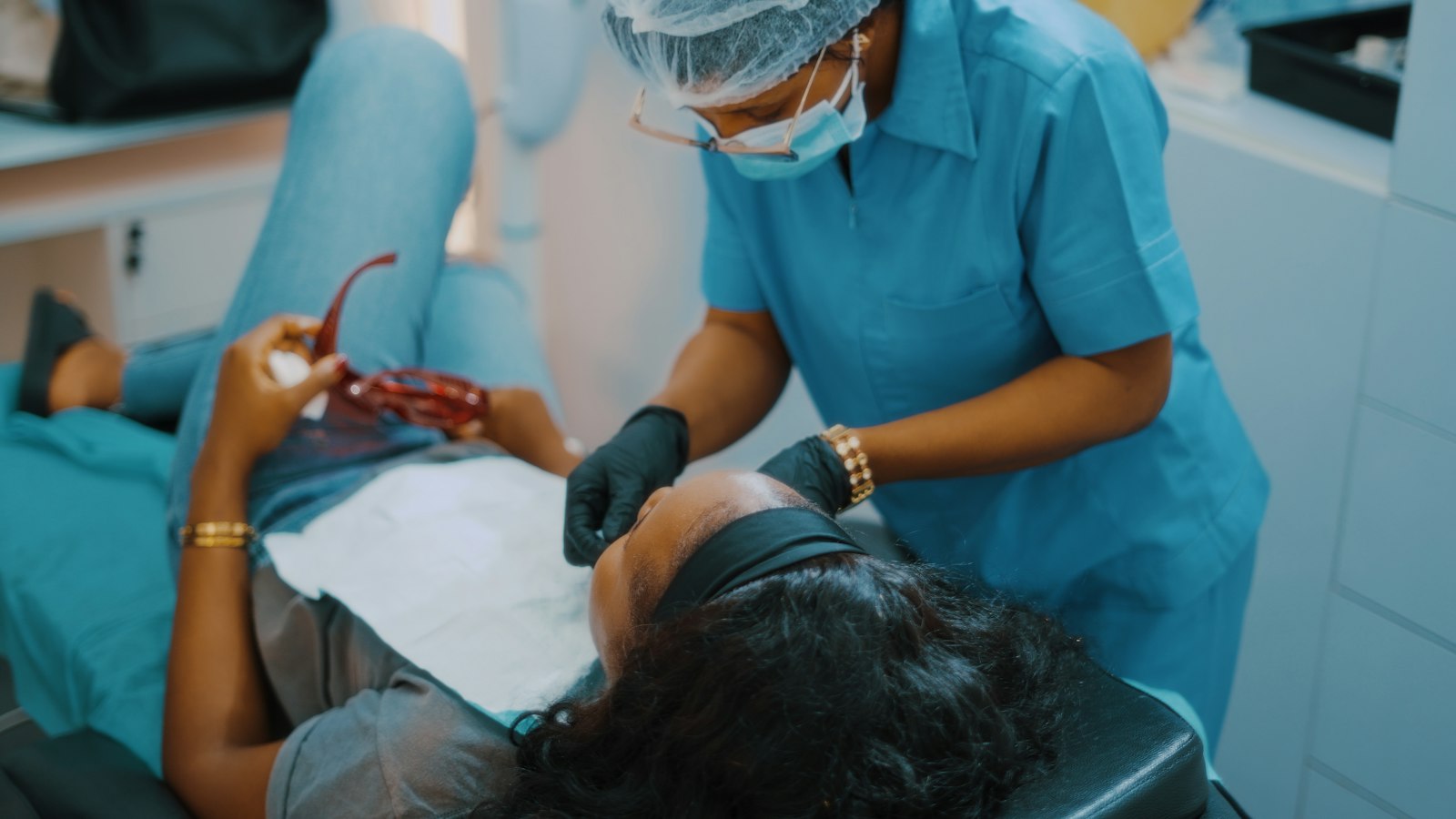
A pre-surgery visit is more thorough than a quick look. In general, you can expect:
- A conversation about your medical history, medicines and the surgery you are having, including the type and the date.
- A full examination of your teeth, gums and soft tissues.
- X-rays to look for decay between teeth, infection at the tips of roots and bone loss around teeth.
- A plan that lists what needs treatment before surgery, what can wait, and what simply needs monitoring.
If an active infection is found, that is treated first. A tooth that cannot be saved may need to be removed, and a gum infection may need deep cleaning. Where it is appropriate, the dentist can also provide a letter for your surgeon. A scale and clean is often part of the plan, as removing built-up plaque and tartar reduces the bacterial load around the gums.
How Early Should You Book
Earlier is usually better. If a tooth needs to be removed, the socket needs time to heal before surgery, and this is often several weeks. Root canal treatment, fillings and gum treatment also take visits to complete. Leaving the dental check until the week before surgery can mean there is no time to treat anything safely, and in some cases the operation may need to be rescheduled.
A practical approach is to book as soon as you have a surgery date, and ask your surgeon how much time they want between dental treatment and the operation. Different teams want different things, so it is worth getting their requirements in writing and bringing them to your appointment.
Medicines, Antibiotics and Special Situations
Many people having heart or joint surgery take blood thinners or other regular medicines. These can affect how dental treatment is planned, particularly extractions. Our guide to blood thinners and tooth extraction explains what to expect. The key message is that you should never stop, skip or change a prescribed medicine without speaking to your doctor or pharmacist first. If your dentist needs a change, they will liaise with your doctor.
Antibiotic cover before dental treatment is a separate question. It is advised only for a small group of people at the highest risk, such as those with some specific cardiac conditions. Under current Australian guidance it is not routine for joint replacements. Your doctor will tell you whether it applies to you, and our article on antibiotics before dental treatment goes through the general principles.
Other situations call for extra coordination between your dentist and your medical team. These include pacemakers and ICDs, organ transplant dental care, chemotherapy and mouth care, and diabetes and gum disease, where blood sugar control can affect healing. If you are heading into dental treatment under general anaesthetic or bariatric surgery, similar planning applies.
Looking After Your Mouth Until Surgery Day
Once your dental work is done, keeping the mouth clean matters. Brush twice a day with a soft toothbrush and fluoride toothpaste, and clean between your teeth daily. If your gums bleed when you clean, that is a sign of inflammation, and it is worth mentioning at your appointment rather than avoiding the area. Tell the hospital team about any new tooth pain, swelling or bad taste before surgery, as it can be a sign of infection.
If you wear dentures, make sure they fit well and are cleaned daily, as sore spots under a denture can be a site for infection. Ask your dentist whether they should be checked before you go into hospital.
Common Questions
Do I need a dentist's clearance before heart surgery?
Often yes, but it depends on the type of surgery and your surgical team. Many cardiac teams ask for a dental review before valve surgery, so check with your surgeon or the hospital pre-admission clinic about what they require.
Do I need to see a dentist before a hip or knee replacement?
It depends on your surgeon. Some ask for a dental check and others do not, because the evidence linking dental infection with joint problems is less clear than for heart valves. A check is still a sensible way to find and treat infection beforehand.
How long before surgery should I see the dentist?
As soon as you have a surgery date. Extractions need healing time, often several weeks, so ask your surgeon how long they need between dental work and the operation.
Will I need antibiotics before dental treatment?
Only a small group of people at highest risk, such as some with specific cardiac conditions, are advised to take them. It is not routine for joint replacements under current Australian guidance, and your doctor will tell you whether it applies to you.
Can I stop my blood thinners for a tooth extraction?
No, not without advice. Never stop, skip or change a prescribed medicine without speaking to your doctor or pharmacist first, and your dentist will coordinate with them if a change is needed.
Book Your Pre-Surgery Dental Check
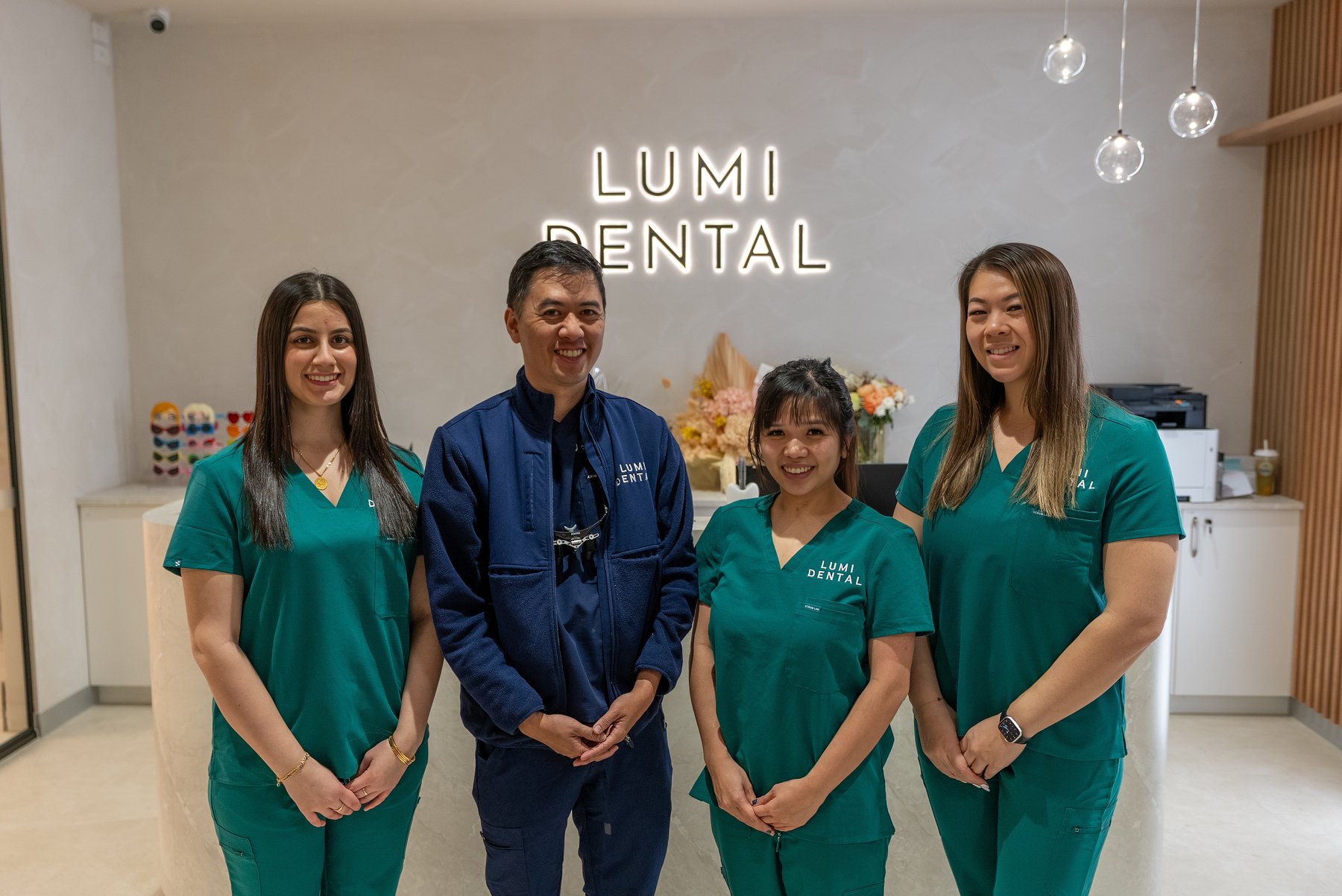
If you have heart surgery or a joint replacement coming up, the team at Lumi Dental in Melrose Park can arrange a full examination, X-rays and a clear written plan. Bring any requirements from your surgeon and let us know your surgery date when you book. You can find out more about our general dentistry services in Melrose Park, and see current offers on our current deals page. We are happy to offer a free consult and written quote so you know what is involved before you decide.


