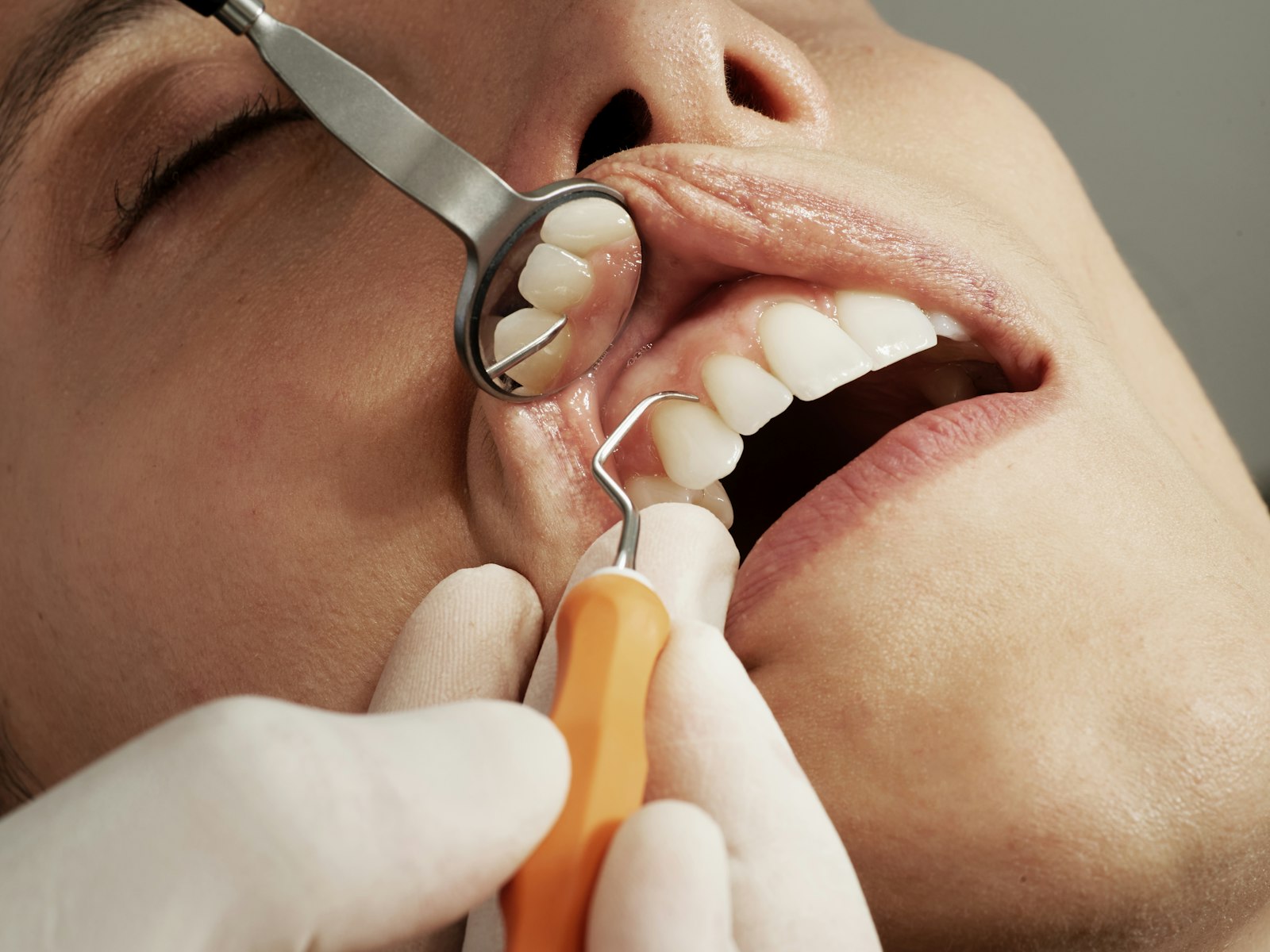

The crown itself rarely wears out first. Porcelain, zirconia and gold change very little in the mouth over the years, so when a crown that has been in place for a decade starts to cause trouble, the cause is usually the tooth underneath it, the edge where crown and tooth meet, or the gum around it. Knowing what slowly changes in those three places tells you what to look out for, and why a crown that feels fine still deserves an X-ray now and then.
Many crowns are still going strong after ten years
Long-term studies give a reassuring picture. In a study following 997 porcelain-fused-to-metal crowns, published by Behr and colleagues in the International Journal of Prosthodontics in 2014, an estimated 92.3% of front-tooth crowns and 95.9% of back-tooth crowns had not needed replacing after ten years. A 2015 systematic review in Dental Materials by Sailer and colleagues found five-year survival of about 95% for metal-ceramic crowns, with most all-ceramic types performing similarly.
The Behr study made a second point that matters more as the years pass. Chipping of the porcelain and crowns coming loose tended to happen in the first few years, while new decay and gum disease around the crowned teeth became more common the longer the crowns had been in place, and as patients got older. In other words, the risks shift over time from the crown to the living tissue around it.
The edge of the crown is where decay usually starts
Every crown has a margin, the fine line where it meets the natural tooth. The crown material cannot decay, but the tooth right next to it can. Over many years, cement at the edge can wash out a little, the gum can draw back and expose the margin, and plaque can collect in the small step between crown and tooth. Decay that starts here is called recurrent or secondary decay, and it is one of the main reasons an older crown ends up being replaced.
It often gives little warning. You might notice a dark shadow at the gum line, a rough edge your tongue keeps finding, or food catching in one spot. Just as often, the first sign is on a routine bitewing X-ray, before anything hurts. Our article on decay under a dental crown goes through the symptoms in detail.

A root-filled tooth may not warn you with pain
Some crowned teeth still have a living nerve and others have had root canal treatment. A tooth with its nerve can still react to cold, sweet or biting pressure if decay gets close. A root-filled tooth no longer has that alarm system, so decay under the crown, or a new infection at the root tip, can develop quietly.
Teeth with living nerves can also change over the years. The nerve in a heavily restored tooth sometimes becomes inflamed or dies long after the crown was fitted. Signs include a dull ache, tenderness when biting, a tooth that darkens, or a small gum boil. These changes may show on an X-ray first. If a crowned tooth does develop a problem with its nerve, our guide to root canal versus extraction explains the choices.
Gums recede, and old metal edges can show
Gum recession happens gradually with age, with hard brushing and with gum disease, around crowned and natural teeth alike. On a front tooth with a porcelain-fused-to-metal crown, it can expose the metal collar as a grey or black line. That is mainly a cosmetic change and does not mean the crown has failed. An exposed margin can, however, collect plaque more easily and the exposed root can be sensitive, so it is worth having checked.
Where recession is significant and the root surface is exposed, a gum graft is sometimes recommended. Our article on gum graft cost and recovery explains what that involves.
Bite forces take their toll, especially with grinding
Back teeth carry most of the force of chewing, and people who clench or grind at night load them further. Modern crown materials are strong, but no restoration is unbreakable. A crown can chip, the cement can fail so it loosens, or, more seriously, the tooth underneath can crack.
If you know you grind, or your partner hears it at night, tell your dentist. A night guard can reduce the load on crowns and natural teeth. Jaw tension and clicking can be part of the same pattern, which our piece on jaw clicking and popping covers.
Signs an older crown should be looked at soon
- a crown that feels loose, moves, or makes a clicking sound when you bite
- a gap, step or dark patch at the edge that you can see or feel
- food or floss repeatedly catching in the same place
- pain or tenderness on biting, or a lingering ache
- a pimple, swelling or bad taste near the tooth
- a chip or crack in the crown
None of these is an emergency in itself unless there is swelling or severe pain, but leaving them can turn a small repair into a bigger job.
Monitor, repair or replace
An older crown with a problem does not always need replacing. Light staining at the edge, mild recession without decay or a tiny chip in the glaze can often be watched, polished or repaired with bonding. Replacement is usually needed when there is decay under the edge, the crown is cracked through, it no longer seals properly, or the tooth underneath has changed.
When a crown comes off for replacement, the dentist sees how much sound tooth is left. Sometimes a new crown is the right answer again. Sometimes a different restoration fits better, which our guide to inlays, onlays, crowns and fillings explains. Occasionally the tooth cannot be saved and replacement options are discussed.
As a typical market range in Sydney, a replacement crown generally costs $1,500 to $2,500, not counting any extra work needed on the tooth first. This is a general figure rather than a quote. Before any treatment, you should receive an itemised, written treatment plan with fees; our article on informed financial consent and written treatment plans explains what it should contain.
What patients ask about old crowns
Can a tooth with a crown still get a cavity?
Yes. The crown cannot decay, but the natural tooth at its edge can, particularly if the gum has receded and plaque collects there.
My crown does not hurt. Does it still need X-rays?
Yes, especially if the tooth has had root canal treatment, since it may not hurt even when something is wrong. Your dentist will suggest how often based on your risk of decay and gum disease.
Why does my bite feel different around an old crown?
Teeth can move slightly over the years, and opposing teeth can wear. If a crown starts to feel high, loose or uncomfortable when you bite, have it checked rather than waiting for the next routine visit.
If your crown has been in for ten years or more and has not been checked recently, a review with an X-ray is a simple way to see what is happening underneath. Our dentists can look at the margin, the gum and the tooth, and tell you whether it just needs watching. See our current new patient offer, or read more on our general dentistry page.