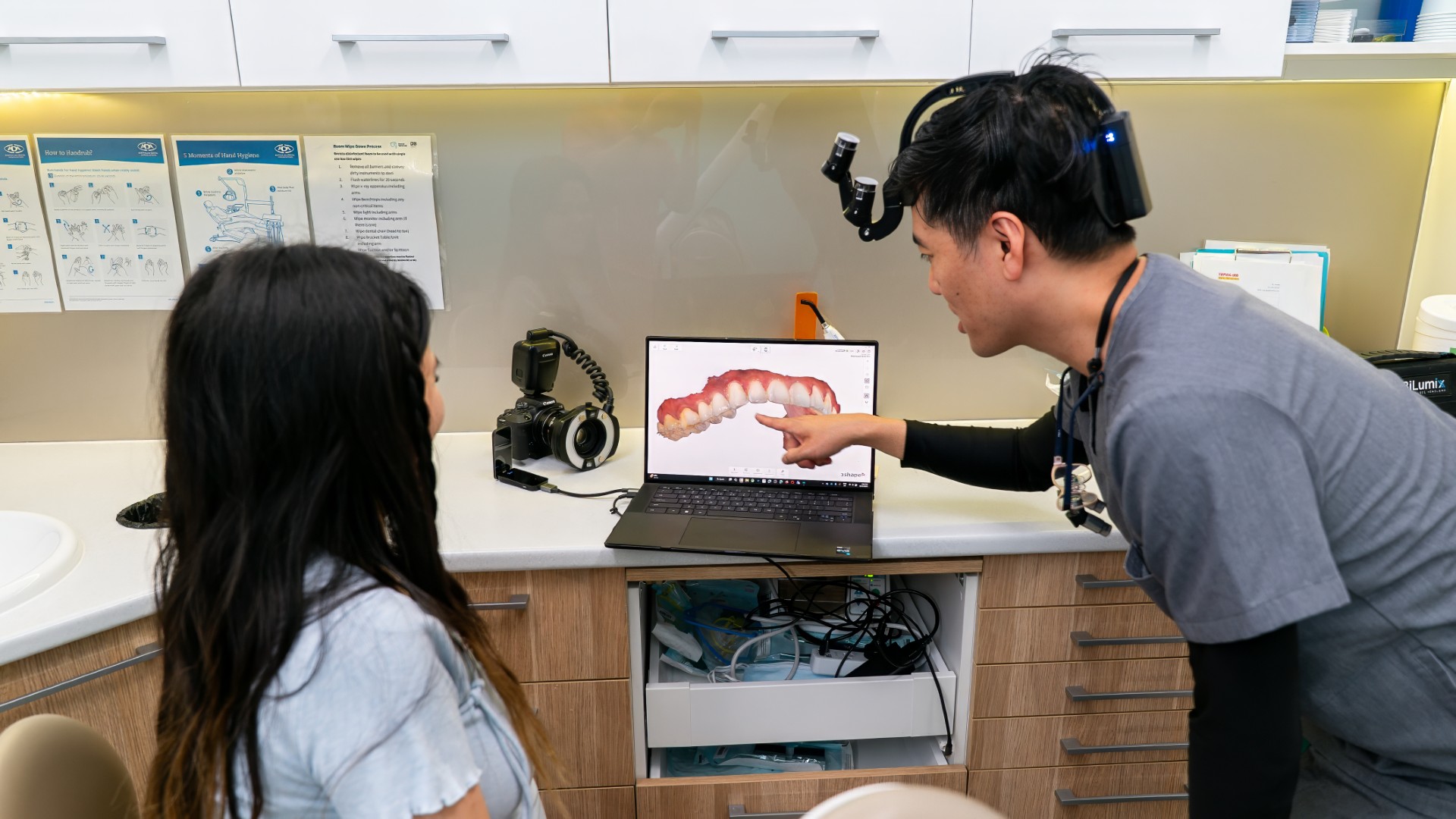
Most people who have finished cancer treatment can have dental implants, but the decision rarely turns on the cancer itself. It turns on the medicines you have had, above all bone-strengthening drugs given at cancer doses, and on where you are in treatment, so the team at Lumi Dental writes to your oncologist before any surgery is planned, and the oncologist decides on timing. Cancer Council Australia advises a dental check before treatment starts and notes that dental work during treatment may not be recommended because of a higher risk of bleeding or infection. Once treatment is over, research has reported implant survival of around 99 per cent in people with a history of chemotherapy; the exception is anyone on high-dose antiresorptive medicines.
Written by Dr James Tran, BDent (University of Sydney), MICOI, GradDip (Oral Implants), general dentist at Lumi Dental in Melrose Park.
The short version
- Completed chemotherapy, with blood counts recovered, is not by itself a barrier; reported implant survival in this group is around 99 per cent.
- During chemotherapy, elective surgery waits: low neutrophils raise infection risk and low platelets raise bleeding risk.
- Zoledronic acid or denosumab at cancer doses is the flag that matters most. Jaw osteonecrosis risk is reported at roughly 1 to 15 per cent, against 0.01 to 0.1 per cent at osteoporosis doses, and implants are generally not advised.
- Head and neck radiotherapy is a separate question, covered in our article on implants after head and neck radiotherapy.
- The dentist never stops or changes a cancer medicine; everything goes in the letter to the oncologist.
The single rule: the medicines and the timing, not the diagnosis
A diagnosis of breast, prostate, bowel or blood cancer does not, on its own, change how an implant heals. The treatment around it does. Patients I see are often unsure which infusion was chemotherapy and which was a bone medicine, so the letter to the oncologist asks three things: where you are in treatment, which medicines you have had that affect bone or healing, and when your blood counts are expected back to normal. The reply sets the timing, and nothing is booked before it arrives.
Implants during chemotherapy: blood counts, mucositis and why elective surgery waits
Cancer Council Australia explains that chemotherapy damages rapidly dividing cells, including the blood cells made in the bone marrow, so white cells and platelets can fall. Neutrophils are the white cells that fight bacterial infection, and a fever of 38 degrees or higher in a person with neutropenia needs immediate medical attention. An implant is elective bone surgery with a healing wound in a mouth full of bacteria, so it is not done while counts are low or about to drop, and low platelets add bleeding risk.
The lining of the mouth is also made of fast-dividing cells, which is why chemotherapy can cause mucositis: soreness and ulcers that make any surgical site slow to heal. Our article on caring for mucositis during chemotherapy covers the day-to-day management.
Once treatment is complete and counts have recovered, the picture changes. A systematic review and meta-analysis pooled eight studies with 144 implants in people with a history of chemotherapy and found no significant effect on implant success, with survival of 98.8 per cent at two years and beyond. These are small studies, so the figure is a reassurance rather than a promise, and how long to wait after the last cycle has no fixed answer in the literature. The oncologist decides on timing; in my experience most want treatment finished, counts normal and some recovery first.
Bone medicines at cancer doses: the flag that matters most
Two antiresorptive medicines protect the skeleton in bone metastases and myeloma: zoledronic acid, an intravenous bisphosphonate, and denosumab, an injection. A multidisciplinary position statement on medication-related osteonecrosis of the jaw (MRONJ) notes that denosumab for bone metastases is given at 120 mg every four weeks, about 12 times the potency of the osteoporosis regimen of 60 mg every six months, and that zoledronic acid on a cancer schedule delivers a cumulative dose around 12 to 15 times the yearly osteoporosis infusion.
MRONJ is an area of jawbone that fails to heal and becomes exposed, most often after an extraction or implant surgery; our article on bisphosphonates and the jaw explains the condition. The statement puts the incidence in oncology populations at 1 to 15 per cent compared with 0.01 to 0.1 per cent in osteoporosis populations, rising with time on the drug: one review it quotes reported 1.6 to 4 per cent in the first two years of zoledronic acid and 3.8 to 18 per cent beyond that. Where an antiangiogenic drug such as bevacizumab or sunitinib was given alongside the bisphosphonate, one series reported the rate rising from about 1 per cent to 16 per cent; steroids and some immunotherapy drugs appear on the same list of contributing medicines.
For implants the guidance is consistent. The position statement describes elective implant therapy as generally contraindicated in high-risk oncology patients. A scoping review found only 61 implants reported in high-dose antiresorptive patients across the whole literature, describes placement in this group as widely discouraged, and recommends that such treatment be limited to specialised centres; it notes that the American Association of Oral and Maxillofacial Surgeons position paper cautions against implants in cancer patients on these medicines. The osteoporosis dose is a different situation, covered in our article on implants and osteoporosis medicines. Pausing the medicine is not a dental decision: there is no consensus on drug holidays, and an international consensus group advised against them.
Timing: when implant surgery is usually possible, and who signs off
| Treatment phase | Implant surgery usually possible? | Why | Who signs off |
|---|---|---|---|
| Before cancer treatment starts | No; extract and repair instead | Short window; implants need months to heal | Dentist with the oncology team |
| During chemotherapy | No | Low neutrophils and platelets; mucositis | Oncologist |
| After chemotherapy, counts recovered, no bone medicines | Often yes | Reported implant survival around 99 per cent | Oncologist clearance, then dentist |
| On zoledronic acid or denosumab at cancer doses | Generally not advised | MRONJ risk reported at 1 to 15 per cent | Oncologist; registered specialist if considered |
| On antiangiogenic drugs, immunotherapy or long-term steroids | Individual decision | Added MRONJ and healing risk | Oncologist |
| Endocrine therapy after breast or prostate cancer, no antiresorptive | Usually yes | Adjuvant zoledronic acid carries a low reported MRONJ rate | Oncologist informed, dentist plans |
Dental clearance before cancer treatment: the time to extract, not to implant
If you are about to start treatment, the useful dental visit is the one before it. The MRONJ position statement calls a dental assessment mandatory before high-dose antiresorptives, ideally before the first dose, citing a meta-analysis in which pre-treatment dental care reduced MRONJ in cancer patients on high-dose bisphosphonates by about 77 per cent. The priorities are removing teeth that cannot be saved, treating gum disease and infection, adjusting dentures that rub, and setting up a hygiene routine. The window is usually short, so I keep the list to what can heal before treatment begins. An implant is the opposite: months of healing in bone about to be exposed to the medicines above. During treatment the Cancer Council suggests a soft toothbrush, rinsing after eating and drinking, and cleaning dentures after use.
When implants are not advisable: the fallbacks
Not having an implant does not mean living with a gap. A well-fitting denture, relined so it does not rub, replaces teeth without surgery; the position statement lists ill-fitting dentures among the local risk factors for MRONJ, so fit matters. A resin-bonded bridge attaches a replacement tooth to its neighbours with no drilling into bone, and a conventional bridge suits neighbours that already have crowns. Our comparison of implants, bridges and dentures sets out the trade-offs, and if the oncologist later changes the medicine plan the question can be revisited.
How we approach this at Lumi Dental
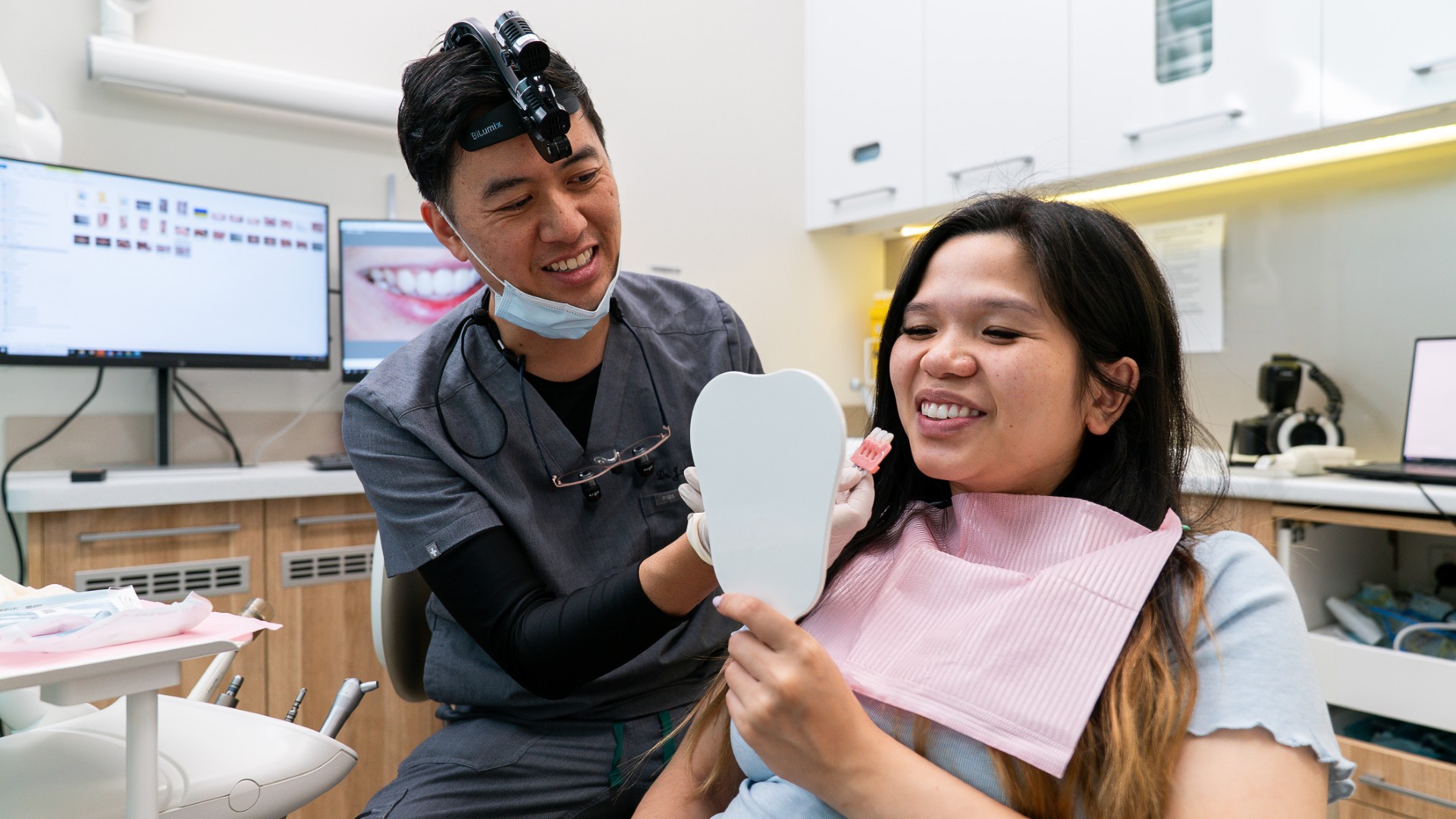
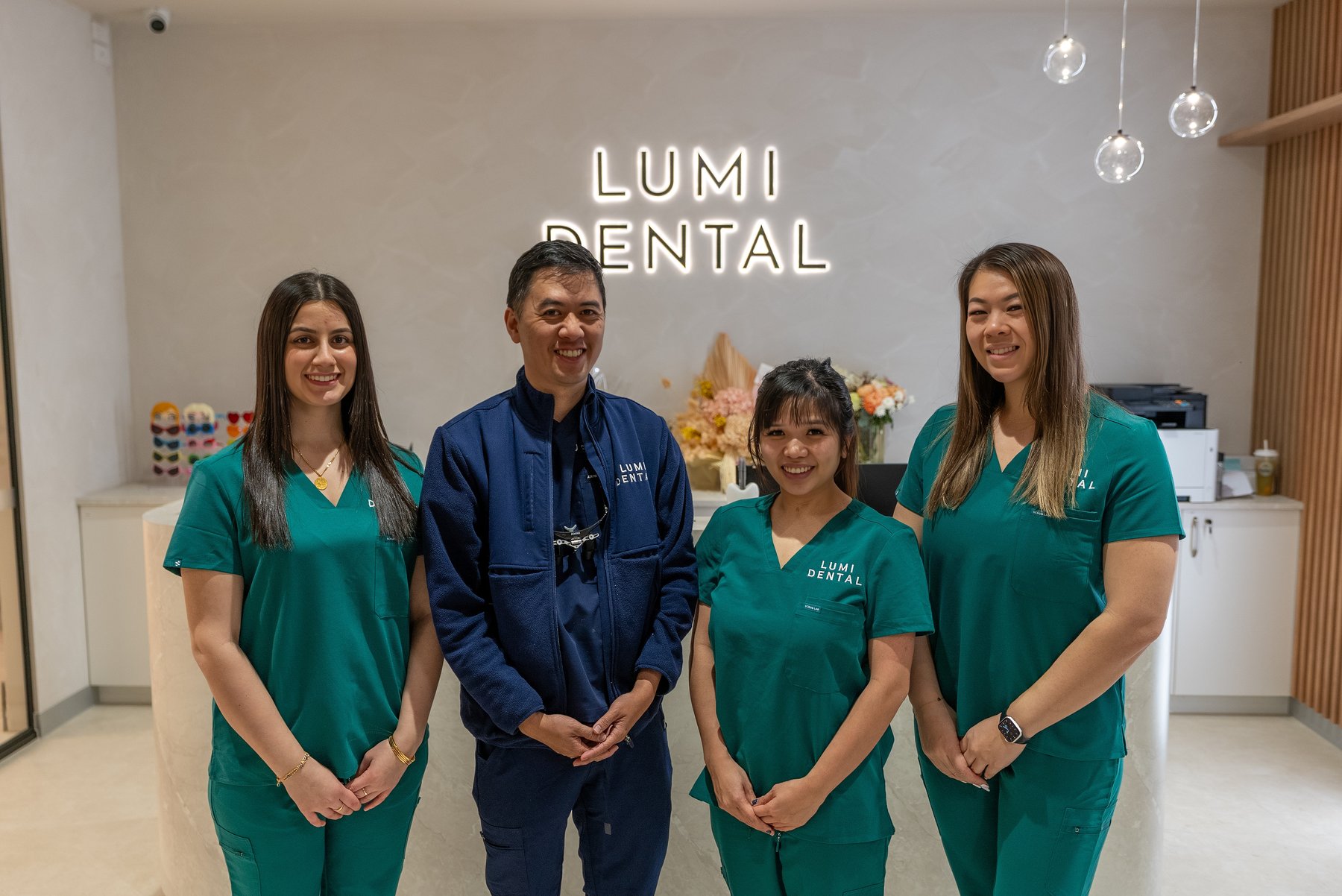
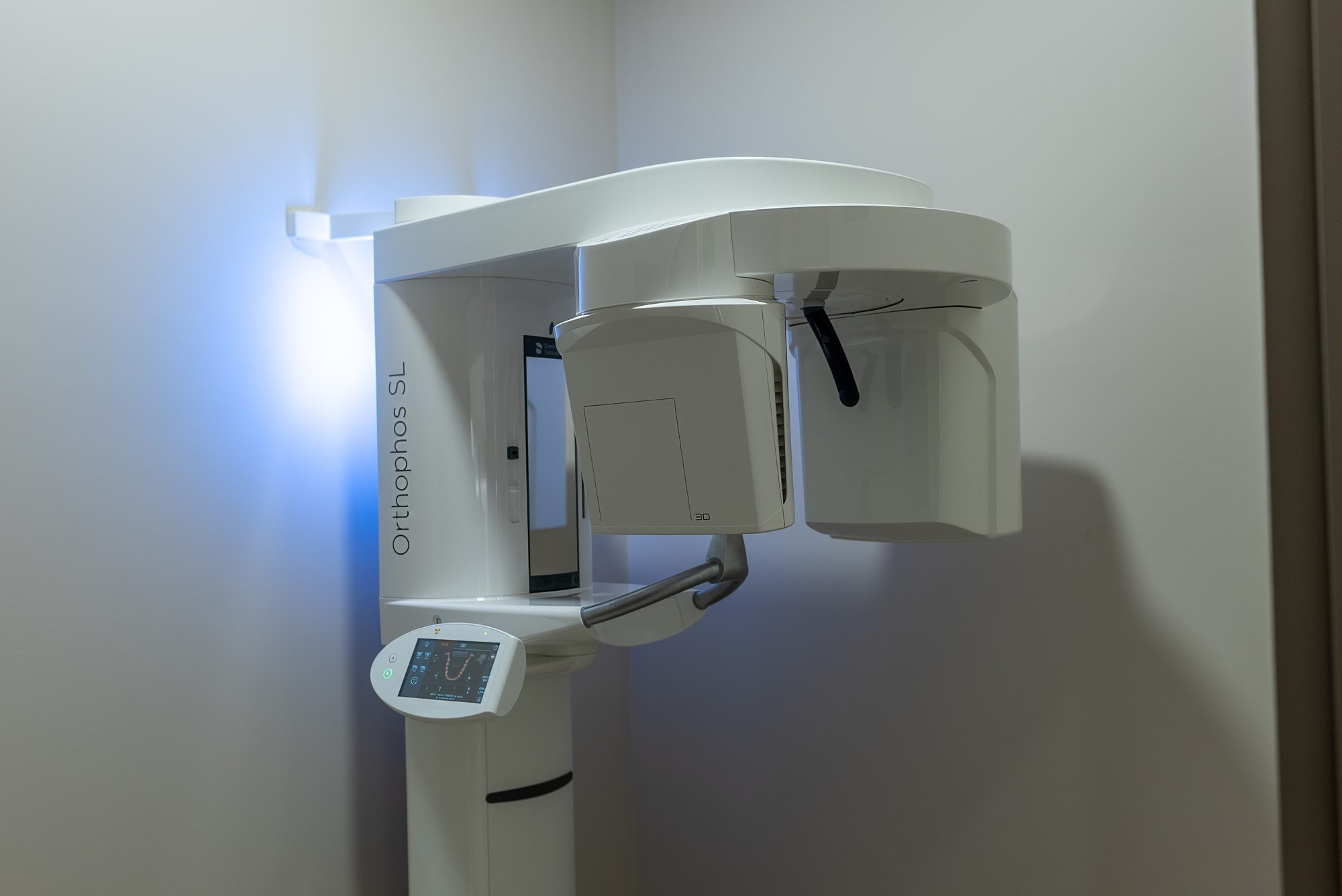
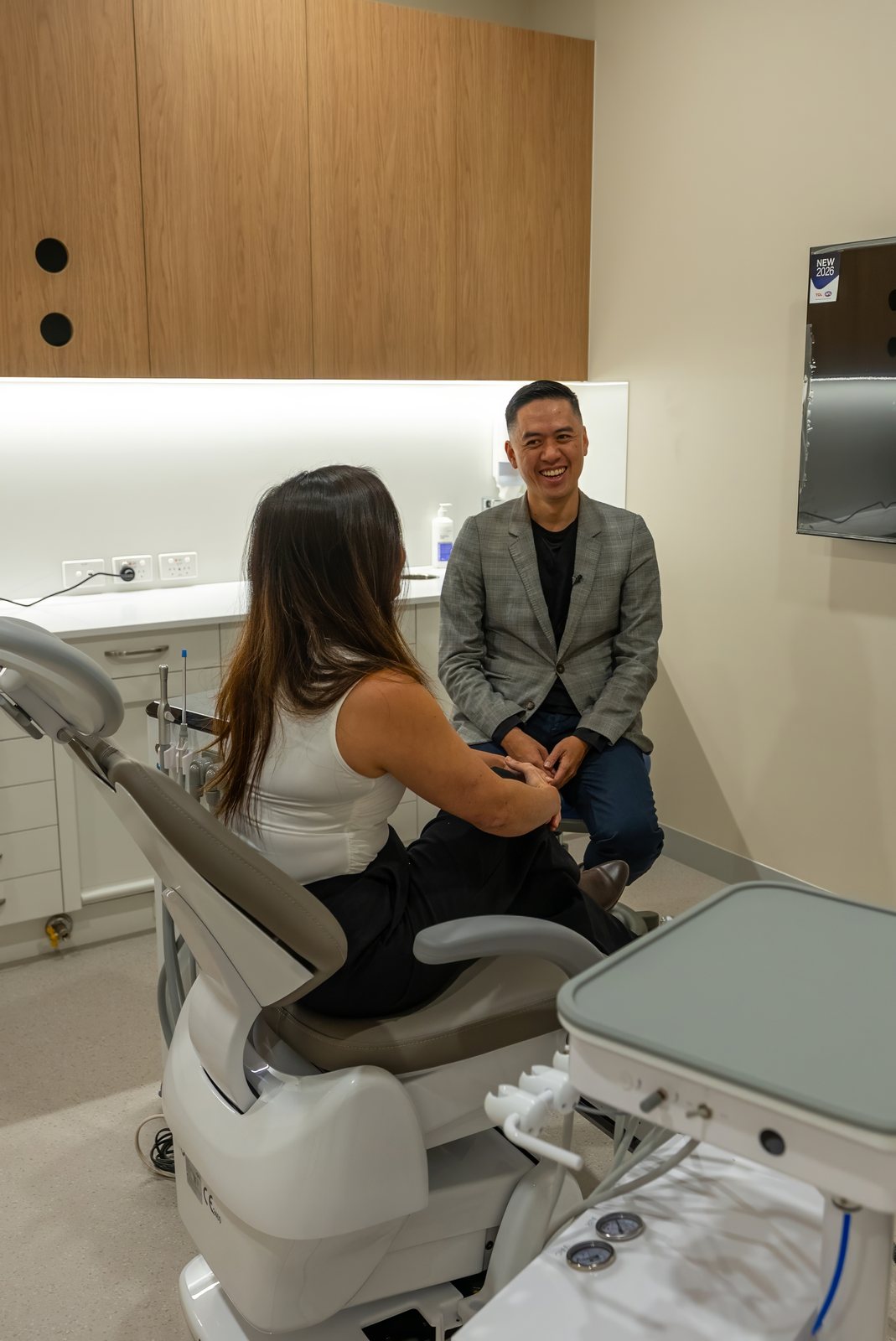
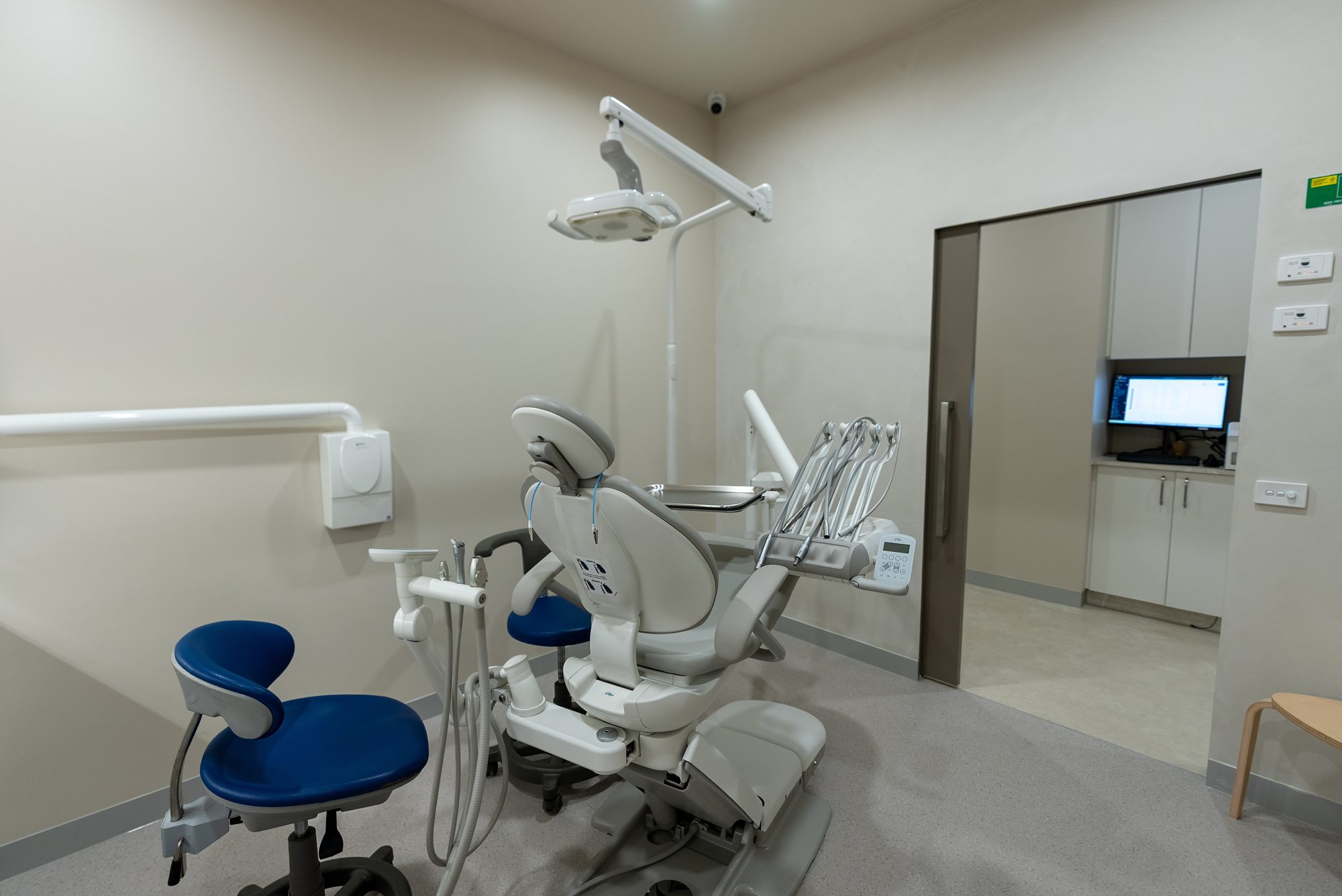
At Lumi Dental in Melrose Park an implant consultation after cancer treatment begins with a full medicine history, an examination by a dentist, and an in-house 3D X-ray (CBCT) to assess the bone; our technology page describes the equipment. The team at Lumi Dental writes to your GP or specialist before planning surgery, and for anyone treated for cancer that letter goes to the oncologist, who decides on timing. Where high-dose antiresorptives are involved, the case is referred to a registered specialist. The hygiene team (OHTs) provides the shorter recall during treatment, and no medicine is ever changed by the dental team.
Questions patients ask
Can you get dental implants after chemotherapy?
Usually, once treatment is complete, counts have recovered and the oncologist has cleared you. Pooled research has reported implant survival around 99 per cent in this group. The main exception is anyone still on bone medicines at cancer doses.
How long after chemotherapy do you have to wait for a dental implant?
There is no fixed figure in the research. The oncologist decides on timing, and most want treatment finished, blood counts normal and some recovery time before elective surgery.
Can you have a dental implant while on denosumab or zoledronic acid for cancer?
At cancer doses, implants are generally not advised. Jaw osteonecrosis risk is reported at roughly 1 to 15 per cent in this group, and published guidance describes elective implants as contraindicated or restricted to specialised centres. The medicine is never paused on a dentist's say-so.
Is it safe to have dental work during chemotherapy?
Routine, non-surgical care usually continues, and urgent problems are treated in coordination with the oncology team. Elective surgery, including implants and most extractions, waits until counts recover. Report toothache or mouth sores promptly.
Do steroids or immunotherapy given with cancer treatment change the implant plan?
They go in the letter to the oncologist. Steroids impair healing and appear among the risk factors for jaw osteonecrosis, and some immunotherapy and targeted drugs have been linked to it in case reports. Our article on implants with long-term steroids covers that side.
Considering an implant? Complimentary implant consult in Melrose Park
If you have been through cancer treatment and are weighing up an implant, the team at Lumi Dental in Melrose Park can take the history, assess the bone and write to your oncologist first. Contact Lumi Dental to book a complimentary implant consult, or read about dental implants at the practice. Patients visit from Ryde, Parramatta, Ermington and Rydalmere, with on-site parking at Melrose Central.
Sources
- Cancer Council Australia: Mouth health and cancer treatment
- Medication-related osteonecrosis of the jaw: an evidence-based position statement from a Korean multidisciplinary task force (PMC)
- Andersen SWM and colleagues. Medication-related osteonecrosis of the jaws in patients on antiresorptive medication with dental implants: a scoping review (PMC)
- Duttenhoefer F and colleagues. Dental implants in immunocompromised patients: a systematic review and meta-analysis (PMC)
About the author
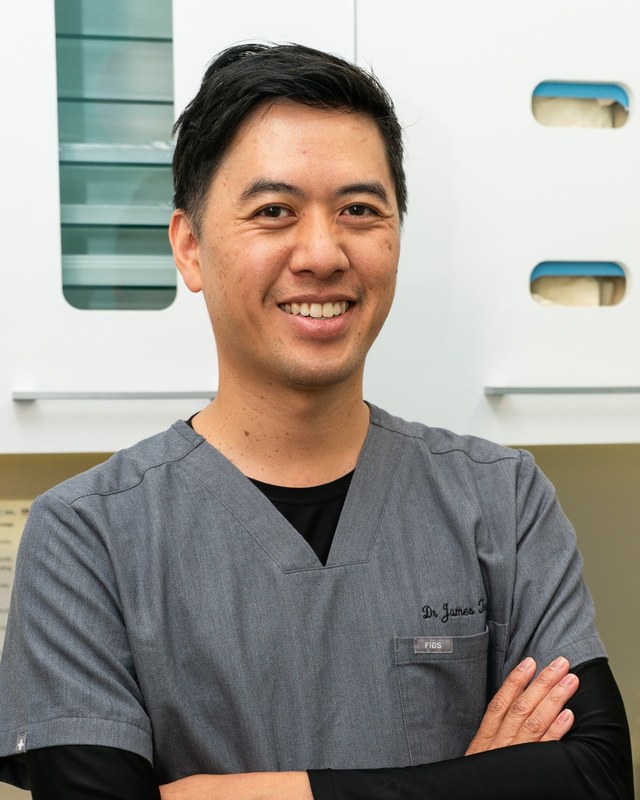
Dr James Tran is a general dentist at Lumi Dental in Melrose Park. He holds a BDent from the University of Sydney and a Graduate Diploma in Oral Implants, and is a Member of the International Congress of Oral Implantologists (MICOI).
This article is general information only and is not a substitute for an examination and individual advice from a registered dental practitioner. Suitability for any treatment varies from person to person.