
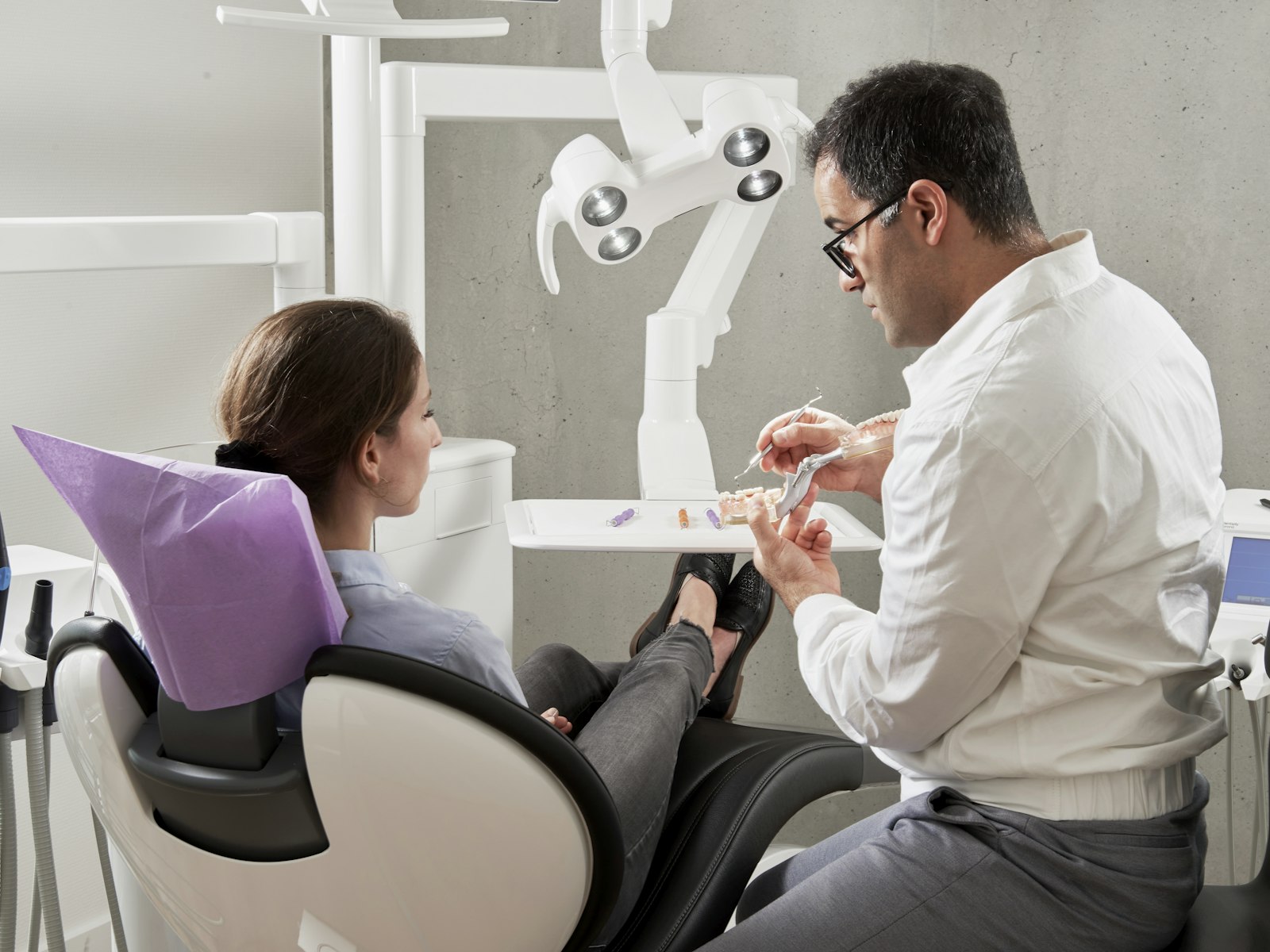

Most people ask about the dental implants age limit expecting a single number, but there is no upper age limit for dental implants in Australia. What matters is the health of your gums, jawbone and body, not the year on your birth certificate. Plenty of people in their 70s and 80s have implants placed safely, and the team at Lumi Dental in Melrose Park assesses each person individually. There is, however, a lower limit worth understanding, because a growing jaw is not a good place for an implant.
Key Takeaways
- There is no fixed upper age limit for dental implants. Assessment looks at bone, gums, general health and healing ability.
- Implants are usually delayed until the jaws have finished growing, which is often the late teens to early 20s, and varies by person.
- Medicines such as bisphosphonates, and conditions such as osteoporosis or diabetes, do not automatically rule implants out but need to be discussed first.
- Healing may take longer as we age, so the plan and timing are often more gradual.
- For some older adults, an implant-retained denture is a practical middle option between full dentures and a full set of implants.
- A scan and a proper consultation are the only reliable way to know if implants suit you.
Is there an upper age limit for dental implants?
No. Implants are titanium or ceramic posts that fuse with the jawbone, a process called osseointegration. You can read more in our guide to how dental implants fuse to bone. That process can happen at any adult age, provided there is enough healthy bone and the person is well enough for a minor surgical procedure.
In my experience, a person's general health says far more about implant success than their age. A fit 78 year old with healthy gums may be a better candidate than a 45 year old who smokes and has uncontrolled diabetes. For that reason, dentists talk about suitability rather than age cut-offs.
What we assess instead of age
A proper assessment usually looks at several things together.
- Bone volume and density: assessed with a 3D scan. Bone can shrink after tooth loss, and grafting may sometimes help.
- Gum health: active gum disease needs to be treated first, because it raises the risk of problems around an implant.
- General health: conditions like diabetes, heart disease and past cancer treatment are reviewed, often with your GP.
- Medicines: some medicines affect bone healing, which is covered below.
- Smoking and oral hygiene: both influence long-term results.
- Ability to clean: arthritis or limited dexterity can make home care harder, and this affects the design we recommend.
Our article on who may not be suitable for dental implants goes through these factors in more detail.
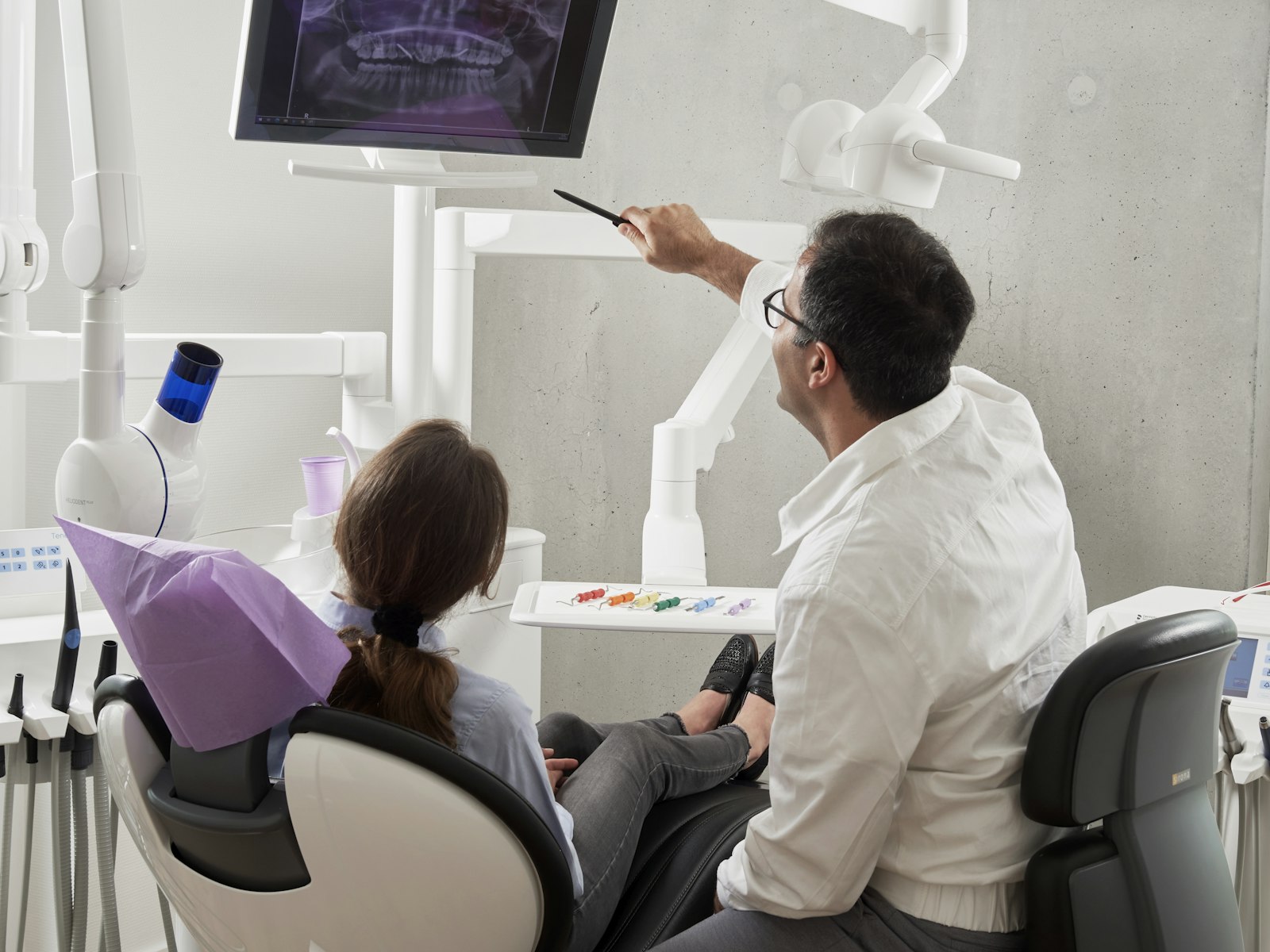
Medicines, bone health and implants
Many older adults take regular medicines, and some of them matter for implant planning. Bisphosphonates and similar bone medicines, often prescribed for osteoporosis or some cancers, can in rare cases affect how the jaw heals after surgery. Our guide to bisphosphonates and jaw healing explains the issue, and our article on osteoporosis and jaw bone health covers the bigger picture.
Blood thinners, steroids, diabetes medicines and some immune treatments may also be relevant. Usually this means we coordinate with your doctor, not that implants are off the table. Never stop or change a prescribed medicine without speaking to your doctor or pharmacist. Bring a current medicine list to your consultation so the dentist can plan safely.
| Factor | What it can mean for implants |
|---|---|
| Osteoporosis | Bone quality is assessed. Many people still proceed, sometimes with a modified plan. |
| Bisphosphonates | Needs discussion with your doctor and dentist before any surgery. |
| Diabetes | Well-controlled diabetes is often compatible with implants. Poor control raises risk. |
| Blood thinners | Planning with your doctor may be needed. Do not stop them yourself. |
| Smoking | Can slow healing and increase failure risk. |
| Gum disease | Treated and stabilised before implants are considered. |
Healing in later life
As we age, healing can be a little slower, and bone may take longer to bond with the implant. This does not stop treatment, but it can influence the schedule. Your dentist may allow more months before placing a final crown or loading the implant, and they may choose a simpler design. Our guide to the dental implant surgery recovery timeline gives a general idea of what to expect.
Implants or dentures for older adults?
Both can work well, and the best choice depends on your mouth, your health, your budget and your preferences. Dentures are removable and avoid surgery, but they can loosen as the jaw changes. Implants feel more stable and help preserve bone, but they involve surgery and usually cost more. Our dental implants vs dentures comparison sets out the differences.
A middle option is an implant-retained denture, where two or more implants anchor a removable denture. It can reduce slipping and is often simpler to keep clean than a full set of fixed teeth. See our overview of implant-retained overdentures. For wider advice, our dental care for seniors article is a useful companion.

Are there age limits at the younger end?
Yes, and this is where age really does matter. A teenager's jaws are still growing, and an implant does not move with growing bone. If it is placed too early, it can end up looking sunken or out of alignment with neighbouring teeth as the jaw continues to develop. For this reason, implants are usually postponed until growth has finished, which often falls in the late teens or early 20s but varies from person to person. In the meantime, a temporary option such as a bonded or removable replacement may be used. Your dentist may suggest checking growth with scans or comparing records over time.
What a consultation involves
- A conversation about your goals, medical history and medicines.
- An examination of your teeth, gums and bite.
- A 3D scan or X-rays to check bone volume and key structures.
- A written plan with options, timing and costs, so you can decide at your own pace.
Our list of questions to ask at a dental implant consultation can help you prepare, and you can read about dental implants in Melrose Park for service details.
Common Questions
Am I too old for dental implants at 70 or 80?
Not necessarily. Age alone does not rule out implants. Suitability depends on bone, gum health and general health, which is checked at a consultation.
Do implants last as long in older patients?
Implants may last many years when they are cleaned well and reviewed regularly. Longevity depends more on hygiene, gum health and habits like smoking than on age.
Can I have implants if I take osteoporosis medicine?
Often yes, but it needs planning. Tell your dentist about all medicines, and speak with your doctor before any change. Never stop or change a prescribed medicine without speaking to your doctor or pharmacist.
What is the youngest age for a dental implant?
There is no single age, but implants are generally held off until the jaws have finished growing. Your dentist can assess this for your child.
What if I do not have enough bone?
Bone grafting or other approaches may sometimes make implants possible, and an alternative such as a bridge or denture may be recommended instead.
Book a free implant consult
If you are wondering whether implants might suit you or a family member, the team at Lumi Dental can talk it through with no pressure. Contact us to book a free implant consult, and we will assess your mouth, explain your options in plain language and provide a written quote.


