


Dental implant placement is generally not carried out during pregnancy, since it's usually classified as an elective surgical procedure, and most dentists and oral surgeons recommend waiting until after delivery to begin implant treatment. This isn't because implants themselves are unsafe in a general sense, it's because the surgery, sedation, medications and imaging involved in implant planning are easier to manage safely outside of pregnancy, and there's rarely a clinical reason it can't wait.
Key Takeaways
- Implant placement surgery is usually classified as elective and is typically deferred until after pregnancy.
- Reasons include the sedation and anaesthetic combinations often used, medications for pain relief or infection prevention that aren't always suitable in pregnancy, and hormone-related changes that can increase gum tissue sensitivity and infection risk.
- Implant planning also typically involves more detailed imaging than a routine check-up, which is best kept to when it's genuinely necessary.
- Routine cleanings and urgent dental treatment are generally considered safe throughout pregnancy and shouldn't be delayed if something needs attention.
- If a tooth is lost during pregnancy, temporary options like a removable partial denture or a resin-bonded bridge can bridge the gap until implant treatment is appropriate.
- The right approach always comes down to a conversation with your dentist and your obstetrician.
Why implant surgery is usually deferred
Dental implant placement is a surgical procedure, and like most elective surgery, it's generally scheduled around what's safest for the patient rather than treated as urgent. There are a few specific reasons implant surgery in particular tends to be pushed to after delivery.
First, implant surgery often calls for a stronger combination of local anaesthetic and sometimes sedation than a filling or clean, and not every option used for comfort during longer procedures is considered ideal during pregnancy. Second, the medications commonly prescribed around implant surgery, including certain antibiotics and stronger pain relief, aren't all suitable for use during pregnancy, which limits how the recovery period can be managed. Third, hormonal changes during pregnancy are well known to affect gum tissue, often making gums more prone to inflammation and infection, which isn't the ideal environment for a surgical wound to heal predictably. Finally, implant planning typically involves more detailed imaging than a routine exam, and while dental x-rays with proper shielding are considered safe during pregnancy when genuinely necessary, as we cover in our guide to dental x-ray safety during pregnancy, it still makes sense to limit imaging that isn't essential in the moment.
Put together, these factors mean that for most patients, there's little to be gained clinically by placing an implant during pregnancy, and several reasons to prefer waiting.
What is still safe during pregnancy
It's worth being clear that this caution is specific to elective implant surgery, not dental care in general. According to general obstetric and dental guidance, routine cleanings and check-ups are considered safe and are actually encouraged throughout pregnancy, partly because pregnancy hormones can increase the risk of gum inflammation, sometimes called pregnancy gingivitis, which we cover in more detail in our article on gum disease and pregnancy gingivitis. Urgent dental treatment, such as for pain, infection or a broken tooth, also shouldn't be delayed simply because you're pregnant. Leaving an urgent problem untreated tends to carry more risk than treating it promptly with appropriate precautions.
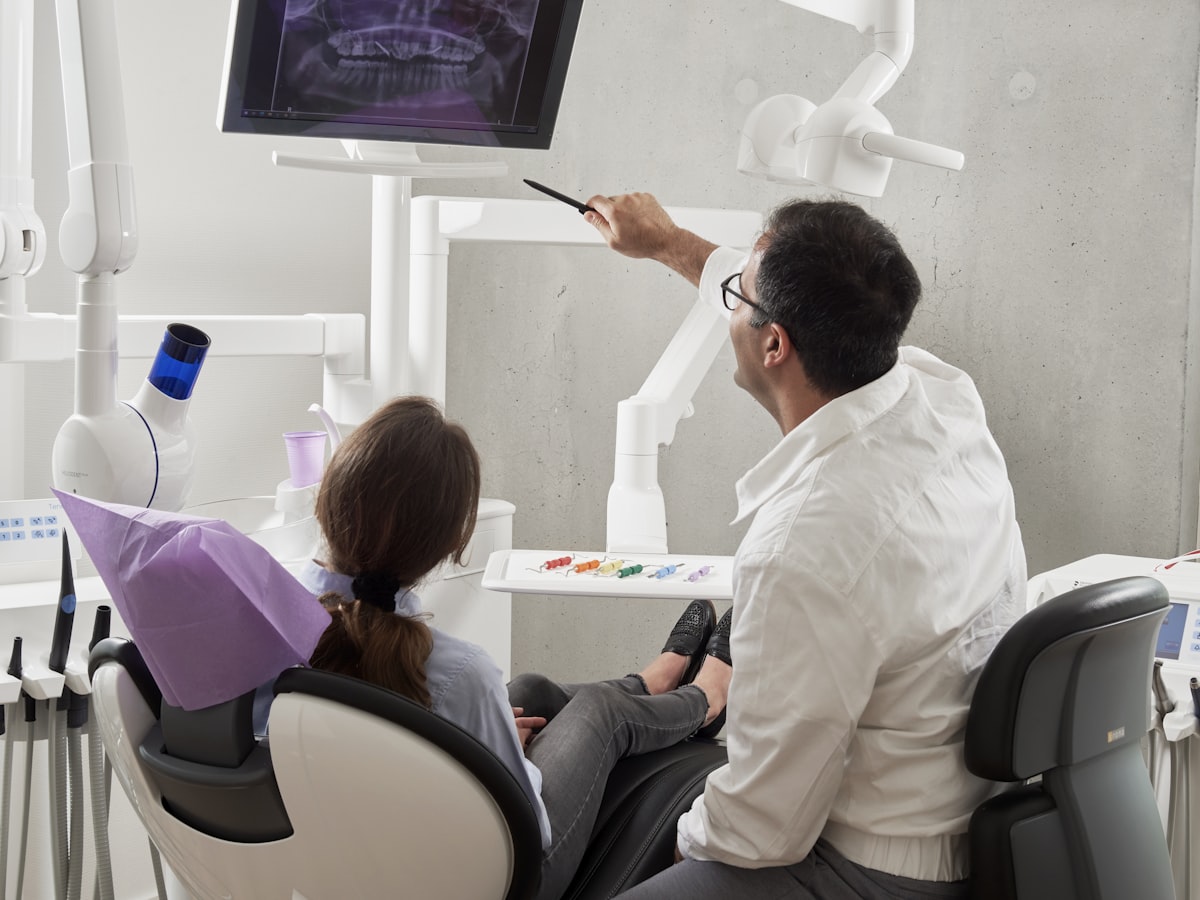
So the general pattern is straightforward: routine and urgent dental care continues as normal, while elective procedures like implant placement are typically scheduled for after delivery.
If you lose a tooth during pregnancy
Losing a tooth while pregnant, whether from an accident, an untreated infection, or another cause, can feel like it needs an immediate permanent fix, but there are temporary options that can bridge the gap comfortably and affordably until implant treatment is appropriate:
- A removable partial denture, which fills the visible gap and can usually be fitted relatively quickly.
- A temporary bonded tooth, sometimes called a flipper, a lightweight removable option often used as a short-term aesthetic fix.
- A resin-bonded bridge, which attaches to neighbouring teeth without the need for surgery, and can serve as a longer-term temporary solution if needed.
Once you're ready to move forward with permanent implant treatment after delivery, it's worth understanding the different material and design options available, covered in our guides on titanium vs zirconia implants and implants vs bridges vs dentures, along with a general overview of costs in our dental implant cost guide.
Pregnancy and implant treatment stages at a glance
| Stage of care | Generally safe during pregnancy? |
|---|---|
| Routine check-ups and cleanings | Yes, generally recommended to continue |
| Urgent treatment for pain or infection | Yes, shouldn't be delayed |
| Necessary dental x-rays with shielding | Yes, when genuinely needed for diagnosis or treatment |
| Temporary tooth replacement (partial denture, flipper, resin-bonded bridge) | Yes, can typically be arranged during pregnancy |
| Elective implant placement surgery | Usually deferred until after delivery |
Talk to your dentist and obstetrician
Every pregnancy and every dental situation is different, so the right course of action always comes down to a conversation between you, your dentist and your obstetrician. They can weigh up your specific health history, how far along you are, and what's actually needed, rather than applying a blanket rule. If you've lost a tooth or are dealing with a dental issue during pregnancy, it's worth having that conversation sooner rather than later so a sensible interim plan can be put in place.
Frequently Asked Questions
Can I get a dental implant while pregnant if I'm in pain?
Pain itself is usually a sign something needs urgent attention, but the treatment for it doesn't have to be a permanent implant right away. A dentist can usually manage pain and infection with safe interim treatment, and plan implant surgery for after delivery.
Is it safe to have dental x-rays for implant planning while pregnant?
Necessary dental x-rays with proper shielding are generally considered safe during pregnancy, but implant planning often involves more detailed imaging than is essential in the moment, which is one more reason this planning is usually left until after delivery.
Will waiting to get an implant make the procedure harder later?
Not typically. Temporary tooth replacement options can maintain the space and support surrounding teeth in the meantime, and implant treatment can generally proceed as planned once you're ready postpartum.
Can I still have a filling or a tooth extraction while pregnant?
Yes, routine and urgent dental treatment, including fillings and extractions when necessary, are generally considered safe throughout pregnancy with appropriate precautions.
How soon after giving birth can implant treatment start?
This varies by individual and is best discussed directly with your dentist, who can assess your healing, any breastfeeding considerations, and overall readiness before planning treatment.
Ready to talk about implants once you're ready
If you've lost a tooth during pregnancy or are simply planning ahead, our team is happy to talk through your options and outline a plan for once you're ready postpartum. You can find out more about our approach on the dental implants page, or book a complimentary consult to talk through timing and next steps.


