Epilepsy does not usually rule out dental implants, and for some people with seizures, fixed implant teeth can be a safer choice than a removable denture that may break or come loose during a seizure. In a small survey of dentists who treat people with epilepsy in southern Germany, 64% said they would not recommend a removable denture for this group. Good dental implant planning with epilepsy starts with seizure control and your neurologist's input, then looks at bone, gums and the kind of teeth that will stay put.
Written by Dr James Tran, BDent (University of Sydney), MICOI, GradDip (Oral Implants), general dentist at Lumi Dental in Melrose Park.
The short version
- Removable dentures can loosen, fracture or be inhaled or swallowed during a tonic-clonic seizure. Fixed bridges and implant teeth do not come out the same way.
- Research on implants in people with epilepsy is limited and small, but one long-term study reported very few implant losses.
- Some anti-seizure medicines can cause gum overgrowth, and older ones have been linked with lower bone density. Neither is a reason to change your medicine for an implant.
- The single rule: seizure control and your neurologist's advice first, then favour teeth that cannot be dislodged in a seizure.
- On surgery day, take your usual medicines as prescribed, sleep well the night before and tell the team about your triggers.
- Everyday dental care and seizure safety in the chair are covered in our article on epilepsy and dental care; this one is about replacing teeth.
Why the type of replacement tooth matters with seizures
During a tonic-clonic seizure the jaw muscles can clench with great force, and a fall can strike the face. Anything loose in the mouth is at risk. A case report from the University of Szeged describes people with epilepsy as being at greater risk of injury during seizures and of aspirating, or breathing in, a removable denture or pieces of one. The authors recommend fixed tooth replacements to reduce that risk.
The southern German survey, available on PMC, notes that the risk of damage to teeth and fracture of prostheses is highest with generalised tonic-clonic seizures. Fixed options such as cemented bridges or dental implants are considered safer, because a removable denture can dislodge and cause oral injury or airway obstruction. Where a denture cannot be avoided, the paper describes a one-piece denture with a reinforced metal base as the safer design.
That does not mean everyone with epilepsy needs implants. The same paper points out that people who have few seizures, especially without motor symptoms, can usually have the same tooth replacement care as anyone else.
Denture, implant overdenture or fixed implant teeth
Removable denture
A conventional denture rests on the gums and is held by suction or clasps. It is the simplest option, but the one most likely to come loose, crack or be swallowed in a seizure.
Implant overdenture
An overdenture clips onto two or more implants. It is far more secure than a denture held by suction, though it still comes out for cleaning. Our article on implant-retained overdentures explains how the attachments work.
Fixed implant crowns and bridges
Implant crowns, implant bridges and full-arch bridges are screwed or cemented in place, and only a dentist can remove them. Lumi Dental's full-arch service is called All-on-X. A Nigerian case report followed two people who had lost teeth through seizure trauma and were given fixed bridges; the bridges were still in service after seven years without damage, even though seizures continued. Two people is a very small sample.
| Option | Security during a seizure | Daily cleaning | Repair after a fall or seizure |
|---|---|---|---|
| Removable denture | Lowest: can loosen, crack or be inhaled or swallowed | Taken out and brushed | Cracked bases and lost teeth are common |
| Implant overdenture | Better: clips hold it, but force can still dislodge it | Taken out; clean the implant caps too | Clips and denture teeth can be replaced |
| Fixed implant crowns or bridge | Highest: only a dentist can remove it | Cleaned in the mouth with brushes or a water flosser | Chipped porcelain or a loose screw may need repair |
The single rule: seizure control first, then teeth that stay put
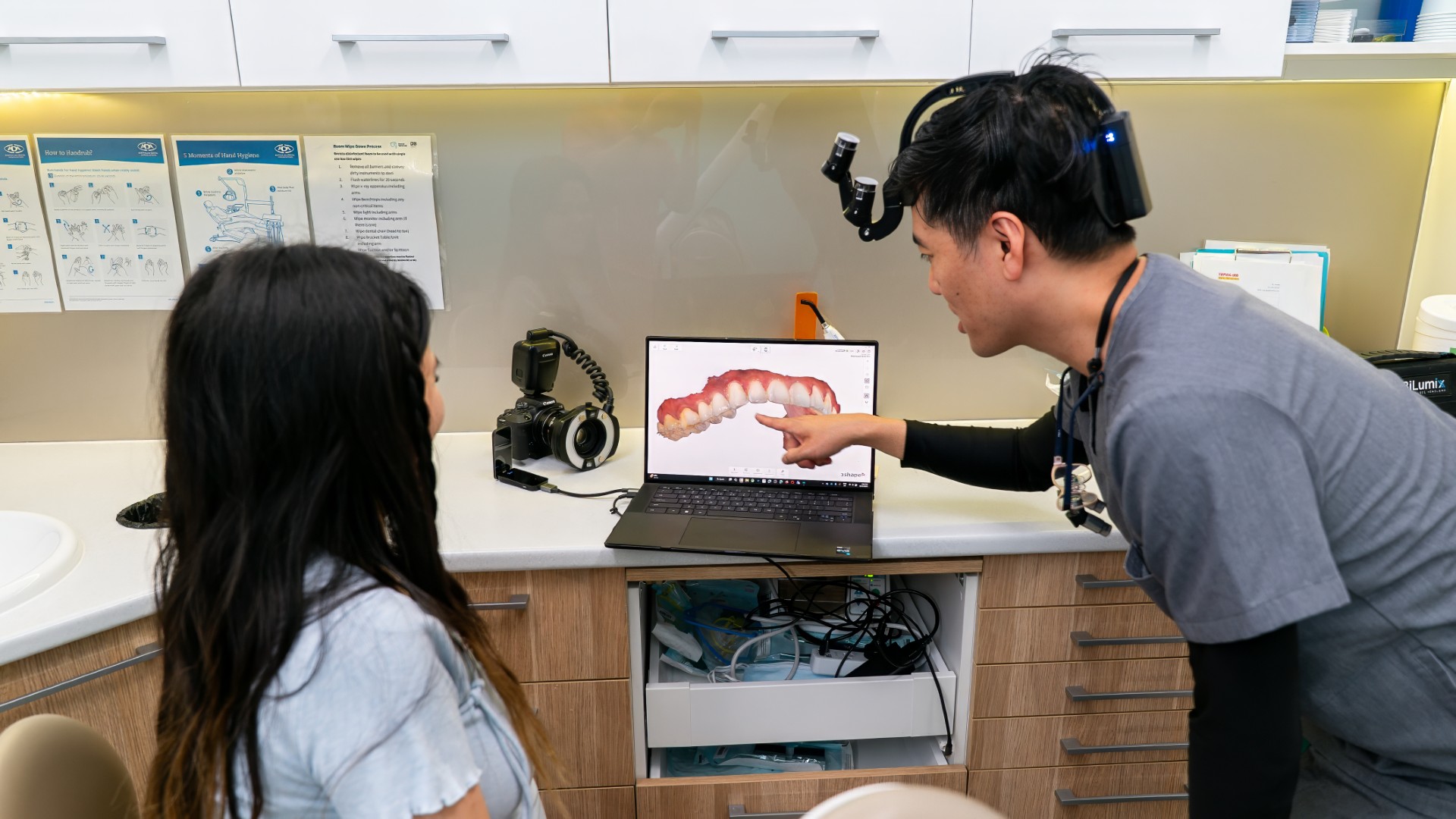
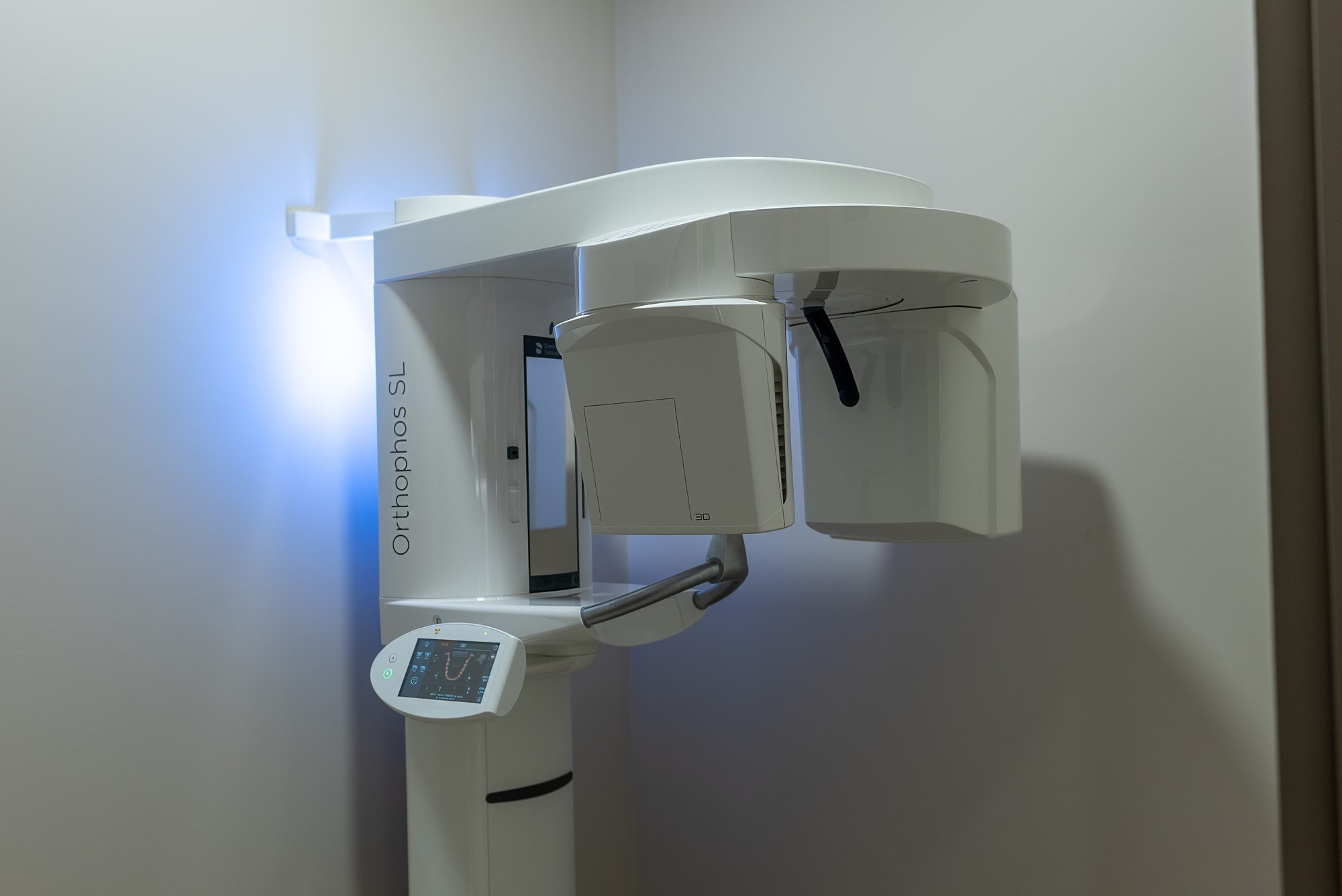
If your seizures are well controlled and your neurologist is comfortable with a planned procedure, start with a full implant assessment: an examination, a 3D scan of the bone and a talk about fixed or removable options. If your seizures are frequent, have changed lately or your medicines are being adjusted, start with your neurologist and come back once things are settled.
Implants are elective surgery, so waiting a few months costs little. In my experience, patients who arrive with a short letter from their neurologist save themselves a second appointment.
Gum overgrowth and implants
Phenytoin is the anti-seizure medicine best known for gum overgrowth. The German survey quotes it in up to 60% of people taking phenytoin. Our article on epilepsy medicines and gum overgrowth covers causes and treatment.
Around an implant, the gum (called peri-implant tissue) needs to stay healthy so the bone holding the implant stays healthy. A long-term study from Utrecht did not observe obvious medicine-related overgrowth around implants in people with severe epilepsy. If your natural gums have overgrown, your dentist will usually want them treated and stable before surgery, so the area can be cleaned properly afterwards. Our guide to cleaning a full-arch implant bridge at home shows the brushes and routines that help.
Anti-seizure medicines and bone
A review in the American Journal of Geriatric Pharmacotherapy reported an association between anti-seizure medicines, lower bone density and higher fracture risk, especially with older medicines such as phenobarbital, carbamazepine, phenytoin and valproate. The proposed reason is that enzyme-inducing medicines speed the breakdown of vitamin D in the liver. The evidence is observational.
There is no good research on whether this changes implant success in the jaw, so treat it as something to check rather than a known risk. Your 3D scan shows the bone at each site, and your GP can advise on bone health and vitamin D. Never stop or change an anti-seizure medicine because of a dental plan; that is a decision for your neurologist or GP.
What the research says about implants and epilepsy
The Utrecht study included 61 people with severe, hard-to-control epilepsy and 134 implants. Three implants failed, one in each of three people, giving an estimated survival of about 97.6% after 16 years.
That is reassuring, but it is one retrospective study from a specialised centre, and most of the rest of the literature is case reports. I usually describe the evidence as encouraging but small, and patients I see appreciate knowing that before they decide.
Planning the surgery day
Epilepsy Action Australia describes poor sleep as one of the most commonly reported seizure triggers and notes that stress can make seizures worse.
- Take your usual anti-seizure medicines at their normal times, unless your neurologist advises otherwise.
- Book a time of day when seizures are least likely, after a full night's sleep.
- If fasting is needed for sedation, ask your neurologist how to fit it around your medicines.
- Tell the team your seizure type, warning signs and triggers, including light sensitivity.
If a seizure happens
Better Health Channel, in guidance approved by Epilepsy Action Australia, advises staying calm, protecting the person from injury, placing something soft under the head, timing the seizure and rolling them onto their side once it is over. Nothing should be put in the mouth. Call triple zero (000) if a seizure lasts five minutes or more, or longer than usual for that person, if another follows quickly, or if the person is injured.
Sedation
IV sedation can make implant surgery easier for anxious patients, but with epilepsy it needs a medical review first, including how sedatives fit with your medicines. Our article on IV sedation for dental implant surgery explains the day itself.
How we approach this at Lumi Dental
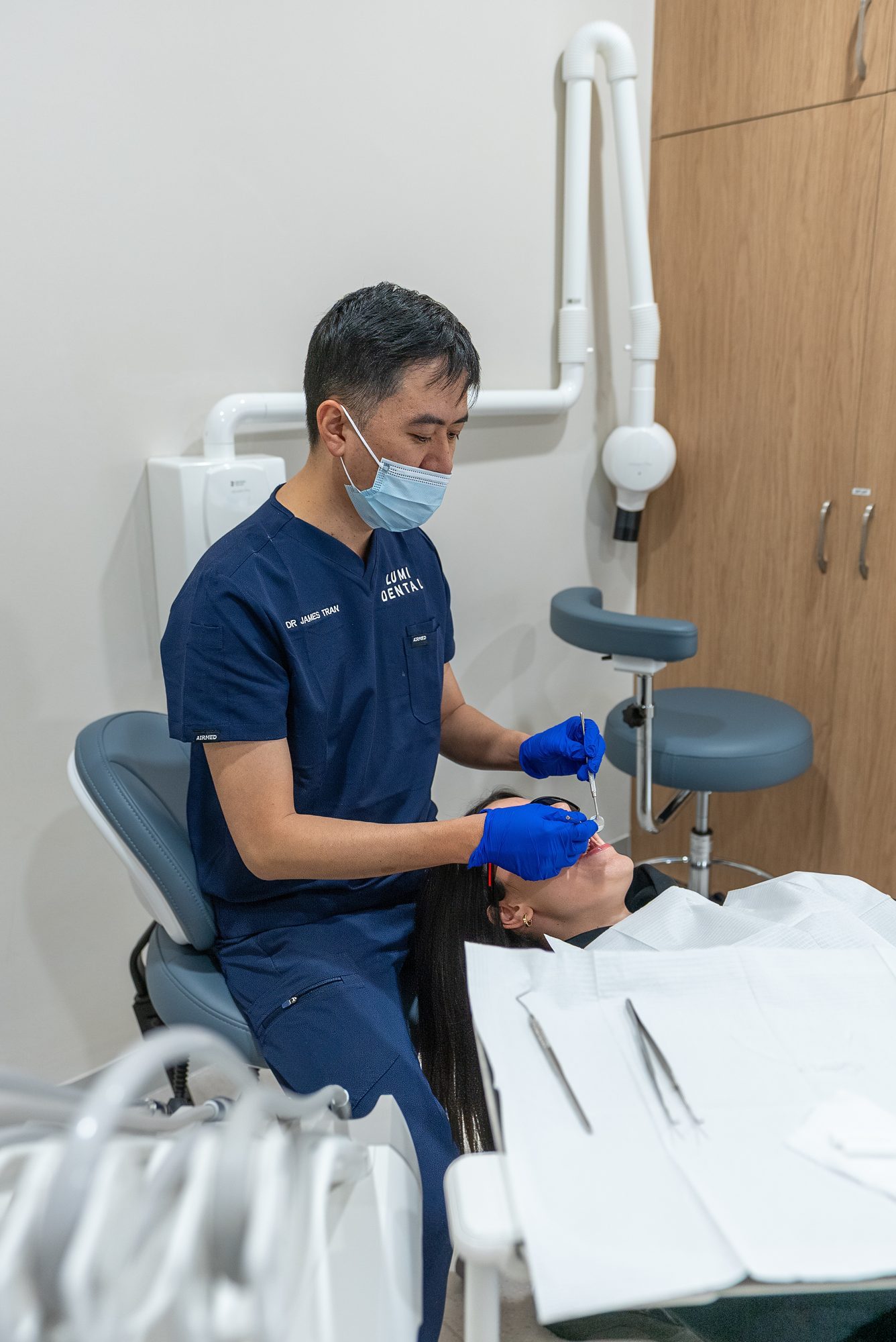
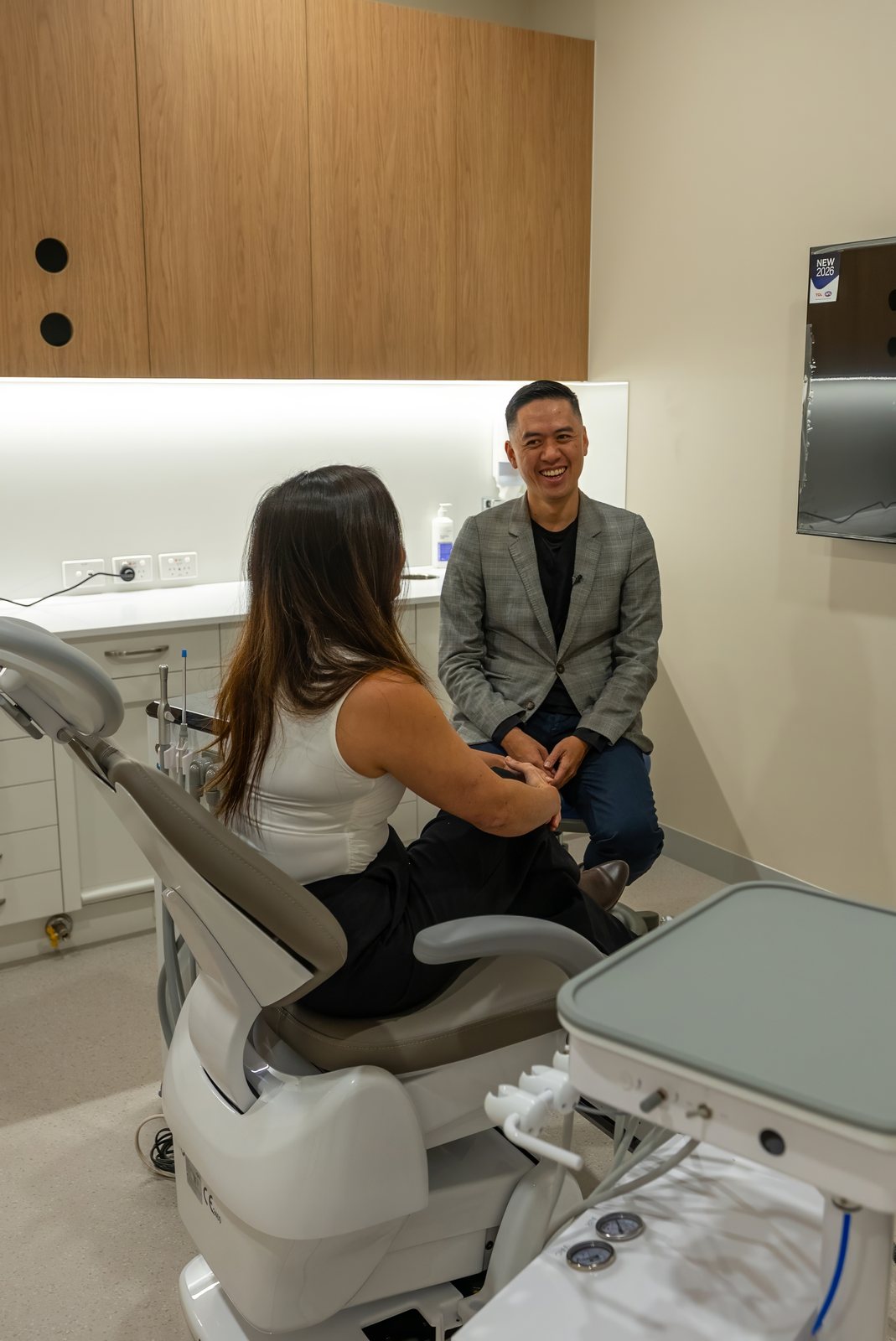
At Lumi Dental in Melrose Park, a dentist reviews your medical history and seizure pattern, examines your teeth and gums and takes a 3D X-ray in house to measure the bone. When neurological advice is needed, the team at Lumi Dental writes to your GP or specialist before planning surgery. IV sedation is available at the practice after medical review; Lumi Dental does not provide general anaesthetic itself and refers where it is needed. Complex cases are referred to a registered specialist. Read more about dental implants at Lumi Dental.
Questions patients ask
Can you get dental implants if you have epilepsy?
Usually, yes. Most people with well-controlled epilepsy can be assessed for implants in the usual way, with input from their neurologist. The limited research reports good implant survival, though the studies are small.
Are dentures dangerous if you have seizures?
They can be. A removable denture can loosen, break or be inhaled or swallowed during a tonic-clonic seizure, which is why many dentists prefer fixed options for people with frequent seizures.
Will my seizure medicine stop an implant from healing?
There is no clear evidence that it does. Some older medicines have been linked with lower bone density, so your dentist checks the bone on a 3D scan. Keep taking your medicine exactly as prescribed.
What happens if I have a seizure after my implant is placed?
A fall or hard clench can chip a crown or loosen a screw. Call your dentist if anything feels loose; our guide to signs of implant problems explains what to look for.
Can I have sedation for implant surgery with epilepsy?
Often, yes, after a medical review of your medicines and seizure pattern. Read more about IV sedation at Lumi Dental.
Considering an implant? Complimentary implant consult in Melrose Park
If you live with epilepsy and are thinking about replacing missing teeth, the team at Lumi Dental can review your seizure history, examine your mouth and work with your neurologist on timing and the safest type of replacement for you. Contact Lumi Dental to book a complimentary implant consult, or read more about dental implants in Melrose Park. Patients visit from Ryde, Parramatta, Ermington and Rydalmere, with on-site parking at Melrose Central.
Sources
- PMC: Dental care in patients with epilepsy, a survey of 82 patients and their attending dentists and neurologists in southern Germany
- International Journal of Oral and Maxillofacial Implants (Cune MS and colleagues): Dental implants in persons with severe epilepsy and multiple disabilities, a long-term retrospective study (PubMed)
- American Journal of Geriatric Pharmacotherapy (Lee RH and colleagues): A review of the effect of anticonvulsant medications on bone mineral density and fracture risk (PubMed)
- Better Health Channel: Epilepsy, first aid and safety
About the author
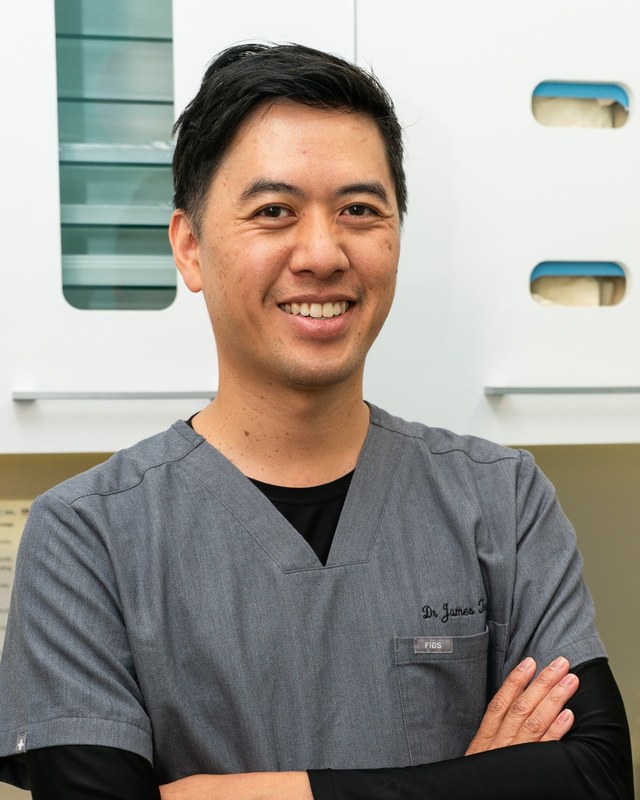
Dr James Tran is a general dentist at Lumi Dental in Melrose Park. He holds a BDent from the University of Sydney and a Graduate Diploma in Oral Implants, and is a Member of the International Congress of Oral Implantologists (MICOI).
This article is general information only and is not a substitute for an examination and individual advice from a registered dental practitioner. Suitability for any treatment varies from person to person.