
Healthy or restorable teeth with a sound long-term outlook are normally kept, and a full-arch implant bridge is reserved for an arch where the remaining teeth are failing together. Many patients weighing up full arch implants against their remaining teeth arrive with a quote already in hand. Healthdirect reports that around 3 in 10 Australian adults have moderate to severe gum disease, the usual reason an arch reaches this point, yet gum disease alone does not mean every tooth has to go. Here is how the decision is actually made.
Written by Dr James Tran, BDent (University of Sydney), MICOI, GradDip (Oral Implants), general dentist at Lumi Dental in Melrose Park.
The short version
- A tooth with a good outlook is usually worth more than the implant that would replace it, and removal cannot be undone.
- A full arch is considered when most teeth in the arch are failing at once: advanced gum disease with loose teeth, decay under old crowns, split roots or repeated root canal failures.
- It is also considered when patchwork repairs keep failing, or a denture is no longer tolerated. Our comparison of dentures and All-on-X full-arch implants covers that situation.
- Each tooth gets a prognosis before anyone talks about extractions.
- Middle options exist: strategic teeth kept alongside implants, a partial denture, an implant overdenture, or staged treatment.
- Bone is reshaped during full-arch surgery, which narrows future options, so take your time and consider a second opinion.
Why this is a one-way decision
A full-arch implant bridge replaces every tooth in the upper or lower jaw on four to six implants. To make room for the bridge and hide its junction with the gum under the lip, the surgeon usually trims and flattens the bony ridge once the teeth are out. That bone does not grow back, and if an implant later fails the options left are narrower than before surgery.
Better Health Channel puts it plainly: dental practitioners aim to preserve natural teeth, and removal is for teeth that are extensively damaged or badly decayed. In my experience the patients who regret a full arch are rarely the ones whose teeth were truly failing. They are the ones who were never shown what else was possible.
When a full arch starts to make sense
The clearest case is an arch where the teeth are failing together. Advanced gum disease that has loosened most of the teeth is the usual example. Healthdirect describes the end stage: the bone supporting the teeth is lost, the teeth become loose and may fall out. Other patterns point the same way: widespread decay under old crowns, vertical root fractures, and teeth that have had root canal treatment more than once and are infected again. When several of these sit in one arch, the question changes from "can this tooth be saved" to "how long will the arch hold together if we keep patching it".
Two further situations count: years of repairs that keep failing, with a new crown or root canal every few months, and a full denture that can no longer be tolerated because the ridge has shrunk.
How each tooth is assessed
Each tooth is examined and given a prognosis before any discussion of arches. The findings that matter most:
- Gum pocket depths and bone levels. Pocket depths and the bone seen on X-ray show how much support each root still has. Our guide to periodontal charting numbers explains the measurements.
- Mobility. Slight movement can settle after gum therapy. A tooth that moves visibly under finger pressure is usually hopeless.
- Decay and remaining tooth structure. A crown needs a collar of sound tooth to grip. If decay has run below the gum line, another restoration may not last.
- Root canal status. A well-sealed root canal under a crown can last for decades. A persistent infection, a crack or a loosened post is a different proposition.
- Bite load. A back tooth in a heavy grinder needs more structure to survive than a lightly loaded front tooth.
Good, questionable, hopeless
Dentists usually sort teeth into three groups. Good means the tooth is expected to last with ordinary care. Questionable means it may last for years but carries a known risk. Hopeless means it cannot be made sound. Prognosis systems vary and none is perfect, so I treat the labels as the start of a conversation rather than a verdict.
What decides the arch rather than the tooth
The arch decision then depends on how those labels are spread out, and on a few things beyond the teeth.
Number and position of good teeth. Six good teeth spread around an arch can anchor implants and bridges comfortably. Two at one end are harder to build around. Our article on how many dental implants you need shows how the count changes with the gaps.
Bone available. A 3D X-ray shows the height and width of bone where implants would go. Limited bone can tip the balance either way.
Lip and smile line. How much gum shows when you smile sets where the junction of a full-arch bridge would sit, and how much bone must be removed to hide it.
Priorities, budget and health. Some patients want one predictable procedure; others would rather keep every tooth with life left in it. Smoking, diabetes, some medications and the ability to keep implants clean all affect suitability, and the Australian Dental Association notes that not everyone is able to have implants.
The middle options that are often skipped
The choice is rarely "keep everything" or "remove everything". The options in between are the ones patients tell me they were never offered.
- Strategic teeth plus single implants or implant bridges. Hopeless teeth go, good teeth stay, and the gaps are filled with implants. Canines and well-supported molars are often worth keeping.
- A partial denture. It replaces several teeth at modest cost and keeps the door open for implants later.
- An implant overdenture. A removable denture clipped onto two or more implants. Our guide to implant-retained overdentures explains when it suits better than a fixed bridge.
- Segment-by-segment treatment. One part of the arch at a time.
- Staging. Questionable teeth are kept until they fail while the eventual plan is agreed in advance and the bone is watched.
Teeth with a good outlook stay; a full arch is for arches that are failing together, not for convenience
That is the rule I come back to. Convenience is a real benefit, but it does not justify removing teeth that would have lasted, because neither the decision nor the bone can be recovered.
| Situation | Usually leaning toward | Why |
|---|---|---|
| Most teeth good or questionable, a few hopeless | Remove the hopeless teeth, gum therapy, single implants or small bridges | Keeps teeth and bone with years left |
| Advanced gum disease, most teeth loose, bone loss across the arch | Full arch: implant bridge or implant overdenture | Teeth cannot be made stable again |
| Widespread decay under old crowns, several failed root canals | Full arch, sometimes staged | Restorations would rely on teeth that cannot hold them |
| Two or three sound teeth, the rest hopeless, good bone | Either: strategic teeth plus implants, or full arch | Position and symmetry of the sound teeth decide it |
| No teeth left, denture no longer tolerated | Implant overdenture or fixed full-arch bridge | Implants give the stability a shrunken ridge cannot |
| Healthy teeth, wish for a new smile | Not a full arch | Bone removal is permanent; cosmetic options exist |
Questions to ask before agreeing to extractions
These questions show whether a recommendation was reasoned tooth by tooth. Our list of questions to ask at an implant consultation covers the rest.
- Which teeth are good, which are questionable and which are hopeless, and why?
- What would it take to keep the good ones?
- Have the gum pockets been measured and the bone checked on a 3D X-ray?
- How much bone will be removed, and what does that mean if an implant fails later?
- Would a partial denture, an overdenture or staged treatment work, and if not, why not?
- Can the plan be taken away for a second opinion before deciding?
How we approach this at Lumi Dental
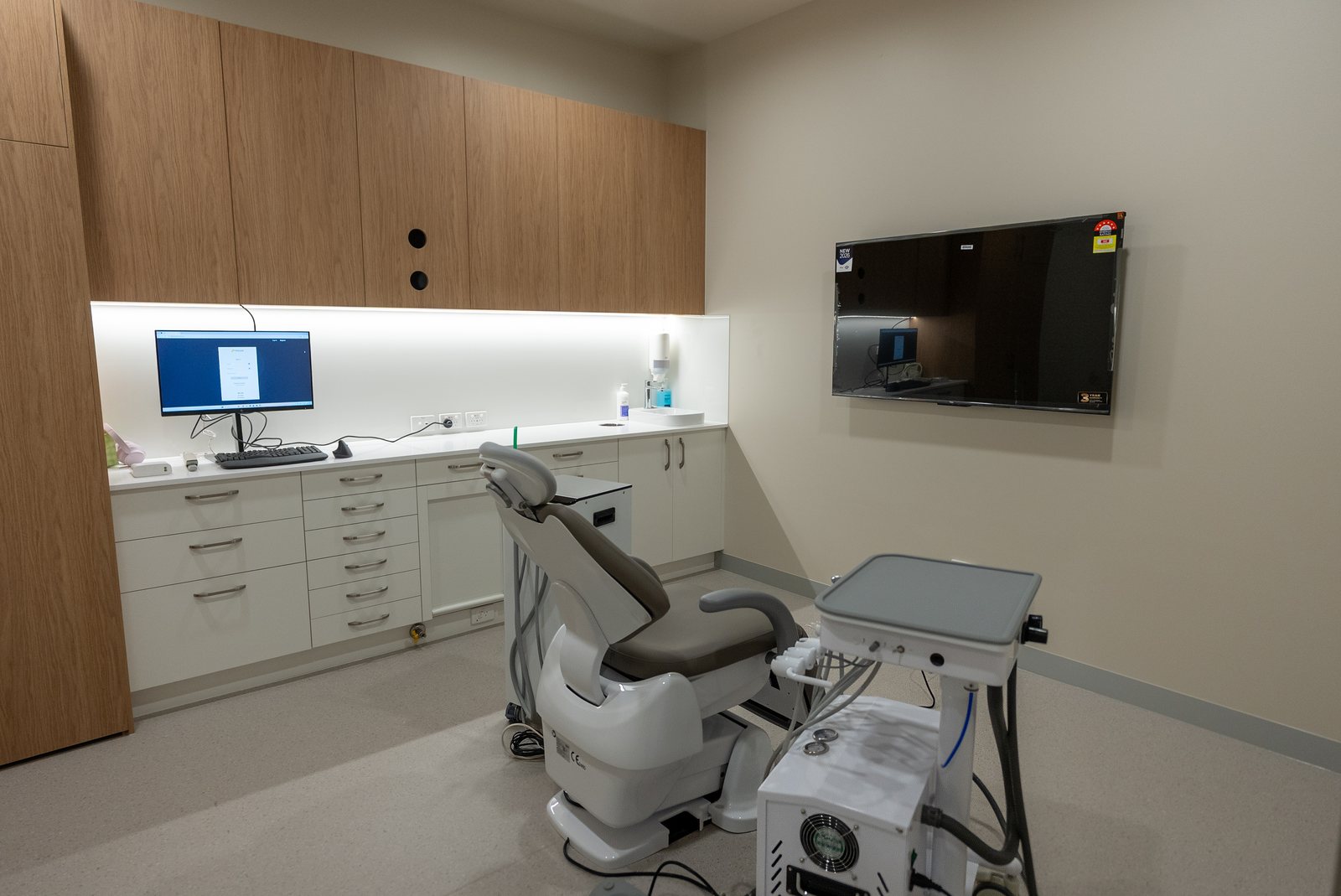
At Lumi Dental the examination comes before the recommendation. A dentist charts the gums, records mobility, checks each restoration and root canal, and takes a 3D X-ray and a 3D intraoral scan in-house. Each tooth is given a prognosis and the options are set out side by side, including the ones that keep teeth. The team provides single implants, implant bridges, overdentures and All-on-X full-arch implants. IV sedation is available, and cases that need a periodontist or prosthodontist are referred to registered specialists.
Questions patients ask
Should I remove my remaining teeth for implants?
Not if they have a good long-term outlook. Teeth are removed for a full arch when they are failing together, not to tidy up a plan. Ask for a tooth-by-tooth prognosis first.
Is All-on-X better than keeping natural teeth?
Neither is better in general. Research has reported that implants do not outlast well-maintained natural teeth, so a sound tooth is normally the better bet, while a full arch can be the kinder option for an arch that is already collapsing. Our article on who is not suitable for dental implants covers the health factors.
Can a full-arch bridge be done with a few good teeth left?
Sometimes, but it means removing those teeth, and that deserves a careful conversation. Often the better plan keeps them and places implants around them.
What happens to the bone during full-arch surgery?
After the teeth are removed, the ridge is usually shaped and reduced so the bridge sits cleanly under the lip. That bone is permanently gone.
Is a second opinion worth getting before a full arch?
If you feel any doubt, yes. A second dentist may reach the same conclusion or may show you a middle option. No reasonable clinician minds being asked.
Get an honest tooth-by-tooth assessment at Lumi Dental
If you have been told you need a full arch, the team at Lumi Dental in Melrose Park can examine each tooth, chart the gums and bone, and set out every option. Contact Lumi Dental to arrange an assessment, or read more about dental implants at Lumi Dental and All-on-X full-arch implants. Patients visit from Ryde, Parramatta, Ermington, Rydalmere and nearby suburbs.
Sources
- healthdirect: Dental implant procedure
- healthdirect: Gum disease
- Better Health Channel: Dental treatment
- Australian Dental Association (teeth.org.au): Dental implants
About the author
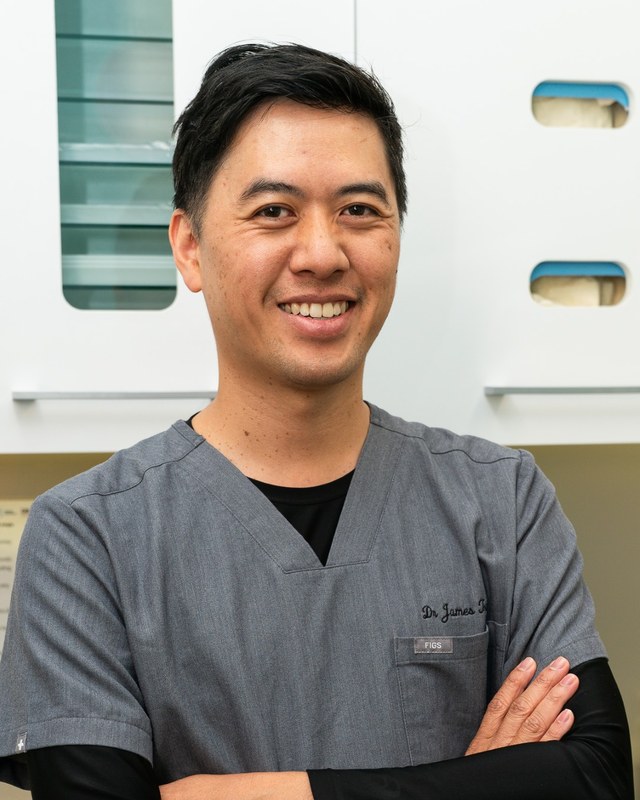
Dr James Tran is a general dentist at Lumi Dental in Melrose Park. He holds a BDent from the University of Sydney and a Graduate Diploma in Oral Implants, and is a Member of the International Congress of Oral Implantologists (MICOI).
This article is general information only and is not a substitute for an examination and individual advice from a registered dental practitioner. Suitability for any treatment varies from person to person.