
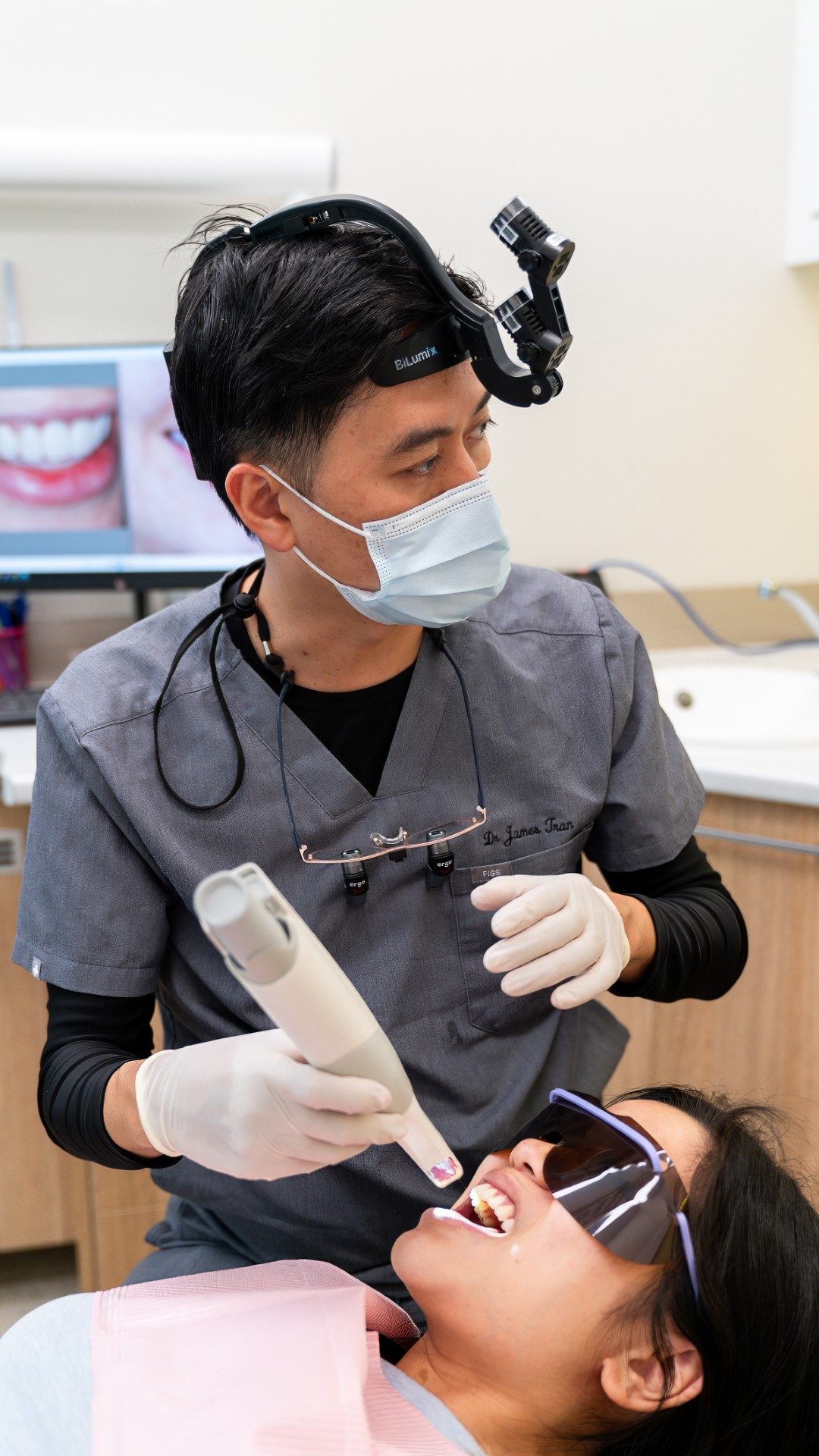

Epilepsy is not a reason to avoid teeth whitening when seizures are well controlled; the plan is built around your seizure pattern, so tell the team your seizure type, triggers and first aid plan before the first session. Epilepsy Action Australia notes that photosensitive epilepsy, where flashing or flickering light can trigger seizures, is seen in fewer than 5% of people with epilepsy. That matters for the in-chair light, but for most people the bigger questions are trays, gums and timing.
Written by Dr James Tran, BDent (University of Sydney), MICOI, GradDip (Oral Implants), general dentist at Lumi Dental in Melrose Park.
The short version
- Well-controlled epilepsy rarely rules out whitening. A recent seizure or a change in medicines is a reason to wait and ask your doctor.
- Bring your seizure or epilepsy management plan to the first visit. Our guide to epilepsy and dental care covers dental visits in general.
- Whitening does not need a light. If you are photosensitive, the lamp can simply be left out.
- Take-home trays are usually worn while awake. People with seizures in sleep may suit daytime wear rather than overnight wear.
- Overgrown or inflamed gums are treated before whitening, not after.
- Your neurologist or GP manages your medicines. Nothing is stopped or changed for the sake of whitening.
The single rule: well controlled, well planned, and the team knows your seizures
What changes the whitening plan is not the diagnosis itself but how often seizures happen, what they look like, what sets them off and what your first aid plan says. In my experience, once the team knows those things, whitening is planned much like it is for anyone else.
| Situation | Whitening approach that may suit |
|---|---|
| Well-controlled seizures | Examination first, then in-chair or take-home whitening as for anyone else |
| A recent seizure or a medicine change | Wait until your neurologist or GP is happy that things have settled |
| Photosensitive epilepsy | No whitening lamp, tinted glasses, and the overhead light angled away |
| Seizures during sleep | Daytime tray wear while awake rather than overnight wear |
| Gum overgrowth from a medicine | Gum care first, then whitening once the gums are healthy and the trays fit well |
| Front teeth chipped in a past seizure | Whiten first, then repair or replace bonding to match the new shade |
What to tell the team before the first session
Epilepsy Action Australia encourages people with epilepsy to tell those around them about their seizures and what to do if one happens, and describes an Epilepsy Management Plan that covers seizure history, a description of the seizures, safety needs and first aid. If you have one, bring it.
Epilepsy Action lists common seizure triggers, including lack of sleep, physical exhaustion, stress, illness, dehydration, overheating, missed or late doses of medicine, and flickering lights. It notes that triggers often add up, and that some people have seizures at particular times of day or soon after waking. For a whitening visit, it helps to tell the team:
- your seizure type and how often seizures happen
- any warning signs you get beforehand
- your known triggers, including times of day
- your first aid plan and who to call
- every medicine you take, including any for seizure emergencies
Keep taking your medicines exactly as prescribed on the day. If you slept badly, are unwell or feel a seizure may be coming, move the appointment. Whitening is elective and can wait.
The in-chair light and photosensitive epilepsy
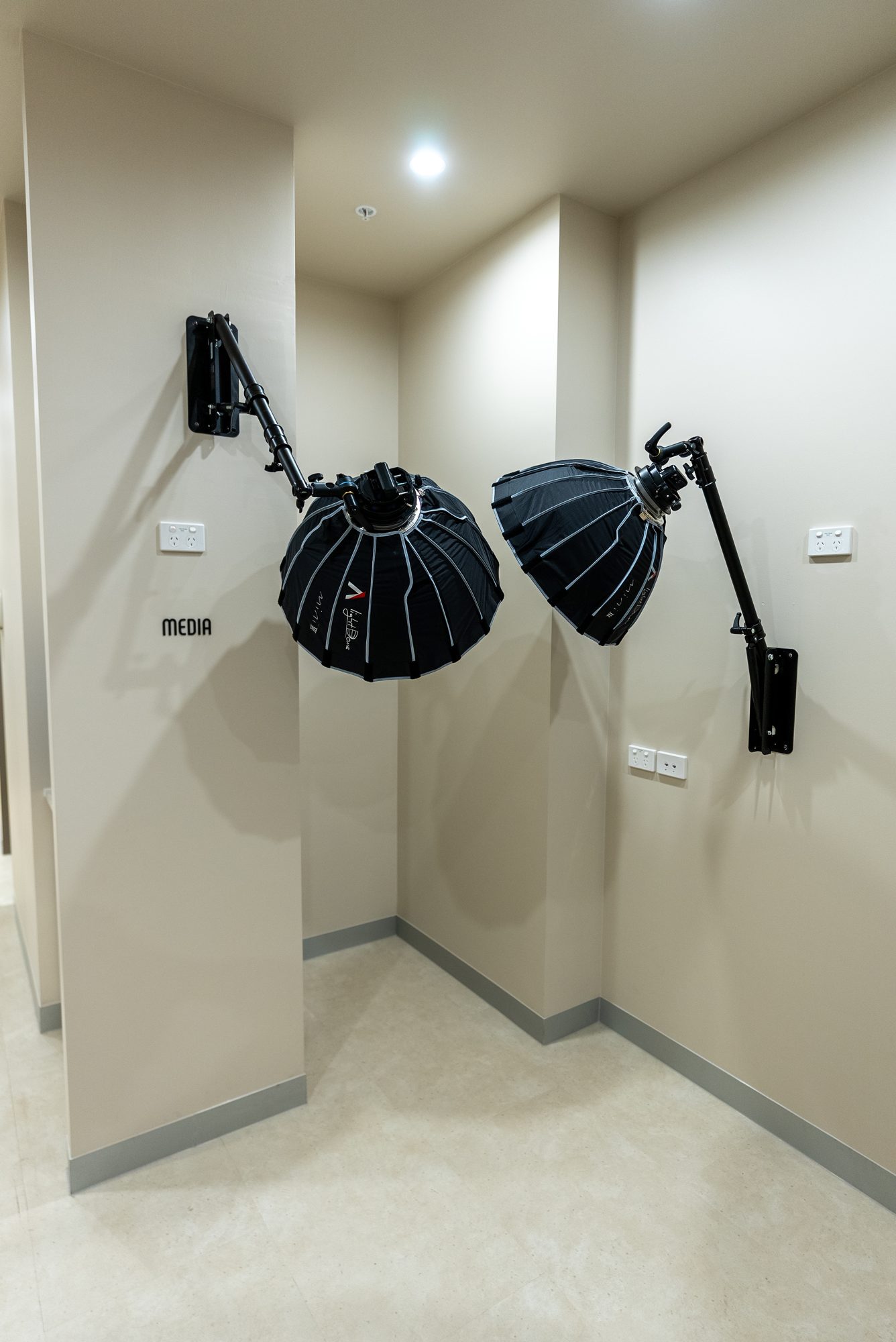
Epilepsy Action's fact sheet explains that photosensitive seizures are triggered by flashing or flickering light or certain patterns, and most often happen when the flash rate is 10 to 25 flashes per second. Brighter, higher-contrast and longer exposure all make a seizure more likely.
The useful news is that the lamp adds little. An umbrella review of 24 systematic reviews on in-office whitening found that light activation generally did not improve whitening and may increase sensitivity. Our article on whether LED light whitening works explains this in more detail. If you are photosensitive, a session can be run with no whitening lamp at all.
For the overhead light, ask for tinted protective glasses and for the light to be angled away from your eyes. If you meet a flashing light, the fact sheet advises covering one eye with your hand, since closing your eyes alone does not block enough light. Tell the team if anything bothers you, and the session can pause.
Trays at home and the swallowing question
Take-home whitening uses thin custom trays and lower-strength gel. Our guide to custom whitening trays explains how they are made. For people with epilepsy, the questions are what happens if a seizure starts with a tray in, and when to wear them.
If a seizure happens with a tray in
Epilepsy Action Australia's first aid advice is clear: do not put anything in the person's mouth and do not restrain them. That includes reaching in to pull out a tray. Stay with the person, time the seizure, protect the head, and roll them onto their side once it stops, or straight away if there is food, fluid or vomit in the mouth. Its guidance says to call an ambulance if you are in any doubt, if there is food, fluid or vomit in the mouth, or if the seizure lasts longer than 5 minutes. The tray can be taken out once the person has recovered.
A close-fitting tray sits snugly over the teeth, and only a thin line of gel is used. If some gel is swallowed, our article on swallowed whitening gel explains what usually happens.
Daytime wear rather than overnight wear
Some tray systems are worn overnight. If your seizures happen in sleep or soon after waking, daytime wear while you are awake and upright is usually the more sensible choice, ideally when someone else is at home. Avoid wearing trays when you are overtired, since lack of sleep is a common trigger.

Gum overgrowth and why gums come first
Some anti-seizure medicines, phenytoin being the best known, can cause the gums to thicken and grow over the teeth, especially where plaque builds up. Our article on epilepsy medicines and gum overgrowth covers which medicines are involved and how it is treated.
For whitening, overgrown gum causes three practical problems. Peroxide stings on inflamed gum. Trays do not seat properly over enlarged tissue, so gel leaks onto the gums. And gum that covers part of a tooth hides it from the gel, which can leave an uneven band once the gum settles. That is why the gums are cleaned and brought under control first, with whitening afterwards. Our guide to whitening with gum disease explains the waiting period.
Never stop or change an anti-seizure medicine because of your gums or your whitening plans. Where overgrowth is significant, the team at Lumi Dental can write to your neurologist or GP so the medical and dental sides are considered together.
Chipped or repaired front teeth
Seizures with jaw clenching or falls can chip front teeth, and some people with epilepsy have bonding or fillings on them as a result. Peroxide lightens natural tooth, not tooth-coloured filling material, crowns or veneers. After whitening, an older repair may look darker than the teeth around it.
The usual approach is to whiten first, let the shade settle, and then repair or replace any front bonding to match. If a tooth is chipped now, it is assessed before whitening starts. More on repairs is on our composite bonding page.
Session length and booking at the right time
An in-chair session involves lying back with the lips held apart for a fair stretch of time. I usually suggest booking at the time of day when your seizures are least likely, and avoiding early starts if seizures cluster after waking. Short breaks sitting upright between gel cycles are fine.
How we approach this at Lumi Dental
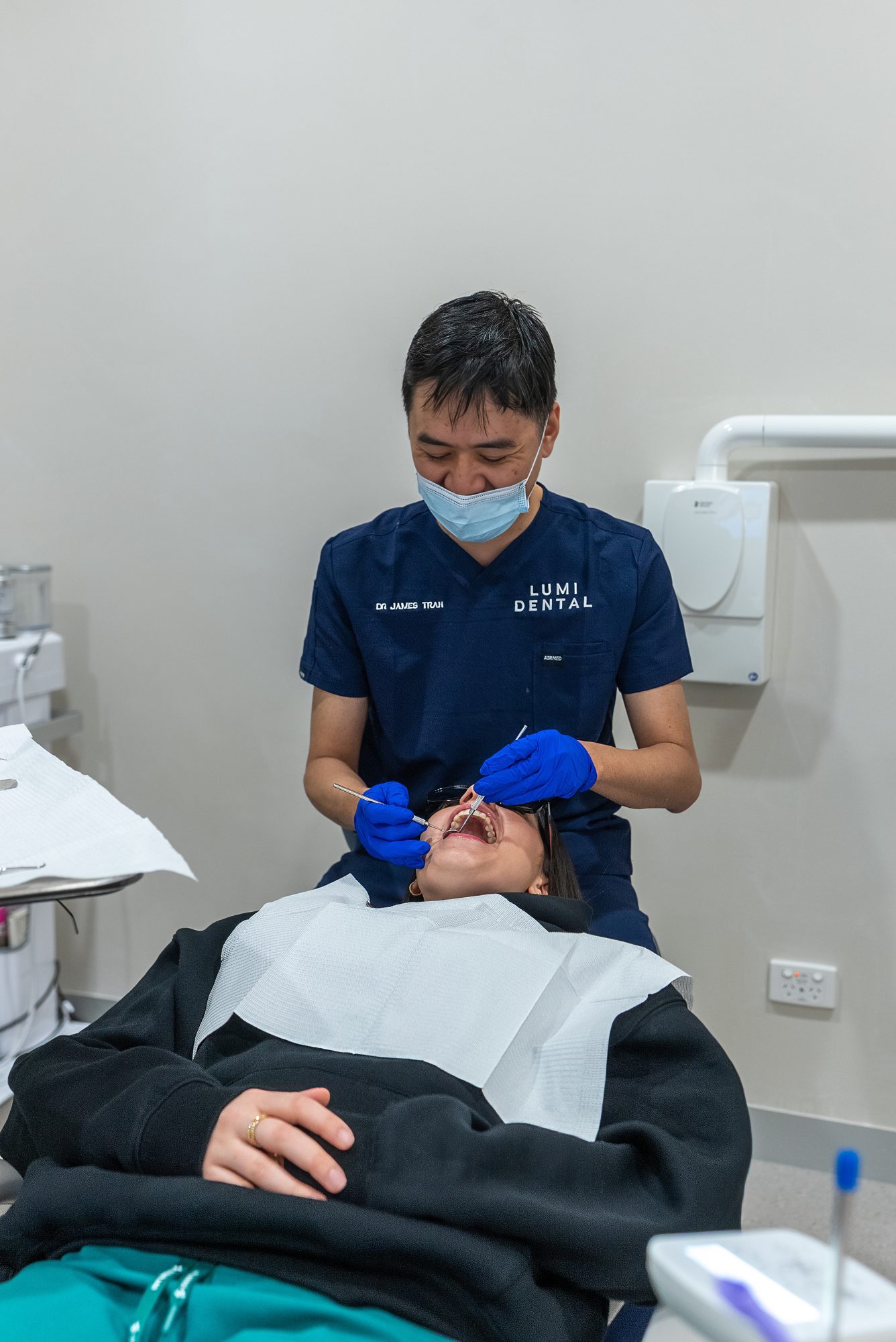
At Lumi Dental, whitening starts with an examination by a dentist, who checks the teeth for decay, chips and existing fillings, and looks closely at the gums for overgrowth or inflammation. The dentist asks about your seizure type, triggers, first aid plan and medicines. Where gums need attention, an oral health therapist (OHT) usually cleans and settles them first. The whitening options are named Lumi Home, Lumi Refresh and Lumi Radiance, and the dentist will explain which may suit your seizure pattern. You can read more on the teeth whitening page.
Questions patients ask
Can I get my teeth whitened if I have epilepsy?
Usually yes, if your seizures are well controlled. The dentist checks your teeth and gums first and plans the visit around your seizure type and triggers. Sessions are postponed after a recent seizure or while medicines are being changed.
Can the teeth whitening light trigger a seizure?
Photosensitive seizures are mainly triggered by flashing or flickering light, and only a small number of people with epilepsy are photosensitive. Even so, whitening does not need a lamp, so it can be left out. Tinted glasses help with the overhead light.
Is it safe to wear whitening trays if I have seizures?
For many people, yes, with sensible precautions. Trays are worn while awake, often in the daytime, and nobody should reach into your mouth during a seizure. Our article on epilepsy and dental care covers other safety points.
Will whitening work if my gums have grown over my teeth?
Not well until the gums are treated. Overgrown gum stings with peroxide, stops trays fitting and hides part of the tooth. Gum care comes first, then whitening.
Will my bonded front tooth whiten too?
No. Bonding, fillings, crowns and veneers keep their colour. Teeth are usually whitened first and the bonding is matched afterwards.
Thinking about whitening? Complimentary cosmetic consult in Melrose Park
If you have epilepsy and would like a brighter smile, the team at Lumi Dental can check your teeth and gums, talk through your seizure pattern and triggers, and suggest whether trays or an in-chair visit may suit you. Book a complimentary cosmetic consult at Melrose Central in Melrose Park, or read about teeth whitening options at Lumi Dental. Patients visit from Ryde, Parramatta, Ermington and Rydalmere, with on-site parking.
Sources
- Epilepsy Action Australia: First aid
- Epilepsy Action Australia: Seizure triggers
- Epilepsy Action Australia: Photosensitive epilepsy fact sheet
- PMC (The Saudi Dental Journal): In-office tooth bleaching protocols, an umbrella review of systematic reviews and meta-analyses on whitening efficacy and tooth sensitivity
About the author

Dr James Tran is a general dentist at Lumi Dental in Melrose Park. He holds a BDent from the University of Sydney and a Graduate Diploma in Oral Implants, and is a Member of the International Congress of Oral Implantologists (MICOI).
This article is general information only and is not a substitute for an examination and individual advice from a registered dental practitioner. Suitability for any treatment varies from person to person.







