
Teeth look yellower with age mainly because the dentine inside the tooth keeps thickening and darkening over the years, while the enamel covering it gets thinner and more transparent.
That is a narrower question than why teeth stain. Our general guide to yellow teeth and the ways they can be whitened runs through the full list of causes and the options available. This article does something different. It looks only at the ageing mechanism: what changes inside a tooth decade by decade, what you actually notice in the mirror, and which of those changes whitening can and cannot address.
It also covers one finding that is not ageing at all: a single tooth darker than its neighbours, which sits in a different clinical category and needs an examination rather than a shade guide.
Key takeaways
- Tooth colour is driven mostly by dentine. Enamel is fairly translucent, so it shows the colour underneath rather than creating it.
- Secondary dentine is laid down through life on the inner surface, so the body of the tooth becomes warmer and deeper in tone over decades.
- The change is measurable, not imagined. Forensic age-estimation work uses it because teeth reliably increase in chroma and decrease in lightness as people get older.
- Enamel thinning, craze lines and translucent biting edges are separate changes that each alter how light leaves the tooth.
- Age by itself does not appear to make whitening less effective. A randomised trial published in Heliyon comparing adolescents, young adults and people over fifty found comparable results with at-home carbamide peroxide.
- One tooth darker than the rest is not ageing. It may follow an old knock, and it can appear anywhere from one to twenty years later, so it warrants radiographs and pulp testing.
Colour comes from the dentine, not the enamel
Most people assume the outside of the tooth holds the colour. It does not. Work published in the Journal of Dentistry on the influence of dentine colour and enamel on tooth colour shows that the optical properties of the dentine underneath drive what an observer sees. Enamel is relatively translucent. It behaves more like frosted glass over a coloured card than like paint.
That single fact explains most of what follows. If the card underneath deepens in colour, the tooth reads warmer. If the glass over it thins, more of the card shows through. Both happen with age.
Secondary dentine, the main reason teeth look yellower with age
Dentine is not a fixed layer. The cells lining the pulp keep adding new dentine to the inner surface for as long as the tooth is alive. This secondary dentine is denser and darker than the primary dentine laid down while the tooth was forming, so the body of the tooth gradually becomes a deeper, warmer colour.
A change you can actually measure
Forensic scientists use this to estimate age from teeth, which tells you how consistent it is. Research on objective shade measurement in age estimation reports that with increasing age teeth measurably increase in chroma, meaning a more saturated yellow, and decrease in lightness. Patients often tell me they think they are imagining the change. They typically are not. It is one of the more predictable things a tooth does.
Why the pulp chamber shrinks
Viewed from the inside, the same process looks like the pulp cavity getting smaller. Studies of secondary dentine deposition in central incisors describe a steady reduction in pulp cavity volume across adult life. Less pulp space means more dentine, and more dentine means a warmer tooth. It is one change described from two directions.
What ageing does to enamel
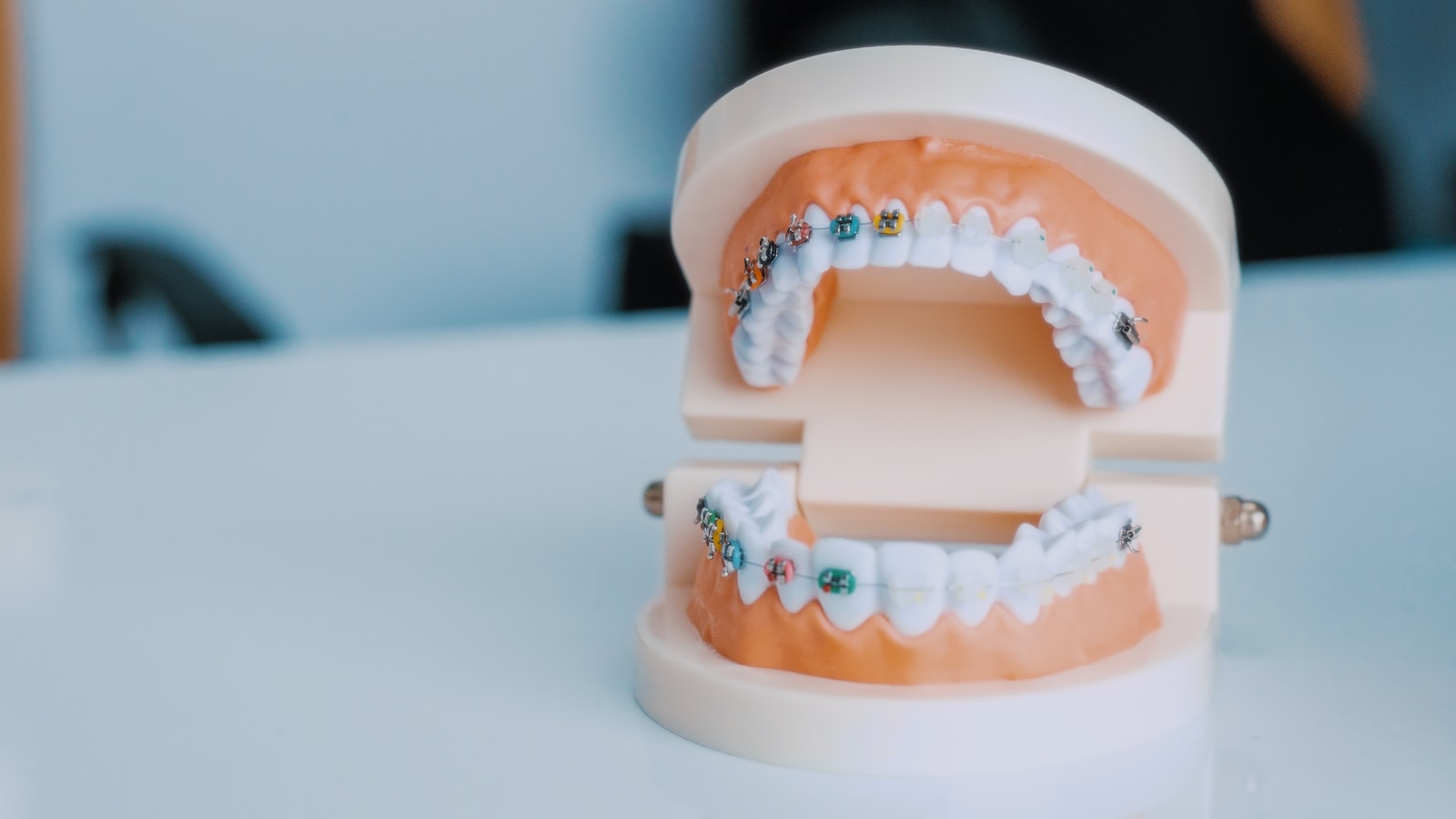
Enamel changes too, and not only by wearing away. Comparisons of enamel from people aged eighteen to thirty with enamel from people aged fifty-five and over show reduced protein content in the matrix between the enamel rods, increased mineral density, greater hardness, lower permeability and reduced fatigue toughness.
Harder, but more brittle
Older enamel is in some ways a tougher material and in other ways a more fragile one. It resists scratching well and tolerates repeated flexing less well. Combined with a lifetime of chewing, grinding and acidic food and drink, the layer gets thinner in the places that take the most load. Where enamel thins, more of the darkening dentine underneath shows through, which is the second half of the ageing mechanism.
Worth saying plainly: enamel does not grow back. There is also no reliable figure for how fast it thins per decade. Rates are highly individual and are driven far more by diet, reflux, grinding and how the teeth meet than by the number of birthdays. If you want the detail on how those forces differ from each other, our article on attrition, erosion and abrasion separates them out.
Craze lines, the fine cracks that catch the light
Craze lines, formally called enamel infractions, are cracks that stay within the enamel with no loss of tooth structure. They are usually painless, they are not disease, and they become more common with age. One cross-sectional study of adults reported craze lines in 50.7 per cent of the people examined, significantly more often in those aged twenty and over than in those under twenty.
They matter here because they scatter light. A tooth with fine vertical lines running through the enamel reflects light unevenly, and the effect is most visible on upper front teeth where people look hardest. Patients often describe them as cracks and worry the tooth is about to break. Usually it is not, but they are worth pointing out at a check-up so someone can tell you which lines are craze lines and which are not.
Grey edges and a yellow body are two different changes
This is the distinction almost nobody makes, and it matters because the two complaints have different answers.
The body of the tooth going warmer is the dentine change described above. The biting edges going grey or see-through is something else. As enamel wears at the incisal third, the remaining enamel there is thin and unsupported by dentine, so it transmits light rather than reflecting it. The edge reads grey or glassy. By contrast, the body of the tooth then looks even yellower than it is.
Because so much of this is about how light behaves, the same tooth can look different depending on where you are standing. We cover that in our pieces on why teeth look different in photos and why teeth look different in the mirror. If your teeth only look yellow under one light, the light is the likelier culprit.
Surface stain still counts, and it counts for more later
None of the above means stain is irrelevant. Tea, coffee, red wine and smoking still deposit chromogens on the surface, and rough or worn areas hold them more readily. The important age-related twist is that exposed dentine is far more permeable to those chromogens than intact enamel. Once wear, erosion or gum recession exposes dentine, staining accumulates faster and sits deeper.
That is also why root surfaces near the gum line often look darker than the rest of the tooth in older adults. Exposed root surface is a different material with different properties, and it carries its own risks beyond colour, which we cover in our article on root decay in older adults.
What is actually changing, and what it does to how the tooth looks
| What changes | Where in the tooth | What you notice | Typically gradual or sudden | Does whitening usually address it |
|---|---|---|---|---|
| Secondary dentine laid down over years | Inner layer, around the pulp | Whole tooth reads warmer and deeper in colour | Gradual over decades | Often responds, results vary |
| Enamel thinning and wear | Outer layer, biting surfaces | More of the dentine tone shows through | Gradual, faster with erosion or grinding | Partly, and the cause needs managing |
| Incisal translucency | Biting edges of the front teeth | Edges look grey or see-through | Gradual | Not usually, this is a shape and thickness issue |
| Extrinsic stain build-up | Surface, and into exposed dentine | Patchy or overall dulling, worse on rough areas | Builds over months to years | Often responds well, alongside professional cleaning |
| Craze lines within the enamel | Enamel only | Fine vertical lines catching the light | Accumulate with age, usually painless | No, this is a light-scattering effect |
| One tooth darker than its neighbours | Pulp and dentine of that single tooth | One tooth grey, yellow or dark | Can appear years after an old knock | Needs assessment first, external whitening alone is not the answer |
When one tooth is darker than the rest
Everything above is generalised and symmetrical. A single dark tooth is neither, and it belongs in a different conversation.
Why an old knock can surface years later
After trauma, bleeding inside the pulp releases breakdown products that enter the dentinal tubules. The tooth may move through pink, then yellow, then grey or almost black as the pulp either lays down calcified tissue and closes off the canal or dies. The interval between the original injury and the colour change can be anywhere from one to twenty years. A tooth can become non-vital with no symptom at all other than looking different.
What an examination looks at
Radiographs and pulp sensibility testing are the starting point, because the treatment depends entirely on whether the pulp is alive. A tooth that has lost vitality typically needs root canal treatment before any internal bleaching is considered. Applying an external whitening gel to a dark non-vital tooth treats the appearance and ignores the reason. If one of your front teeth has changed colour on its own, that is the single strongest reason on this page to have it looked at.
Does whitening work as well on older teeth?
Almost every clinic page online states that older teeth are harder to whiten. The trial evidence does not support it as confidently as those pages suggest.
What the trial evidence shows
A randomised three-arm clinical trial published in Heliyon compared adolescents aged fourteen to eighteen, young adults aged twenty to forty, and patients over fifty, using ten per cent carbamide peroxide at home. It found no difference in whitening efficacy between the age groups. That is the most counter-intuitive fact in this topic and it is worth knowing before you assume you have missed your window.
What still matters is your starting shade and the cause of the discolouration. Intrinsic discolouration, as healthdirect points out, cannot be removed by bleaching alone. A tooth that is dark because the dentine is thick behaves differently from a tooth that is dark because of tetracycline banding or an old restoration.
Satisfaction is not the same as shade
One randomised trial on bleaching and oral-health-related quality of life found the positive impact was less pronounced in older age groups, even where the measured shade change was comparable. The teeth changed similarly; how much people cared differed.
What tends to help, and what to skip
Practical first. Manage the causes of wear and stain, since those are the parts you can influence: acidic drinks, reflux, grinding and smoking. Keep surfaces smooth and clean, because rough surfaces collect stain faster. Have any single-tooth colour change assessed rather than covered up.
Things to skip: charcoal pastes, baking soda scrubbing, lemon juice and oil pulling. Abrasive and acidic home methods work against the exact mechanism described here, because they thin enamel further and expose more dentine. Whitening toothpaste can lift surface stain, but it does not change the intrinsic colour of the tooth.
On products bought online, the Australian Dental Association's position is that gels above six per cent hydrogen peroxide may only be used by registered dental practitioners, and that a dental practitioner is the person placed to diagnose the cause of discolouration and advise whether whitening is likely to do anything at all.
Common questions
Why are my teeth getting more yellow as I get older?
Two changes happen together. The dentine inside thickens and darkens as secondary dentine is laid down, and the enamel over it thins and becomes more transparent, so more of that darker layer shows through. Surface stain builds on top.
Can yellow teeth from age be whitened?
Often, yes, and the trial evidence does not show that age reduces how well whitening works. Results vary with your starting shade and with the cause of the discolouration. Intrinsic discolouration from other sources may not respond to bleaching alone, which is why the cause is worth establishing first.
Is it normal for teeth to look see-through at the bottom?
Translucent biting edges are common and become more noticeable with age as the enamel there thins. It is a thickness and shape change rather than a colour change, so whitening does not usually alter it. If the edges are chipping or shortening, the wear is worth assessing.
What are the little lines on my front teeth?
They are most likely craze lines, which are cracks confined to the enamel with no loss of tooth structure. They are usually painless and they become more common with age. They catch the light, which is why they are noticeable. A dentist can confirm whether a line is a craze line or a crack that involves more of the tooth.
Why is one of my front teeth darker than the others?
A single darker tooth is not an ageing change. It commonly follows a knock, sometimes years earlier, and can mean the pulp has calcified or lost vitality. Radiographs and pulp testing establish what is going on. Worth booking for rather than watching.
Talk to someone before you choose a product
If your teeth have gradually warmed over the years, that is a normal and well-described change. If one tooth has changed on its own, have it examined. The team at Lumi Dental in Melrose Park can assess the cause of a colour change, take radiographs where indicated, and talk through the options, including professionally supervised whitening. You can see what is currently available for new patients on our current offers page.
This article is general information only and is not a substitute for an examination. Everyone's teeth, medical history and reasons for discolouration differ, so please speak with a dental practitioner about your own situation.