
Crowded lower front teeth in adults are common, and in most cases they reflect a slow change in tooth position over many years rather than anything you did wrong. The lower front teeth are small, sit on a narrow curve of bone and have the tongue pushing out on one side and the lips and cheeks pressing in on the other, so they are often the first to overlap. Healthdirect notes that orthodontic treatment commonly takes 18 months or longer, which is worth knowing before you decide how much the crowding bothers you. This guide covers why the lower front teeth crowd, when it matters for gum health, and the options from simply monitoring to aligners.
By Dr James Tran, general dentist at Lumi Dental, Melrose Park. BDent (University of Sydney), Graduate Diploma in Oral Implants.
The short version
- Lower front crowding often develops gradually, and several things may contribute at once: jaw size, tooth size, old orthodontic work and the way bone and gums change with age.
- Crowded teeth can trap plaque and make home cleaning harder, so the gums around them deserve closer attention. See our guide to how to straighten crooked teeth for the wider picture.
- If you had braces and a retainer fell out of use, shifting may be a part of the story. Retainers are not a guarantee against movement, but they can help hold teeth where they are.
- Wisdom teeth are sometimes blamed, though research has not shown them to be a reliable cause.
- Options range from monitoring and better cleaning, through clear aligners or braces, to a referral to a registered orthodontist for complex cases.
- A proper assessment looks at the teeth, the gums, the bite and the bone before anyone suggests a plan.
Why the lower front teeth crowd
The lower incisors are the narrowest teeth in the mouth, and the arch they sit in has little spare room. A small mismatch between tooth width and available bone shows up here first. In my experience, patients often tell me the lower teeth were "fine" in their twenties and have crept together since, which fits what we see on examination: a slight overlap, one tooth turned, or two teeth sitting slightly in front of the others.
Several explanations are discussed in the literature, and they may overlap in any one person.
Jaw and tooth size
If the teeth are a little wide for the jaw, something has to give. Some people are born with this mismatch and it is visible from the teen years. Others show only mild irregularity at first, which becomes more obvious later.
Gradual drift with age
Teeth are not fixed in stone. Pressure from the lips, tongue and cheeks, along with the forces of chewing, can move them slowly. Many dentists describe a tendency for the lower front teeth to drift forward and crowd over time, though the mechanism is still debated.
Old orthodontic treatment without lifelong retention
Teeth that were straightened years ago can move back if they are not held. Our article on orthodontic relapse and teeth shifting explains why, and whether teeth can shift without a retainer covers the same issue from the retainer side.
Gum and bone changes
If gum disease has reduced the bone around the teeth, the front teeth can loosen and splay or crowd. This is a reason to have the gums checked, not only the alignment.
Do wisdom teeth push the lower front teeth?
This is one of the most common questions patients ask. The idea that wisdom teeth push the front teeth crooked is popular, but research has not shown it to be a reliable cause of lower front crowding. Late crowding appears in people who have had their wisdom teeth removed as well as those who still have them. Wisdom teeth can still cause their own problems, and whether they should come out depends on the tooth itself. Our article on the wisdom teeth crowding myth goes through the evidence in more detail.
When crowded lower teeth are more than a cosmetic issue
Many adults are happy to leave mild crowding alone, and that can be a reasonable decision. It becomes worth acting on when any of the following apply.
- Plaque builds up between overlapping teeth even though you brush and floss, and your gums bleed in that area.
- One lower tooth sits so far forward or back that the gum around it looks thin or receded.
- Floss shreds or catches, or food packs in the same spot every day.
- The crowding is changing noticeably over months, rather than staying the same.
Crowding does not cause gum disease by itself. Gum disease is driven by plaque and the body's response to it. But overlapping teeth make plaque harder to remove, and a dentist or oral health therapist can show you how to clean those areas.
Options for crowded lower front teeth
The right option depends on how much crowding there is, how healthy the gums and bone are, and what you want. The table below is a general guide only.
| Option | What it involves | May suit | Points to weigh |
|---|---|---|---|
| Monitor and clean | Regular check ups, closer attention to hygiene, photos or scans to track change | Mild, stable crowding with healthy gums | Does not change tooth position |
| Clear aligners | A series of removable trays, sometimes with small attachments and minor reshaping between teeth | Mild to moderate crowding where the bite is otherwise suitable | Needs daily wear, and a retainer is needed afterwards |
| Fixed braces | Brackets and wires bonded to the teeth | More complex crowding or bite problems | Cleaning takes more effort during treatment |
| Specialist orthodontic referral | Assessment and treatment planning by a registered orthodontist | Marked crowding, jaw discrepancy or previous treatment that did not hold | Fees are set by the specialist |
| Composite bonding or reshaping | Small additions or smoothing to change the look of the edges | Minor irregularity where moving teeth is not wanted | Changes the appearance only, not the position |
Our comparison of braces and aligners for adults sets out how the two main approaches differ, and attachments and IPR explains two terms you are likely to hear if aligners are suggested.
A simple rule for deciding
If the crowding is mild, stable and your gums are healthy, you can reasonably do nothing and keep it under review. If it is getting worse, trapping plaque or bothering you, get an assessment before it progresses. That single question, whether it is changing, is often more useful than how it looks on any given day.
Retainers and keeping the result
Any treatment that moves teeth needs a plan to hold them afterwards. Retainers may be fixed to the back of the lower front teeth or removable, and each type has trade offs, which we cover in fixed versus removable retainers. Many orthodontic providers advise wearing retainers long term, and the NHS notes that a retainer is what stops teeth moving back towards their original position.
Who treats it: a general dentist or an orthodontist?
Both can play a role. A general dentist can assess the gums, check the bite, arrange records and, where it suits the case, provide clear aligners. Orthodontists are registered specialists with additional years of training, and the Dental Board of Australia states that only registered specialists may use the specialist title. Healthdirect also notes that you do not need a referral to see one. Where a case is complex, such as significant crowding, a jaw discrepancy or previous treatment that did not hold, referral to a registered orthodontist is usually the better path. Our article on orthodontist versus general dentist for braces and aligners explains the difference.
How we approach this at Lumi Dental
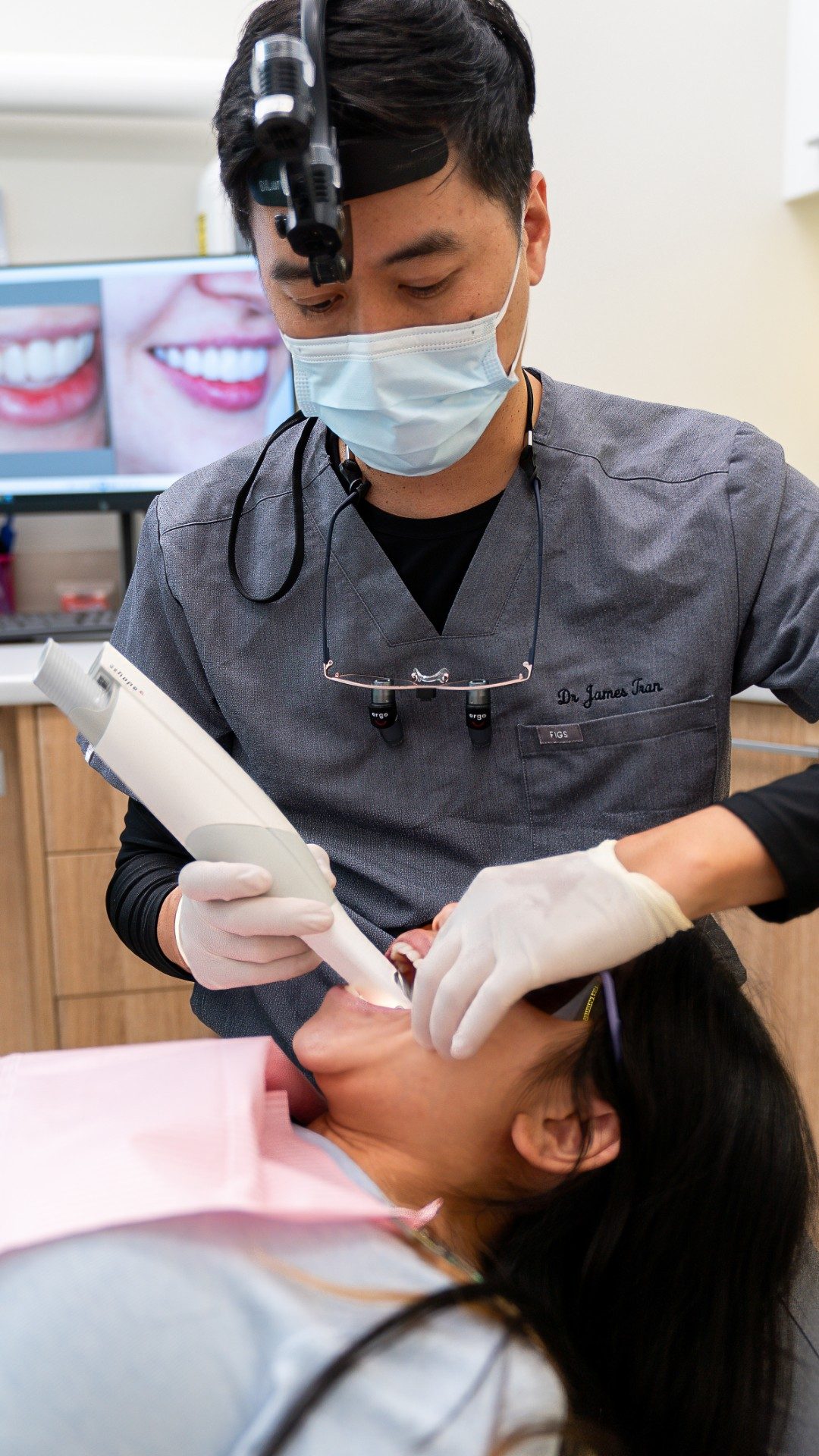
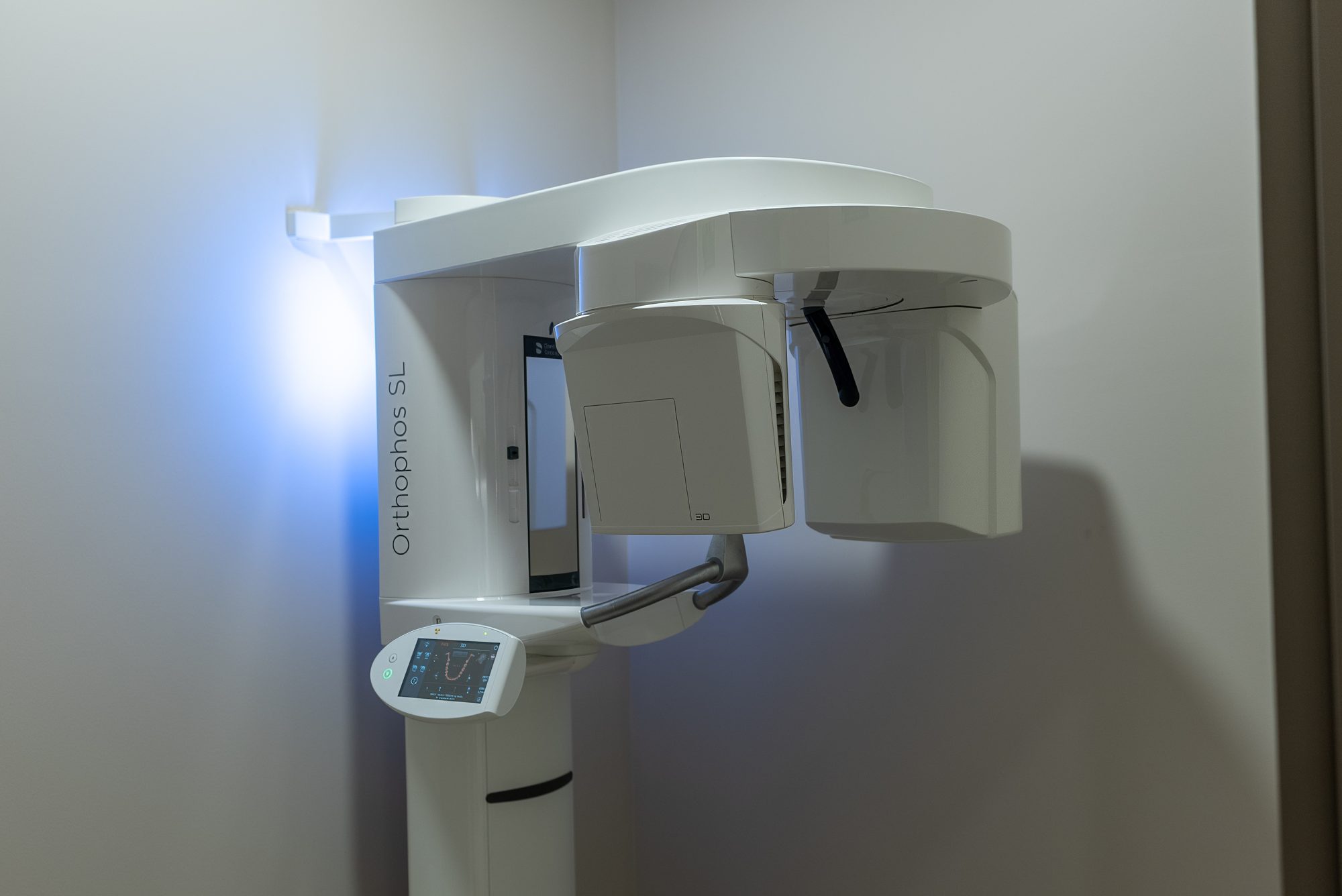
The team at Lumi Dental is a general and cosmetic practice at Melrose Central in Melrose Park. For crowding, the first visit is an examination of the teeth, gums and bite, and we may use the in-house 3D intraoral scanner and photographs to record where the teeth are today, so any change can be tracked later. Lumi Dental offers clear aligners where the case suits them, and we refer to a registered orthodontist when a case is beyond general dentistry.
Questions patients ask
Why are my lower front teeth getting more crowded as an adult?
Slow movement of the teeth is common, and it is usually a mix of factors such as jaw and tooth size, natural drift, old orthodontic work and changes in the gums and bone. A dentist can look for the ones that apply to you.
Is crowding of the lower front teeth bad for my gums?
Crowding does not cause gum disease on its own, but overlapping teeth make plaque harder to remove, so those areas may need more careful cleaning. Persistent bleeding in one spot is worth having checked.
Can I fix crowded lower teeth without braces?
Sometimes. Mild cases may be improved with clear aligners, and minor irregularity at the edges can occasionally be softened with bonding or reshaping. Whether this suits you depends on an examination. You can read about clear aligners and Invisalign for more.
Will my teeth crowd again after treatment?
They may. Teeth tend to move throughout life, which is why retainers are usually recommended after treatment and why some providers advise wearing them long term.
Do I need to see an orthodontist?
Not always. A general dentist can assess many mild to moderate cases, while complex crowding, bite problems or earlier treatment that did not hold usually call for a registered orthodontist. You can ask for either, and adult braces are common.
Book a Check at Lumi Dental
If your lower front teeth are crowding or changing, the team at Lumi Dental in Melrose Park can examine your teeth and gums, talk through whether anything needs to be done and explain your options in writing. See our current deals for consultation options, or read about general dentistry at Lumi Dental. Patients visit from Ryde, Parramatta, Ermington, Rydalmere and nearby suburbs.
Sources
- Healthdirect Australia, Orthodontics
- NHS, Braces and orthodontics
- Dental Board of Australia, Specialist registration
About the author

Dr James Tran is a general dentist at Lumi Dental in Melrose Park. He holds a BDent from the University of Sydney and a Graduate Diploma in Oral Implants, is a member of the International Congress of Oral Implantologists (MICOI) and teaches on a General Dental Residency program. At Lumi Dental he works with patients on everything from routine care to alignment concerns, and refers to registered specialists where a case calls for it.
This article is general information only and does not replace advice from your own dentist or a registered specialist who has examined you.