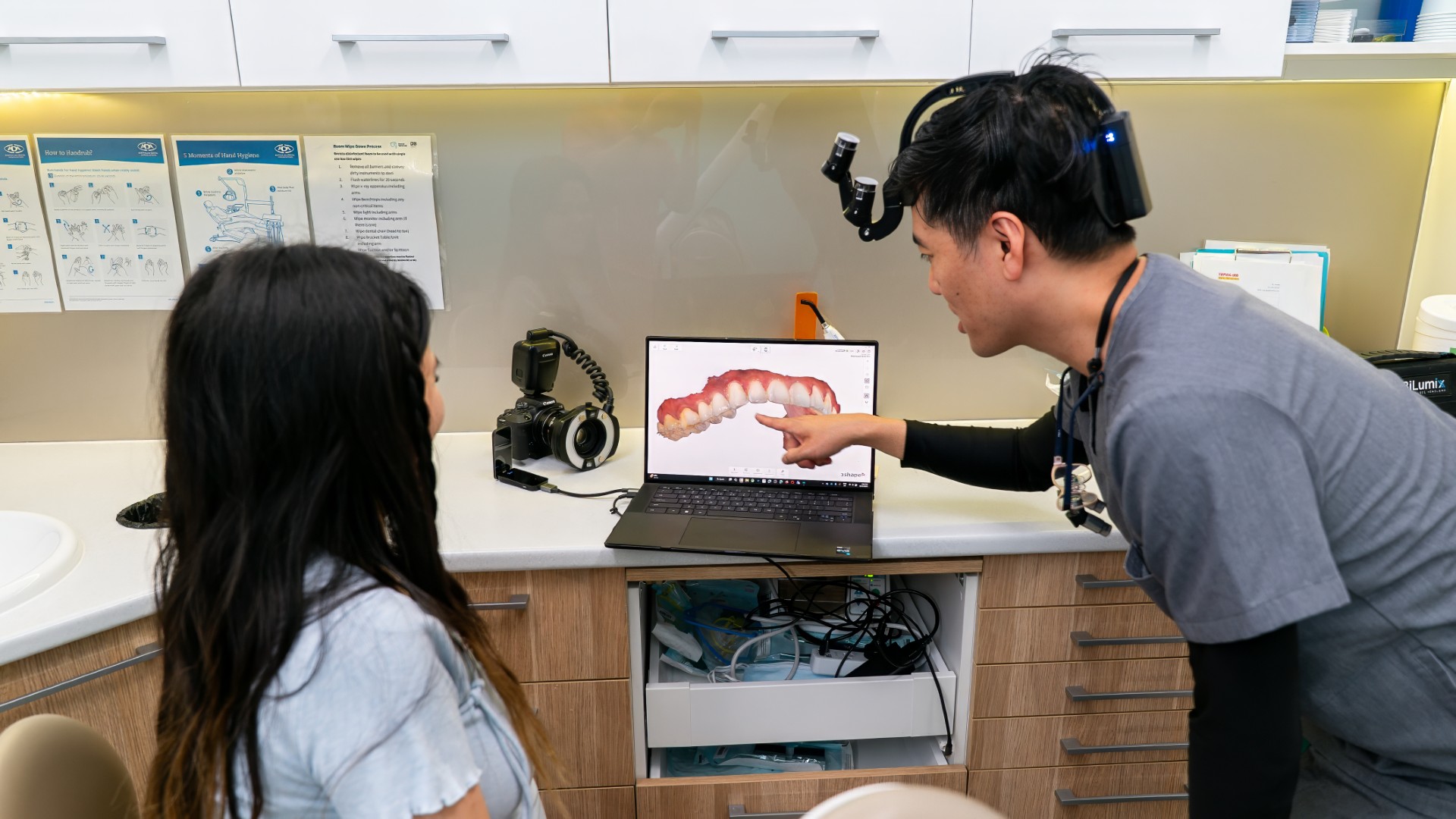
Dental implants can still be a good option for someone with dementia or a family history of it, but the plan should be built around who will clean the teeth in five or ten years, not just how they look and feel today, which usually favours a simple removable design that a carer can take out, clean and adapt later. The Australian Institute of Health and Welfare estimates that around 439,000 Australians are living with dementia, and about two thirds of them live in the community rather than in residential care. For many of them, a family member or carer helps with mouth care, and the dental plan has to fit that.
Written by Dr James Tran, BDent (University of Sydney), MICOI, GradDip (Oral Implants), general dentist at Lumi Dental in Melrose Park.
The short version
- Dementia does not rule out implants. What changes is the design: the simpler it is for someone else to clean, the safer it tends to be over time.
- A lower denture held by two implants on clip-in attachments is often the most practical choice, because a carer can remove it, brush it and the implants, and refit it. Our guide to implant-retained overdentures explains how they work.
- Fixed full-arch bridges feel most like natural teeth but are harder for a carer to clean underneath.
- Plan major dental work early after a diagnosis, while the person can take part in decisions and cope with longer appointments.
- Consent stays with the person while they are able to give it. Where they cannot, it passes to their substitute decision maker, such as an enduring guardian.
How dementia changes mouth care at home
Dementia Australia notes that a person living with dementia may need help to look after their teeth and gums, may forget when and how to brush, may lose interest in dental care or find it tiring, and may no longer be able to wear dentures as the condition progresses. It also points to reduced saliva from medicines, sugar-based medicines and more snacking, which together raise the risk of decay and dry mouth.
Pain is harder to spot. Dementia Australia lists loss of appetite, pulling at the face, refusing to brush, restlessness, disturbed sleep and increased agitation as possible signs of a dental problem in someone who cannot describe it. Patients I see with early memory changes are often still brushing well, so it is easy to plan as if that will last. For the day-to-day routine, our guide to dental care for people with dementia and their carers has practical tips.
The single rule: plan for future cleaning, not just today
If memory loss is present or likely, start with the simplest design that a carer can clean and that can be changed later. A position paper on implant maintenance in older people receiving nursing care makes the same point: it advises predicting how oral hygiene may worsen as illness progresses while the person is still independent enough to understand the plan, and suggests that a prosthesis made for an older patient should favour a shape that is easy to clean over appearance. It also describes converting a fixed implant bridge to a removable denture or overdenture as one way to make cleaning easier when care needs rise.
In my experience the most useful test is simple: if someone else had to brush these teeth, could they do it properly in a few minutes at a bathroom sink?
What the research says about implants and dementia
The evidence is encouraging on comfort and limited on long-term care. A systematic review of 18 studies with 1,457 participants aged 60 and over with mild cognitive impairment or early dementia found better oral health-related quality of life with fixed or implant-retained prostheses than with conventional dentures, and a subgroup analysis suggested the best results with implant-retained overdentures. The same review reported that removable dentures were linked with more discomfort, particularly where dexterity was reduced or caregiver support was poor.
The concern is what happens when cleaning slips. A 12-year study of older patients, aged 65 to 86, with lower dentures held by two implants reported a cumulative implant survival of 94.5 per cent, but peri-implantitis, a gum and bone infection around implants, affected around 15 per cent of implants in about 22 per cent of patients, and was more common in people with a history of gum disease. A study of overdentures in medically compromised patients noted that a caregiver can easily manage hygiene with an overdenture, and described fixed implant bridges as unsuitable for people who cannot manage their own oral hygiene. These are small studies, so they guide the plan rather than settle it.
Comparing the options when care needs may rise
| Option | Carer can clean it? | Can be adapted later? | Main risk if care declines |
|---|---|---|---|
| Conventional full or partial denture | Yes, it comes out | Yes; relines and additions are possible | Loose fit, sore spots, being lost or not worn |
| Two-implant lower overdenture | Yes, denture and implant tops are easy to reach | Yes; attachments can be changed or implants left buried | Gum inflammation around the implant tops if not brushed |
| Bar-retained overdenture (more implants) | Moderate; needs brushing under the bar | Partly | Plaque build-up under the bar |
| Fixed full-arch implant bridge | Hard; cleaning underneath needs skill and good light | Possible but involved; may be converted to a removable design | Peri-implantitis; a dental visit needed to remove it |
| Single implant crowns among natural teeth | Yes, brushed like teeth | Limited | Decay in neighbouring natural teeth |
Our comparison of dentures and All-on-X full-arch implants covers the wider trade-offs, and the article on overdenture attachments explains locator, ball and bar designs.
Sleeping implants and converting attachments if care needs change
One reason overdenture implants suit this situation is that the plan can step down. If a person can no longer tolerate a denture, the attachments can sometimes be removed and the implants covered with gum so they sit quietly in the bone, a step often called sleeping the implants. The nursing care position paper lists removal or sleeping of an implant, and modification of the prosthesis, among the options when infection around an implant does not settle. A fixed bridge can also be converted, but it is a bigger job.
With conventional dentures, the practical risks are loss and breakage. Dementia Australia advises marking dentures with the person's name if they live in residential care, and asking the dentist how long they keep denture moulds so a replacement can be made if needed.
Consent, capacity and the substitute decision maker
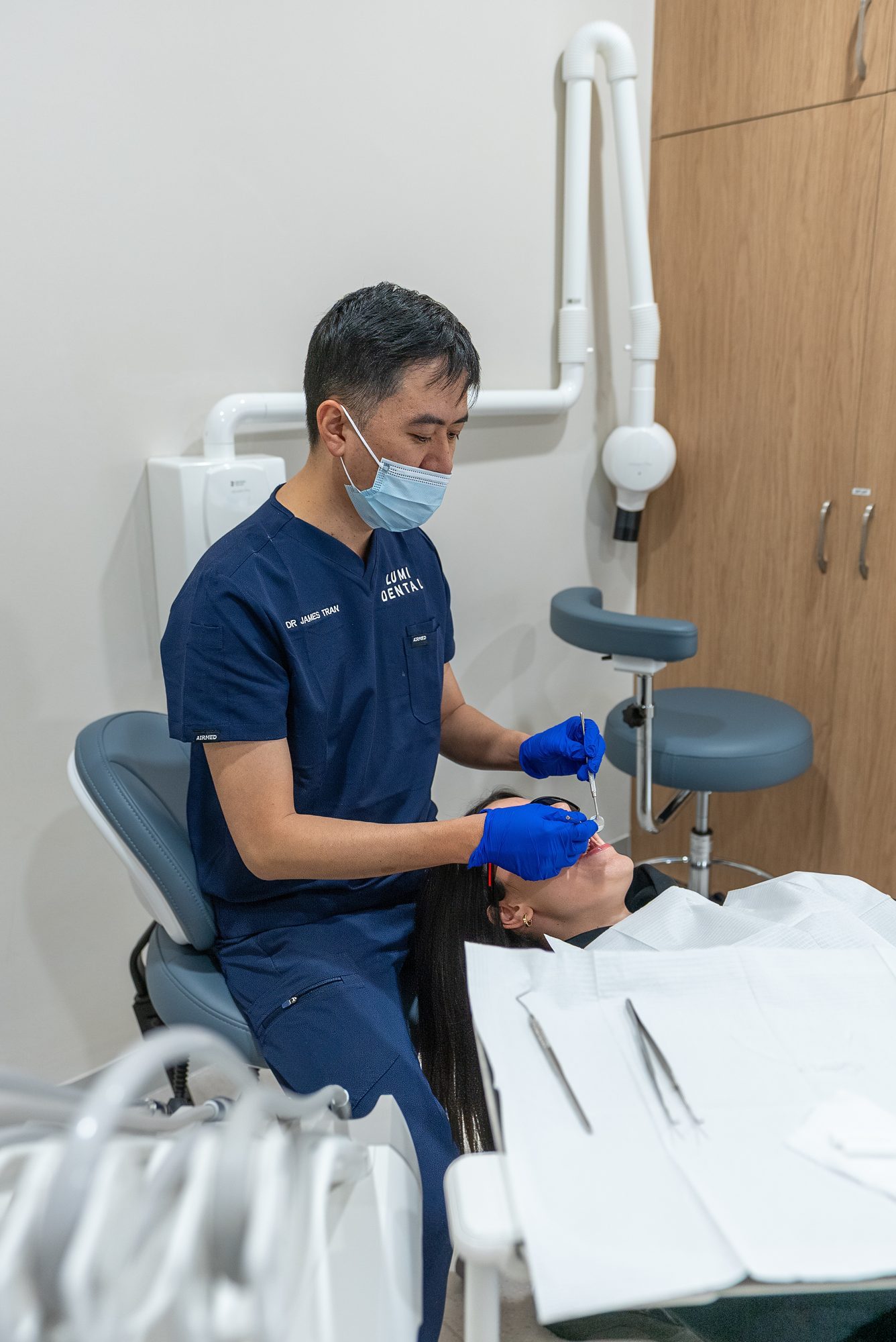
Decisions involve the person first, and many people with early dementia can understand a plan and give their own consent. Where a person cannot decide, decisions pass to their substitute decision maker. In New South Wales, Legal Aid NSW explains that a person can appoint an enduring guardian with the function of consenting to medical or dental treatment, that the appointment only starts if the person becomes unable to make their own decisions, and that someone in the early stages of dementia may still be able to make the appointment if they have capacity at the time. Where capacity is in doubt, it suggests an assessment by a doctor, psychologist or psychiatrist. The dentist does not decide capacity.
This is general information, not legal advice. If a family is unsure who can consent, the GP, Legal Aid NSW or the NSW Trustee and Guardian are the right people to ask.
Timing: plan major dental work early after a diagnosis
Implant treatment involves several visits, some surgery and a period of adjusting to new teeth, which is easier while a person can follow instructions and say what feels wrong. I usually suggest that families tackle the bigger decisions early: removing teeth that are likely to fail, deciding between dentures and implants, and setting up a cleaning routine that a carer can take over. Our article on dental care for older adults covers the regular check-ups that follow.

How we approach this at Lumi Dental
At Lumi Dental in Melrose Park, a dentist examines the mouth, takes an in-house 3D X-ray where implants are being considered, and talks through the options with the person and, with their agreement, the family or carer who helps at home. The team at Lumi Dental writes to your GP or specialist before planning surgery, and the hygiene team (OHTs) can show a carer how to clean an overdenture and its implants. Specialist cases are referred to registered specialists. You can read more about dental implants at Lumi Dental.
Questions patients ask
Can someone with dementia get dental implants?
Yes, many can, particularly in the earlier stages. It depends on general health, coping with treatment and who will clean the implants later.
Are implants or dentures better for elderly people with memory loss?
It depends on the person. A conventional denture needs no surgery, while a lower denture held by two implants is usually more stable and still easy for a carer to remove and clean. Fixed bridges are the hardest to look after if care needs rise.
What happens to dental implants if a person goes into a nursing home?
The implants stay, but someone else will usually need to clean them. Overdentures can be removed and brushed by staff, and if the denture can no longer be worn, the attachments can sometimes be removed and the implants buried. Our article on oral care in residential aged care covers routines there.
Who can consent to dental treatment for a parent with dementia?
The person consents if they are able to. If they cannot, consent comes from their substitute decision maker, such as an enduring guardian appointed with that function.
Can dental work be done under sedation for someone with dementia?
Sometimes, after a medical review. Lumi Dental does not provide general anaesthetic itself and refers where it is needed, though IV sedation is available at the practice. Whether sedation is suitable depends on the person's health and medicines.
Considering an implant? Complimentary implant consult in Melrose Park
If you or a family member are weighing up implants or dentures with memory loss in mind, the team at Lumi Dental in Melrose Park can examine the mouth, explain each option and plan for the years ahead as well as today. Contact Lumi Dental to book a complimentary implant consult, or read about dental implants at the practice. Patients visit from Ryde, Parramatta, Ermington and Rydalmere, with on-site parking at Melrose Central.
Sources
- Australian Institute of Health and Welfare: Dementia in Australia, prevalence of dementia
- Dementia Australia: Dental care
- Maintenance issues of elderly patients requiring nursing care with implant treatments in dental visiting: position paper (PMC)
- Legal Aid NSW: Appointing an enduring guardian
About the author
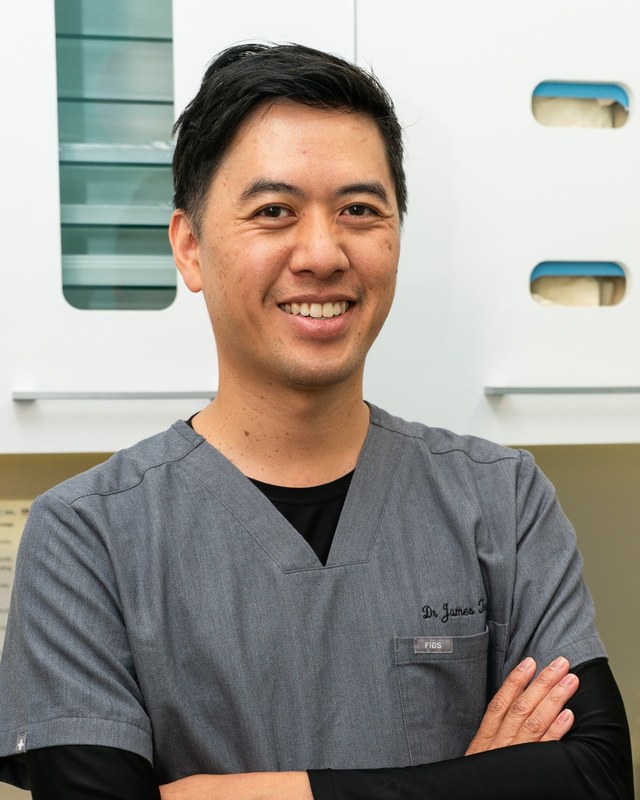
Dr James Tran is a general dentist at Lumi Dental in Melrose Park. He holds a BDent from the University of Sydney and a Graduate Diploma in Oral Implants, and is a Member of the International Congress of Oral Implantologists (MICOI).
This article is general information only and is not a substitute for an examination and individual advice from a registered dental practitioner. Suitability for any treatment varies from person to person.