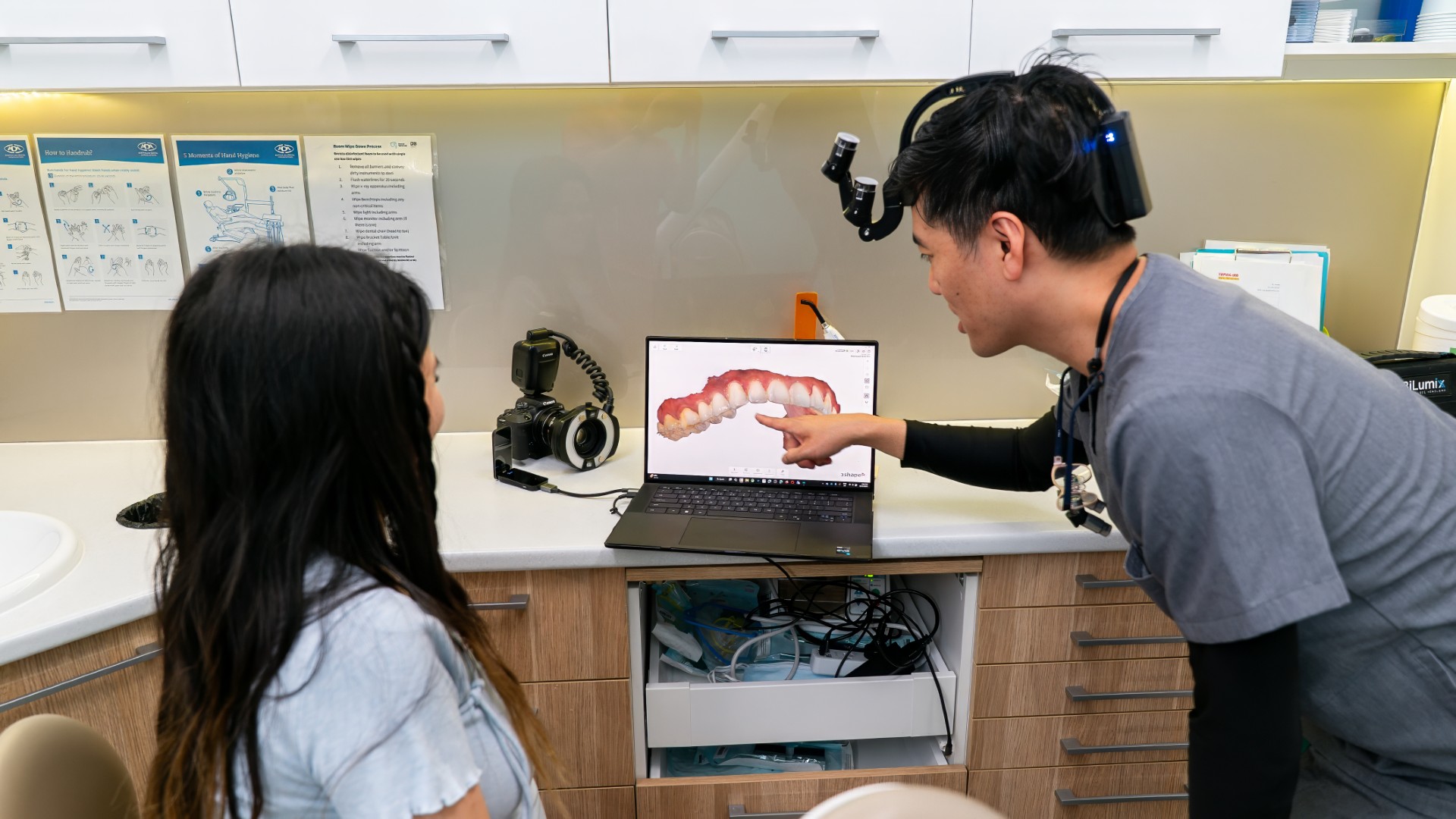
Fatty liver disease on its own rarely stands in the way of dental implants, but cirrhosis changes the plan, because a scarred liver can lower the platelet count and the clotting proteins that control bleeding after surgery. healthdirect reports that about 1 in every 3 Australian adults has fatty liver, usually without symptoms. Planning dental implants with fatty liver disease or cirrhosis starts with how much the liver has been affected.
Written by Dr James Tran, BDent (University of Sydney), MICOI, GradDip (Oral Implants), general dentist at Lumi Dental in Melrose Park.
The short version
- Simple fatty liver with normal liver tests is usually planned like anyone else's implant, with a check on related conditions such as diabetes.
- Cirrhosis from any cause calls for recent blood tests, mainly the platelet count and clotting results, and a word with your liver team before surgery.
- The single rule: the stage of liver disease sets the plan, not the label on the diagnosis.
- Some pain relief, antibiotics, local anaesthetic and sedation medicines are processed by the liver. Your GP or liver team advises on what suits you.
- Research is small, but one study linked cirrhosis with more gum inflammation around implants, so maintenance matters.
- Viral hepatitis is covered in our article on dental implants with HIV or hepatitis B or C; this one is about fatty liver and cirrhosis from other causes.
Fatty liver, MASLD and cirrhosis in plain terms
healthdirect describes fatty liver as fat making up more than 5% of the liver's total weight. It names two main types. The most common is metabolic associated fatty liver disease, which used to be called non-alcoholic fatty liver disease (NAFLD); you may also see it written as MASLD on newer reports. The other is alcohol-related fatty liver disease.
The same page lists the usual contributors: weight around the abdomen, type 2 diabetes or insulin resistance, high blood fats and alcohol, plus less common causes such as some medicines. None of these is a reason to feel judged at the dentist; they are simply part of the history that helps plan surgery safely.
Over time, fatty liver can lead to cirrhosis, which is scarring of the liver. Cirrhosis can also follow viral hepatitis and other conditions. Doctors often call it compensated while the liver is still coping, and decompensated once complications such as fluid build-up appear. That difference matters a great deal for elective surgery.
Why the liver matters for implant surgery
Platelets and portal pressure
A review in Hepatic Medicine: Evidence and Research reports that as many as 84% of people with cirrhosis have a low platelet count (thrombocytopenia). Platelets are held in an enlarged spleen because of raised pressure in the portal vein, and the liver makes less thrombopoietin, the hormone that drives platelet production.
Clotting proteins
The liver makes most clotting factors, so your INR may be raised with cirrhosis even without a blood thinner. The same review reports that for extractions, a raised INR predicted bleeding better than a low platelet count. In one analysis of 1,183 extractions in 318 people with cirrhosis, the bleeding rate was 0.4% when platelets were above 40,000 per microlitre and the INR was below 2.5. If you also take a blood thinner, our article on dental implants and blood thinners explains how that is handled.
Healing and infection
A case report in Cureus on tooth removal in cirrhosis notes that chronic liver disease raises the risk of oral and general infections, and that poor nutrition can slow healing. It also points out that some people with liver disease take bisphosphonates for bone thinning, which affects jaw surgery planning, so mention every bone medicine you take or have taken.
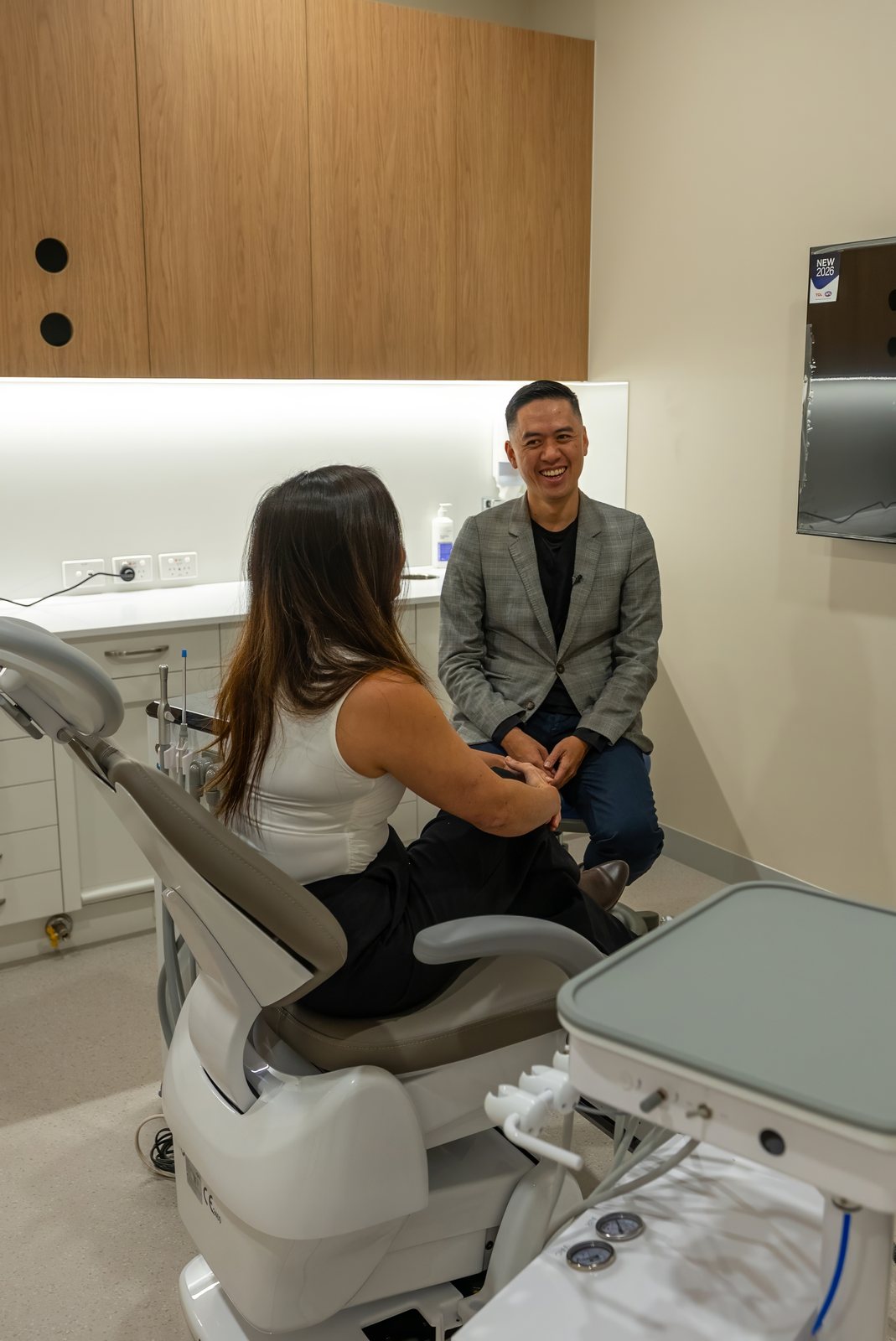
The single rule: the stage of liver disease decides the plan
If you have simple fatty liver and your liver tests are normal, start with the usual implant assessment: an examination, a 3D scan of the bone and a look at your gums. If you have cirrhosis, or have been told your liver is scarred, start with your liver team and a recent blood test, then plan the implant around those results.
In my experience, the second group often arrives worried that an implant is out of the question. Usually it is a matter of timing and preparation, though with advanced disease a removable option may be safer for now.
| Stage of liver disease | What is usually checked before implant surgery | Typical next step |
|---|---|---|
| Fatty liver with normal liver tests | Medicines list, diabetes control, smoking and gum health | Plan as usual with your history on file |
| Fatty liver with raised liver tests | A GP letter on the latest results and whether scarring has been assessed | Plan once the GP has reviewed the cause |
| Compensated cirrhosis | Recent platelet count, INR or prothrombin time, medicines processed by the liver | Liver team input, careful local bleeding control, shorter or staged visits |
| Decompensated cirrhosis or on a transplant list | Advice from the hepatologist or transplant team | Elective implants usually wait; infection control and urgent care come first |
Medicines, pain relief and sedation
The Cureus case report describes the liver as the main site for breaking down many medicines used in dentistry, including local anaesthetics, antibiotics and pain relief. It notes that paracetamol is harmful to the liver at high doses and is used with caution, and that anti-inflammatory medicines such as ibuprofen are avoided because they can worsen gut bleeding in cirrhosis. Our article on hepatitis and dental treatment explains the pain relief reasoning in more detail.
In practice, pain relief after surgery is set with your doctor, not guessed. I usually ask patients with cirrhosis for a printed medicines list and the name of their liver doctor. Never stop, skip or change a prescribed medicine because of a dental plan; that decision belongs to the prescriber.
Many sedatives are also cleared by the liver, so IV sedation needs a medical review first. Lumi Dental does not provide general anaesthetic itself and refers where it is needed, though IV sedation is available at the practice after that review.
Alcohol-related liver disease and surgery
When alcohol has played a part, the conversation is the same as for any other health factor: what matters is the state of the liver now and what will help the implant heal. In the Brazilian study described below, alcohol use was one of the factors linked with gum inflammation around implants, alongside smoking, gum disease and age over 55. If you have cut back or stopped, tell the team, as it can affect timing and medicines. Your GP is the right person to support any change.
Diabetes and fatty liver often travel together
Because type 2 diabetes is among the most common causes of fatty liver, many people have both, and diabetes control affects gum health and healing. Our guide to who is a good implant candidate covers diabetes, smoking and bone in detail, so bring your latest diabetes results along with your liver tests.
What the research says about implants and liver disease
- A case-control study in Clinical Oral Investigations (Costa and colleagues) compared 64 people with cirrhosis and 128 people without liver disease, all with implants in place for more than five years. Peri-implantitis, inflammation that destroys bone around an implant, was found in 29.7% of the cirrhosis group and 18.0% of the others, about 2.5 times the odds. The authors called for larger studies.
- A prospective controlled study from Madrid (Paredes and colleagues) followed 16 liver transplant recipients on long-term immune-suppressing medicines, with 52 implants, for more than eight years on average. All implants survived, and the authors concluded that a liver transplant does not rule out implants, with careful follow-up.
These are small studies. They suggest implants can do well once the liver is stable, and that the gum around them needs the most attention. Our article on peri-implantitis treatment explains the warning signs.

What to bring to your implant consult
- Recent blood results: full blood count, liver function tests and INR or prothrombin time.
- A short letter from your GP or liver specialist if you have cirrhosis or raised liver tests.
- A full medicines list, including pain relief, supplements and bone medicines.
- Any history of easy bruising or long bleeding after cuts or past dental work.
How we approach this at Lumi Dental
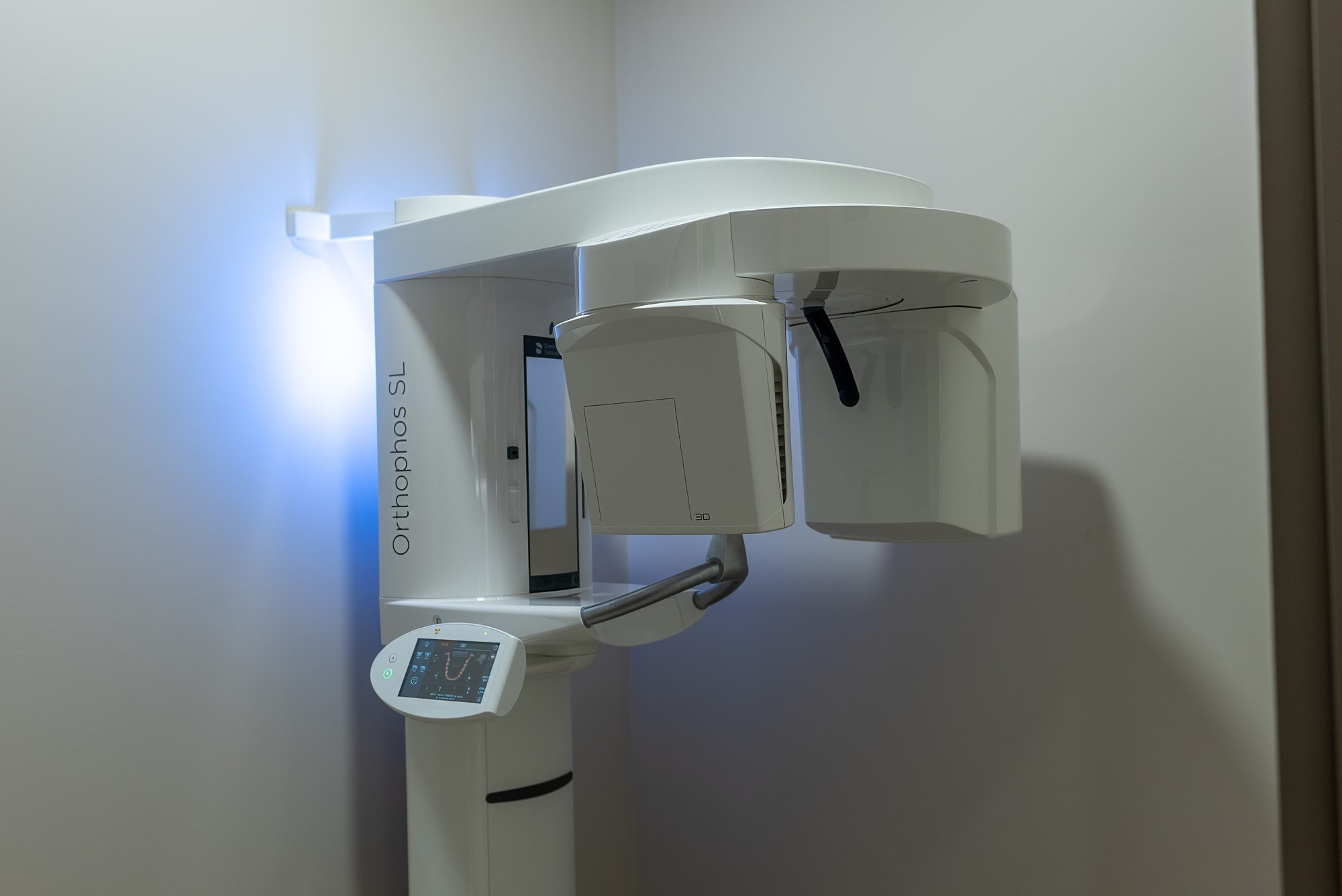
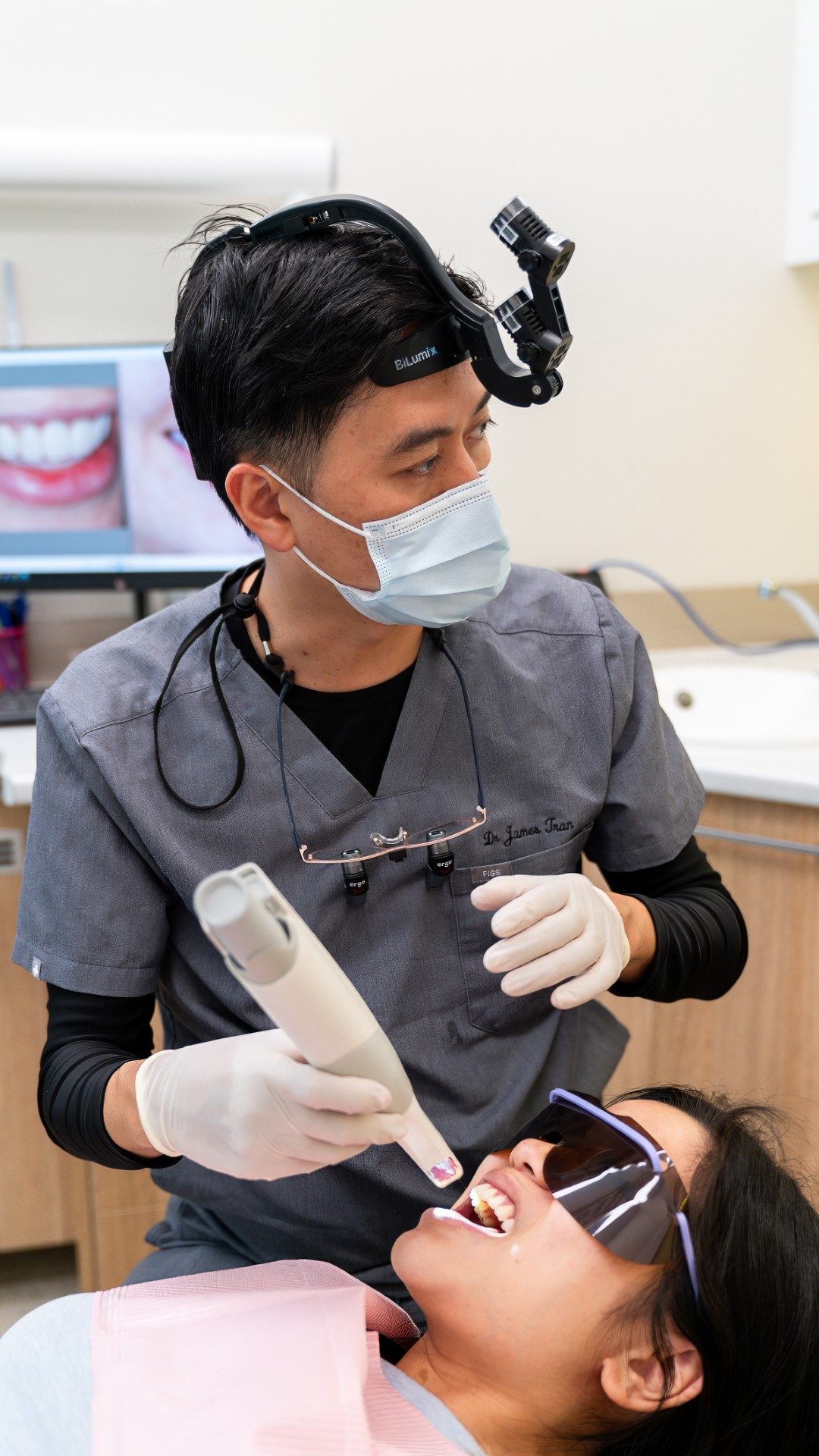
At Lumi Dental in Melrose Park, a dentist reviews your history and medicines, examines your teeth and gums, and takes a 3D X-ray in house. When liver disease is more than mild, the team at Lumi Dental writes to your GP or specialist before planning surgery, then plans bleeding control, pain relief and timing around their advice. The hygiene team supports gum health before and after. Complex cases are referred to a registered specialist. Read more about dental implants at Lumi Dental.
Questions patients ask
Can you get dental implants if you have fatty liver?
Usually, yes. Simple fatty liver with normal liver tests rarely changes implant planning on its own, though the dentist still checks related conditions such as diabetes.
Is it safe to have implant surgery with cirrhosis?
It can be, depending on the stage. Compensated cirrhosis may be suitable once recent platelet and clotting results are reviewed with the liver team; with decompensated cirrhosis, implants usually wait.
What blood tests do I need before implant surgery with liver disease?
Usually a recent platelet count, a clotting test such as the INR and your liver function tests. Your liver team or GP can supply them with a short letter.
What pain relief can I take after implant surgery with liver disease?
That depends on your liver function, so your doctor and dentist agree on it before surgery. Do not add over-the-counter pain relief without checking.
Can I have sedation for implants if I have cirrhosis?
Sometimes, after a medical review, because many sedatives are cleared by the liver. Our guide to IV sedation for dental implant surgery explains the day, and you can read about IV sedation at Lumi Dental.
Considering an implant? Complimentary implant consult in Melrose Park
If you have fatty liver disease or cirrhosis and are missing teeth, the team at Lumi Dental can review your results, examine your mouth and work with your doctors on timing and approach. Contact Lumi Dental to book a complimentary implant consult, or read more about dental implants in Melrose Park. Patients visit from Ryde, Parramatta, Ermington and Rydalmere, with on-site parking at Melrose Central.
Sources
- healthdirect: Fatty liver
- Hepatic Medicine: Evidence and Research: Clinical implications of thrombocytopenia for the cirrhotic patient (PMC)
- Cureus: Management of dental extraction in liver cirrhosis, a case report (PMC)
- Clinical Oral Investigations (Costa FO and colleagues): Association between liver cirrhosis and peri-implant diseases, a case-control study (PubMed)
About the author
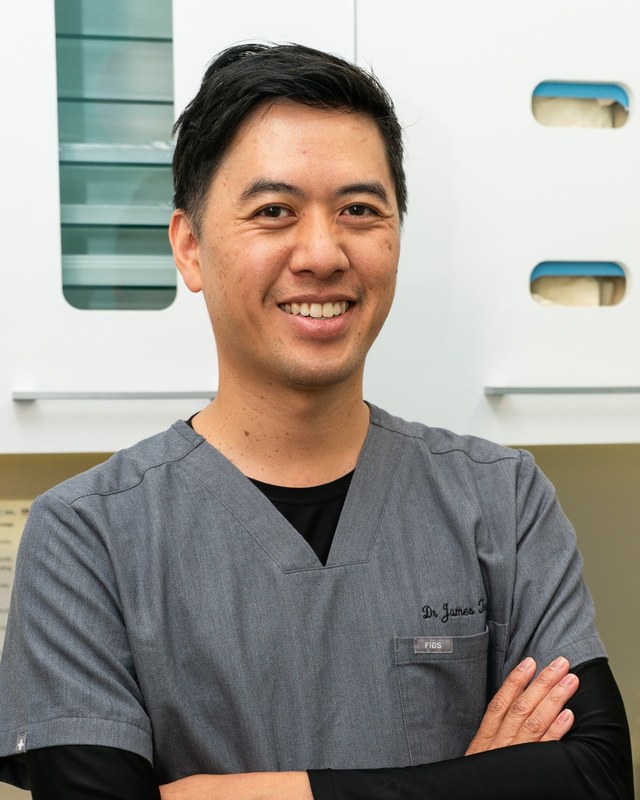
Dr James Tran is a general dentist at Lumi Dental in Melrose Park. He holds a BDent from the University of Sydney and a Graduate Diploma in Oral Implants, and is a Member of the International Congress of Oral Implantologists (MICOI).
This article is general information only and is not a substitute for an examination and individual advice from a registered dental practitioner. Suitability for any treatment varies from person to person.