Living with HIV or hepatitis B or C does not usually rule out dental implants: when HIV is well controlled on treatment and the liver is working well, implant planning looks much like anyone else's. A systematic review of six studies reported a mean implant survival of about 94.8% in people living with HIV. The checks that shape an implant plan are immune status, blood counts, clotting and liver function, not the diagnosis itself.
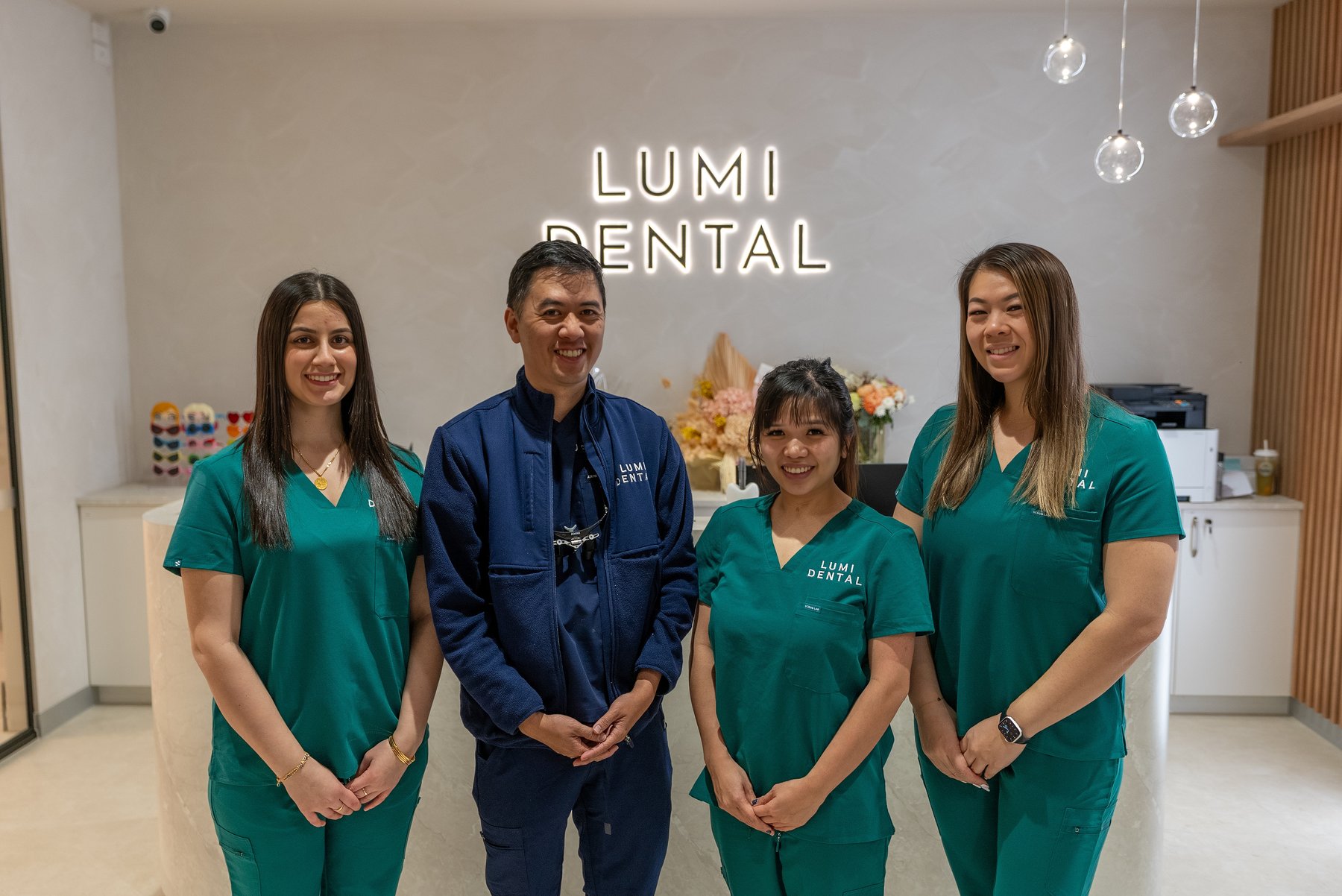
Written by Dr James Tran, BDent (University of Sydney), MICOI, GradDip (Oral Implants), general dentist at Lumi Dental in Melrose Park.
The short version
- Infection control at the dentist is the same for every patient. Telling your dentist changes the clinical plan, not the precautions.
- For HIV, the useful information is your viral load and CD4 results. One study linked a low CD4 percentage, smoking and certain medicines with more implant failures.
- For hepatitis B or C, the liver matters more than the virus: liver function, platelets and clotting shape bleeding, healing and medicine choices.
- The single rule: controlled HIV and a healthy liver, plan as usual; low counts or advanced liver disease, start with your doctor.
- Bring recent blood tests and a full medicines list. Keep taking your medicines as prescribed; your dentist does not adjust them.
- Routine dental care with hepatitis is covered in our article on hepatitis B, hepatitis C and going to the dentist; this one is about implants.
Infection control is the same for every patient
The Australian Dental Association's infection control guidelines describe standard precautions as the minimum practices that apply to all patient care, regardless of suspected or confirmed infection status. Gloves, masks, eye protection, sterilised instruments and cleaning between patients are used for everyone.
The same guidelines state that it is a breach of anti-discrimination laws for a dental practitioner to refuse to treat, or impose extra conditions on, a person living with a bloodborne virus. Your health information is kept confidential, like any other part of your history. The reason to tell your dentist is clinical: planning surgery around your medicines, blood counts and liver.
Why your medical history still matters for an implant
An implant is a small surgical procedure followed by months of healing. Your history can change how that is planned.
Medicines and sedation
Some HIV treatments include a booster medicine such as ritonavir, which slows how the body clears certain other drugs. An Australian modelling study from Flinders University found that ritonavir may prolong the effect of a sedative commonly given through a drip, while judging it unlikely to raise the risk of a serious breathing reaction. If you are considering sedation, your dentist will want your full medicines list and may check the plan with your HIV doctor or pharmacist. Our guide to IV sedation for dental implant surgery explains the day itself.
Bleeding and healing
Advanced liver disease can lower the platelet count and the clotting proteins the liver makes, and immune status affects how gum and bone recover. If you also take a blood thinner, our article on dental implants and blood thinners covers how that is handled.
Dental implants with HIV: what the studies report
The research is reassuring, though most of it comes from small groups of patients.
- A systematic review in the International Journal of Oral and Maxillofacial Surgery (Lemos and colleagues) pooled six studies: 493 implants in 169 people living with HIV, followed for about four years on average. The authors concluded that implants are suitable for people with HIV who have controlled risk factors and normal CD4 counts.
- A record review from the University of Texas compared 484 implants in people with HIV with 805 in people without it. Failure rates were similar overall, but more frequent when the CD4 percentage was 20% or lower, with protease inhibitor medicines and in smokers. Hepatitis C coinfection and viral load were not linked with failure.
A small case series from the University of Barcelona followed nine people with 57 implants for more than six years on average. Almost all implants were still in place, but inflammation of the bone around an implant (peri-implantitis) was found in four of the nine. Those who kept up regular maintenance visits lost less bone, about 1.3 mm against 3.9 mm. In my experience that maintenance finding is the one worth remembering, and our article on dental implant aftercare and maintenance sets out what those visits involve.
The two numbers your HIV doctor can give you
Your viral load shows how well treatment is controlling the virus. Your CD4 count and percentage show how the immune system is holding up. Bring the latest results or a short letter. Dry mouth and gum problems are covered in our article on HIV and oral health.
Hepatitis B and C: the liver sets the plan
Carrying hepatitis B, or having had hepatitis C, is different from having significant liver damage. A review in the International Journal of Implant Dentistry explains that most clotting factors are made in the liver, and that a low platelet count is the most common blood complication of chronic liver disease. The review advises speaking with the patient's doctor before surgery to judge the bleeding risk.
The best data come from extractions rather than implants. A study of 190 extraction visits in people waiting for a liver transplant found unusual bleeding during surgery in about 6% of visits, and every bleeding event was controlled with local measures such as stitches and packing.
Some pain relief, local anaesthetic and sedation medicines are broken down by the liver. With advanced liver disease, your GP or hepatologist advises on what is suitable, and your dentist plans around that advice.
Hepatitis C that has been cured
healthdirect explains that direct-acting antiviral tablets, taken for 8 to 12 weeks, can cure hepatitis C. Once cured, the question for implant planning is whether any liver scarring remained. For hepatitis B, antiviral tablets are often taken daily for a year or more, so include them on your medicines list.
The single rule: check the numbers, then plan the implant
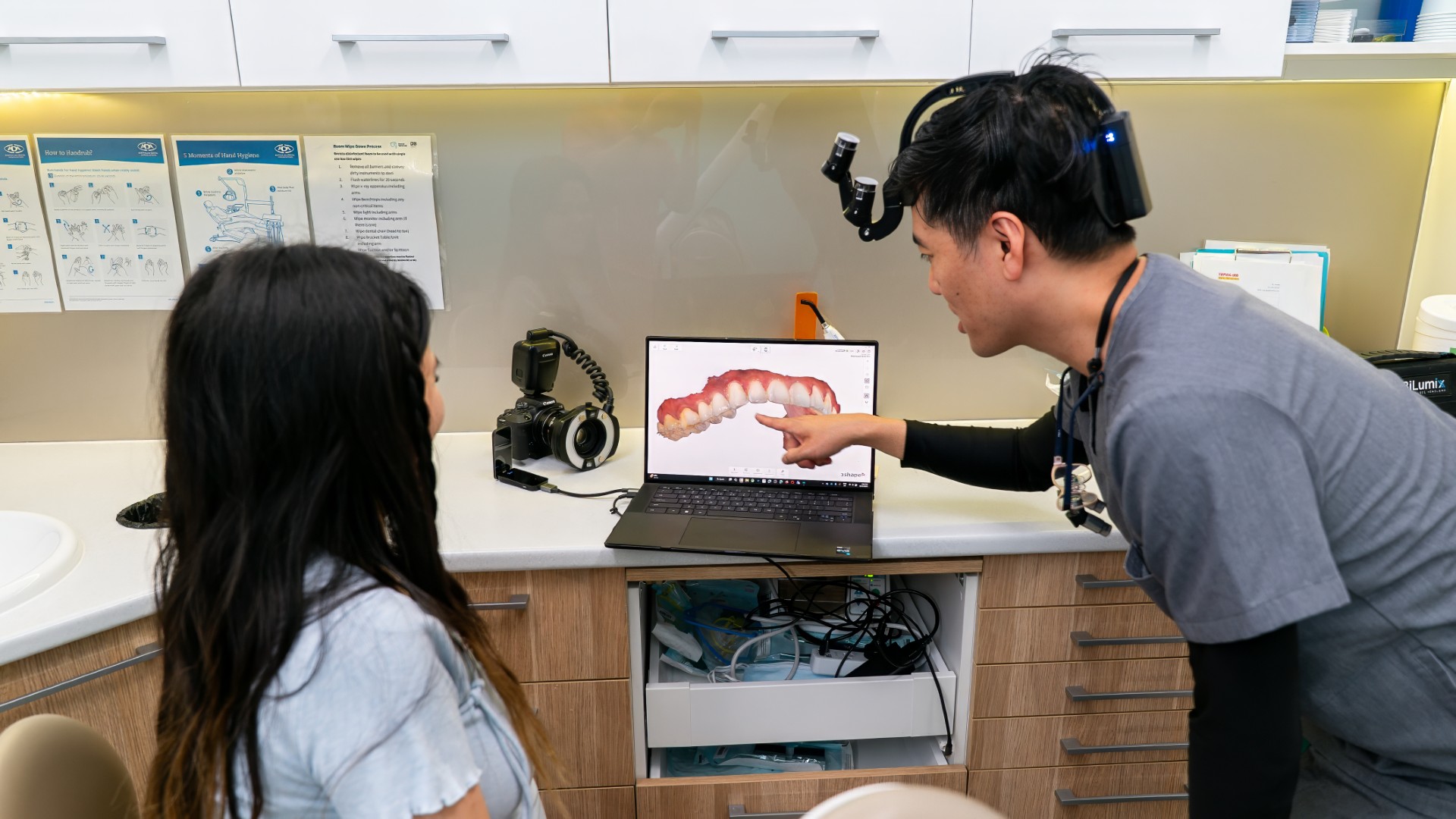
If your HIV is controlled on treatment and your liver is working well, start with the usual implant assessment: an examination and a 3D scan of the bone. If you are newly diagnosed, your counts are low or you have been told your liver is scarred, start with your doctor and a recent blood test.
| Your situation | What it can affect | Usual next step |
|---|---|---|
| HIV on treatment, viral load suppressed, CD4 stable | Studies report survival similar to people without HIV | Plan as usual with recent results on file |
| HIV newly diagnosed or treatment just started | Immune status may still be changing | HIV doctor first, then plan once results settle |
| HIV with a low CD4 percentage | One study linked this with more failures | Discuss timing with your HIV doctor |
| Hepatitis B with normal liver function | Usually little change | Plan as usual with recent liver tests |
| Hepatitis C cured, no liver scarring | Usually nothing | Mention it on your history form |
| Cirrhosis or advanced liver disease | Bleeding, healing and medicine choices | Hepatologist letter and recent blood counts first |
What to bring, or ask your doctor for
| Item | Why it helps | Who can provide it |
|---|---|---|
| Recent viral load and CD4 results | Shows how well HIV is controlled | Your HIV doctor or clinic |
| Liver function tests, platelet count and a clotting test | Guides bleeding control and healing | Your GP or hepatologist |
| A full list of medicines and supplements | Checks for interactions with sedation and pain relief | Your pharmacist can print one |
| A letter about any liver scarring | Sets how cautious the surgical plan needs to be | Your hepatologist or GP |
I usually find that one short letter answers most questions before a surgery date is set.

How we approach this at Lumi Dental
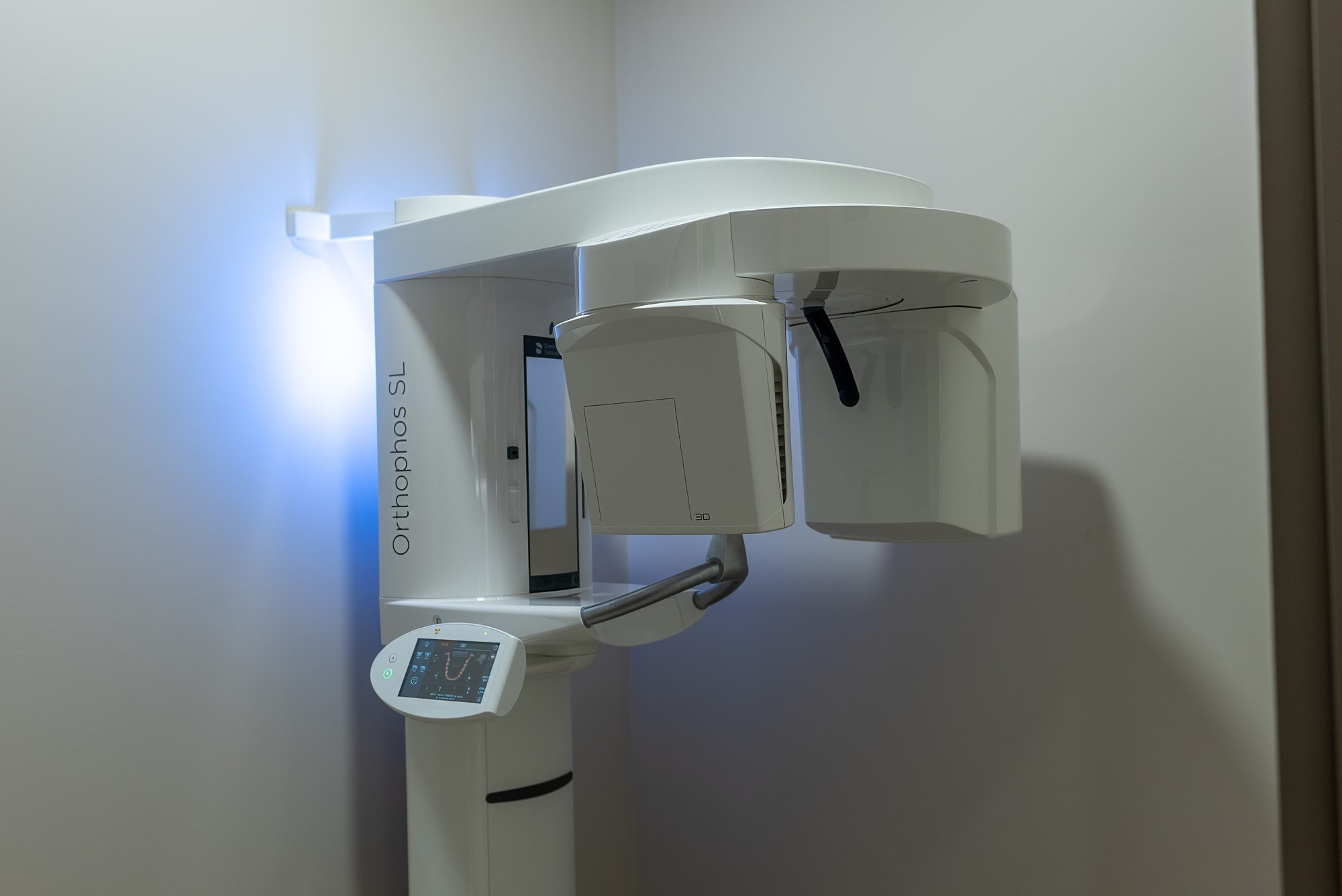
At Lumi Dental in Melrose Park, a dentist reviews your medical history, examines your mouth and takes a 3D X-ray in house where needed to measure the bone. When results or advice are needed, the team at Lumi Dental writes to your GP or specialist before planning surgery. IV sedation is available at the practice after medical review; Lumi Dental does not provide general anaesthetic itself and refers where it is needed. Complex cases are referred to a registered specialist. Read more about dental implants at Lumi Dental.
Questions patients ask
Do I have to tell my dentist I have HIV?
Infection control does not depend on it, because the same precautions are used for everyone. Telling your dentist helps with planning, especially around medicines and sedation, and the information stays confidential.
Can you get dental implants if you have hepatitis B?
Usually, yes. If your liver function is normal, planning is much the same as for anyone else. With cirrhosis, your dentist will want recent blood counts and a letter from your liver doctor first.
Will my HIV medicines affect how the implant heals?
One study linked protease inhibitor medicines with more implant failures, though the evidence is limited. Keep taking your treatment exactly as prescribed; your dentist will not change it.
Can I have IV sedation for implant surgery with HIV or liver disease?
Often, yes, after a medical review. Some HIV medicines and liver disease change how sedatives are cleared, so the plan is checked with your doctor first. Read more about IV sedation at Lumi Dental.
What if my gum gets sore or swollen after implant surgery?
Some swelling in the first few days is expected; pain that builds, pus or a fever needs a call to your dentist. Our guide to infection after implant surgery versus normal healing sets out what to watch for.
Considering an implant? Complimentary implant consult in Melrose Park
If you live with HIV or hepatitis B or C and are thinking about replacing a tooth, the team at Lumi Dental can review your history, examine your mouth and work with your doctor on timing. Contact Lumi Dental to book a complimentary implant consult, or read more about dental implants in Melrose Park. Patients visit from Ryde, Parramatta, Ermington and Rydalmere, with on-site parking at Melrose Central.
Sources
- Australian Dental Association: Guidelines for Infection Prevention and Control, Fifth Edition
- International Journal of Oral and Maxillofacial Surgery (Lemos CAA and colleagues): Survival of dental implants placed in HIV-positive patients, a systematic review (PubMed)
- Journal of Clinical Periodontology (Sabbah A and colleagues): A retrospective analysis of dental implant survival in HIV patients (PubMed)
- International Journal of Implant Dentistry: Bleeding disorders in implant dentistry, a narrative review and a treatment guide (PMC)
About the author
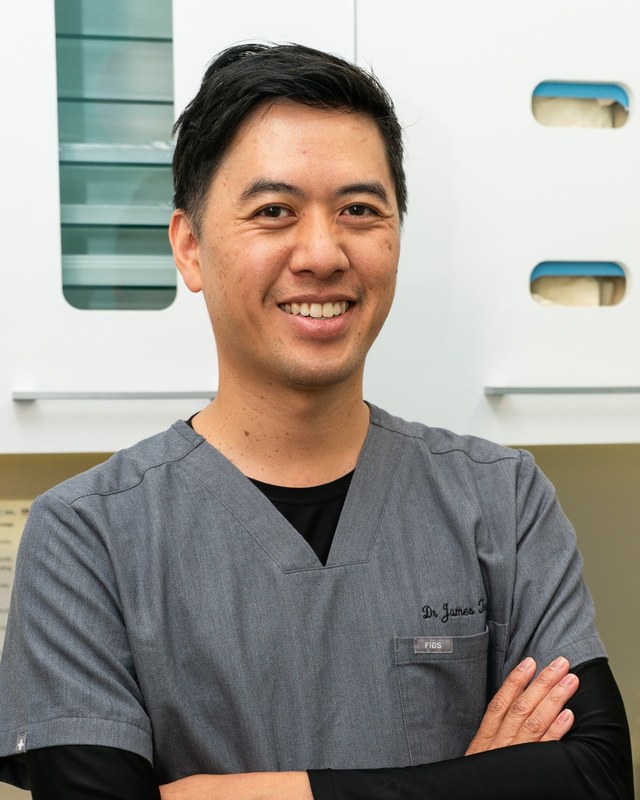
Dr James Tran is a general dentist at Lumi Dental in Melrose Park. He holds a BDent from the University of Sydney and a Graduate Diploma in Oral Implants, and is a Member of the International Congress of Oral Implantologists (MICOI).
This article is general information only and is not a substitute for an examination and individual advice from a registered dental practitioner. Suitability for any treatment varies from person to person.