Dental implants are often possible with Parkinson's disease, and the design that usually suits best is the one that can still be cleaned and handled if tremor and dexterity change over the years. The research is small: in one study of nine people with Parkinson's, implant success was reported at about 85% in the upper jaw and 81% in the lower jaw, and satisfaction with eating improved within three months. For many people that points towards a simple two-implant lower overdenture, or single implant crowns that are easy to reach, rather than complex fixed work.
Written by Dr James Tran, BDent (University of Sydney), MICOI, GradDip (Oral Implants), general dentist at Lumi Dental in Melrose Park.
The short version
- Parkinson's can affect the hands, lips, tongue and swallowing, which is why a full lower denture is often hard to keep in place.
- Implants can hold a loose lower denture or replace a single tooth, but the evidence comes from small studies.
- The single rule: choose a design that you, or a carer, could still clean and handle if movement changes later.
- Bring a full medication list. The team at Lumi Dental writes to your GP or specialist before planning surgery and never changes your medicines.
- Plan visits for the time of day you move best.
- Daily mouth care is covered in our guide to Parkinson's disease and oral care; this article is about implants.
Why a lower denture is hard to keep in with Parkinson's
healthdirect lists the main symptoms of Parkinson's as tremor at rest, muscle stiffness, slowness of movement and changes in posture, with swallowing changes and increased saliva among the others. A review of oral health and implant therapy in Parkinson's notes that tremor can spread from the hands to the tongue, jaw and face.
A lower denture has little to grip. It sits on a narrow ridge and is held mostly by the tongue, cheeks and lips. When those muscles are stiff or shaking, it lifts and drops with every movement. The review names muscle rigidity, a dry mouth and reduced control of movement as the reasons a removable denture loses its hold, and lists a dry mouth among the side effects of some Parkinson's medicines, including anticholinergics.
A Japanese survey compared 104 people with Parkinson's with 191 people attending dental check-ups. Those with Parkinson's reported more chewing difficulty and denture discomfort, fewer still had their own teeth, fewer cleaned their dentures every day, and more than half had problems swallowing. In my experience, the loose lower denture is usually the first thing families raise.
What the research says about implants and Parkinson's
The best-known study comes from King's College London. Nine people with Parkinson's, aged 54 to 77, received fixed or removable teeth on implants. Implant success was 85% in the upper jaw and 81% in the lower jaw, and eating and satisfaction with the teeth improved significantly at three months, which was maintained at twelve months. The authors concluded that implants are a viable option.
The review sets that result beside a figure of around 90% for the general population, so outcomes in this small group were somewhat lower, with most failures at the second surgical stage. Participants described difficulty clipping the overdenture onto a bar, wear of opposing teeth, breakage and gum overgrowth around the bar, and ball-type attachments were suggested because they are easier to keep clean.
The numbers are small and follow-up is short. The research does not show that Parkinson's rules implants out; it shows that design and maintenance need more thought than usual. The review recommends implant treatment in the earlier stages of the condition.
Overdenture, single crowns or a fixed bridge: how they compare
The same few implants can carry very different teeth, and each asks different work of your hands. Our article on implant-retained overdentures explains how the clip-in denture works.
| Option | What daily care involves | Handling demands | Things to weigh |
|---|---|---|---|
| Conventional lower denture | Remove, brush and soak the denture; brush gums and tongue | Needs muscle control to keep it in while eating and talking | No surgery, but often the hardest to keep in with tremor and a dry mouth |
| Two-implant lower overdenture | Remove and brush the denture; brush two implant posts | Line the denture up and press it onto two attachments | Much more stable; attachment type affects how easy it is to seat |
| Single implant crown | Brush like a natural tooth; clean between teeth | Same as brushing your own teeth | Suits a single gap with healthy neighbouring teeth |
| Fixed full-arch implant bridge | Brush the bridge and clean underneath it every day | Needs a water flosser or small brushes angled under the bridge | Feels most like teeth, but cleaning underneath gets harder if dexterity declines |
Locator-style, ball and bar attachments each feel different to clip in, as our guide to overdenture attachments explains.
The single rule: choose teeth that can still be cleaned if your hands change
Start with the design you could still clean and handle on a bad day, and that a carer could manage if needed. healthdirect describes Parkinson's as a condition that gets worse over time, so the right choice is the one that still works later.
For a loose lower denture, that often means a two-implant overdenture. It comes out for cleaning, a carer can brush two short posts, and the denture can be relined as the gums change. For a single gap with healthy teeth either side, an individual crown is cleaned like the rest of your teeth.
A fixed full-arch bridge can suit the right person, but it never comes out at home. Cleaning underneath needs a daily routine, described in our article on cleaning a full-arch implant bridge at home. If that already sounds hard, say so at the consultation.
Medicines, timing and safety in the chair
Your medication list
Bring a written list of every medicine and when you take it, and keep taking them exactly as prescribed. A dentist does not stop or change Parkinson's medicines. The team at Lumi Dental writes to your GP or specialist before planning surgery. healthdirect notes that deep brain stimulation uses a small generator implanted in the chest; if you have one, tell the team and bring the device details.
Choosing the time of day
Plan visits for the time of day you move best. Reports in the review suggest morning appointments and a chair tilted to about 45 degrees rather than flat, which helps swallowing. healthdirect also mentions low blood pressure when moving from lying to sitting or standing, so sit up slowly at the end.
Swallowing and small parts
Implant work uses small screws, caps and drivers. When swallowing is slower, there is a theoretical risk of a part being swallowed or inhaled, so dentists often take extra precautions such as gauze at the back of the mouth. Share any speech pathologist's swallowing assessment. Some case reports in the review used intravenous sedation to reduce involuntary movement during surgery.
Cleaning tools that suit tremor, and where carers come in
An electric toothbrush with a thick handle does most of the fine movement. A water flosser cleans around implant posts and under a bar or bridge with less precise control than floss; see our guide on how to use a water flosser.
I usually suggest that whoever helps at home comes to a planning visit and practises seating the overdenture in the chair. An implant overdenture still needs a daily clean, and regular visits with the hygiene team catch plaque around the implants early.
Planning for the years ahead
Ask how the teeth would be cleaned if a carer needs to take over. A design that can be simplified later is usually safer than one that depends on fine hand control. The review lists dementia among possible later symptoms; our article on dental implants and dementia covers planning for that.

How we approach this at Lumi Dental
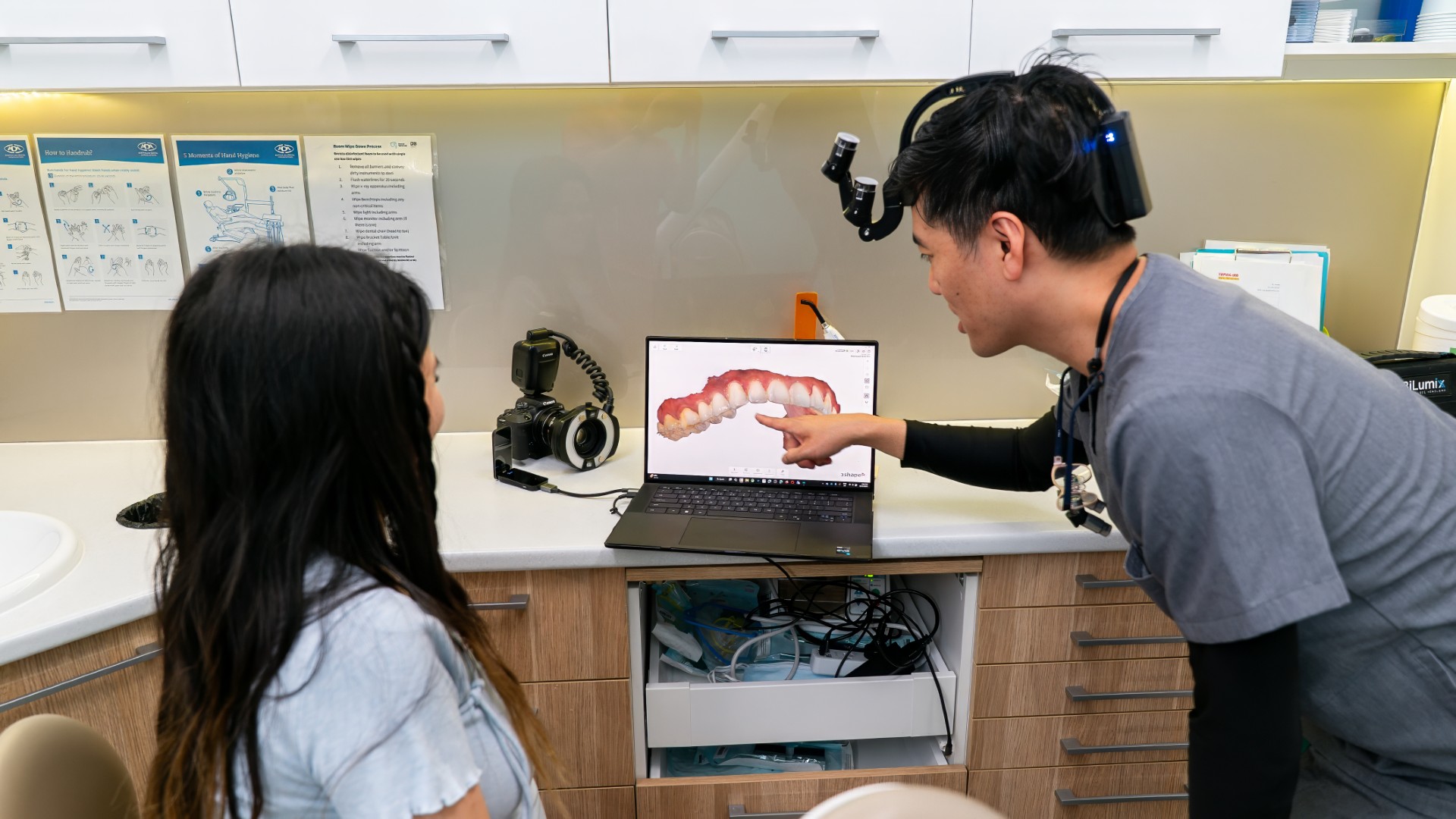
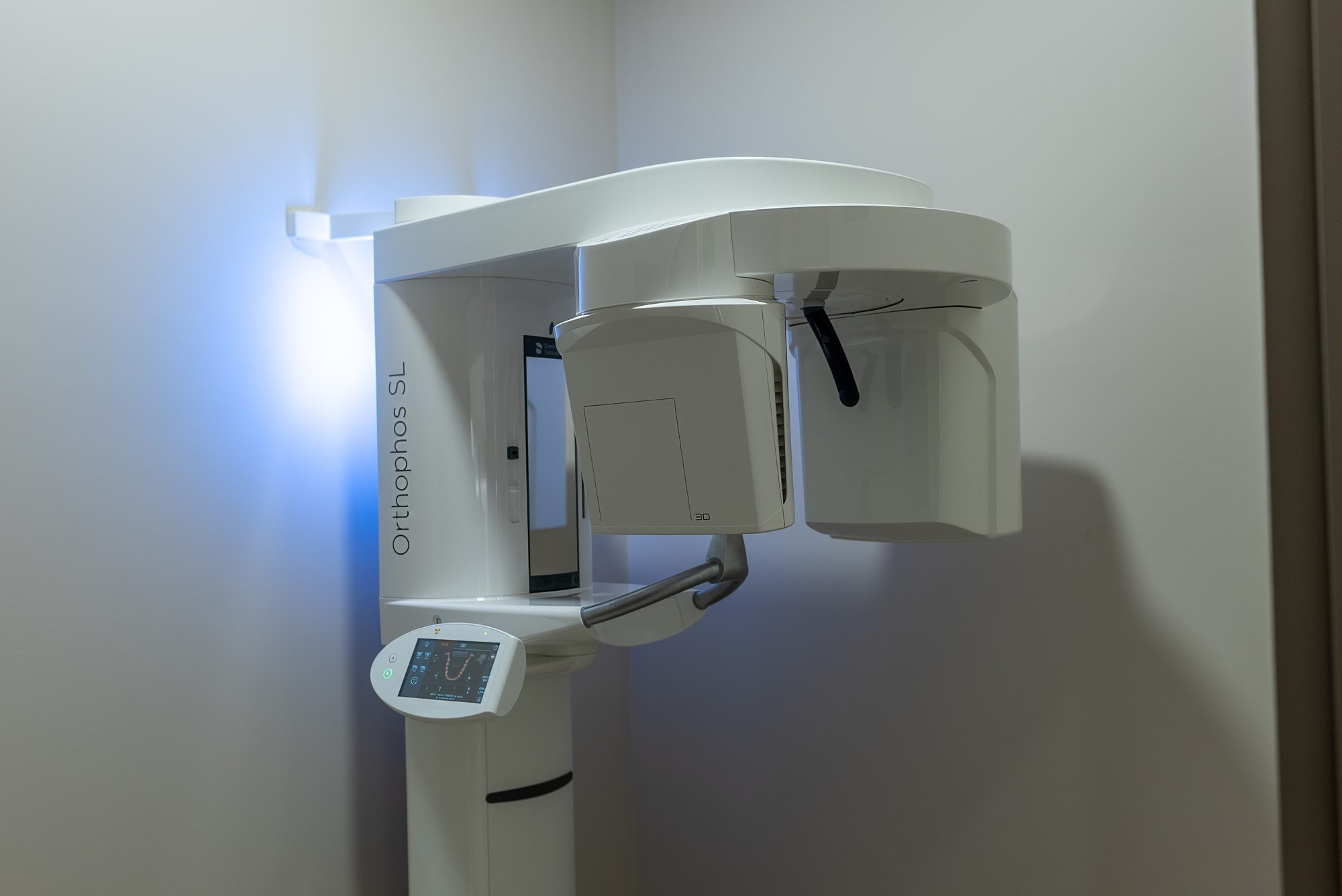
At Lumi Dental in Melrose Park, a dentist examines your mouth and current denture or gap, and takes a 3D X-ray in house where needed to measure the bone. Your written plan compares a plain denture, an implant overdenture and fixed options, with the daily cleaning each involves. The team writes to your GP or specialist before planning surgery. IV sedation is available at the practice after medical clearance; Lumi Dental does not provide general anaesthetic itself and refers where it is needed. Complex cases are referred to a registered specialist. Read more about dental implants at Lumi Dental.
Questions patients ask
Can you have dental implants if you have Parkinson's?
Often, yes. Small studies have reported better eating and comfort, although implant success was a little lower than in the general population. Suitability depends on your bone, health, swallowing and how easily the teeth can be cleaned.
Is an implant overdenture easier than a normal denture with Parkinson's?
For many people it is more stable, because the implants hold it rather than the tongue and cheeks. It still has to be clipped in, removed and cleaned daily, so the attachment should suit your hands.
Should I take my Parkinson's medicine before dental surgery?
Keep taking your medicines exactly as prescribed unless your doctor says otherwise. Your dentist will not change them. Bring the list and dose times so the visit can be planned around them.
Can I be sedated for implant surgery if I have Parkinson's?
IV sedation may be an option once your doctor has given medical clearance. Read about IV sedation at Lumi Dental; general anaesthetic is arranged by referral where needed.
What is the easiest way to clean implants with shaky hands?
An electric toothbrush with a thick handle and a water flosser are the easiest tools for most people. Sitting down with your elbow resting helps, and a carer can take over parts of the routine.
Considering an implant? Complimentary implant consult in Melrose Park
If a loose denture or missing tooth is making eating harder, the team at Lumi Dental can examine your mouth, talk through overdentures and other options, and plan around your medicines. Contact Lumi Dental to book a complimentary implant consult, or read more about dental implants in Melrose Park. Patients visit from Ryde, Parramatta, Ermington and Rydalmere, with on-site parking at Melrose Central.
Sources
- healthdirect: Parkinson's disease
- Gerodontology (Packer M and colleagues): The potential benefits of dental implants on the oral health quality of life of people with Parkinson's disease (PubMed)
- Oral Implantology (Bollero P and colleagues): Oral health and implant therapy in Parkinson's patients, review (PMC)
- Journal of Epidemiology: Oral Health Conditions in Patients with Parkinson's Disease (PMC)
About the author
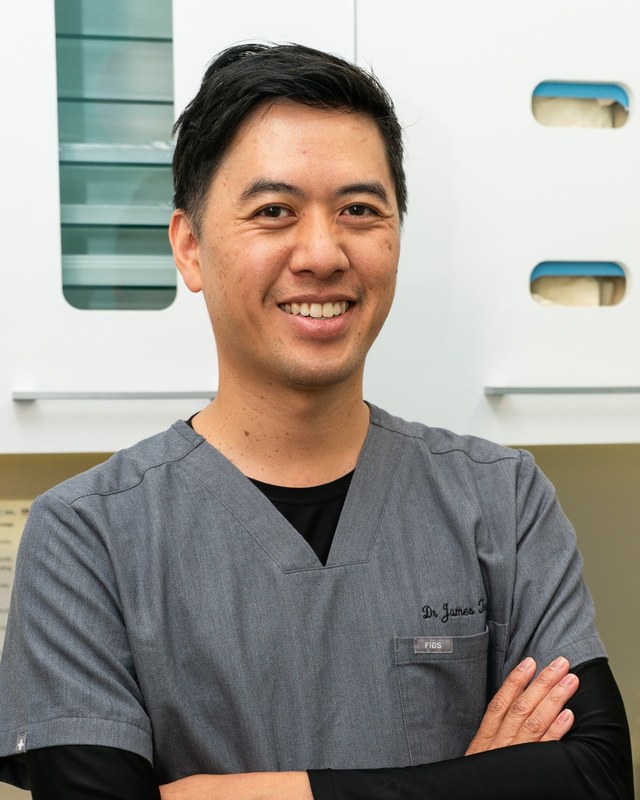
Dr James Tran is a general dentist at Lumi Dental in Melrose Park. He holds a BDent from the University of Sydney and a Graduate Diploma in Oral Implants, and is a Member of the International Congress of Oral Implantologists (MICOI).
This article is general information only and is not a substitute for an examination and individual advice from a registered dental practitioner. Suitability for any treatment varies from person to person.