
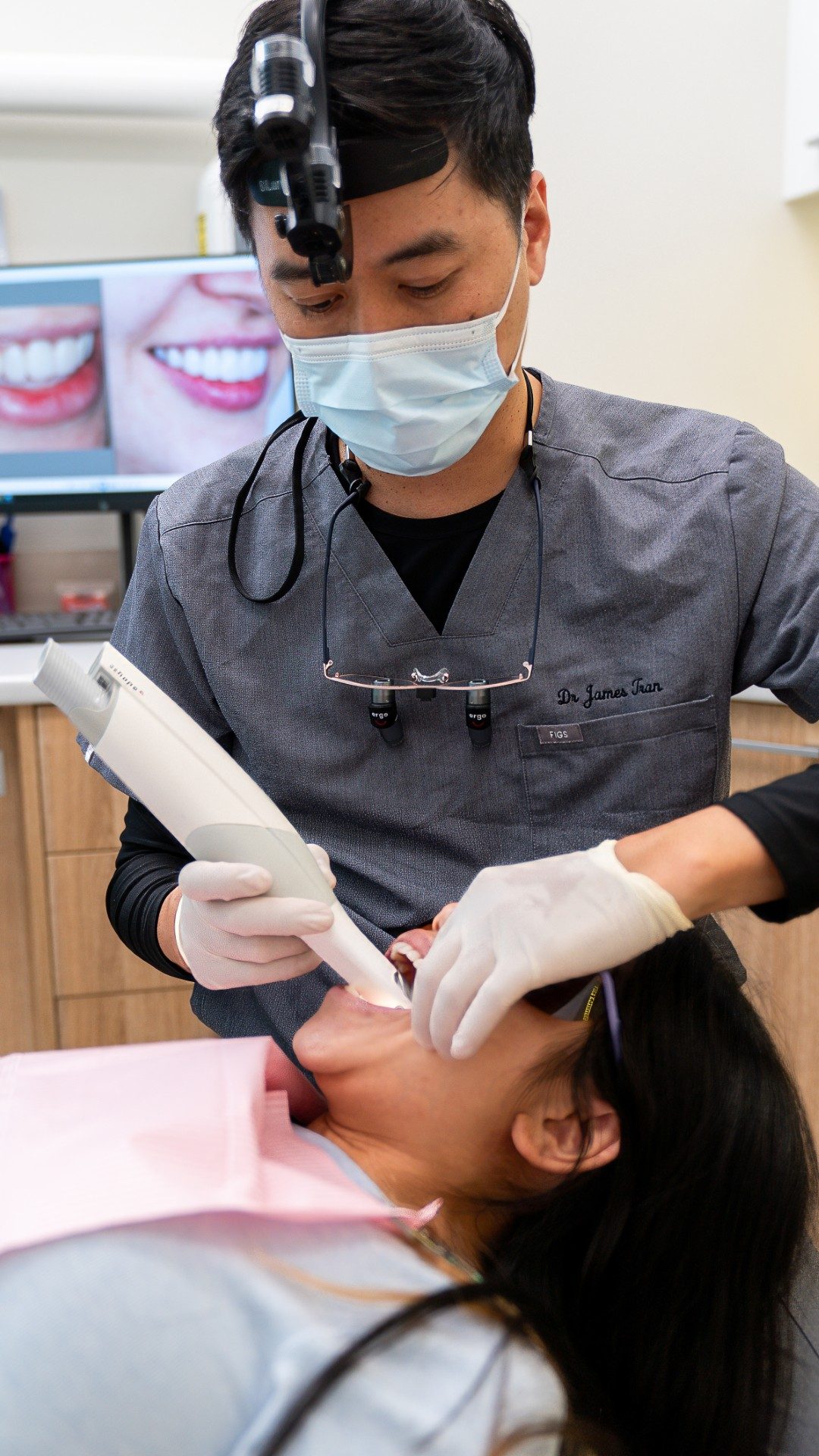

Type 1 diabetes is not, on its own, a reason to rule out dental implants: what matters is steady glucose control in the months before and after surgery, and a surgery-day plan for food, fasting and insulin that your diabetes team has agreed. The evidence is reassuring but thinner than for type 2. A review of 89 studies in the journal Materials found implants in people with diabetes failed more often than in people without it, with the risk looking higher in type 1, though the authors said that finding rests on limited data. This guide explains what that means for dental implants with type 1 diabetes, and how to plan the day itself.
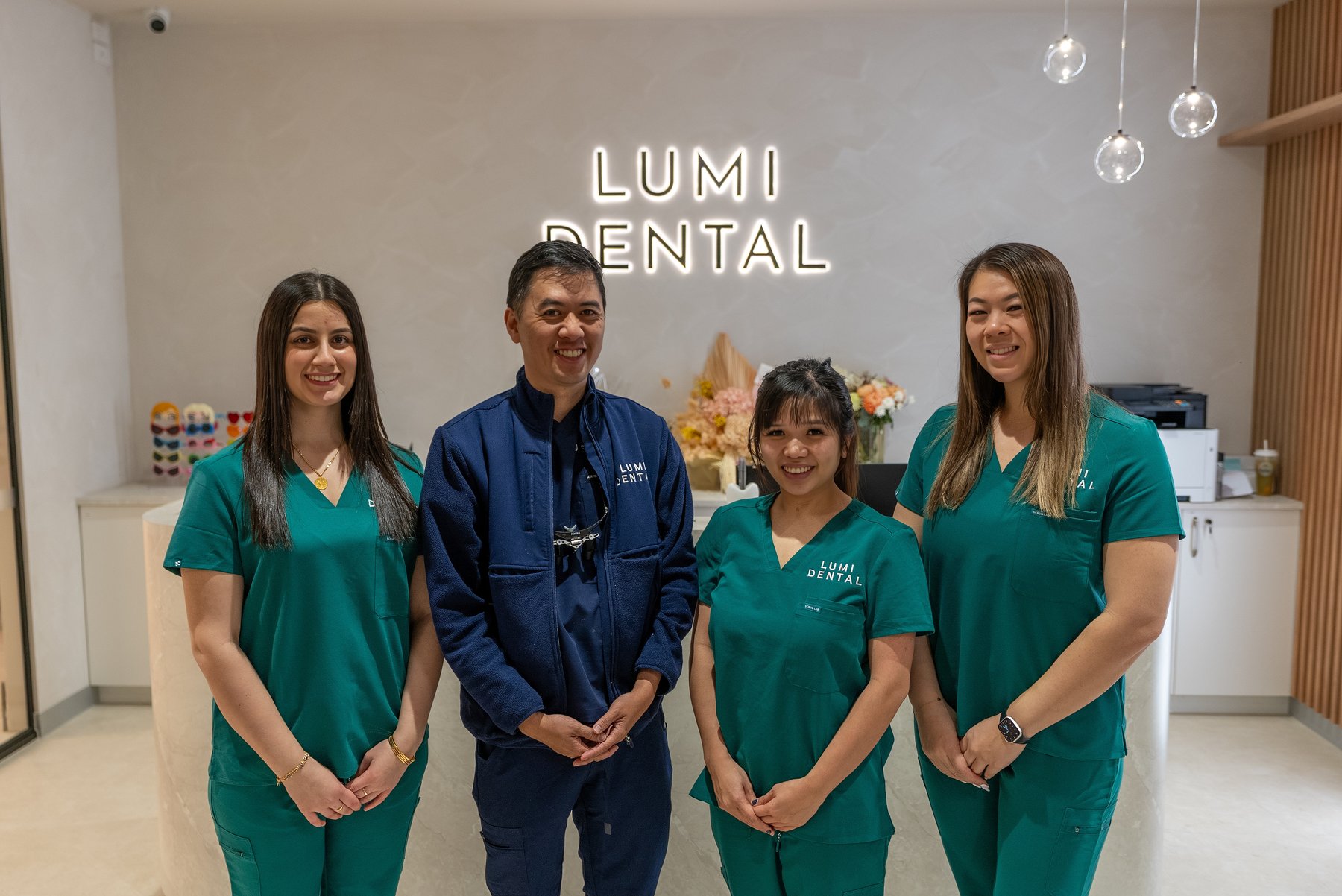
Written by Dr James Tran, BDent (University of Sydney), MICOI, GradDip (Oral Implants), general dentist at Lumi Dental in Melrose Park.
The short version
- Type 1 diabetes does not rule out an implant. Steady control over months, and a surgery-day plan your diabetes team has agreed, matter more than the diagnosis.
- Bring a recent HbA1c result to the consult. Your GP or endocrinologist interprets it.
- Many single implants are placed under local anaesthetic, so there is usually no fast. Fasting comes into it if IV sedation is planned.
- Your diabetes team or GP sets any insulin changes for the day. The dental team never adjusts insulin or any other medicine.
- Have your sick day plan ready for the first few days, when eating is harder and glucose can run higher.
- Our article on who is a candidate for dental implants covers bone, smoking and diabetes in general.
What the research reports for type 1
Most implant research on diabetes mixes type 1 and type 2, or is mostly type 2.
The large review
The review by Al Ansari, Shahwan and Chrcanovic pooled 5,510 implants in people with diabetes and 62,780 in people without. Implants in the diabetes group had a higher failure risk, and slightly more bone was lost around them. A smaller sub-analysis found failures more likely in type 1 than type 2, which the authors said was based on limited data. Many included studies were retrospective, small or short.
A small type 1 study
One of the few studies limited to type 1 followed 47 people having full-arch implant treatment for 10 years, 22 of them with type 1 diabetes. Implant survival was 94.74% in the type 1 group and 96.72% in the healthy group, a difference that was not statistically significant. Patients had hygiene visits every four months afterwards. It is a small, single-centre study, but it fits a pattern: with good control and regular maintenance, implants can do well.
In my experience, the conversation that helps most is not about the type of diabetes but about the last few months of readings.
HbA1c, healing and infection risk
The Materials review lists delayed wound and bone healing and an impaired response to infection among the effects of diabetes. It notes that higher HbA1c has been associated with more bone loss around implants, and poorer control with more peri-implantitis.
You will see different HbA1c figures quoted, because they answer different questions:
- The implant review defines controlled diabetes as an HbA1c up to 6.5%.
- The Australian Diabetes Society and ANZCA perioperative guideline, written for surgery under sedation or anaesthetic, suggests HbA1c is measured within the previous three months, that a diabetes specialist is involved at 8.5% or higher or with hypo unawareness, and that a level below 9% should ideally be reached before elective surgery.
Neither figure is a pass mark for an implant. Your GP or endocrinologist interprets your result against your own targets, and a short delay to steady things is often worth it for planned surgery.
The single rule: if an implant is planned, start with your diabetes team
The NDSS fact sheet on surgery and procedures says your doctor and anaesthetist need to know you have diabetes and how you manage it, that insulin may need adjusting if you are fasting, and that you should ask your doctor what changes to make and when. The ADS and ANZCA guideline says a written peri-operative plan should be provided to all patients with diabetes.
Local anaesthetic only
Local anaesthetic does not need a fast, so most people eat as they normally would beforehand unless their own plan says otherwise. A morning appointment often suits, leaving the rest of the day to watch your levels at home.
IV sedation planned
Sedation comes with fasting instructions, and the insulin plan for that fast is set by your diabetes team or GP. Lumi Dental offers IV sedation only after a medical review, and does not provide general anaesthetic itself, referring where it is needed. The ADS and ANZCA guideline says not to drive for 24 hours after sedation, so arrange a lift. Our guide to IV sedation for implant surgery walks through the day.
Pumps, CGMs and lows in the chair
Bring your usual hypo treatment and your meter or phone, keep them within reach, and tell the team about any recent lows. Our article on insulin pumps and dental treatment covers handling a low in the chair.
For procedures under sedation, the NDSS fact sheet suggests asking your doctor and anaesthetist whether you can keep using your pump, changing the line and set (or a patch pump) the day before so you can check it works, and choosing an insertion site well away from the surgery. It also suggests asking whether you can wear your CGM, and bringing a record of recent readings.
Implant planning usually involves a 3D X-ray, a type of CT scan, and imaging advice differs between devices. Check your sensor and pump instructions and tell the team what they say. Our article on continuous glucose monitors and dental visits explains the options.
The first few days: sick day rules and eating
The NDSS surgery fact sheet notes that glucose may be a little higher than usual in the days after a procedure, and that you should have a sick day action plan and know when to start it. NDSS's type 1 sick day fact sheet explains that stress hormones push glucose up, and that when you are unwell with type 1 diabetes, ketones can rise and lead to diabetic ketoacidosis (DKA). Rapid breathing, tummy pain, vomiting, extreme thirst, a dry mouth and drowsiness are among the warning signs it lists, and they need urgent medical attention.
I usually suggest stocking soft foods before surgery and chewing on the other side. If surgery affects how much you can eat, NDSS advises asking your doctor how to manage your diabetes until you are eating normally. Follow your own plan for ketone checks.
Some swelling is expected early on, but swelling that spreads, a fever or worsening pain is not, and our guide to infection after implant surgery versus normal healing explains how to tell them apart.
What to check or plan first
| Situation | What to check or plan first |
|---|---|
| Well controlled | Bring a recent HbA1c and your medicines list; consider a morning appointment |
| HbA1c above your target | Talk to your GP or endocrinologist first; a short delay may help |
| Frequent hypos or hypo unawareness | Tell the dental team; ask your diabetes team about specialist input |
| On an insulin pump | Ask your doctor about using it on the day; bring spare supplies |
| Uses a CGM | Check device instructions before the 3D X-ray; agree how alarms are handled |
| IV sedation planned | Medical review first; fasting and insulin plan from your diabetes team; arrange a lift |
| Eating poorly after surgery | Start your sick day plan; ask your doctor how to manage until eating normally |
Looking after the implant for the long term
Over the years, the bigger risk is the slow loss of gum and bone around an implant, called peri-implantitis. The Materials review found the bone difference between groups grew with longer follow-up, and suggested people with diabetes may need closer care of the tissues around implants. Patients I see who keep their hygiene visits tend to have fewer surprises. Our guide to the treatment of peri-implantitis explains what to watch for.
How we approach this at Lumi Dental
At Lumi Dental, a dentist examines your mouth and plans the implant with a 3D X-ray and 3D scan taken in house. Where diabetes or sedation is involved, the team at Lumi Dental writes to your GP or specialist before planning surgery and asks for a recent HbA1c and your diabetes plan. IV sedation is offered only after medical review, and specialist cases are referred to registered specialists. The oral health therapists look after cleans and gum therapy before and after treatment. Read more about dental implants at Lumi Dental.
Questions patients ask
Can you get dental implants if you have type 1 diabetes?
Often, yes. Well-controlled diabetes appears compatible with implants, though the evidence for type 1 is limited and some research reports a higher failure risk. Recent control matters more than the diagnosis.
What HbA1c do you need for a dental implant?
There is no single cut-off. Implant studies often define control as 6.5% or below, and an Australian perioperative guideline suggests aiming below 9% before elective surgery. Your GP or endocrinologist interprets your result.
Should I take my insulin before implant surgery?
Ask your diabetes team or GP, as they set the plan for the day. If sedation is planned, the fasting and insulin plan should come from them in writing.
Do implants take longer to heal with diabetes?
They can, because raised glucose can slow wound and bone healing. Our article on normal healing after implant surgery explains the first two weeks.
Can I wear my CGM during the 3D X-ray?
It depends on your device. Check your instructions and tell the team; our guide to CGMs and dental visits covers the details.
Considering an implant? Complimentary implant consult in Melrose Park
If you live with type 1 diabetes and are thinking about an implant, bring your recent HbA1c, medicines list and device details to a complimentary implant consult, and the team at Lumi Dental can plan the stages with your diabetes team. Contact Lumi Dental to book, or read more about dental implants in Melrose Park. Patients visit from Ryde, Parramatta, Ermington and Rydalmere, with on-site parking at Melrose Central.
Sources
- Materials (Al Ansari, Shahwan and Chrcanovic): Diabetes Mellitus and Dental Implants, a Systematic Review and Meta-Analysis (PMC)
- International Journal of Environmental Research and Public Health (D'Orto and colleagues): Full Arch Implant-Prosthetic Rehabilitation in Patients with Type I Diabetes Mellitus (PMC)
- NDSS: Surgery and procedures with diabetes
- Australian Diabetes Society and ANZCA: Perioperative Diabetes and Hyperglycaemia Guidelines (Adults)
About the author
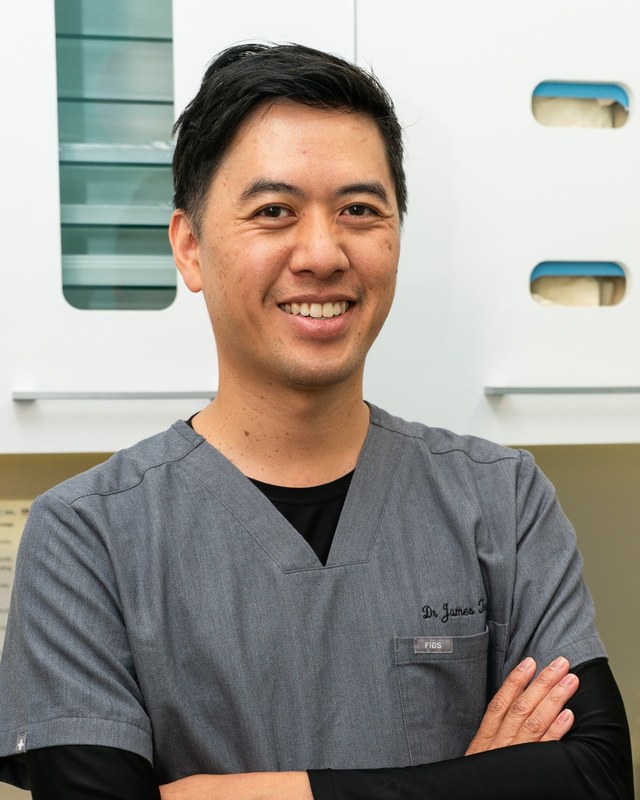
Dr James Tran is a general dentist at Lumi Dental in Melrose Park. He holds a BDent from the University of Sydney and a Graduate Diploma in Oral Implants, and is a Member of the International Congress of Oral Implantologists (MICOI).
This article is general information only and is not a substitute for an examination and individual advice from a registered dental practitioner. Suitability for any treatment varies from person to person.







