
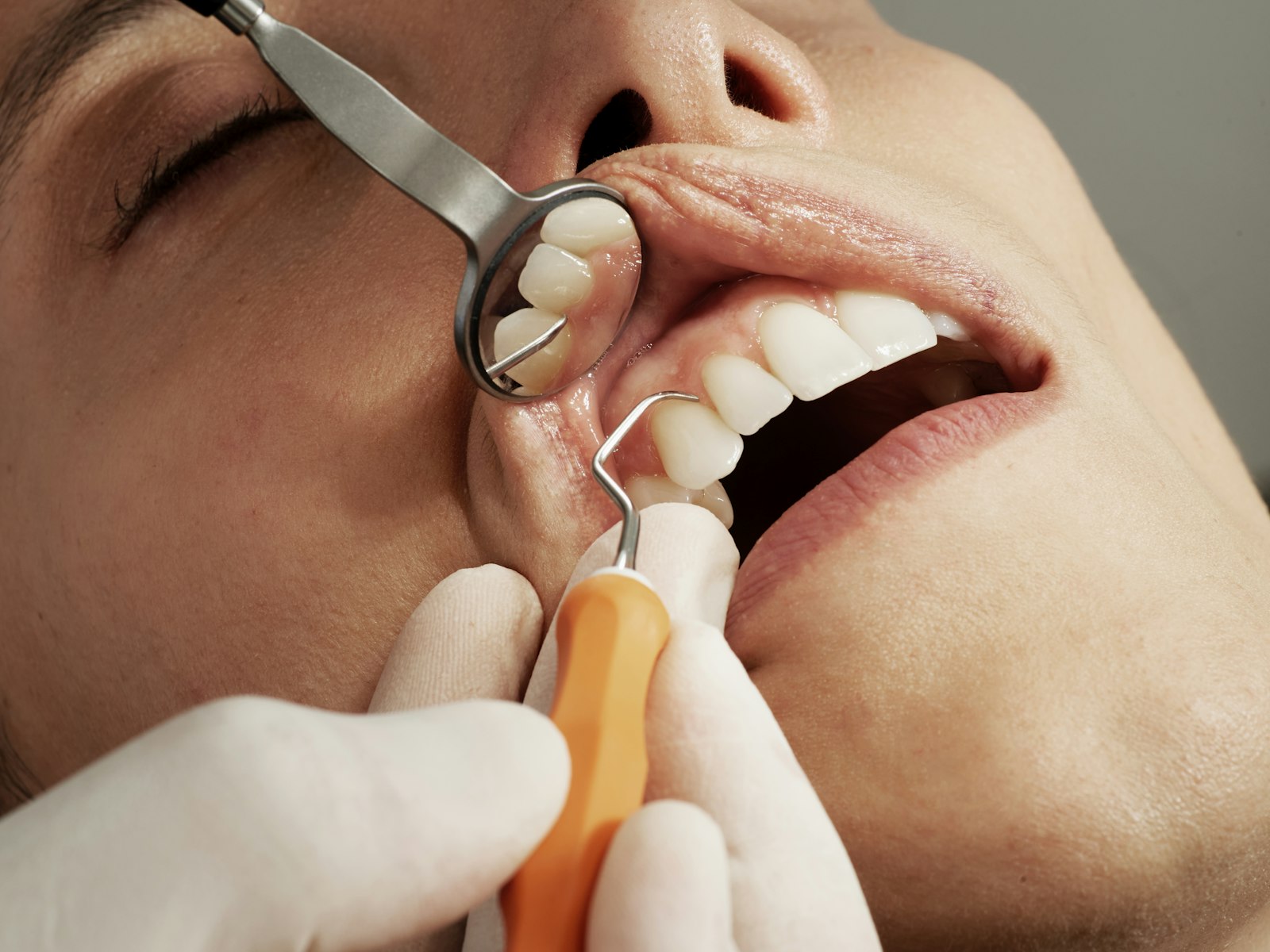

An oral biopsy is a quick procedure, usually done under local anaesthetic, in which a small piece of tissue from your mouth is removed and sent to a pathologist to find out exactly what is going on. If your dentist has suggested an oral biopsy, it is natural to feel a little worried, but knowing what happens before, during and after can make the whole process much calmer. Below I explain what to expect from an oral biopsy in the mouth, how long results typically take and when a change deserves a prompt check.
Key Takeaways
- A biopsy removes a small sample, or sometimes a whole small lesion, so a pathologist can examine it under a microscope.
- It is typically done with local anaesthetic and often takes only minutes, so most people feel pressure rather than pain.
- Most biopsies of mouth changes show non-cancerous conditions, but a biopsy is the only way to confirm what a lesion is.
- Soreness, mild bleeding or swelling for a few days is common, and soft, cool foods usually help.
- Results typically take around one to two weeks, so ask how the results will reach you and who will follow up.
- An ulcer or patch that lasts more than about three weeks deserves prompt review rather than waiting and watching.
What Is an Oral Biopsy?
A biopsy means taking a small sample of tissue so it can be looked at closely. In the mouth, the sample might come from the cheek, tongue, gum, lip, palate or the floor of the mouth. A pathologist, who is a doctor trained to study tissue, examines the sample under a microscope and writes a report describing what they find.
A biopsy is not a sign that something serious has been found. It is a way of replacing guesswork with a clear answer. Many mouth changes look similar to the eye but have very different causes, and only tissue under a microscope can tell them apart.
Why Might You Need One?
Your dentist may suggest a biopsy when a change in your mouth does not behave the way a minor irritation normally would. Common reasons include:
- A white or red patch that does not go away.
- An ulcer that lasts more than about three weeks.
- An unexplained lump or swelling.
- A persistent sore area that does not heal.
- A spot or lesion that is changing in size or colour.
Many of these turn out to be harmless. A rubbed cheek, a small fibroma or a blocked salivary gland can all look concerning. You can read more about specific examples in our guides to white and red patches in the mouth, when a mouth ulcer is worth worrying about, mouth lumps such as fibromas and lip cysts called mucoceles.
A biopsy can also confirm a long-term condition such as oral lichen planus.
How a Dentist Decides a Biopsy Is Needed
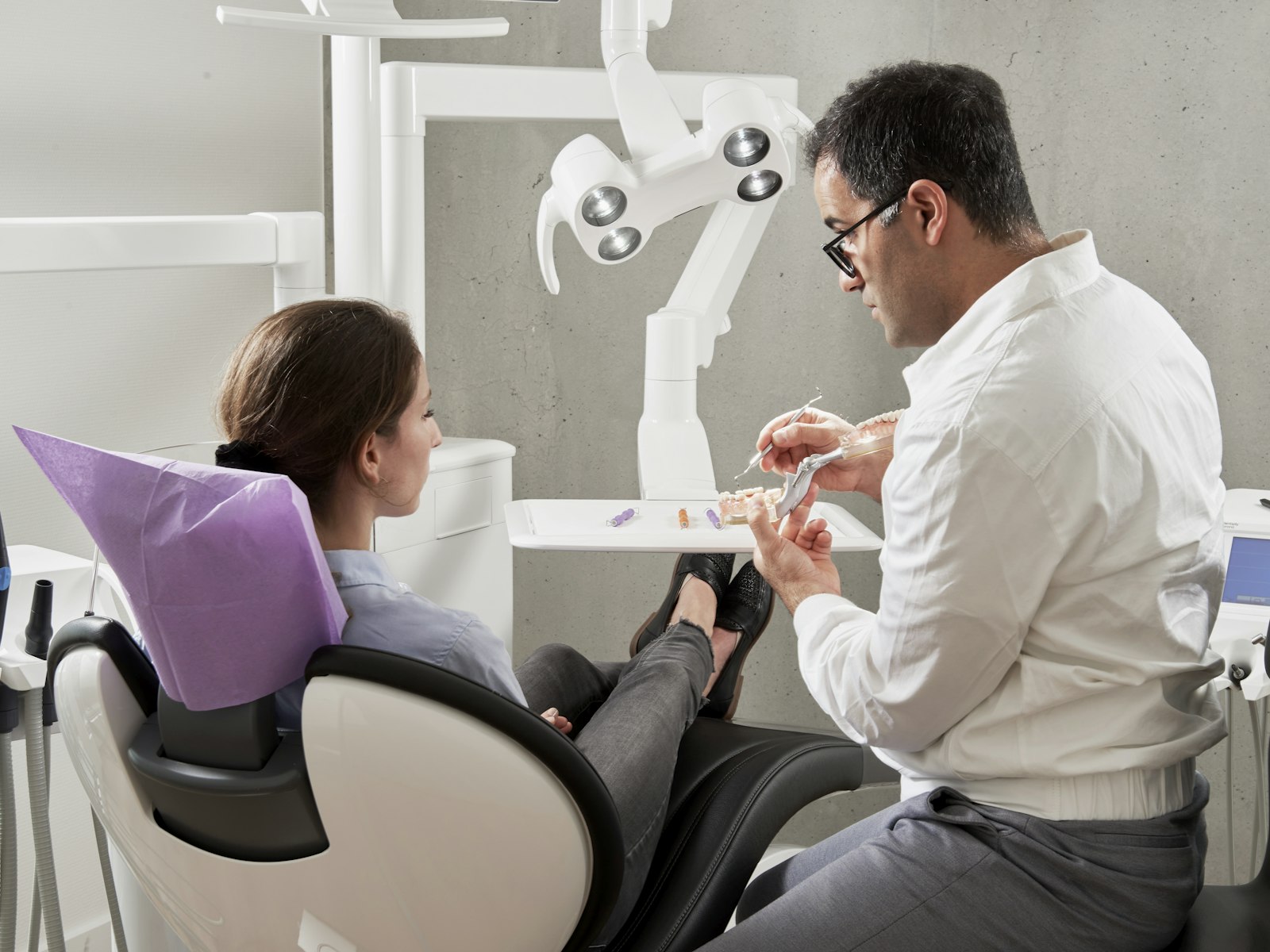
The process usually starts with a routine look around your mouth, throat and neck. During an oral cancer screening, your dentist checks the soft tissues for changes in colour, texture and shape, and feels for lumps in the neck and jaw. They will also ask how long you have noticed the change and whether it is sore.
If a change looks unusual or does not settle after a short review period, your dentist may recommend a biopsy. Sometimes the plan is to remove the cause of irritation first, such as a sharp tooth edge, and recheck in a couple of weeks. If the change is still there, a biopsy gives the answer.
Types of Oral Biopsy
There are three common approaches, chosen by the size, position and look of the area.
An excisional biopsy may also be the treatment, since the whole lesion is removed.
| Type | What is removed | When it is often used |
|---|---|---|
| Incisional | Part of a larger lesion | Larger or mixed-appearance areas |
| Excisional | The whole small lesion | Small, well-defined lumps or spots |
| Punch | A small circular core of tissue | Flat patches on the cheek, gum or palate |
What Happens During the Procedure
An oral biopsy is typically a short appointment. Your dentist or surgeon will explain what they plan to do and answer your questions. Then:
- The area is numbed with local anaesthetic. You may feel a small pinch, and then the area goes numb.
- A small sample is taken. You may feel pressure or movement but should not feel sharp pain.
- Stitches may be placed to help the area heal. These can be dissolvable or non-dissolvable, and your dentist will tell you which type is used and whether you need to return to have them removed.
- The sample goes into a labelled container and is sent to a pathology laboratory.
If you feel anxious about dental procedures, tell the team beforehand.
Aftercare: The First Few Days
Recovery from an oral biopsy is usually mild, though it depends on where the sample was taken and how large it was. Typical experiences include soreness, mild bleeding or a little swelling for a few days. Some practical steps that patients often find helpful:
- Eat soft, cool foods such as yoghurt, scrambled eggs, smoothies and soup that is not too hot.
- Avoid spicy, acidic and crunchy foods that can irritate the area.
- Use gentle salt-water rinses if your dentist advises them, and follow their timing instructions.
- Avoid smoking and alcohol while the area heals.
- Ask your pharmacist or doctor about suitable pain relief, and never take more than the label or professional advice allows.
Please never stop, skip or change a prescribed medicine without speaking to your doctor or pharmacist first. If you take blood thinners or other regular medicines, tell your dentist before the biopsy so they can plan safely with your doctor.
Ring the dentist if bleeding does not ease with firm pressure, if swelling or pain is increasing rather than settling, or if you develop a fever or a bad taste that is getting worse.
Waiting for Results
Results typically take around one to two weeks, though this varies with the laboratory and the complexity of the sample. The wait can feel long, so ask at your appointment how the results will reach you and who will follow up if you have not heard anything.
It is also important to keep your contact details current. Our guide on what happens if a dental pathology result cannot reach you explains why this matters and how the process works in Australia.
Most biopsies of mouth changes show non-cancerous conditions. Even so, a biopsy is the only way to confirm what a lesion is, which is why it remains the standard step when a change does not settle. Some oral cancers are linked to factors such as tobacco, alcohol and certain strains of HPV, which you can read about in our guide to HPV and oral cancer.
Who Performs an Oral Biopsy?
Options include an oral surgeon, an oral medicine specialist, some GPs and dentists, or an ENT specialist. Your dentist can refer you to the right person when a specialist is better placed to take the sample.
If you are curious about how that works in practice, our guide on how a dental referral works and who chooses the specialist explains the steps and your options.
What Happens Next: Findings and Usual Next Steps
Once the pathology report is back, your dentist or the practitioner who took the sample will explain it in plain language. The usual next steps depend on the finding.
| Finding | Usual next step |
|---|---|
| Non-cancerous irritation or benign lump | Often no further treatment, or removal if it bothers you, with routine checks |
| Long-term inflammatory condition such as lichen planus | Ongoing monitoring and a care plan with regular reviews |
| Cell changes that need watching | Closer follow-up, possible further sampling and referral to a specialist |
| Result that suggests cancer | Prompt referral to a specialist team to plan treatment |
Common Questions
Does an oral biopsy hurt?
Most people feel a small pinch from the anaesthetic and then only pressure during the biopsy. Soreness afterwards is typically mild and settles over a few days, though it can vary with the site and size of the sample.
How long does an oral biopsy take?
The procedure itself typically takes only minutes. The whole appointment may be a little longer, as there is time for discussion, numbing and aftercare instructions.
Does a biopsy mean I have cancer?
No, a biopsy does not mean you have cancer. Most biopsies of mouth changes show non-cancerous conditions, and the procedure is simply the only way to confirm what a lesion is.
How long do oral biopsy results take?
Results typically take around one to two weeks, though this varies. Ask your practitioner how the results will reach you and who will follow up.
When should I see a dentist about a mouth ulcer or patch?
You should arrange a prompt review if an ulcer or patch lasts more than about three weeks. Please do not wait for it to get worse, and do not try to diagnose it yourself.
Can a dentist do a biopsy?
Some dentists do, and others refer to an oral surgeon, oral medicine specialist or ENT. A dentist can assess the change, explain the options and arrange a referral where a specialist is better placed.
Talk to the Team at Lumi Dental
If you have noticed a mouth ulcer, patch or lump that has not settled, the team at Lumi Dental in Melrose Park, Sydney is happy to take a look. A dentist can assess the change, explain whether a biopsy is likely to help, and arrange or refer for a biopsy where that is the right step. Remember that most biopsies find non-cancerous changes, and getting a clear answer early is usually the most reassuring path.
You can book a visit through our general dentist service in Melrose Park, where we offer a free consult and a written quote for any recommended treatment. Check our current deals for the latest information, and contact the team with any questions before you come in.


