A cold sore that flares a few days before a whitening appointment is a common and frustrating bit of timing. The usual answer is to move the appointment. Healthdirect says cold sores normally heal on their own within 2 weeks, and the Better Health Channel says most mouth ulcers settle within 10 to 14 days, so the delay is short. Whitening over an active sore risks spreading the virus and irritating the sore further.
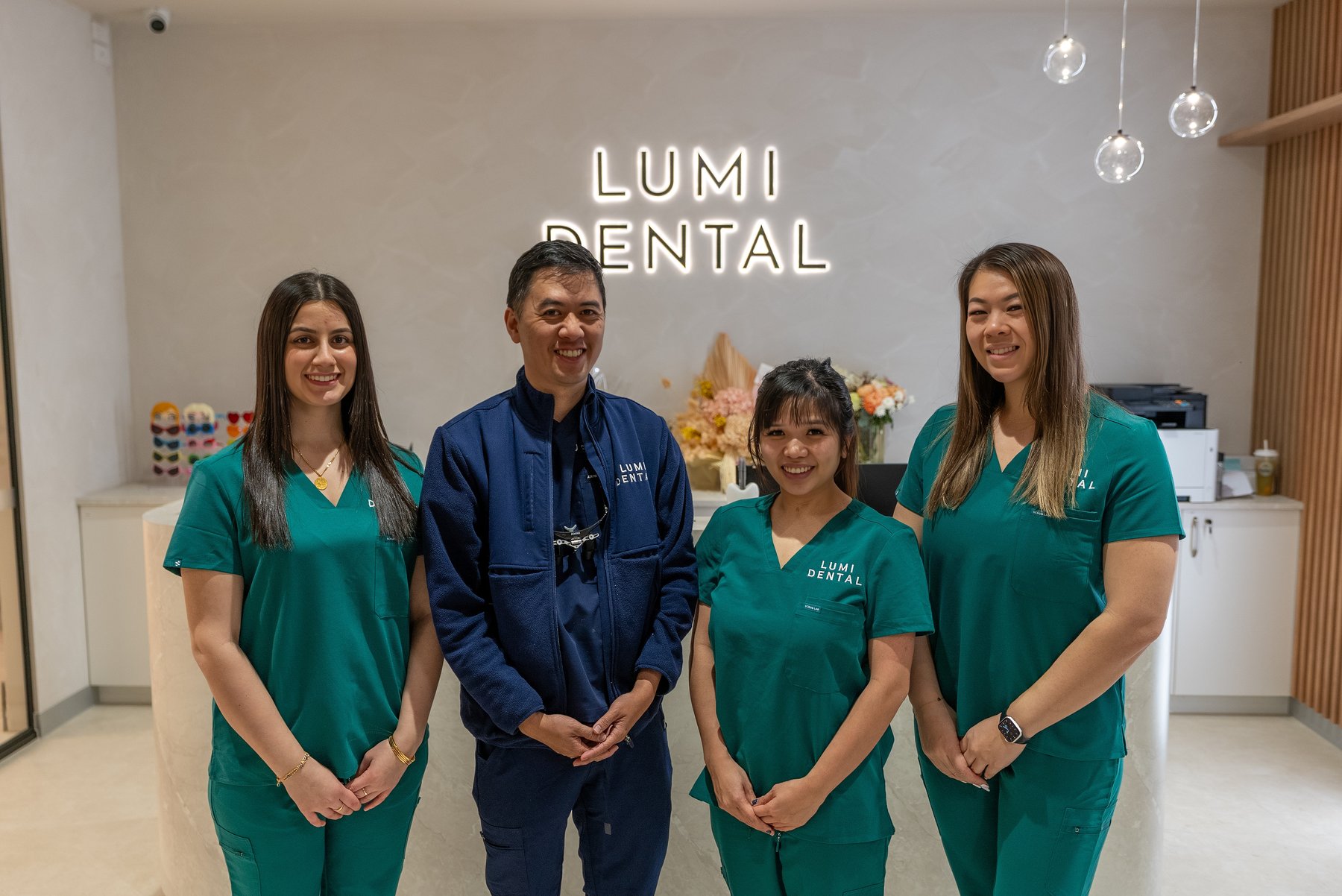
Written by Dr James Tran, BDent (University of Sydney), MICOI, GradDip (Oral Implants), general dentist at Lumi Dental in Melrose Park.
The two problems are not the same, though, and the reasons for waiting differ. A cold sore is a contagious viral infection on or near the lip. A mouth ulcer is a break in the lining inside the mouth and cannot be passed to anyone. If you are not sure which you have, our guide to cold sores versus mouth ulcers explains how to tell them apart.
A cold sore and whitening equipment do not mix
Cold sores are caused by the herpes simplex virus, usually type 1. Healthdirect notes that roughly eight in ten people have been infected with it by adulthood, that it stays in the body, and that cold sores are highly contagious, even when blisters are not present.
In-chair whitening is hard on the lips. A cheek retractor holds them back for a long stretch, they dry out, and a protective barrier is painted along the gums right beside them. Stretching an active blister can split it and spread fluid over the lip and skin, and it exposes the dental team to the virus. Healthdirect lists skin damage from strong sunlight, cold or wind among the triggers for an outbreak, and reviews of cold sore research also list dental procedures as a possible trigger.
The tingling stage counts. Healthdirect describes an outbreak as starting with an itchy, tingling feeling before the blisters appear. If you feel that on the morning of your appointment, call the practice. Rebooking is much easier than dealing with a blister that breaks under a retractor.
Peroxide on an open ulcer stings and irritates it
A mouth ulcer is a small area where the lining of the mouth has broken down. The Better Health Channel notes that the most common cause is injury, such as biting the inside of the cheek, and that aphthous ulcers, the recurring kind with no clear cause, affect around 20 per cent of the population.
Whitening gel is meant for enamel, not soft tissue. The Australian Dental Association warns that gel on the lips, gums or tongue can cause chemical burns, which often turn into ulcers before they heal. An ulcer that is already open has lost its protective surface, so gel that would barely tingle on healthy lining can sting sharply there and irritate the raw patch further.
With take-home trays, pause until the ulcer has healed, then carry on with the course. The lightening you have already achieved does not vanish in a week or two. If the ulcer sits right where the edge of the tray rubs, bring the tray in. A rough or overlong edge can be smoothed quickly, and an ulcer caused by rubbing tends to keep coming back until it is. Our guide to how custom whitening trays work describes how a well-fitting tray should feel.
Matching the sore to the right plan
| What you have | Contagious? | Usual healing time | What to do about whitening |
|---|---|---|---|
| Cold sore on or near the lip | Yes | Usually within 2 weeks | Reschedule in-chair whitening and pause trays until the crust has gone and the skin is intact |
| Aphthous ulcer inside the mouth | No | Usually 10 to 14 days | Pause gel until it has closed, then keep gel off the gums when you restart |
| Ulcer where a tray edge rubs | No | Usually heals once the rubbing stops | Stop wearing the tray, have the edge adjusted, then resume |
| White patch on the gum after gel | No | Usually settles quickly | Stop, rinse, use less gel next time, and see your dentist if it does not settle |
| A sore that has not healed in 3 weeks | Depends on the cause | Not healing on its own | Have it examined first; whitening can wait |
The last row matters more than whitening. A mouth sore that has not healed or has changed within 3 weeks should be seen by a dentist or GP, and sooner if it is painless, growing or keeps coming back in the same place. Our article on when a mouth ulcer is worth worrying about lists the warning signs.
Signs the area has healed enough
A cold sore moves through tingling, blisters, weeping, crusting and finally new skin. Wait until the crust has come away and the skin underneath is whole, not just until it stops hurting. A scab that is still attached can lift when the lip is stretched. Giving the lip a few extra days after that makes the retractor more comfortable.
For an ulcer, the yellowish centre fills in and the red rim fades. When you restart take-home whitening, a shorter first session is sensible, because freshly healed lining can be more sensitive to gel. Mild stinging along the gum line that settles overnight is common, and our article on gum irritation after teeth whitening covers what to do if it is more than that.
Lowering the chance of a flare during a whitening course
- Wear a lip balm with SPF every day, since strong sunlight is a recognised cold sore trigger. Our guide to sun protection for your lips explains what to look for.
- Keep an antiviral cold sore cream at home if you get them often. Healthdirect notes that antiviral creams such as aciclovir can be bought from pharmacies without a prescription and are used in the first few days of an outbreak, ideally when the tingling first starts, and that a pharmacist can supply a single dose of antiviral tablets without a prescription. Follow the pack or the pharmacist's directions.
- Never share trays, gel syringes or lip products. Healthdirect advises against sharing cups, cutlery, towels and cold sore creams, and the same applies here.
- Mention it if ulcers keep returning, so the cause can be looked into.
Checking the lips and lining before any gel is used
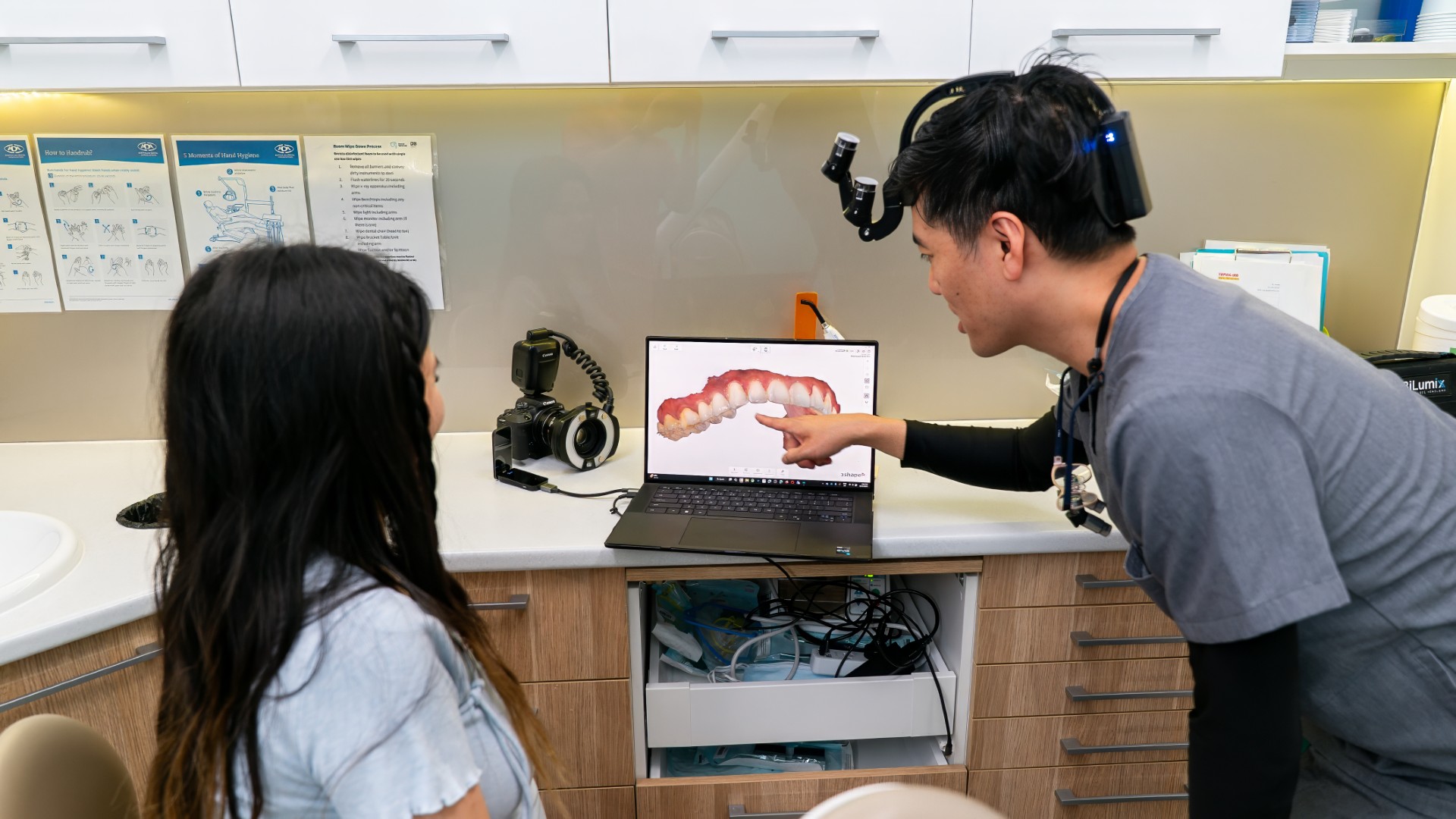
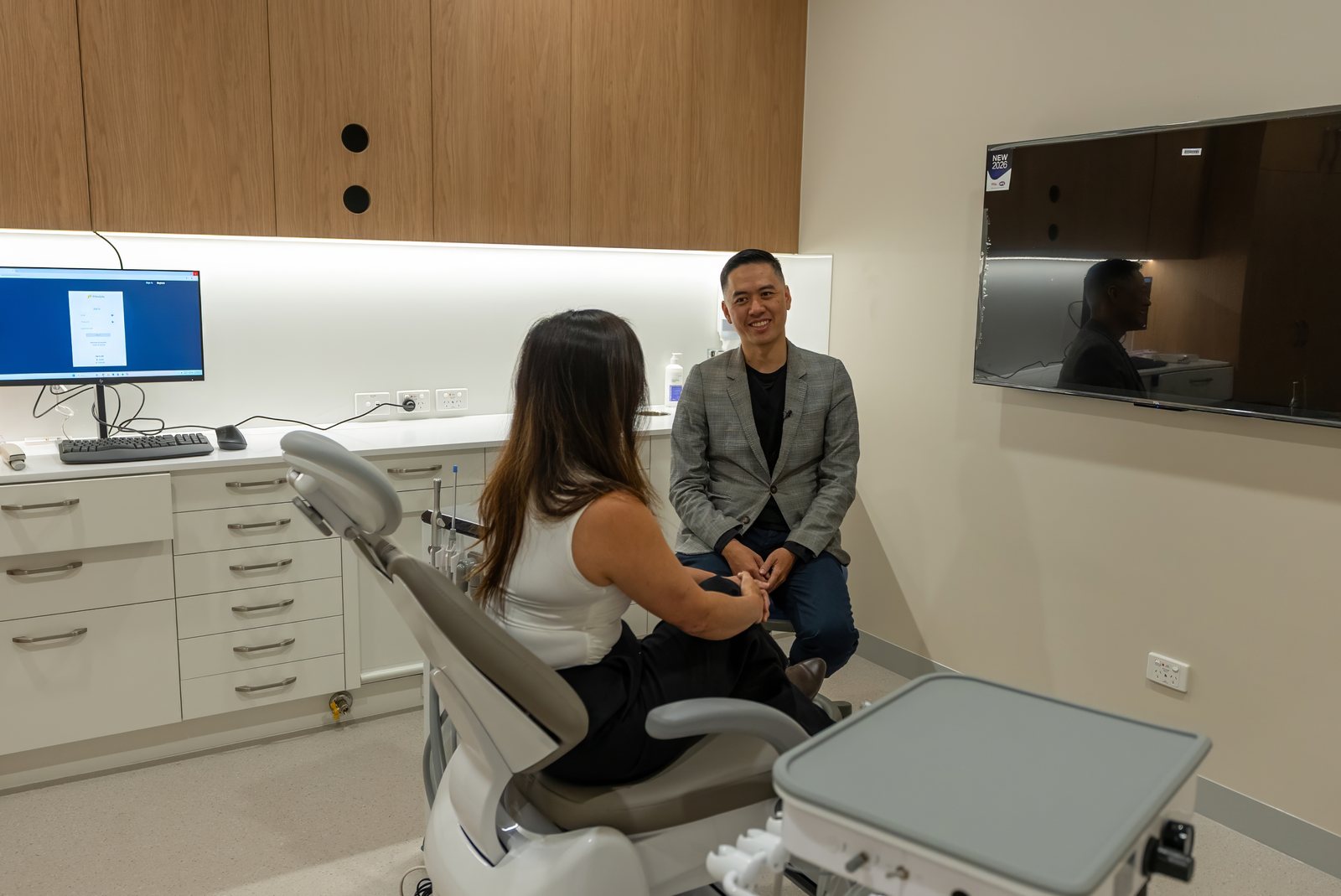
At Lumi, a whitening plan starts with a dentist's examination of the lips and the lining of the mouth as well as the teeth. If a cold sore or ulcer is present, whitening is booked for after it has healed. Take-home trays are made from a 3D intraoral scan so the edges sit neatly on the teeth and away from the soft tissue, and your general dentist looks at the lips and gums again at each check-up.
Questions we are often asked
Can teeth whitening cause cold sores or ulcers?
Gel left on the lips, gums or tongue can cause a chemical burn, and these burns often become ulcers before they heal. Whitening does not give you the cold sore virus, but dental procedures are listed as a possible trigger, so a long appointment may set off an outbreak in someone who already carries it.
How soon after a cold sore can I have in-chair whitening?
Once the crust has fallen off and new skin covers the area, which for most people is within about 2 weeks of the first tingle. A few extra days help the lip cope with the retractor.
My wedding is next week and a cold sore has appeared. What now?
Start an antiviral cream straight away if you are in the early stage, protect the lip and let us know. In-chair whitening will most likely need to move, which is one reason to finish whitening a few weeks before a big event. Our guide to whitening before a wedding or event sets out a timeline with room for this.
Planning whitening around your lips and gums
If you get cold sores or ulcers from time to time, we can examine your lips, gums and teeth and plan a whitening course that works around them at our Melrose Park practice. Book a complimentary cosmetic consult, or read more about teeth whitening at Lumi Dental.
Sources
- healthdirect: Cold sores
- Better Health Channel: Mouth ulcers
- Australian Dental Association (teeth.org.au): Teeth whitening
- Gopinath D and colleagues. Epidemiology, pathogenesis and the management of herpes labialis. Viruses, 2023
About the author
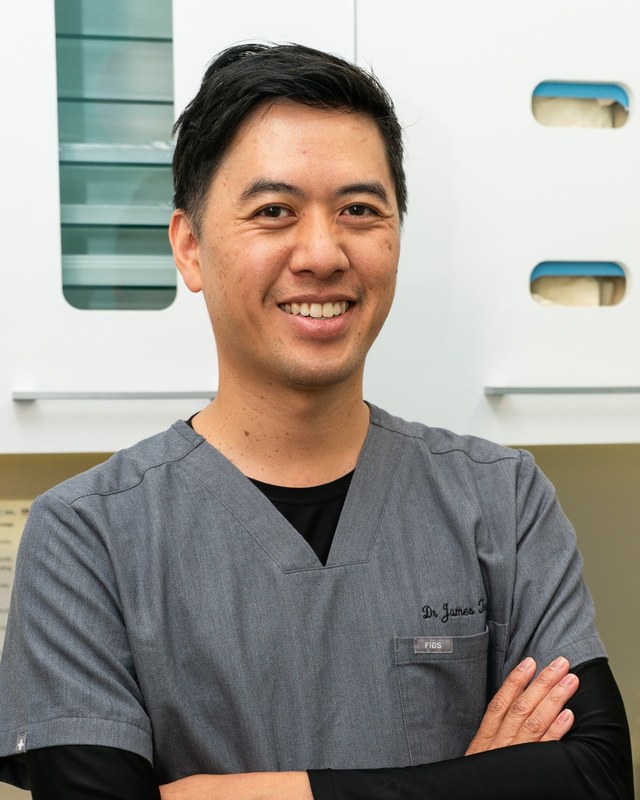
Dr James Tran is a general dentist at Lumi Dental in Melrose Park. He holds a BDent from the University of Sydney and a Graduate Diploma in Oral Implants, and is a Master of the International Congress of Oral Implantologists (MICOI).
This article is general information only and is not a substitute for an examination and individual advice from a registered dental practitioner. Suitability for any treatment varies from person to person.