

Having an organ transplant and taking anti-rejection medicines does not, on its own, rule out dental implants, but implants are planned with your transplant team rather than around it, and most implant surgery waits until the transplant is stable. DonateLife reports that in the most recent full year of national data, 1,438 Australians received an organ transplant thanks to 557 deceased organ donors and their families, alongside living kidney donors. A systematic review of 110 transplant recipients with 290 dental implants reported an implant survival rate of 99.3%. This guide covers dental implants after an organ transplant: the medicines, infection risk, bone health and timing.
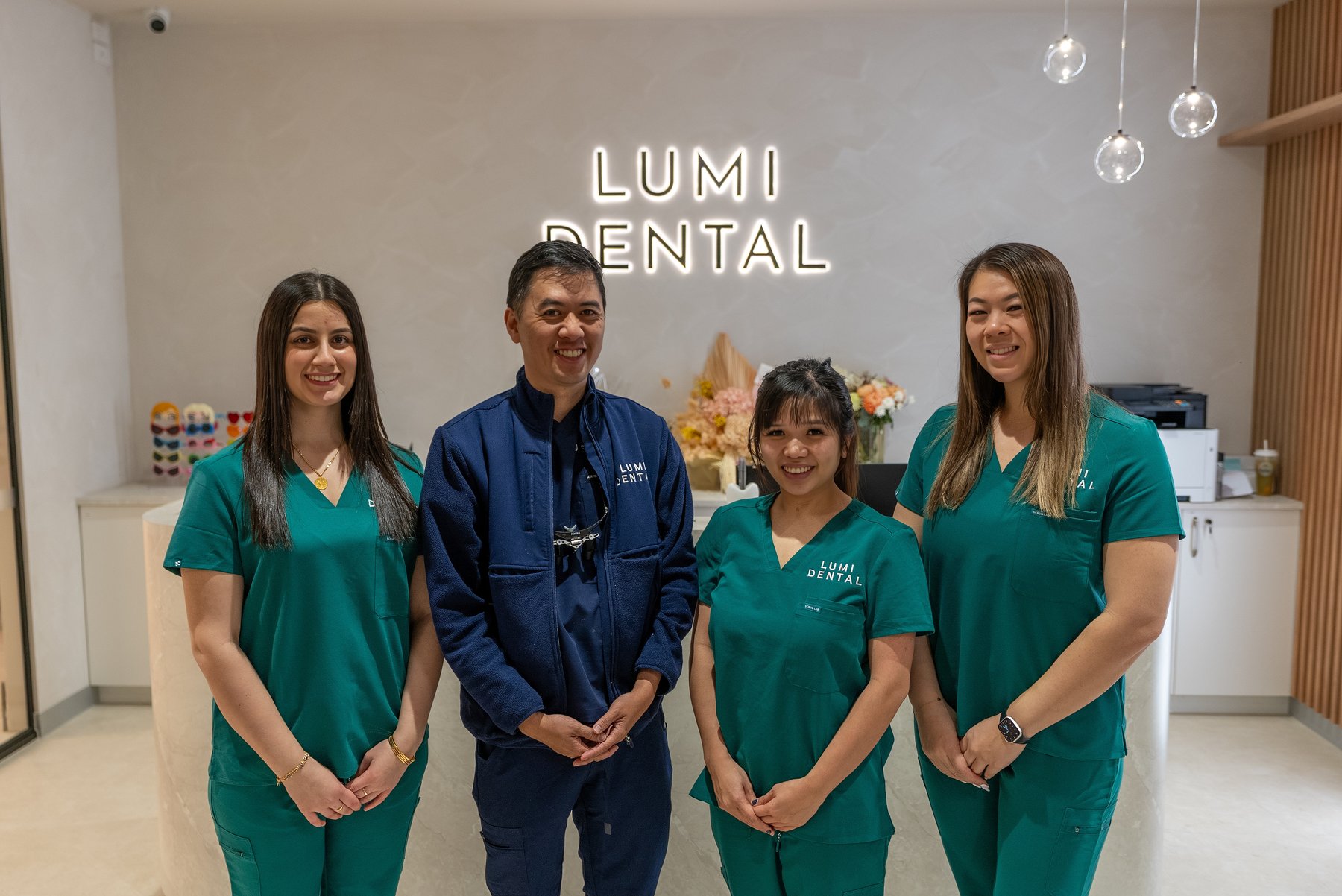
Written by Dr James Tran, BDent (University of Sydney), MICOI, GradDip (Oral Implants), general dentist at Lumi Dental in Melrose Park.
The short version
- The single rule: implants are planned with the transplant team, not around it. They decide when you are stable enough for elective surgery.
- Small studies report implant survival in transplant recipients similar to other people, with careful planning and maintenance.
- Anti-rejection medicines can raise infection risk and slow healing, and some can make the gums overgrow, which affects cleaning around an implant.
- Whether you need antibiotic cover is decided by the dentist with your transplant team, never by you alone, and your anti-rejection medicines are never changed by the dentist.
- Bone density can fall quickly in the first year after a transplant, so a 3D X-ray and your bone health history both feed into the plan.
- Our guide to dental care for organ transplant recipients covers the dental clearance before a transplant and routine care in the early months.
What the research reports about implants after a transplant
A systematic review and meta-analysis by Chen and colleagues in the Journal of Stomatology, Oral and Maxillofacial Surgery included 12 articles. Across 110 people with a kidney, liver, heart or other solid organ transplant, 290 implants had a survival rate of 99.3%. Four studies that compared transplant recipients with people without a transplant found no significant difference in implant survival. The authors concluded that a transplant does not impair implant survival in the short and medium term.
An earlier systematic review by Burtscher and Dalla Torre in the International Journal of Oral and Maxillofacial Surgery found 10 articles covering 93 patients and 249 implants, with 100% survival over an average follow-up of about five years. Every surgery in those studies was done under antibiotic cover, and the authors stressed that a strict maintenance program seems crucial, while noting that good data on peri-implantitis are still missing. These are small groups of carefully selected, closely followed patients, so the figures show what is possible with planning rather than what any one person should expect.
The single rule: plan implants with the transplant team, not around it
If you have had a transplant and are thinking about implants, start with a conversation that includes your transplant team. In my experience, things go best when the dentist and transplant unit work from the same plan, so nobody is surprised by a surgery date or a new prescription.
In practice, that usually means:
- Timing is the transplant team's decision. Elective dental surgery generally waits until the transplant has settled; the early months and any treatment for rejection are usually not the time.
- The dentist writes to your transplant team before planning surgery, setting out what is proposed and what healing involves.
- Antibiotic cover is agreed together. Some antibiotics interact with anti-rejection medicines, so never use leftover tablets. Our article on antibiotics for dental implant surgery explains the general evidence.
- Your anti-rejection medicines stay as your transplant team has prescribed them. The dental team does not stop or change them.
Anti-rejection medicines in plain words
Most people take a combination of medicines to stop the immune system attacking the new organ. A review of kidney transplant care describes the usual combination as a calcineurin inhibitor (such as tacrolimus or ciclosporin), a mycophenolate medicine and steroids, with mTOR inhibitors (such as sirolimus or everolimus) used in some regimens. Steroid doses may be raised for a time to treat rejection.
Infection and healing
All of these lower resistance to infection. Transplant Australia notes that recipients are prone to infections because of immunosuppressants, and advises contacting your transplant doctor before dental work that may injure the gums, because antibiotics may be needed beforehand.
Healing is the second concern. A review in the Journal of Transplantation on mTOR inhibitors and wound healing explains that these medicines can affect healing because they slow cell growth, and that mycophenolate and steroids have also been linked with wound healing problems. That research is about the transplant operation, not the mouth, but it is one reason the dentist wants your full medicines list before setting a surgery date. Our article on implants with long-term steroids and immune medicines covers how steroids affect bone and healing in more detail.
Gum overgrowth and cleaning around an implant
Ciclosporin is one of a small group of medicines known to cause the gums to thicken and grow over the teeth. A case report and literature review in BMJ Case Reports notes that blood pressure medicines called calcium channel blockers, which many kidney transplant recipients also take, can do the same, and that overgrown gums can become inflamed and make existing gum disease worse.
For implants, the problem is cleaning: thick gum tissue around an implant crown creates pockets that a brush struggles to reach. I usually want the gums under control before implant surgery, which may mean gum therapy and a home routine that is working. Any decision about medicines belongs to your transplant team. Our guide for transplant recipients covers gum overgrowth, thrush and other mouth infections, which are treated before implant work begins.
Bone health after a transplant
Implants rely on healthy jaw bone. Transplant Australia explains that immune medicines and long-term steroids can thin and weaken bones, and that recipients are especially at risk of rapid bone loss in the first year after a transplant.
So the dentist looks at bone on a 3D X-ray and asks about bone density results and any osteoporosis medicines, which can affect jaw healing and are discussed with your doctor before planning surgery. Low bone density does not always rule out an implant, but it can change the plan or the healing time.
After dialysis and a kidney transplant
Many kidney transplant recipients spent time on dialysis first, and kidney disease affects calcium, phosphate and bone. Our guide to dental implants with kidney disease or dialysis covers that background and the planning for people still on dialysis.
Where you are with your transplant, and what usually happens
| Stage or factor | What usually happens with implant planning |
|---|---|
| On the waiting list | Dental clearance comes first: infected or failing teeth are treated or removed. Implant surgery is usually not started while you wait. |
| First months after the transplant | Elective surgery generally waits. Urgent dental problems are managed with the transplant team. |
| Stable on long-term medicines | Implants may be considered once the transplant team agrees. The dentist writes to them before planning surgery. |
| High-dose steroids for rejection | Implant surgery is usually postponed until rejection is treated and your medicines have settled. |
| Gum overgrowth from ciclosporin | Gum therapy and a working home routine first. Any medicine change is the transplant team's decision. |
| Low bone density | 3D X-ray assessment, a check on osteoporosis medicines with your doctor, and possibly a different option or longer healing. |
Maintenance for life, and when a simpler option may suit
Immune suppression is lifelong, so the implant needs lifelong care. Plaque around an implant can lead to inflammation of the gum and, if it continues, loss of the bone holding the implant. That is peri-implantitis, and our article on peri-implantitis treatment explains the signs and how it is managed. Regular reviews and professional cleans are part of the plan from the start.
For some people, a removable option is the better fit. If several teeth are missing, an overdenture that clips onto implants can be easier to clean than a fixed bridge. A conventional denture or bridge may suit someone whose health makes surgery a poor choice for now. Our guide to implant-retained overdentures compares the options.
How we approach this at Lumi Dental
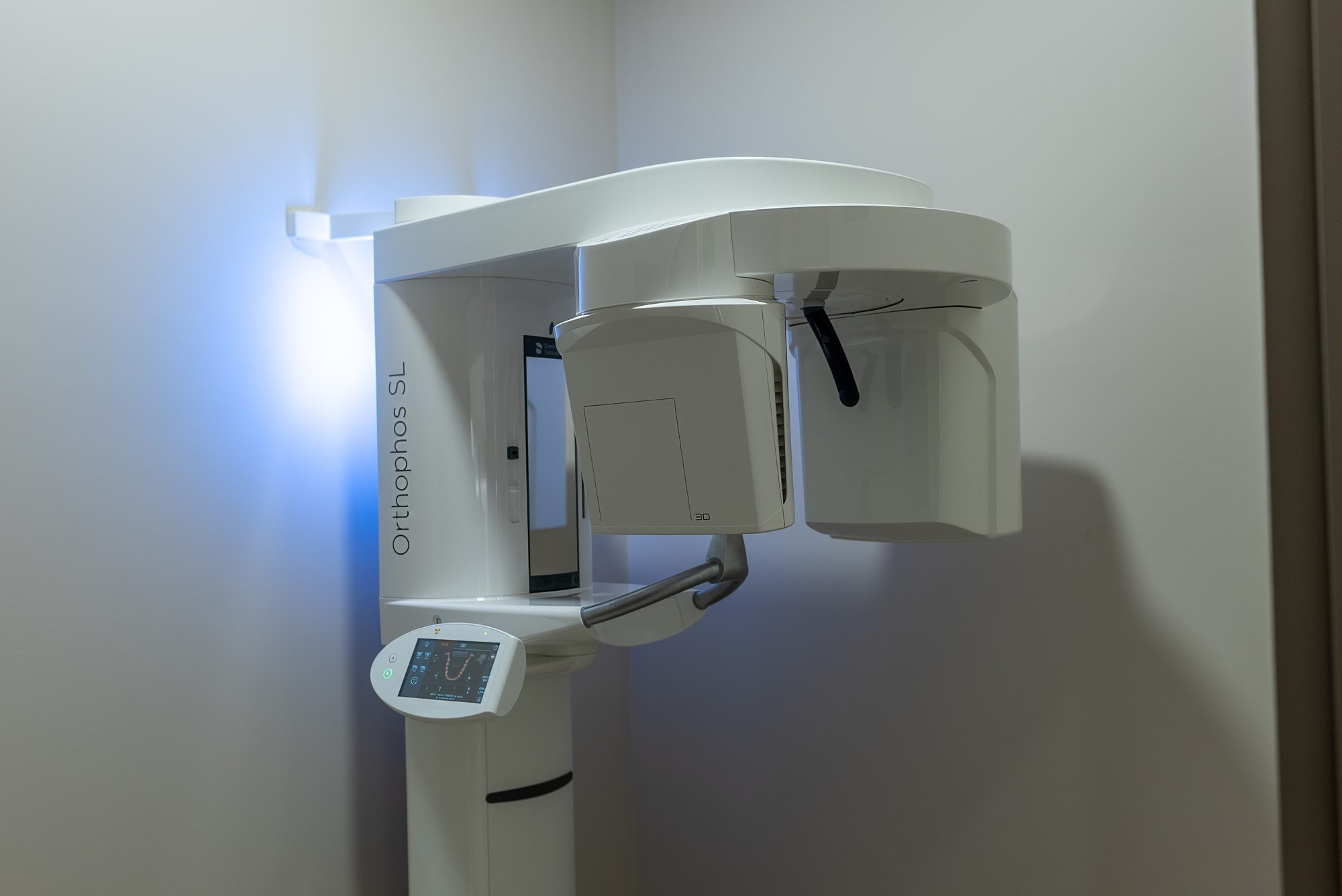
At Lumi Dental, a dentist takes a full medical and medicines history and plans implant treatment using a 3D X-ray and intraoral scan taken in house; our technology page describes the equipment. For transplant recipients, the team at Lumi Dental writes to your transplant team or specialist before planning surgery, and timing and antibiotic cover are agreed with them. The dental team does not stop or change your anti-rejection medicines. Specialist cases are referred to registered specialists, and the oral health therapists look after maintenance afterwards.
Questions patients ask
Can you get dental implants after a kidney transplant?
Often, yes. Small studies of transplant recipients report implant survival similar to other people. Timing and precautions are agreed with your transplant team first.
How long after a transplant can you have dental implants?
There is no single waiting time. Elective dental surgery usually waits until the transplant has settled and your medicines are stable, and your transplant team decides when that is.
Do anti-rejection drugs make implants fail?
The research so far does not show a higher failure rate, but the studies are small. Anti-rejection medicines can raise infection risk and affect healing, which is why planning and maintenance matter.
Will I need antibiotics before implant surgery after a transplant?
Often, but it is decided by the dentist together with your transplant team. Some antibiotics interact with anti-rejection medicines, so never start one without checking.
Can my gums grow over an implant if I take ciclosporin?
Ciclosporin can cause gum overgrowth, which makes cleaning around an implant harder. Healthy gums first and regular maintenance help. Our guide to peri-implantitis explains why that cleaning matters.
Considering an implant? Complimentary implant consult in Melrose Park
If you have had a transplant and are thinking about replacing a missing tooth, a complimentary implant consult is a chance to check your gums and bone and map out what to agree with your transplant team. Contact Lumi Dental to book, or read more about dental implants in Melrose Park. Patients visit from Ryde, Parramatta, Ermington and Rydalmere, with on-site parking at Melrose Central.
Sources
- Journal of Stomatology, Oral and Maxillofacial Surgery (Chen and colleagues): Dental implants in solid organ transplant recipients, a systematic review and meta-analysis (PubMed)
- International Journal of Oral and Maxillofacial Surgery (Burtscher and Dalla Torre): Dental implant procedures in immunosuppressed organ transplant patients, a systematic review (PubMed)
- Transplant Australia: Bone and dental health
- DonateLife: Australian donation and transplantation data
About the author

Dr James Tran is a general dentist at Lumi Dental in Melrose Park. He holds a BDent from the University of Sydney and a Graduate Diploma in Oral Implants, and is a Member of the International Congress of Oral Implantologists (MICOI).
This article is general information only and is not a substitute for an examination and individual advice from a registered dental practitioner. Suitability for any treatment varies from person to person.







