When full-arch implants are planned for one jaw, the opposite jaw has to be examined and planned at the same time, because a fixed implant bridge bites much harder than a denture and the two arches need to meet on an even, planned bite. In one small study, people who moved from a complete denture to a fixed bridge on four implants bit with roughly four times the force they managed with their dentures. Whatever sits opposite, whether natural teeth, a denture or a second bridge, takes that extra load every day.
Written by Dr James Tran, BDent (University of Sydney), MICOI, GradDip (Oral Implants), general dentist at Lumi Dental in Melrose Park.
The short version
- A fixed bridge on one jaw changes the forces on the other, so both jaws are assessed before surgery is booked.
- Healthy natural teeth opposite are often the easiest partner, but wear and drifted teeth need planning.
- Natural teeth with decay, gum disease or missing back teeth are usually treated first or alongside the implant work.
- A full upper denture against a fixed lower bridge needs the most care: the denture can loosen and the ridge under it can shrink.
- A second full-arch bridge can go in at the same time or later, designed as a pair.
- How the upper and lower jaws differ for implants is covered in our guide to upper vs lower full-arch implants; this article is about the jaw that is not being treated.
The single rule: plan the opposite jaw with the treated jaw
If one jaw is getting a fixed full-arch bridge, start by planning the opposite jaw at the same consultation, before the implant positions are finalised. The height and angle of the new teeth depend on what they will meet.
That means records of both jaws from the start: a 3D scan, a 3D X-ray where needed, photographs and notes on whether you clench or grind. The patients I see who have the smoothest course are usually those whose opposite jaw was sorted out early.
Why the opposite jaw matters more once one side is fixed
A complete denture rests on gum and moves slightly with every bite, so people learn to chew gently. A fixed bridge does not move, and bite force rises.
A study from India measured this in twelve people without teeth. Six of them had a fixed bridge on four implants (using All-on-4, a treatment concept trademarked by Nobel Biocare) after first wearing complete dentures. Their average bite force rose from roughly 51 to 56 newtons with dentures to roughly 209 to 219 newtons with the fixed bridge. The groups were very small, so the numbers should be read loosely, but the direction is clear.
That is good news for chewing. It also means a worn tooth, a weak filling or a loose denture on the other side is tested much harder than before.
When the opposite jaw has healthy natural teeth
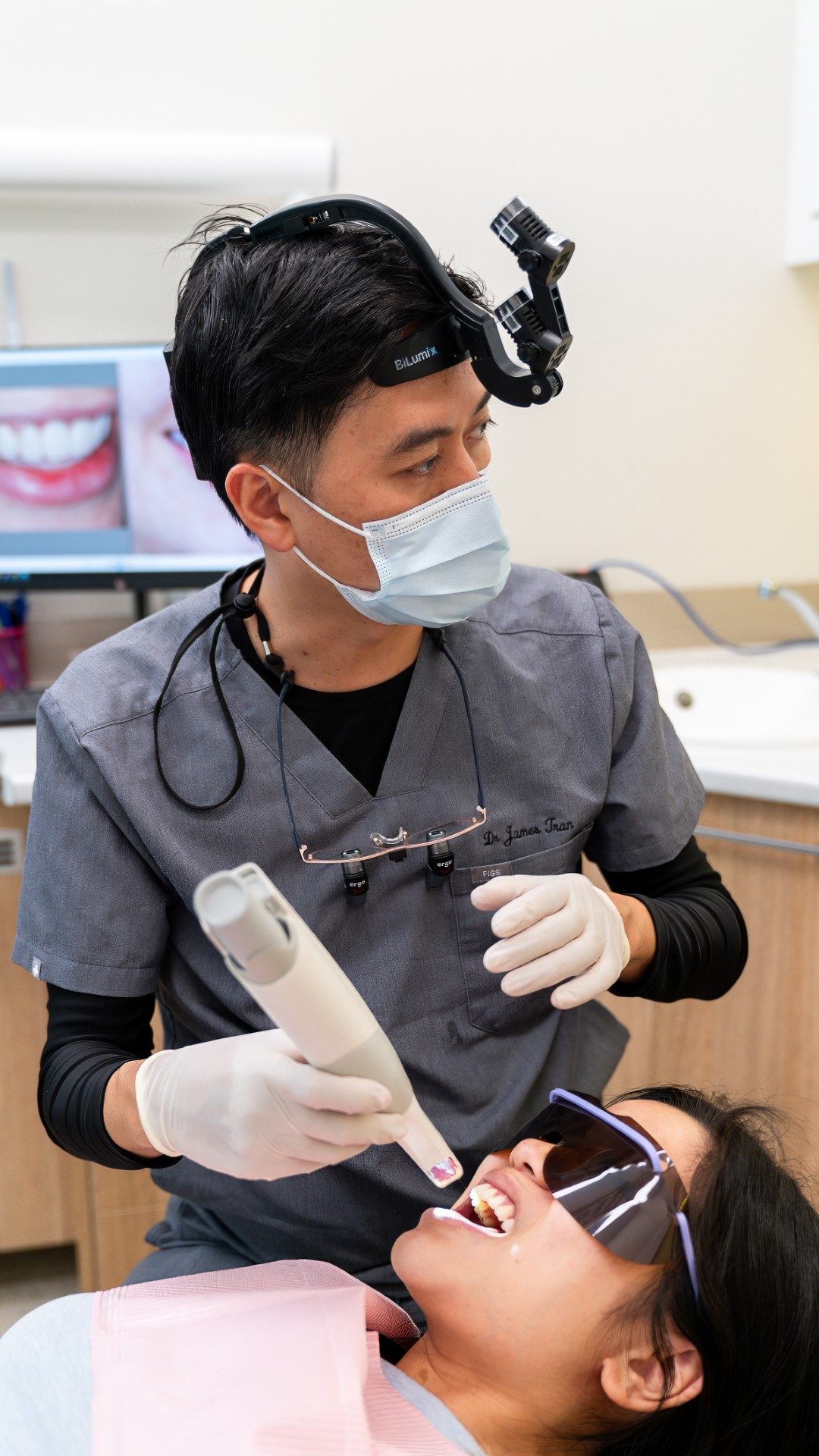
This is often the most predictable pairing, provided the bite is planned carefully.
Wear and chipping
A hard bridge material can wear or chip natural teeth that already show wear, and natural teeth can chip a bridge. The material choice and the shape of the biting surfaces are planned with the opposite teeth in mind. Our comparison of zirconia and acrylic full-arch bridges sets out the trade-offs.
Teeth that have drifted into the gap
When teeth have been missing for a long time, the teeth opposite can over-erupt into the empty space, leaving an uneven biting line. Reshaping, a crown or occasionally orthodontic movement may be needed so the bridge meets a level surface. Reviews of anterior hyperfunction list over-eruption of lower front teeth among the classic features when back teeth have been lost.
Clenching and grinding
If you grind, the extra force of a fixed bridge works against your natural teeth at night as well. I usually raise a night guard at planning, so it can be made once the final bridge is fitted. Our article on dental implants if you grind your teeth covers this in more detail.
When the opposite teeth need work first
Teeth with active decay, cracked fillings or bleeding gums are not a stable partner. Fillings and gum therapy usually come before implant surgery, so the bite is designed around teeth that will last.
Missing back teeth on the opposite side need particular thought. If only the front teeth remain, they take the full force of the new bridge, which can push them forward or loosen them. Replacing the back teeth restores support. Sometimes the examination shows that the opposite jaw is failing as a whole; our guide on full-arch implants or keeping your remaining teeth explains how each tooth is assessed before that decision.
When a full denture sits opposite a fixed bridge
What combination syndrome means
Combination syndrome was first described by Kelly in patients with no upper teeth who still had lower front teeth. A narrative review lists its features as bone loss at the front of the upper ridge, overgrowth of the tuberosities at the back, inflamed tissue on the palate and over-eruption of the lower front teeth. The same review notes that patients with all five features are uncommon, under about one in ten in earlier reports, and warns that implant-supported prostheses can create similar overloading at the front of the mouth.
What happens with a lower implant bridge
A study at the University of Sydney followed eleven people with a full upper denture opposing a fixed lower implant bridge. Bone loss at the front of the upper ridge averaged about 0.17 mm a year, which was not statistically significant. However, every participant showed increased pressure on the front of the upper ridge and loss of contact between the back teeth on at least one side. The authors recommended regular bite reviews.
In everyday terms, the upper denture may start to rock or drop at the back, and the ridge at the front can become flabby. Relines and bite adjustments help, and in my experience a denture worn against a fixed bridge needs reviewing more often.
The overdenture as a middle option
Two implants under the upper denture can steady it without a fixed bridge. In a small randomised trial of 44 people with lower two-implant overdentures, those given an upper two-implant overdenture lost noticeably less bone at the front of the upper jaw over two years than those given a conventional upper denture. Our guide to implant-retained overdentures explains how these clip-in dentures work.
When the opposite jaw also gets a full-arch bridge
Both jaws can be treated on the same day or months apart. Treating both together means one recovery period. Staging suits people who want to spread the surgery, or whose second jaw needs more healing first.
Two fixed bridges give the highest bite force of any combination, so materials are chosen as a pair and a night guard is often advised for heavy biters. Both temporary bridges are planned to the same bite height.
Opposite jaw options at a glance
| Opposite jaw | Main risk | What is usually planned |
|---|---|---|
| Healthy natural teeth | Wear or chipping; teeth that have over-erupted into gaps | Bite levelled before the bridge is made; material chosen with wear in mind; night guard for grinders |
| Natural teeth with problems | Decay, gum disease or missing back teeth overloading what remains | Fillings and gum therapy first; back teeth replaced so the front teeth are not overloaded |
| Full conventional denture | Denture loosening; bone loss and flabby tissue at the front of the upper ridge | Even contact on the back teeth; regular bite reviews and relines; an implant overdenture considered |
| Another full-arch bridge | Very high combined force; chipping of either bridge | Both bridges designed together; matched materials; night guard often advised |
How we approach this at Lumi Dental
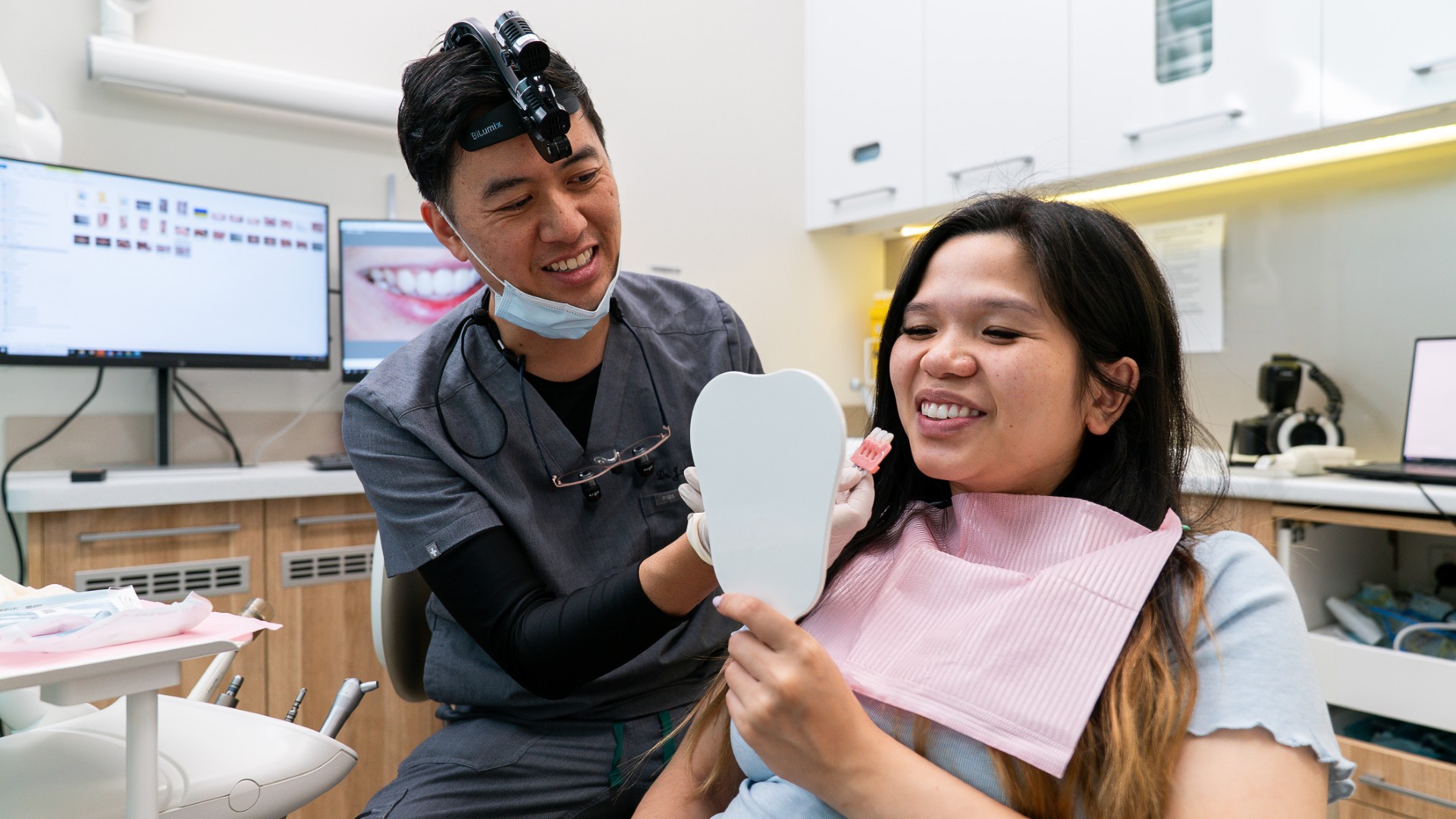
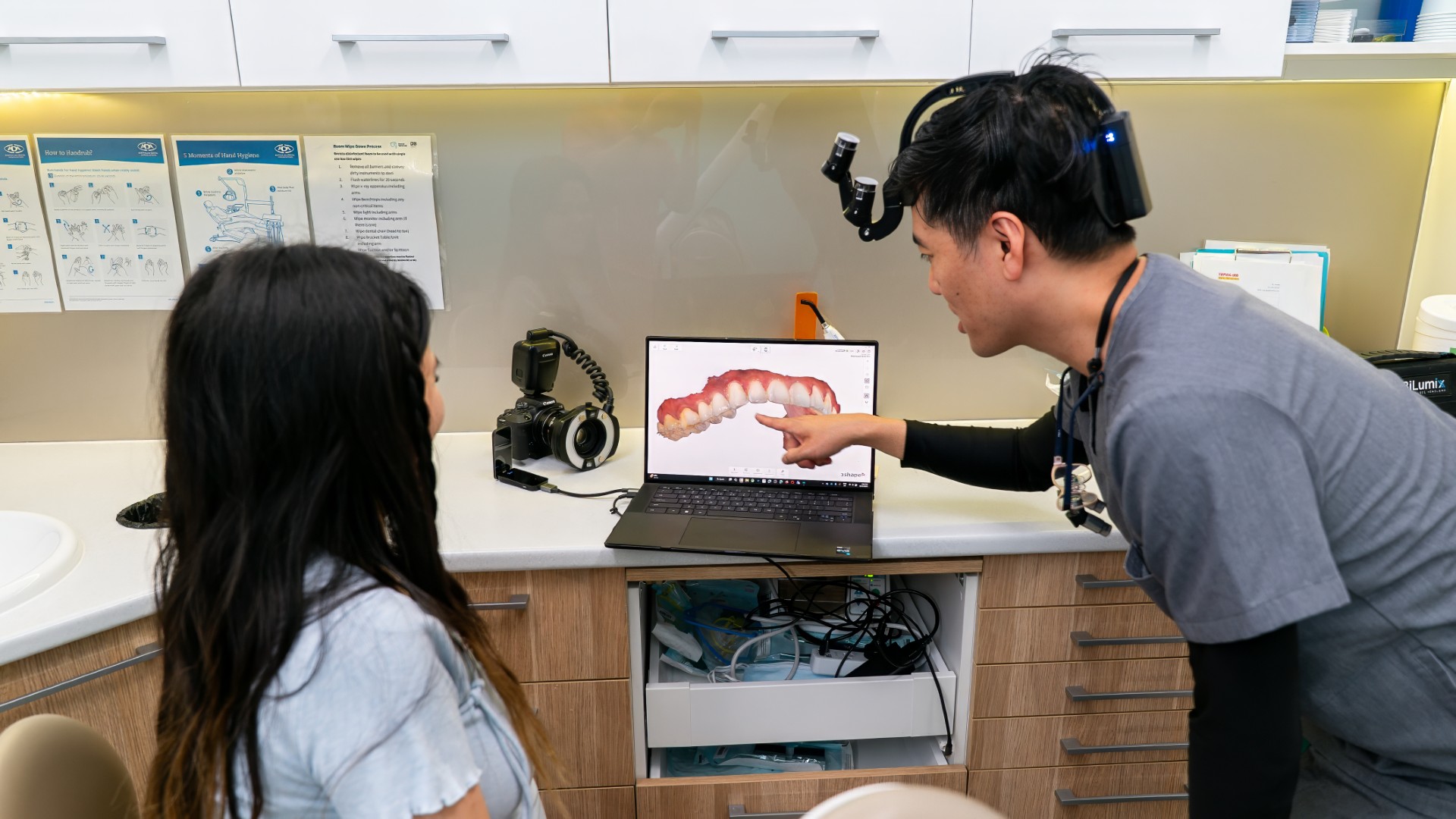
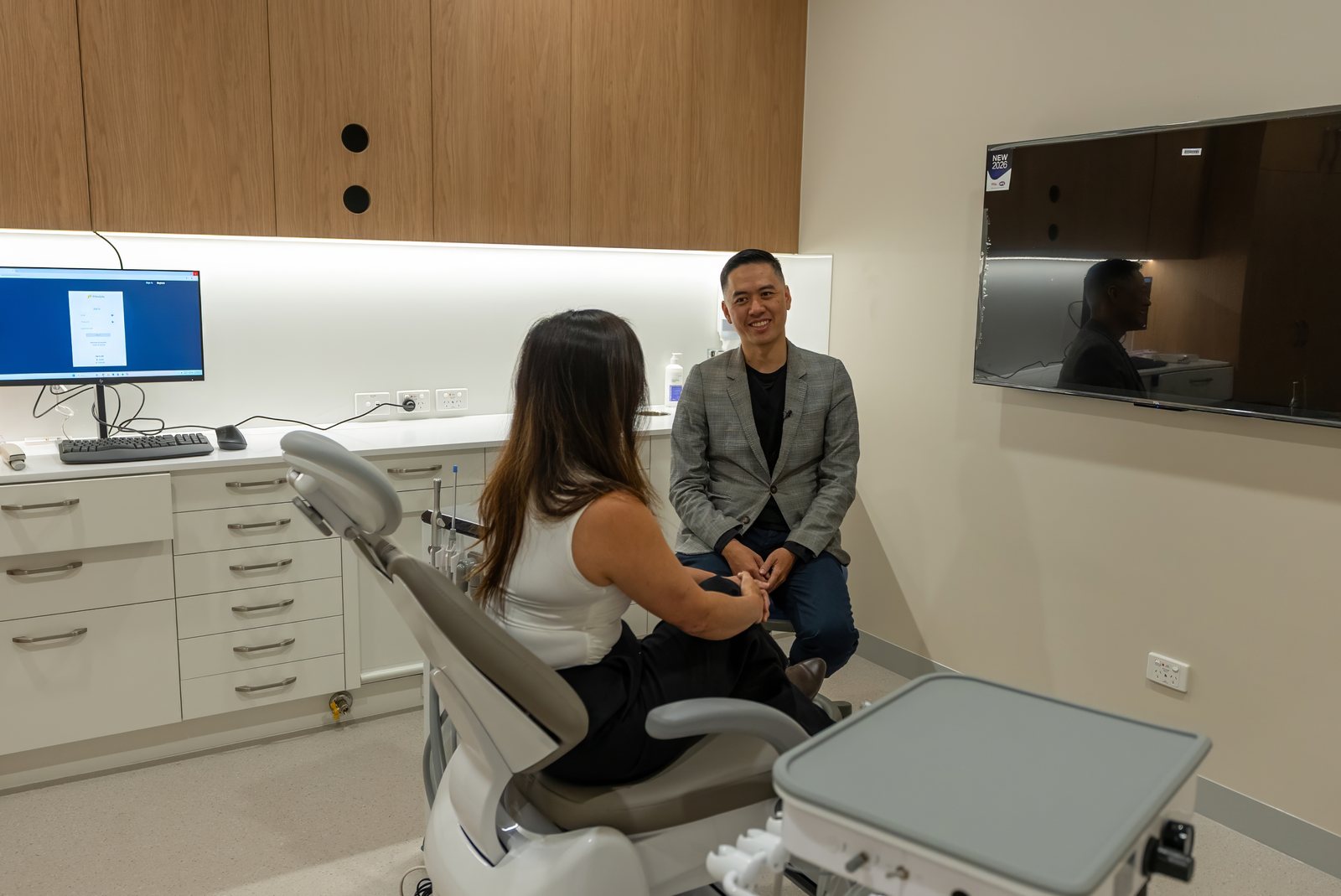
At Lumi Dental in Melrose Park, a dentist examines both jaws at the first full-arch consultation, even when only one is being treated. The team uses in-house 3D intraoral scanning and 3D X-ray to record the bone, the bite and the opposite teeth, and the written plan sets out what the opposite jaw needs, from fillings or gum therapy with the hygiene team to a reline, an overdenture or a second bridge. Lumi Dental's fixed full-arch service is called All-on-X. Complex cases are referred to a registered specialist. Read more about All-on-X full-arch implants at Lumi Dental.
Questions patients ask
Can I get full-arch implants on the top and keep my bottom teeth?
Often, yes, as long as the lower teeth are healthy or can be made healthy. The bite is then planned so they meet the new bridge evenly.
Will my lower denture still work if I get a fixed bridge on top?
It can, but a lower denture is usually the least stable of all, and a fixed upper bridge tends to expose that. Many people in this situation consider implants for the lower jaw as well, as our comparison of dentures and All-on-X full-arch implants explains.
Can I do one jaw now and the other later?
Yes, staging is common. The second jaw is still included in the first plan, so the first bridge suits later treatment.
Will an implant bridge wear down my natural teeth?
It can if the bite is uneven or you grind. Careful bite design and a night guard reduce that risk.
How much do full-arch implants on one jaw cost?
Cost depends on the number of implants, any bone work and what the opposite jaw needs. A written quote follows an examination, and current offers are listed on the current deals page.
Considering full-arch implants? Complimentary implant consult in Melrose Park
If one jaw is failing and you want to know what that means for the other, the team at Lumi Dental can examine both jaws and plan them together. Contact Lumi Dental to book a complimentary implant consult, or read more about All-on-X full-arch implants in Melrose Park. Patients visit from Ryde, Parramatta, Ermington, Rydalmere and nearby suburbs, with on-site parking at Melrose Central.
Sources
- International Journal of Prosthodontics (Gupta S and colleagues): Maxillary changes under complete dentures opposing mandibular implant-supported fixed prostheses (PubMed)
- Anterior hyperfunction by mandibular anterior teeth: a narrative review (PMC)
- Journal of Dentistry: Influence of maxillary prosthesis type on premaxillary bone loss opposing mandibular two-implant overdentures, a randomised controlled trial (PubMed)
- Journal of Indian Prosthodontic Society: Biting force and chewing efficiency of the all-on-four treatment concept compared with other treatments in edentulous individuals (PMC)
About the author
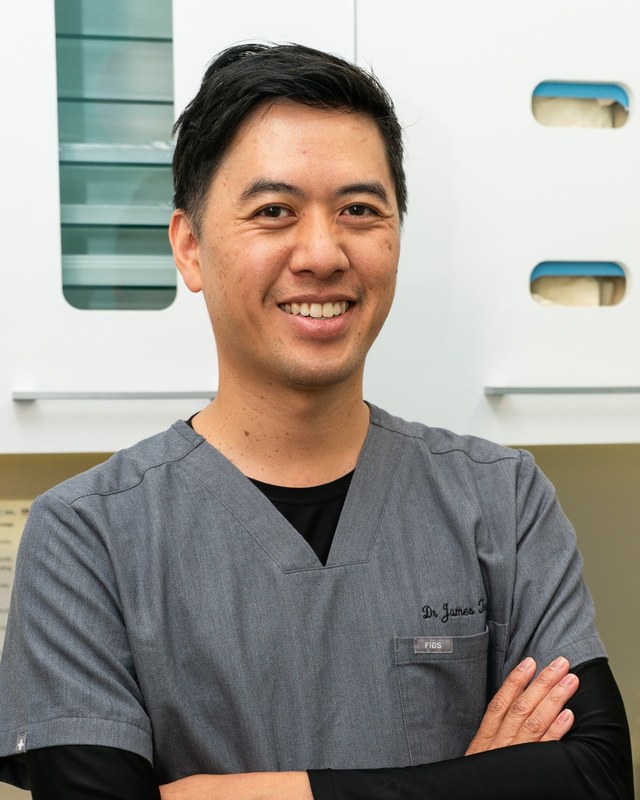
Dr James Tran is a general dentist at Lumi Dental in Melrose Park. He holds a BDent from the University of Sydney and a Graduate Diploma in Oral Implants, and is a Member of the International Congress of Oral Implantologists (MICOI).
This article is general information only and is not a substitute for an examination and individual advice from a registered dental practitioner. Suitability for any treatment varies from person to person.