


Most people with gum disease can be treated well by a general dentist, and a periodontist is usually brought in when the disease is deep, complex or not responding to standard care. The question of periodontist vs general dentist comes up often in my consultations, usually from patients who have just heard the words "gum disease" and want to know who should look after them. The short version is that it is rarely an either/or choice. The two roles often work together, and many patients are managed from start to finish in a general practice.
Key Takeaways
- A general dentist can typically diagnose and treat gingivitis, early to moderate periodontitis, and provide deep cleaning and ongoing maintenance.
- A periodontist is a registered dental specialist in gum and supporting bone disease, with several years of extra postgraduate training after a dental degree.
- Referral is usually considered when pockets stay deep, bone loss continues, teeth become loose, or surgery such as a gum graft is needed.
- In Australia a referral is the usual pathway, but you can ask your dentist about one at any time.
- Specialist fees are typically higher than general dental fees, and health fund rebates differ, so it is worth checking with your fund first.
- After specialist treatment, your regular dentist can often continue the maintenance phase with you.
What Is the Difference Between a Periodontist and a General Dentist?
A general dentist is trained across the whole of dentistry: examinations, fillings, crowns, extractions, gum care and more. Gum health is a routine part of almost every appointment. Your dentist measures the depth of the spaces around your teeth, checks for bleeding, reviews X-rays and decides whether you need a regular clean or something more.
A periodontist has completed the same dental degree, then further postgraduate study focused on the gums, the bone that holds teeth in place, and the surgical placement of implants. That training typically takes about three years full time, although the exact path varies. In Australia, periodontics is a recognised dental specialty, and only registered specialists can use the title. If you would like a broader overview of how the specialties fit together, our guide to dental specialists explained sets it out in plain language.
One way I describe it to patients: your general dentist is like a family doctor for your mouth, and a periodontist is like a specialist physician for one particular system. Most health problems are handled well by the family doctor. The specialist is there for the situations that need more experience, more equipment or a different kind of treatment.
What a General Dentist Can Treat
General dentists manage the large majority of gum conditions. In my experience, patients are often surprised by how much can be done in a general practice.
- Gingivitis: inflamed, bleeding gums without bone loss, which can often be reversed with a thorough clean and better home care.
- Early to moderate periodontitis: where the disease has started to affect the supporting bone, but pockets are still manageable.
- Deep cleaning: also called scaling and root planing, which removes plaque and tartar from below the gumline.
- Ongoing maintenance: regular visits that keep disease stable once it has been treated.
If you are unsure how advanced your condition is, it can help to read about the stages of gum disease. Understanding where you sit on that spectrum makes the conversation with your dentist much easier.
When a Periodontist Is Usually Better Placed
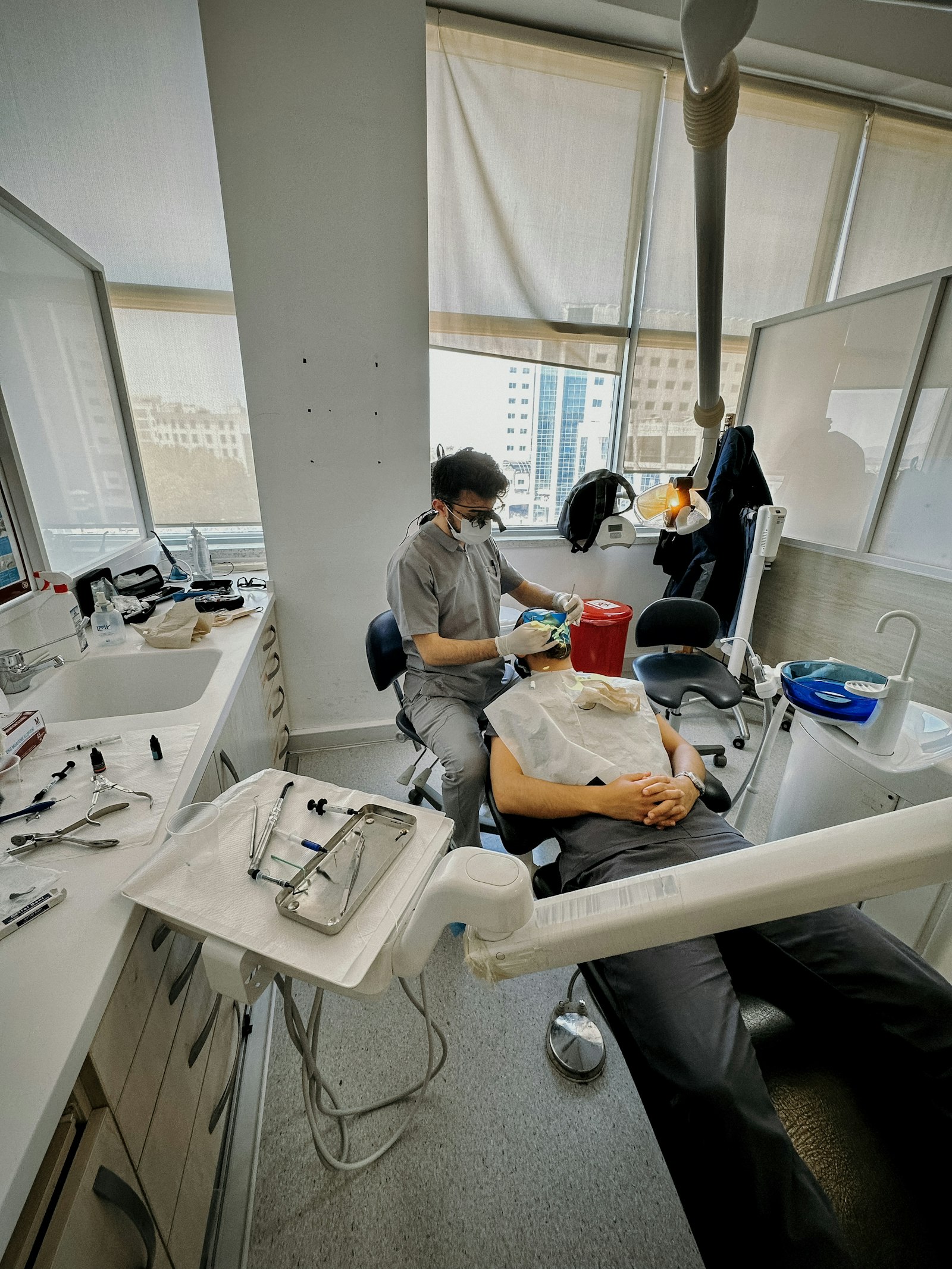
Referral is not a sign that something has gone wrong. It simply means that a specialist may be better placed to manage a particular situation. Common reasons include:
- Deep pockets or ongoing bone loss that have not settled after non-surgical treatment.
- Furcation involvement, where disease has reached the area between the roots of a back tooth.
- Loose teeth or teeth that are drifting or moving.
- Rapidly progressing disease, especially in younger adults.
- Surgical needs, such as a gum graft for receding gums or regenerative surgery to rebuild lost support. For milder recession, some patients ask about pinhole gum surgery compared with a gum graft, which is a good question for a consultation.
- Complex implant cases where gum disease is present, as covered in our article on dental implants with gum disease.
- Medically complex patients, where health conditions make treatment planning more delicate.
Your dentist may also refer you if they feel a specialist's experience could shorten treatment or reduce risk. The article on why a dentist refers you instead of treating you explains that reasoning in more detail.
Who Treats What: A Quick Comparison
| Situation | Usually managed by | Why |
|---|---|---|
| Bleeding gums with no bone loss | General dentist | A thorough clean and home care routine often settles gingivitis. |
| Early to moderate periodontitis | General dentist | Deep cleaning and regular maintenance are within general practice scope. |
| Deep pockets that persist after deep cleaning | Periodontist, often with the general dentist | Further assessment and possible surgical access may be needed. |
| Furcation involvement | Periodontist | Disease between the roots is harder to reach and monitor. |
| Loose or drifting teeth | Periodontist | Support has usually been significantly reduced, so specialist planning helps. |
| Gum recession needing a graft | Periodontist or a dentist with the relevant training | Soft tissue surgery is a specialised skill. |
| Implants in a mouth with gum disease | Periodontist, often shared with the general dentist | Disease needs to be controlled before and after implant surgery. |
| Stable disease after treatment | General dentist or periodontist | Maintenance can be shared, depending on how stable the mouth is. |
How Your Gums Are Assessed
Whether you see a general dentist or a periodontist, the starting point is the same: a careful examination. The key tool is periodontal charting, where small measurements are taken around each tooth to show how deep the gum pockets are and where bleeding occurs. These numbers are worth understanding, because they track your progress over time. Our guide to periodontal charting numbers explained walks through what each reading can mean.
X-rays show the level of bone around the teeth, and your dentist will also ask about smoking, diabetes, medicines and family history. Smoking and poorly controlled diabetes are both known to affect how gum disease behaves and how well treatment responds. If you have diabetes, keep taking your medicines as prescribed and never stop, skip or change them without speaking to your doctor or pharmacist.

How Referral Works in Australia
In Australia, a referral from your dentist is the usual way to see a periodontist. Many specialist practices will accept a referral letter along with your X-rays and charting, so the specialist starts with the full picture. You can also ask your dentist about a referral at any time if you would like a second opinion or specialist input.
It helps to know who chooses the specialist and what happens to your information along the way. Our article on how a dental referral works and who chooses covers that. The same logic applies in other specialties, for example in the comparison of an endodontist vs general dentist for root canal treatment.
Cost, Health Funds and Shared Care
Specialist fees are typically higher than general dentist fees, because of the additional training and the complexity of the cases involved. Health fund rebates for specialist items also differ between funds and between levels of cover, so it is sensible to ask your fund about gum treatment items before you book. For a broader look at what drives the cost of gum treatment, see our gum disease treatment cost guide.
Once active treatment is finished, many patients return to their regular dentist for the maintenance phase. Gum disease needs lifelong attention, and the follow-up visits are different from an ordinary clean. If you want to understand that difference, read about periodontal maintenance vs a regular clean. In a shared care arrangement, the periodontist treats the complex part, and the general dentist keeps watch between specialist reviews. Good communication between the two is what makes this work.
Common Questions
Can a general dentist treat periodontitis?
Yes, a general dentist can typically treat early to moderate periodontitis with deep cleaning and ongoing maintenance. If the disease does not respond as expected, or surgery is needed, a referral to a periodontist may be recommended.
Do I need a referral to see a periodontist in Australia?
A referral is the usual pathway and is often requested by specialist practices. It lets the specialist see your X-rays and charting before your first visit, which usually makes the appointment more useful.
Is a periodontist more expensive than a general dentist?
Specialist fees are typically higher, and health fund rebates can differ. Asking for a written quote and checking with your fund before treatment can help you plan.
Can gum disease be cured?
Gingivitis can often be reversed, but periodontitis is generally managed rather than cured. Bone that has been lost does not usually regrow on its own, so the aim is to stop the disease from progressing with consistent care.
Will I keep seeing my regular dentist if I am referred?
In many cases, yes. After specialist treatment, your regular dentist can often continue maintenance and monitoring, with specialist reviews as needed.
Talk to the Team at Lumi Dental
If you have bleeding gums, loose teeth or a diagnosis you are unsure about, the team at Lumi Dental in Melrose Park can assess your gum health and explain your options in plain terms. Where a specialist is better placed, we can arrange a referral and stay involved in your care. You can learn more about our general dentist services in Melrose Park, and check current deals for anything available to new patients. We are happy to offer a free consult and a written quote so you know where you stand before you decide anything.


